Last updated: 2026-08-01 by Ted Sellers, Owner
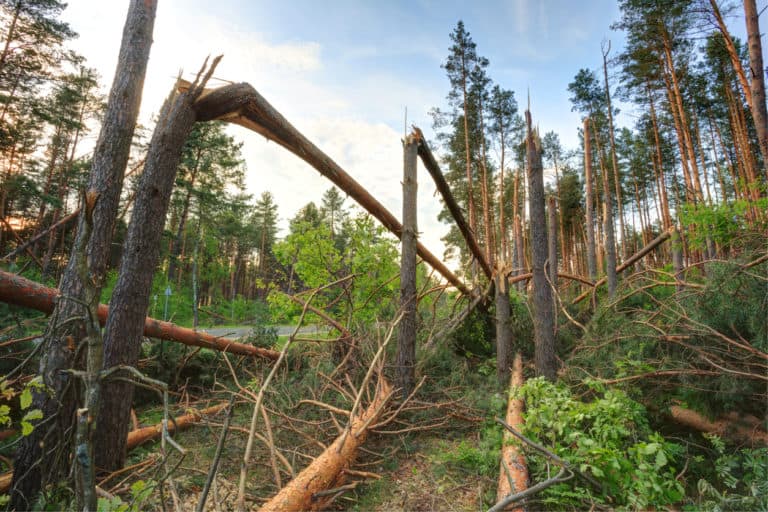
Storm damage to asphalt shingles usually depends on specific wind speeds and storm duration, often leaving random, storm-facing shingle damage with creases, torn seals, and missing tabs in scattered spots. Bad installation looks more uniform, with crooked rows, high nails, poor spacing, and repeated defects across the same slope. In most cases, the pattern of failure, not one loose shingle, tells you which problem came first.
Key Takeaways
- Damage pattern decides: Scattered, storm-facing creases, torn seals, and missing tabs point to wind; repeated crooked rows, high nails, and gaps across the slope signal bad installation.
- Inspect high-wind zones first: Check edges, corners, ridges, and the storm-facing side for lifted tabs, granule loss, and flashing issues before assuming full replacement.
- Both causes often coexist: Poor workmanship weakens shingles, then wind exposes it—document weather events, nail placement, and leak paths for insurance claims.
- One shingle doesn’t tell: Always view the full slope pattern, trace interior leaks, and consider roof age to separate storm repair from workmanship replacement.
When This Applies
This works best on steep-slope commercial roofs with asphalt shingles
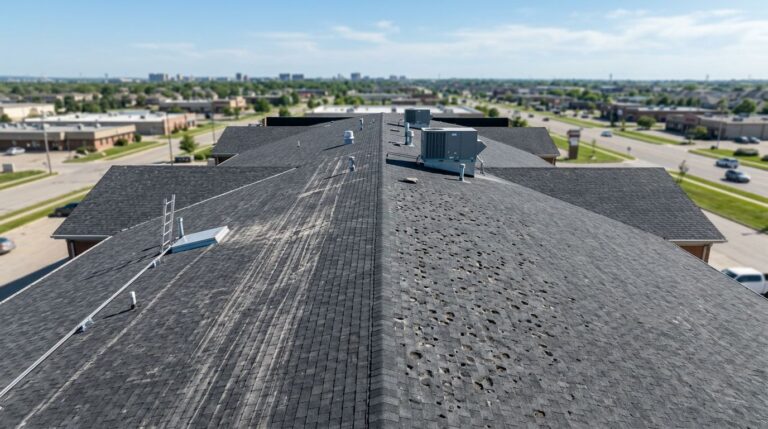
This test fits offices, churches, apartment buildings, and small retail properties that use asphalt shingles. It’s most helpful when you’re assessing wind speeds to decide whether to file an insurance claim, question prior workmanship, or set a repair budget.
For these buildings, the first clue is usually the damage pattern. Uplift pressure from high winds primarily affects roof edges, corners, ridges, and the slope that faced the storm. Installation mistakes tend to repeat across the roof, even in places where wind pressure was lower.
When this does not apply
If your building has TPO, EPDM, PVC, metal, or another low-slope system, this comparison won’t help much. Many warehouses and strip centers fall into that group, and the issue is more likely seam failure, flashing trouble, or membrane uplift. In that case, you need Saint Paul commercial roofing services, because the right question is about commercial flat roof repair, not shingles.
Edge cases can blur the answer
Older shingles can crack in wind and also fail because an installer nailed them too high or never got a proper seal. Past patch jobs can muddy the story, too, especially when one slope has newer material.
When both causes exist
That happens more than many owners expect. Poor workmanship can sit unnoticed for years, then one strong storm exposes it all at once.
What Wind Damage Shingles and Bad Installation Usually Look Like
Signs that point to wind damage
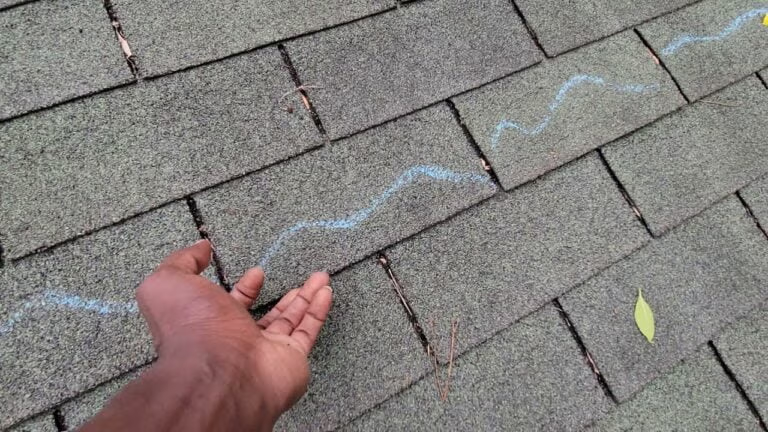
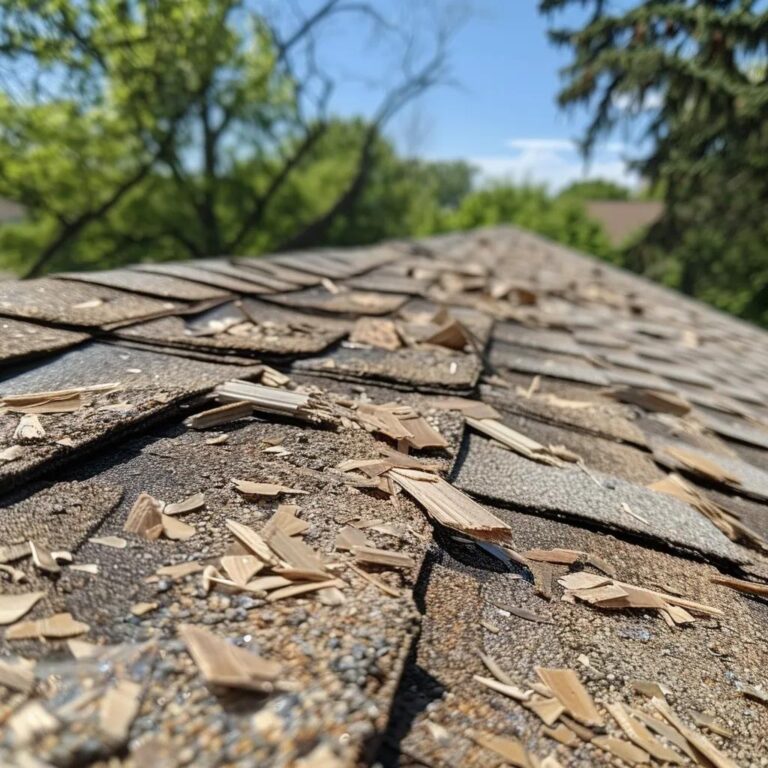
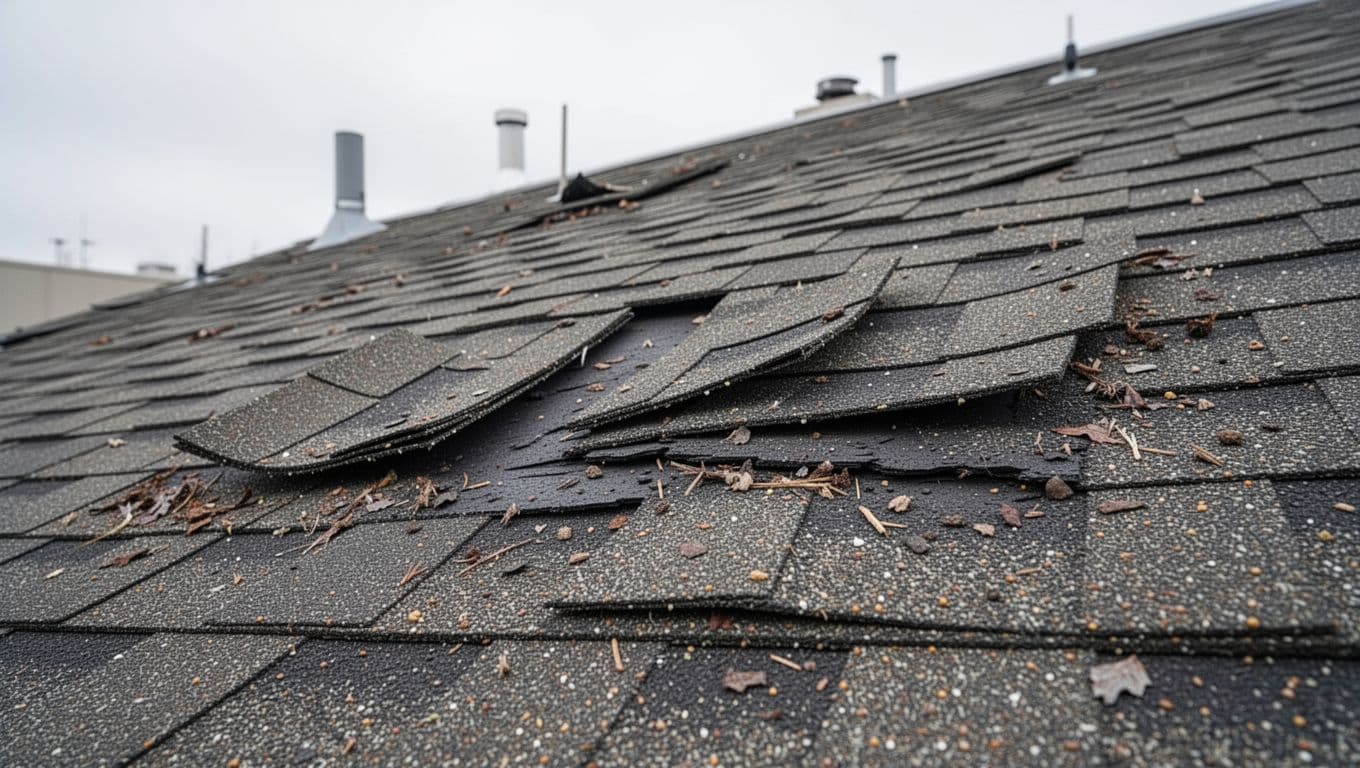
Wind damage shingles usually show lifted shingles with raised edges, curled shingles featuring horizontal creases, torn sealant strips, and fresh granule loss where tabs flapped in the gusts. Missing shingles often appear scattered next to intact ones. The damage typically clusters on the roof side facing the weather, not evenly across every row.
Signs that point to bad installation
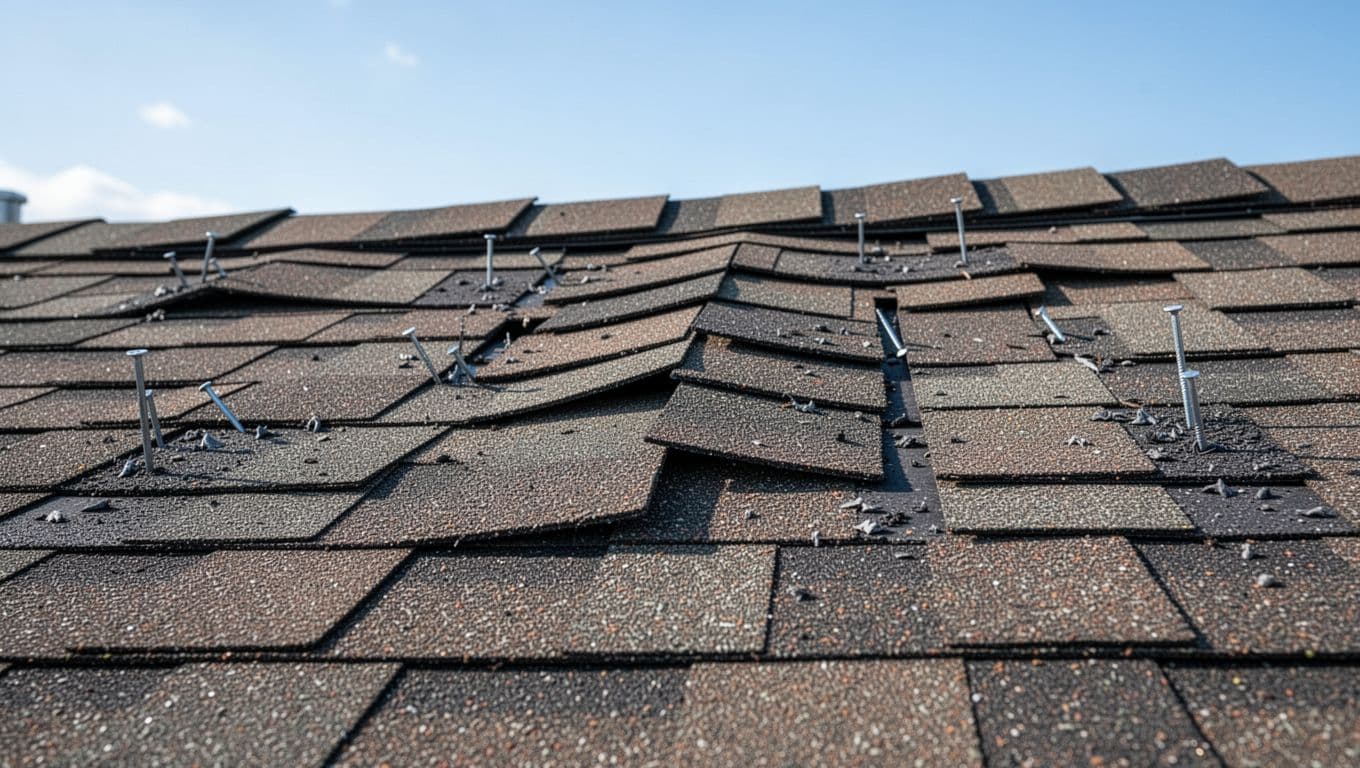
Bad installation reveals installation flaws that look more even, almost like the roof repeats the same mistake row after row. On dimensional shingles, courses may run crooked, nails may sit too high, tabs may not line up, and exposed fasteners may appear across a broad area. These problems, including potential manufacturing defects, also show up away from the storm side. If large sections share the same spacing error or sealing problem, the installer likely set the failure in motion. That matters because widespread workmanship defects can push a roof toward commercial roof replacement sooner than a simple storm repair would.
This quick comparison, grounded in standards like ASTM D3161 for wind resistance, helps separate the two:
| Clue | More likely wind | More likely installation |
|---|---|---|
| Pattern | Scattered, storm-facing | Repeated across rows |
| Shingle surface | Creases, torn tabs | Crooked lines, gaps |
| Nails | Stressed after lift | High, exposed, misplaced |
| Timing | After a wind event | Present long before storm |
One damaged tab can mislead you. The full slope usually doesn’t.
Step-by-Step
Follow this professional roof inspection process to distinguish wind damage from bad shingle installation.
1. Check whether the damage follows the wind line
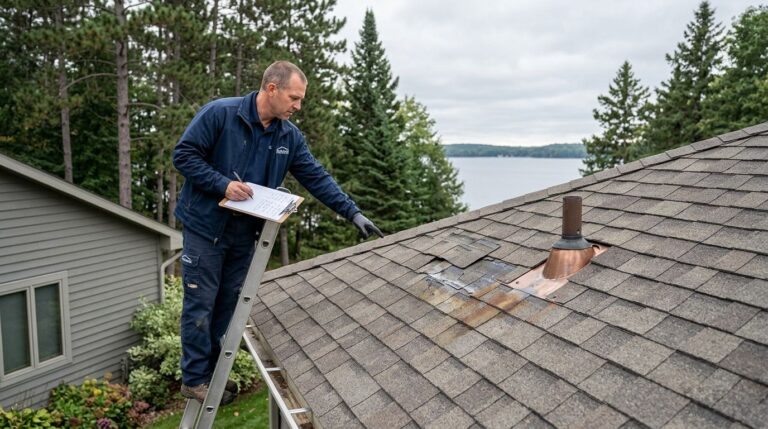
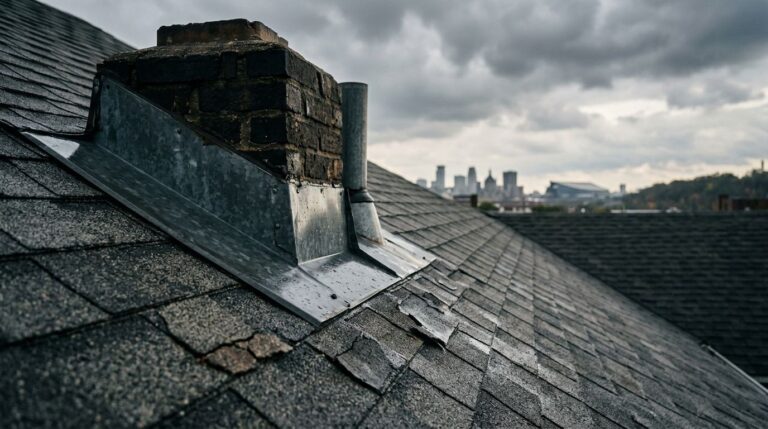
If safety is a concern, involve a roofing professional or an independent roofing contractor for a detailed assessment. Start at edges, corners, ridges, and the slope that faced the storm. High winds test the wind resistance of the assembly hardest in those areas first, then the damage fades as you move inward. Also look for damaged flashing or missing flashing in these high-impact zones.
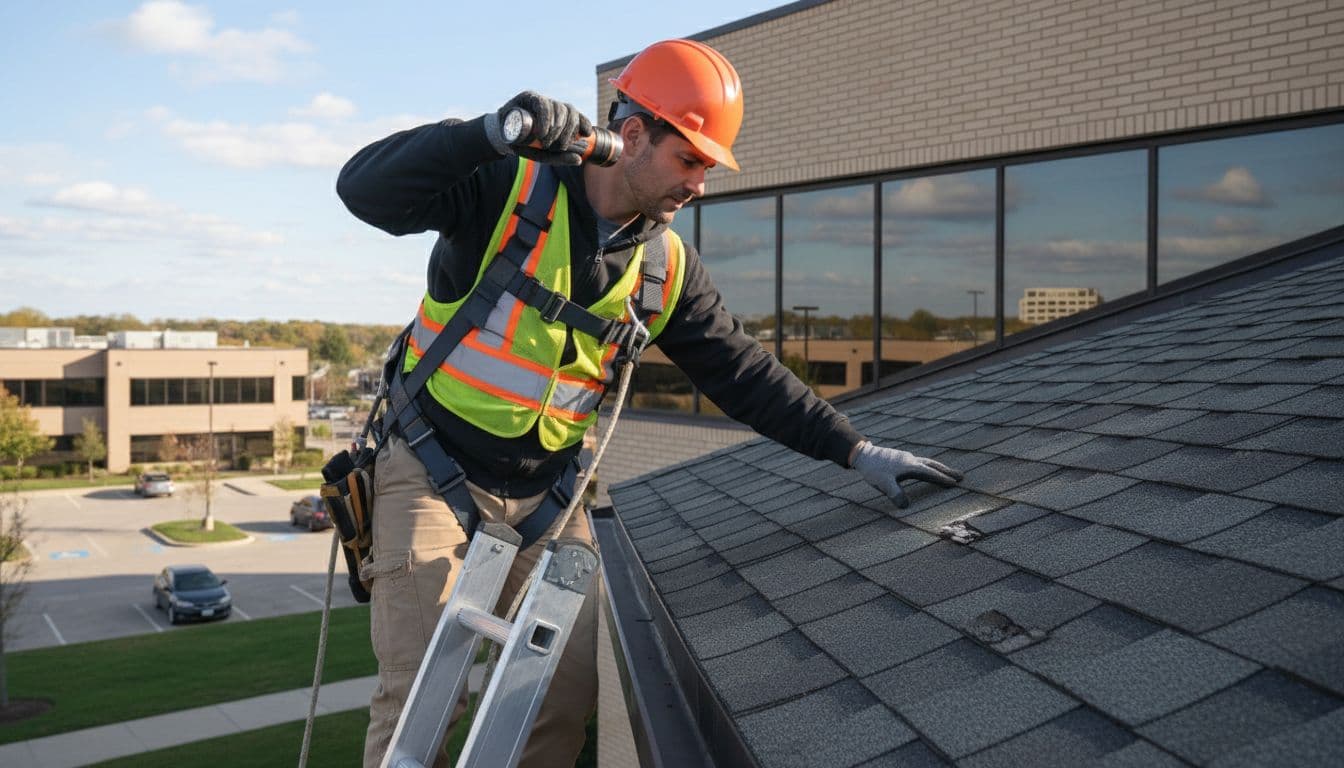
2. Look for creases, broken seals, and lifted tabs
A lifted tab with a clean horizontal crease often points to wind lift. Missing adhesive bond, fresh scuffing, and new granule loss support that call.
3. Check nail placement and shingle alignment
If it can be done safely, inspect a few tabs closely. Nails above the nailing line, angled fasteners, crooked courses, and tight or uneven joints point to poor installation.
When exposed nails change the answer
Exposed nails across many rows usually trace back to workmanship, not one storm.
4. Compare age, repair history, and timing
If the roof looked uneven before the storm, installation likely played a part. If the damage appeared right after one documented wind event, wind has the stronger case. Newer roofs that fail early often point back to workmanship.
5. Trace leaks before blaming the nearest shingle
Water can travel farther than most owners expect. Check the underlayment and roof deck for water damage and water stains. Interior stains may start well away from the failed tab, so document roof sections, ceiling marks, and wet insulation before you approve repairs. If water is already inside, commercial roof leak detection Saint Paul helps confirm the true entry point. If your commercial roof needs repair, that proof protects both your budget and your claim file.
FAQ
Can wind damage and poor installation exist on the same roof?
Yes. Weak sealing or bad nailing can leave shingles vulnerable, then a wind event finishes the job. The storm reveals the defect, but it may not be the only cause.
Will insurance cover the problem if installation was poor?
Homeowners insurance policies often treat faulty workmanship differently from storm damage, distinguishing it from standard wear and tear to clarify coverage. In the insurance claim process, clear photos, weather dates, and inspection notes help separate the two. If the storm pattern is clearly present but the claim is unfairly denied, consider consulting an insurance dispute attorney.
If damage shows up months after a storm, can it still be wind-related?
Sometimes. Wind can loosen seals first, then shingles slip or leak later.
What timing usually means
A long delay makes age, heat, foot traffic, and installation errors more likely factors.
Does one missing shingle mean I need commercial roof replacement?
Usually no. A few missing shingles with repairable tabs rarely justify full replacement. The bigger question is whether nearby shingles still seal, whether the deck stayed dry, and if water damage has occurred.
What if my commercial roof needs repair but no shingles are missing?
Look for lifted tabs, exposed nails, ceiling stains, and wet insulation signaling water damage. On low-slope buildings, the problem may be membrane failure instead of shingles.
For low-slope properties
That situation usually calls for commercial flat roof repair, not shingle troubleshooting.
A roof tells the truth through pattern, not panic. Random, storm-facing damage usually points to wind, while repeated alignment and nailing flaws point to installation.
Act early, document well, and inspect the full slope. That’s how you fix the right problem before a small repair turns into a larger claim or an avoidable replacement.
Need a roof inspection in Saint Paul or the Twin Cities? Call Sellers Roofing Company at +1-651-703-2336 or schedule a free estimate. We are a black-owned, NMSDC-certified MBE roofing contractor with 9+ years experience.