Last updated: 2026-05-26 by Ted Sellers, Owner
Yes. Pea-size hail can cause hidden hail damage on asphalt shingles, especially when wind drives impacts, shingles are older, or temperatures are cold. The damage often shows up as bruising under the granules, tiny fractures, or loosened seal strips, not dramatic holes. From the ground, the roof can look “fine,” yet its lifespan may drop and leaks can appear later.
When This Applies
Why pea-size hail can still hurt asphalt shingles
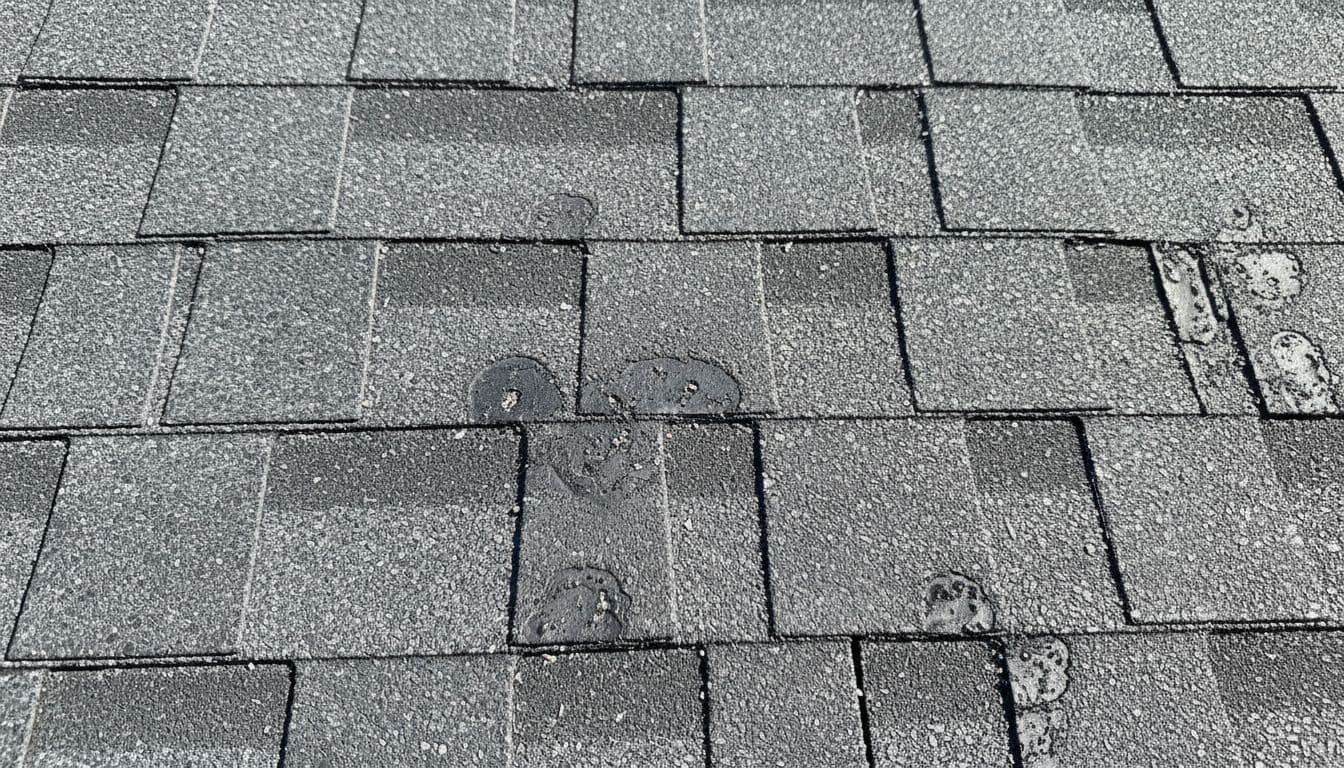
Think of an asphalt shingle like sandpaper glued over a flexible sheet. The granules protect the shingle, but they can shear off in small spots when hail hits at speed. With pea-size hail, the risk is less about obvious dents and more about micro-damage that stacks up over time.
For commercial business owners, this matters when you have:
- Low-slope accessory roofs covered with shingles (over entries, canopies, dormers).
- Steep-slope shingle sections on offices, churches, retail buildings, or multifamily properties.
- A roof that already has wear from sun, foot traffic, or past storms.
Small hail becomes more harmful when wind turns it into sideways projectiles. If the storm also drops debris, that adds impact points. Some helpful context on why smaller hail can still lead to problems is covered in this practical hail damage overview.
Conditions that raise the odds of “hidden” damage
Pea-size hail is more likely to leave behind subtle problems when these factors show up:
- Older shingles: Brittle mats and weakened adhesive strips crack easier.
- Cold weather storms: Colder asphalt doesn’t flex as well on impact.
- High, gusty wind: Wind-driven hail hits edges, corners, and ridges harder.
- Recent repairs or patchwork: Mixed shingle ages can create weak zones.
If you only look for missing shingles, you can miss the real story. With small hail, the roof often fails slowly, not all at once.
When pea-size hail usually doesn’t matter (and when it still might)
If shingles are newer, well-ventilated, and the storm had light wind, pea-size hail often leaves little to no functional damage. In those cases, you might only see minor scuffing on soft metals (vents, flashings) and no real shingle issues.
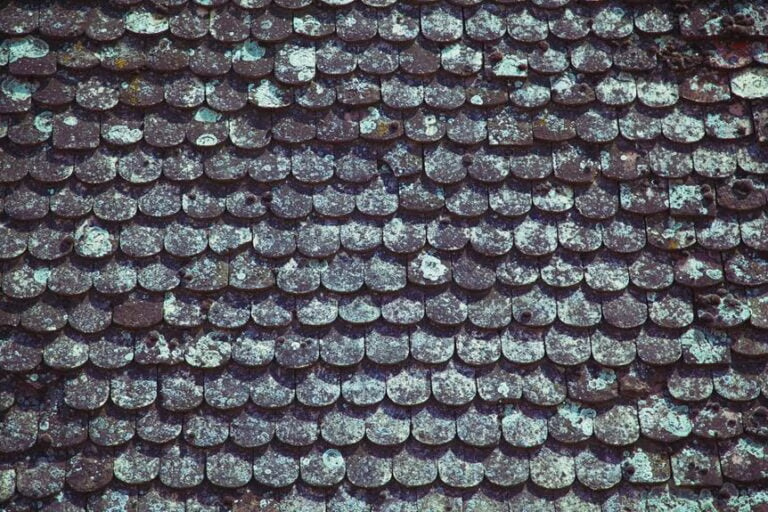
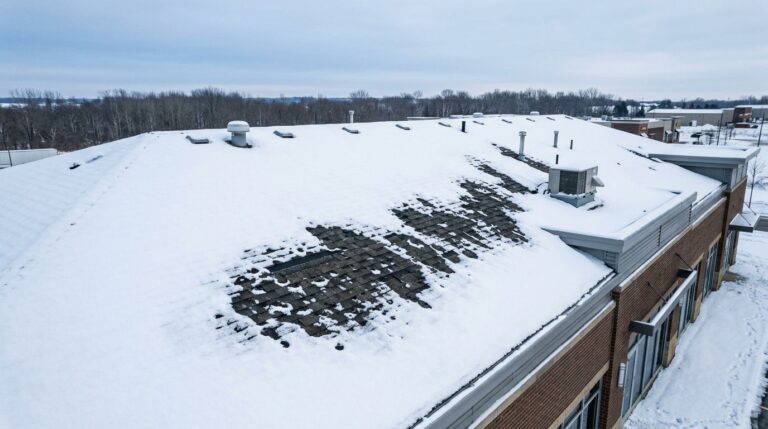
Still, don’t assume “no leaks today” means “no damage.” Hidden bruising can show up as scattered granule loss, dark specks, or soft spots you feel only when you’re close. A visual reference can help your team understand what inspectors look for in the field, including bruising patterns and granule loss, in this roof hail damage visual guide.
Step-by-Step
1) Triage the building the same day
- Walk the perimeter and check downspouts, window caps, and rooftop units for fresh dents or splatter marks. Those clues support that hail had enough force to matter.
- Look for shingle granules near downspout exits and on splash blocks. A sudden increase after a storm is a warning sign.
- Inspect interiors too, especially top-floor ceilings and exterior walls. Take photos of any stains, even if they look old.
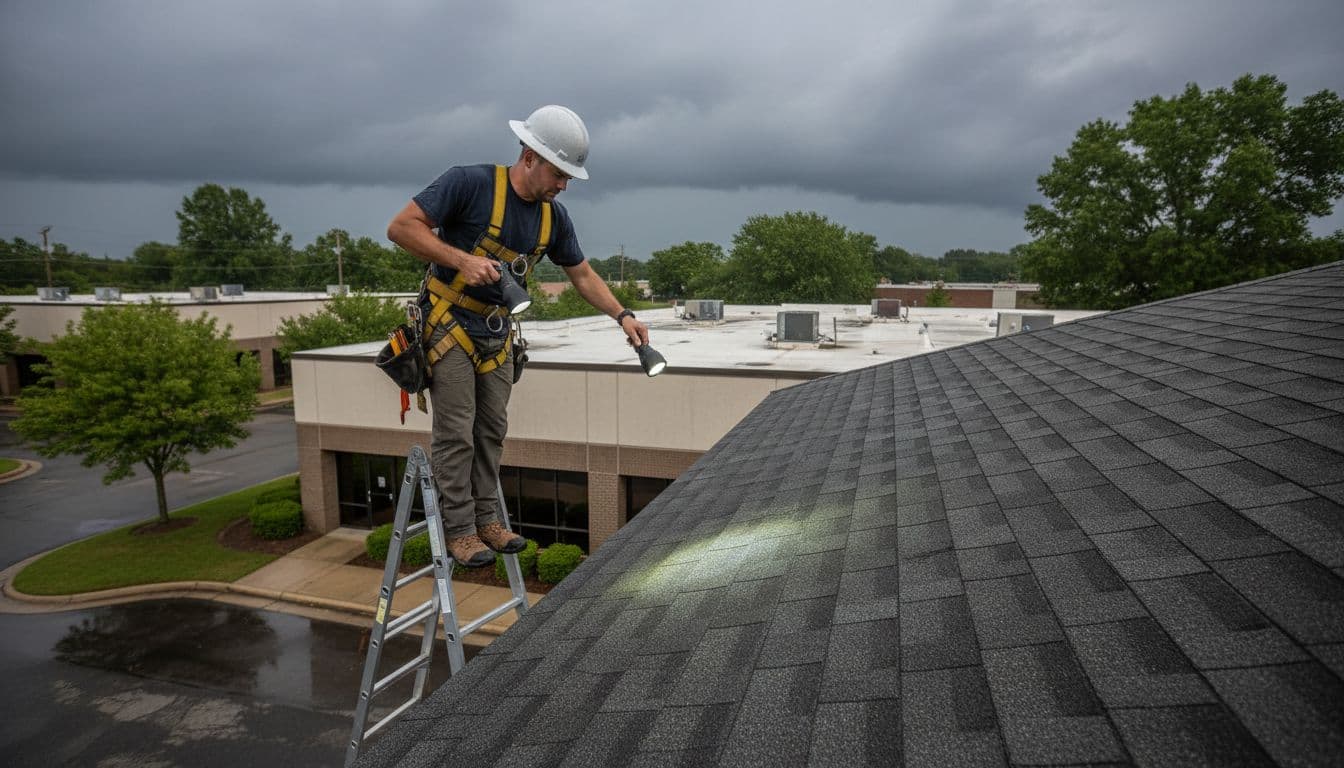
2) Do a safe, targeted roof check (without guessing)
- Keep people off the roof if it’s wet, steep, high, or not designed for foot traffic. A slip costs more than a service call.
- If access is safe, inspect “test squares” on each slope (ridges, corners, and the windward side first). Pea-size hail damage often clusters where wind focuses impact.
- Watch for random marks, not neat rows. Manufacturing marks repeat in patterns, hail doesn’t.
- Check soft metals and flashings for matching impacts. Correlated hits across multiple components make the case stronger.
3) Document like you may need to defend it later
- Record the storm date, time window, and any onsite observations (hail size, wind, duration). Keep it simple and factual.
- Take wide shots for location context, then close-ups with a coin or tape measure for scale.
- Photograph gutters, downspouts, vents, rooftop screens, and HVAC fins. Insurers often consider collateral impacts.
- Save receipts for emergency mitigation if you had to tarp, patch, or dry out areas.
A strong claim file looks boring: clear photos, consistent notes, and proof the marks aren’t old wear.
4) Decide: monitor, repair, or replace
- Monitor when marks are cosmetic, the shingle mat is intact, and granule loss is minimal. Recheck after the next heavy rain.
- Schedule repair when you find cracked tabs, displaced shingles, lifted seal strips, or exposed mat. At that point, commercial roof needs repair moves from a hunch to a real risk.
- Plan commercial roof replacement when damage is widespread across slopes, when the roof is near end-of-life, or when repeated storms have compounded wear.
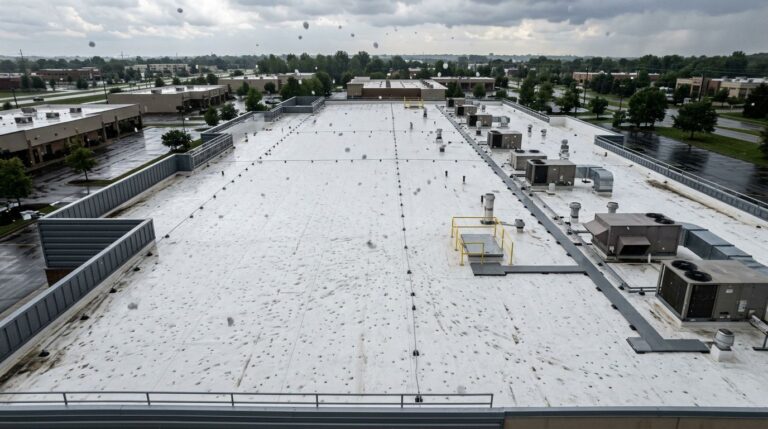
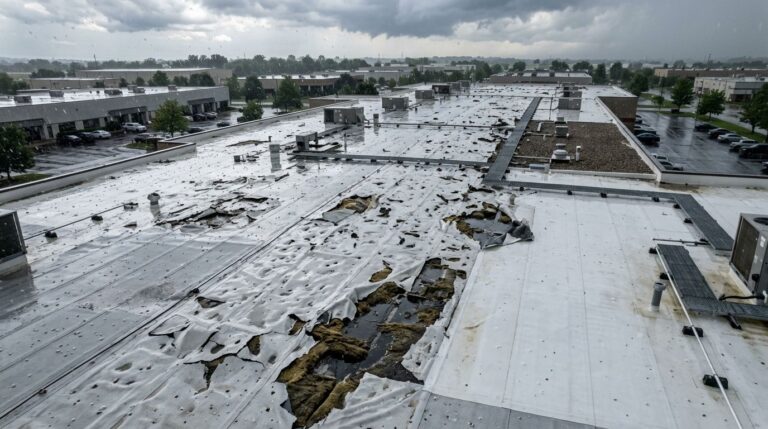
- If your property has mixed systems (shingles plus a membrane section), don’t ignore the flat areas. Hail can also trigger seams, punctures, or weakened details that later require commercial flat roof repair.
If damage is “borderline”
- Ask for a professional inspection that includes multiple test squares and annotated photos.
- Compare findings with roof age, ventilation, prior repairs, and leak history.
- Make the decision based on function, not appearances. A roof can look fine and still be compromised.
FAQs
How can I tell hail damage from normal shingle aging?
Hail damage usually looks random and sudden, while aging looks even and gradual. You might see scattered bruises, fresh granules at downspouts, or small fractures that weren’t there before. If multiple roof components show matching impacts, that also points to hail instead of wear.
What if the roof isn’t leaking right now?
Leaks often lag behind the storm. Bruised shingles can shed more granules with each rain, then UV speeds up breakdown. Over months, small weak spots turn into cracks and water paths. For commercial spaces, that delay is risky because inventory, tenants, and electrical runs can be below.
Can pea-size hail damage a newer architectural shingle roof?
It can, but it’s less common. Newer architectural shingles tend to resist small impacts better, yet wind-driven hail can still loosen seal strips or chip granules at ridges and hips. If your site had strong gusts, don’t assume the roof escaped just because the hail was small.
What should I avoid doing after a hailstorm?
Avoid sending untrained staff onto steep or wet roofs. Also avoid pressure washing shingles to “clean off marks,” because it can strip granules and make things worse. Finally, don’t wait months to document conditions; photos taken late are harder to defend.
If my building has shingles and a flat roof, should I handle inspections differently?
Yes. Shingles often show bruising and granule loss, while flat systems may show punctures at terminations, stressed seams, or damaged flashing at penetrations. A single storm can affect both areas in different ways, so your inspection should cover each roof type and its details.
Conclusion
Pea-size hail doesn’t always wreck a roof, but it can leave hail damage asphalt shingles in ways that stay hidden until the next season. Wind, cold, and roof age tip the odds toward bruising and early failure. Treat the storm like a paper cut on a finger: small, easy to ignore, and still capable of turning into a bigger problem if you don’t check it. If anything looks questionable, get it inspected and documented while the evidence is fresh.
Need a roof inspection in Saint Paul or the Twin Cities? Call Sellers Roofing Company at +1-651-703-2336 or schedule a free estimate. We are a black-owned, NMSDC-certified MBE roofing contractor with 9+ years experience.