Last updated: 2026-08-01 by Ted Sellers, Owner
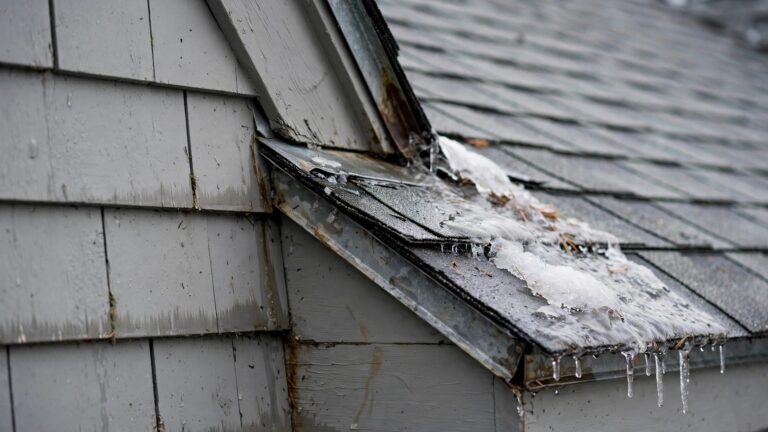
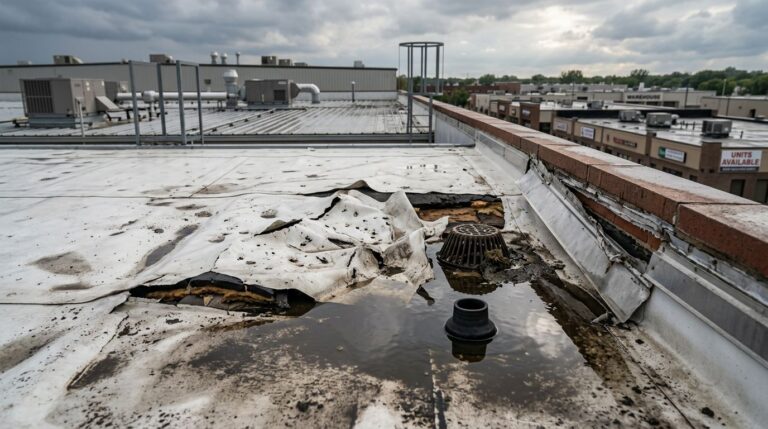
Start by inspecting the rubber pipe boots where they hug the pipe, then the base flashing where it meets the roof. Look for radial cracks, splits at the top edge, loose sealant, and lifting edges from freeze-thaw. On Minnesota commercial roofs, check after big temperature swings and after snow events, then document damage and schedule a repair before it turns into an active leak.
When This Applies
The right situations for a vent boot crack check
This check applies to any Minnesota building with roof penetrations, especially plumbing vent pipes on low-slope systems (TPO, EPDM, PVC, modified bitumen) and asphalt shingles on steep-slope sections over offices or retail. If you own or manage a property, a quick roof vent boot look-over can catch small problems before your ceiling tiles stain or insulation gets soaked.
It matters most when weather works the boot like a rubber band. Winter cold tightens materials, a sunny afternoon softens them, then the next freeze locks everything again. That cycle speeds up cracking, shrinking, and splitting. Sun exposure leads to UV damage that dries the rubber over time, even in cold climates.
Use this process when:
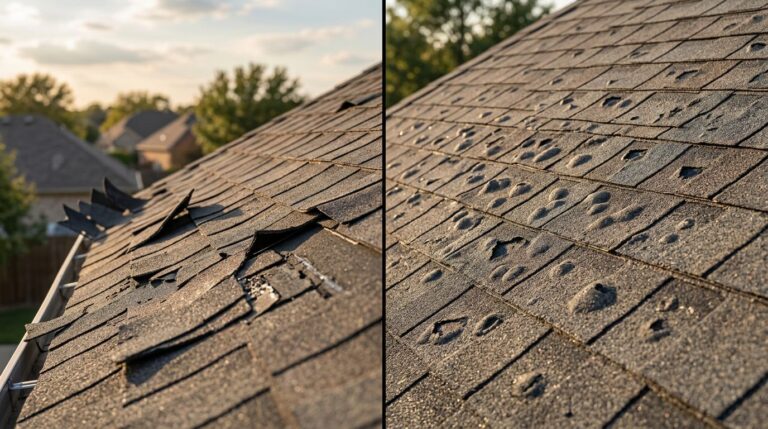
- You’ve had wind, hail, or rooftop service traffic near vents.
- You see unexplained drips or musty smells that could signal a roof leak, but the source isn’t obvious.
- Your team suspects the commercial roof needs repair, but you want a clear starting point.
For context on how roof flashing failures show up around penetrations, see these signs of failing roof flashing.
If someone “fixed” a cracked boot with a thick bead of caulk, treat it as temporary. A thick bead of caulk rarely restores a watertight seal; sealant can hide damage while water still tracks under the flashing.
When this does not apply (or when to call a pro)
If your roof is steep, icy, snow-covered, or has no safe access, skip the DIY approach. Also, if the leak path could be traveling across a low-slope deck, a visual check alone can miss the real entry point. In that case, it’s smarter to use a professional roofing contractor for a roof inspection as part of building maintenance, such as commercial roofing services in Saint Paul that include repair planning and documentation.
Edge cases that change the inspection
If the penetration is a hot flue (not a plumbing vent), the materials and clearances differ. Don’t treat it like a standard roof vent boot. Likewise, if the boot is integrated into a welded single-ply detail, avoid peeling or prying at edges because you can create the leak you’re trying to prevent.
Step-by-Step
Step-by-step roof vent boot crack inspection (commercial-friendly)
-
Pick the right day. Choose a dry, calm day above freezing when possible. If it’s February in Minnesota, wait for a safe period avoiding snow and ice. Rubber flex tests work best when the boot isn’t rock-hard.
-
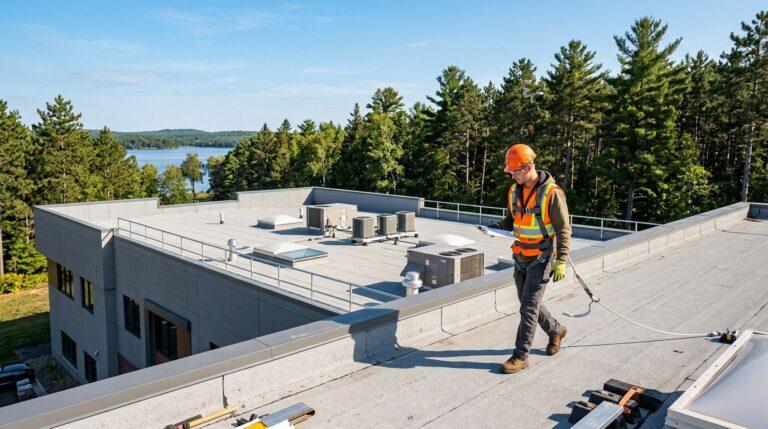
Use safe access and fall protection. Follow your building’s roof access rules. Use a spotter if you can. If you don’t have proper protection, don’t go up.
A roof vent boot is a small part, but a fall is a life-changing event. If access isn’t safe, schedule an inspection instead.
-
Bring a simple inspection kit. A bright flashlight, a phone for photos, thin gloves, and a small mirror handle most checks. Avoid knives or scrapers around membranes.
-
Locate every vent penetration. Walk the roof in a pattern (edge to edge). On commercial roofs, vents often cluster near mechanical areas, including plumbing vent pipes, radon exhaust vents, and common PVC pipes. Note each one so you don’t miss “the quiet vent” that still leaks.
-
Start with a wide visual scan. Look for ponding water stains, displaced walk pads, or debris packed against the boot. On low-slope roofs, dirt rings can show where water sits and stresses details.
-
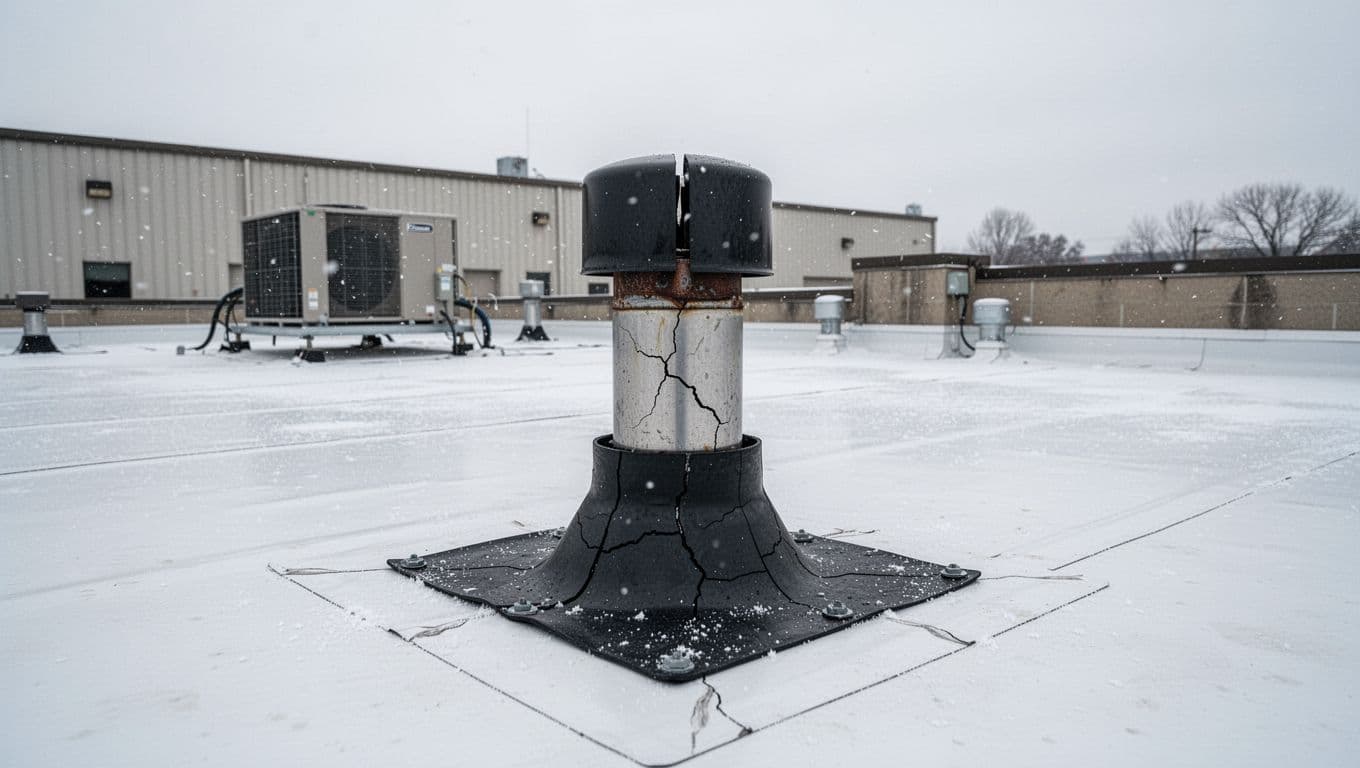
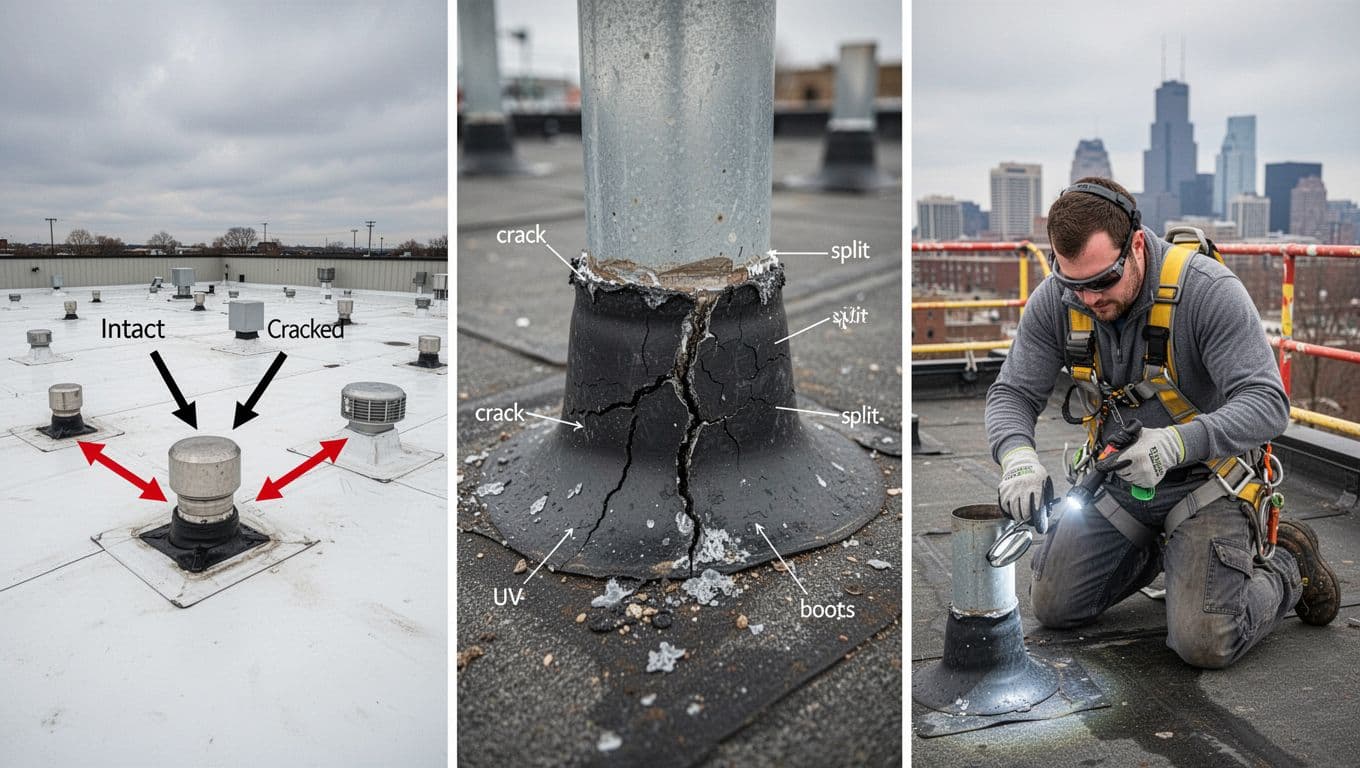
Inspect the collar where rubber meets pipe. This is the highest-stress zone on roof vent pipe boots. Watch for cracks and splits around PVC pipes:
- Hairline splits at the top edge
- Radial cracking around the pipe
- A collar that looks shrunken or pulled down
Boots vary by material and age, so it helps to understand common types and wear patterns. This overview of pipe boots and how to inspect them is useful when you’re comparing what you see on your roof.
-
Do a gentle flex test. With a gloved hand, lightly pinch and flex the rubber. Healthy rubber bends without opening cracks. Brittle rubber “checks” like dried mud. Stop if flexing starts a tear.
-
Check the flashing base and seams. On asphalt shingles, look for lifted shingles, exposed nail heads, or gaps where the boot base tucks under courses and around the metal base of the roof flashing. On TPO or other membranes, inspect the welded or adhered flange for fishmouths, edge lift, or punctures in the roof flashing. This is where a simple boot issue can become a bigger commercial flat roof repair.
-
Look for past repairs that can fail in winter. Pay attention to thick mastic smears, tape patches, or cracked roofing sealant. Freeze-thaw can pull sealant away from metal and plastic, leaving a thin channel for water.
-
Confirm clues inside the building. If you can, perform an attic inspection to check for water stains on ceiling panels or decking below the penetration. Water often travels, especially on low-slope roofs, so match roof photos with interior staining patterns.
-
Document and decide what “enough” looks like. Take close-ups and one wide shot showing location. If you see an open split, missing sealant, or lifted flange indicating severe damage requiring pipe boot replacement, treat it as urgent. Small defects can soak insulation fast, and that can push you toward a much larger commercial roof replacement conversation.
-
If the source isn’t clear, hire a professional roofing contractor. When water shows up far from the vent, you need diagnostics beyond eyeballing details. In that situation, schedule commercial roof leak detection in Saint Paul to pinpoint the breach before repairs multiply.
FAQ
Can my maintenance staff patch a cracked roof vent boot with sealant?
Roofing sealant can slow water, but it rarely restores a cracked collar on rubber pipe boots for long. If the rubber pipe boot is brittle, it keeps developing cracks and splits under the next cold snap. Use sealant only as a short stopgap, then plan a proper boot repair or replacement that matches the roof system.
When a temporary patch makes sense
If a storm exposes a split and you need to protect inventory overnight, a temporary patch helps. Just document it and schedule the permanent repair quickly.
What does a failing roof vent boot look like from the ground?
From the ground, you might only notice indirect signs, such as recurring ceiling discoloration, odor after rain, or wet insulation near a plumbing chase. Sometimes you’ll see cracked rubber if the pipe is near the edge and you have a clear line of sight, but most failures need a roof-level look.
How often should Minnesota commercial buildings inspect vent boots?
At least twice a year works well for most buildings with regular roof inspection and maintenance, typically in spring and fall. Add a quick roof inspection after hail, high wind, or major HVAC work. If your roof is older or has a history where your commercial roof needs repair, tighten the schedule.
Do ice dams affect roof vent boots on commercial roofs?
They can. Ice and refreeze cycles hold water in place longer, increasing stress at penetrations and edges. Ice dams are often tied to heat loss and air leaks as much as roof drainage. This guide on air leaks and ice dams explains why warm air matters, even when the roof looks fine.
What happens if I ignore small cracks around a vent pipe?
Small cracks or surface cracking often turn into a hidden roof leak first, not a dramatic drip, which shortens the boot’s service life. Wet insulation loses R-value, then operating costs rise. Over time, repeated moisture can rot decking, rust fasteners, and spread staining across finished spaces. In other words, a small boot issue can trigger a much bigger repair scope.
A roof vent pipe boot check is quick, but it pays off when Minnesota weather turns harsh. Focus on the collar of your roof vent pipe boots and flashing boots, the roof flashing base around asphalt shingles, and any lifted seams in the roof flashing, then document what you find. When cracks show up, acting early protects insulation and operations, maintains a watertight seal, and helps you avoid rushed DIY roof repair or an expensive commercial roof replacement later.
Need a roof inspection in Saint Paul or the Twin Cities? Call Sellers Roofing Company at +1-651-703-2336 or schedule a free estimate. We are a black-owned, NMSDC-certified MBE roofing contractor with 9+ years experience.