Last updated: 2026-08-01 by Ted Sellers, Owner
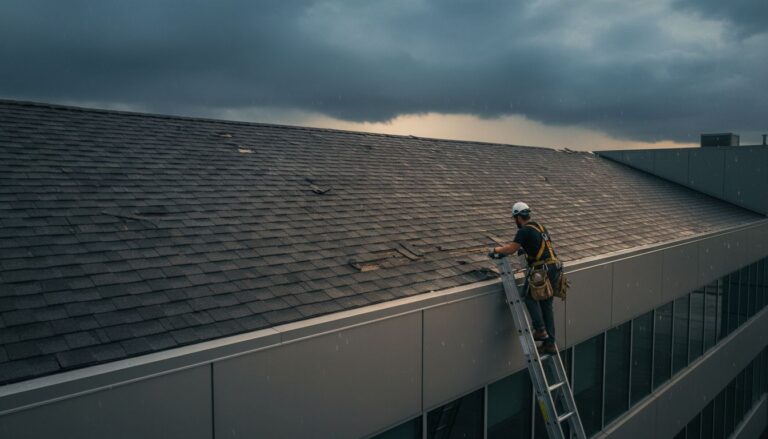
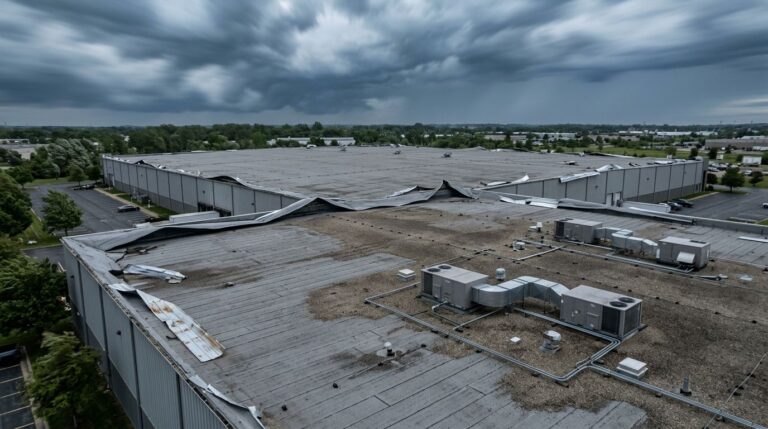
Yes. An insurer can require an engineer inspection during an insurance claim if they question the cause, extent, or repairability of the loss. When an adjuster is unsure about the origin of the damage, they will often order a professional roof hail damage inspection to determine if the issues were caused by a recent weather event or simply by long-term storm damage. This process is common on older roofs, metal systems, and commercial flat roofs, where natural wear, past repairs, or foot traffic can often be mistaken for hail impacts.
The engineer’s report carries significant weight in the claims process, but it is not the final word on your settlement. You still have the right to challenge their findings by providing your own professional inspection, detailed photos, moisture mapping data, and a more accurate scope of repairs.
Key Takeaways
- Insurers may mandate an engineer: When a carrier disputes the cause, extent, or functionality of roof damage, they often assign an engineer to differentiate between legitimate storm impacts and pre-existing issues like aging, shrinkage, or wear.
- Functional vs. cosmetic damage is critical: The central focus of an inspection is identifying functional damage that compromises the roof’s integrity, such as mat fractures, punctures, or seam failures, rather than aesthetic blemishes like simple dents or minor granule loss.
- Proactive documentation is essential: Policyholders should never rely solely on the carrier’s engineer; hiring an independent professional to conduct a pre-inspection, gather moisture data, and provide detailed photographic evidence is vital to challenging unfavorable findings.
- Handle temporary repairs with care: Emergency mitigation is necessary to protect your property during a leak, but all temporary work must be documented and photographed to ensure evidence of the original loss is not inadvertently destroyed.
When This Applies
Claims most likely to get an engineer review
This usually applies when the insurance adjuster identifies a dispute rather than clear, undeniable damage.
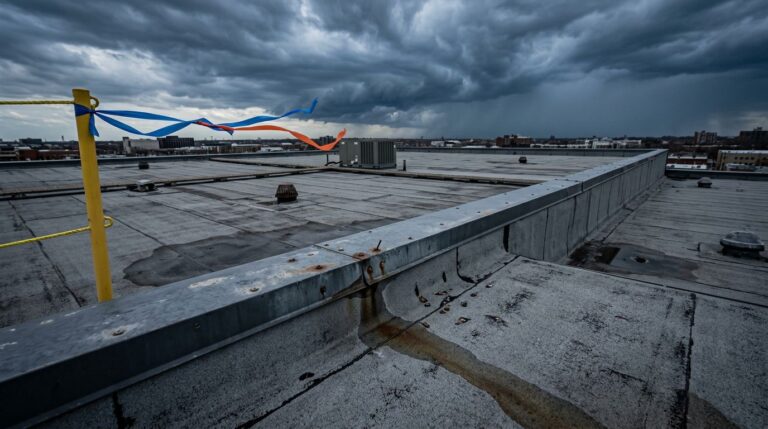
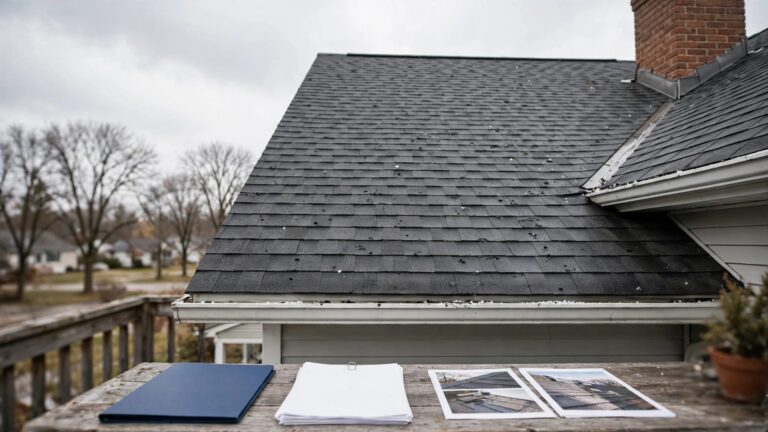
On a commercial flat roof, this includes TPO roofing, EPDM, modified bitumen, or BUR systems featuring marks that could be attributed to hail, natural aging, shrinkage, punctures, or previous repair work. For residential properties, the request often arises with asphalt shingles or metal roofing where the insurance carrier argues the impacts are merely cosmetic or pre-existing conditions.
Engineers are also frequently brought in when the roof is older, the reported storm date is unclear, or the building has a significant repair history. A roof insurance claim receives much higher scrutiny when the carrier suspects leaks may have originated before the storm occurred.
When it usually does not apply
Not every claim requires an engineer.
If a recent storm caused obvious issues like missing shingles, wind damage, dented soft metals, cracked skylights, or opened seams, the adjuster may assess the damage without outside help. The same is true when both parties agree that limited commercial roof repair or residential roof repair is sufficient to resolve the issue.
A straightforward loss with a verifiable date and a clean set of photos often remains simple to process.
Minnesota edge cases that change the review
In Minnesota, roofs affected by multiple causes are common. While hail damage may be legitimate, the impact of winter stress is often a major factor as well.
Freeze-thaw cycling, attic moisture, heavy snow loads, and even rough ice dam removal can cause significant damage to flashing and roofing edges. That matters in Saint Paul roofing, Minneapolis roofing, and wider Twin Cities roofing claims because a carrier may argue the roof failed due to winter conditions rather than a summer storm. When assessing these losses, factors such as hailstone size and local weather patterns are analyzed to determine the primary cause of failure. Owners should be aware that the need for a roof repair is often debated in these complex scenarios, and third-party engineer referrals in homeowner hail claim discussions are not unusual.
What the engineer is trying to answer
Cause, function, and scope
An engineer is usually there to answer three questions. What caused the damage? Does it affect roof function? How much of the roof is involved?
That sounds simple. It rarely is.
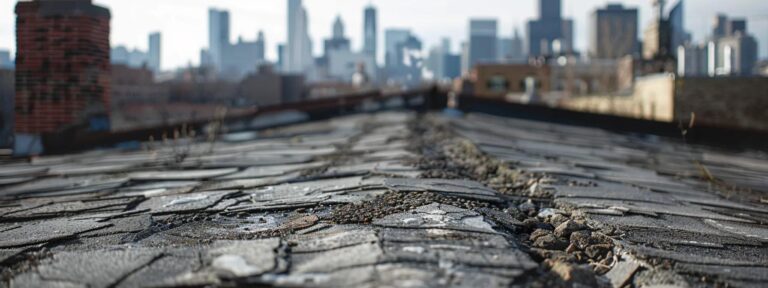
A hail damage roof claim is not automatically a replacement claim. On metal roofing, dents alone may not be enough if seams, protective coatings, clips, and drainage still work. In these cases, the engineer distinguishes between cosmetic damage and true functional damage. On asphalt shingles, granule loss by itself does not prove hail. The report should look for shingle bruising, mat fracture, torn tabs, and fresh impact patterns.
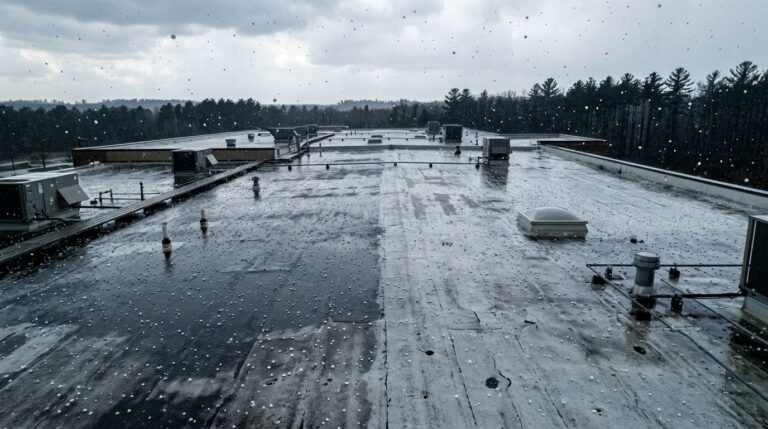
Low-slope systems are even trickier. A thorough roof hail damage inspection on TPO roofing, EPDM, modified bitumen, or BUR should check for punctures, flashing splits, membrane stress, and wet insulation below the surface. A professional roof hail damage inspection must identify whether the integrity of the system is compromised, rather than simply noting aesthetic imperfections.
Not every mark is storm damage. Structure Tech’s take on hail damage claims makes that point bluntly, and carriers know it. The real issue is functional damage, not merely cosmetic damage or rough-looking surfaces.
Step-by-Step
1. Read the carrier’s reason for the engineer
Ask the insurer, in writing, why it assigned an engineer.
You want the exact question under review. Is it cause of loss, repair versus replacement, cosmetic versus functional damage, or the age of the roof? Ask for the insurance adjuster’s estimate and notes too. If you only compare total dollars, you miss the real fight.
That written reason frames the whole inspection.
2. Stop the leak, not the evidence
If you are experiencing water intrusion, protect the building now. Use temporary measures only.
That can mean tarping, interior containment, drain clearing, or a small patch that keeps a roof leak from getting worse until the site visit. If the roof is actively leaking, Call 651-703-2336 for 24/7 Emergency Roofing.
A tarp protects the building. A tear-off destroys evidence.
What temporary work is fine
Take dated photos before and after the emergency work. Save receipts. Keep removed material only if safety allows.
Do not coat over impact marks. Do not discard wet insulation without documenting it. Do not let a fast patch turn into permanent work before the carrier sees the loss. That is where good claims get muddy.
3. Order your own inspection before the site visit
Do not let the engineer be the only technical voice on the roof.
You should hire a professional roofing contractor to conduct a thorough evaluation before the carrier arrives. A strong commercial roof inspection should include photos, measurements, and moisture findings, not vague opinions. On homes, the same rule applies. If you need a professional assessment, Get a Free Commercial Roof Inspection. A useful report for residential roof replacement or residential roof repair should tie the damage to specific slopes, accessories, and dates.
4. Build a claim file with functional proof
Think like the report will be challenged, because it might be.
Collect wide photos, close-ups, storm-date records, interior leak photos, tenant or staff notes, and a marked roof plan. On a storm damage roof, location and pattern matter. Include a video walkthrough of the site to provide context. Document specific collateral storm damage like dented gutters, cracked shingles, damaged roof vents, and compromised underlayment.
For a commercial flat roof, document seams, penetrations, parapet walls, edge metal, drains, rooftop units, and any interior wet spots below them. The goal is not more photos. It is better photos.
5. Meet the engineer on site with your roofer
Never treat the engineer visit as a private meeting between the carrier and the roof.
Have your contractor or consultant there. Walk the roof component by component. On TPO roofing, EPDM, modified bitumen, and BUR, ask where the engineer sees membrane damage, flashing damage, and moisture spread. On shingles, ask what impact criteria they are using. On metal, ask whether the issue is cosmetic only or functionally changed seams, clips, or drainage.
Push for one more thing. Ask them to identify impact marks and separate fresh storm hits from old wear, prior patches, or maintenance defects. Mixed-cause language is where many reports turn vague.
6. Respond to the report before you approve permanent work
Get the report. Compare it line by line to your own findings.
If the engineer says the roof can be repaired, test that against the actual system condition. Localized punctures may support commercial roof repair. Broad wet insulation, repeated seam failure, or failed attachment across connected sections may support commercial roof replacement. The same split applies on homes. A few damaged areas may support residential roof repair, while brittle shingles across multiple slopes may justify residential roof replacement. If you feel the report is inaccurate, you may need to hire a public adjuster to advocate for your position.
When repair turns into replacement, and when it does not
A claim can move from repair to replacement after tear-off reveals hidden saturation, crushed edge metal, or code-required upgrades tied to the covered loss. That is a supplement issue, not gamesmanship.
But the carrier usually does not owe for elective commercial roof restoration or commercial roof coatings if the covered damage can be repaired directly.
If you are hiring in Minnesota roofing markets, ask for claim-ready documentation, not sales talk. Many owners prefer union-built roofing crews on occupied buildings. Sellers Roofing Company works under MN License 803862, carries GAF certified status, and works with IUPAT Local 96 roofers.
Conclusion
The bottom line
Yes, insurance can request an engineer for roof hail damage. This request is common when the carrier disputes the cause of the damage, the functionality of the materials, or the total scope of the project.
Whether the final resolution leads to a full roof replacement or a more localized roof repair, the success of your insurance claim depends on the documentation behind your property. To protect your interests, prioritize securing the building, keep any initial repairs temporary, obtain an independent inspection, and provide the engineer with clear, professional evidence. Ultimately, maintaining a comprehensive and organized file is often more influential than the initial opinion provided by the adjuster.
FAQ
Can the insurer deny the claim if the engineer says the damage is cosmetic?
Yes, especially on metal systems that have specific cosmetic damage exclusions. However, that is not the end of the issue. If the dents have compromised the seam performance, protective coating, or drainage of the material, the damage may still be classified as functional. Distinguishing between cosmetic and functional damage is a primary goal for the engineer during their assessment.
How do engineers view impact-resistant shingles?
Engineers often evaluate impact-resistant shingles by testing whether the material successfully prevented the underlying structural components from sustaining damage. Even if the shingles are rated for high impact, an engineer will inspect for signs that the hail caused material fatigue or compromised the water-shedding capability of the roof system.
Should I let my maintenance team repair the roof before the inspection?
Temporary protection is fine. Permanent repair is risky before the roof is documented.
If the building is taking on water now
Use emergency dry-in work, interior protection, and short-term patches. Keep photos, receipts, and notes so the carrier can still see the original condition.
What if the leak is far from the hail strike?
That happens often, and it is a common point of contention during an insurance claim. Water can travel along seams, insulation, and deck flutes before it appears inside. Because of this, it is vital to document all evidence of storm damage to show the full extent of the issue. A ceiling stain marks the exit point, not always the entry point. That is why low-slope claims need tracing, not guesswork.
Does this happen only on commercial roofs?
No. It happens on both homes and commercial buildings. Commercial claims see it often because membrane roofs hide moisture well. Residential claims get engineer review too, especially with older asphalt shingles, metal roofing, or disputed storm dates. Inspections are also frequently triggered by a mix of wind damage and hail to determine the total scope of the necessary repairs.
Can a second inspection change the outcome?
Yes. A later inspection can uncover wet insulation, hidden flashing failure, or a broader damaged area than the first visit showed. That is how a small repair scope can turn into a supplement, a broader commercial roof replacement, or a better-supported residential claim.
Need a roof inspection in Saint Paul or the Twin Cities? Call Sellers Roofing Company at +1-651-703-2336 or schedule a free estimate. We are a black-owned, NMSDC-certified MBE roofing contractor with 9+ years experience.