Last updated: 2026-08-01 by Ted Sellers, Owner
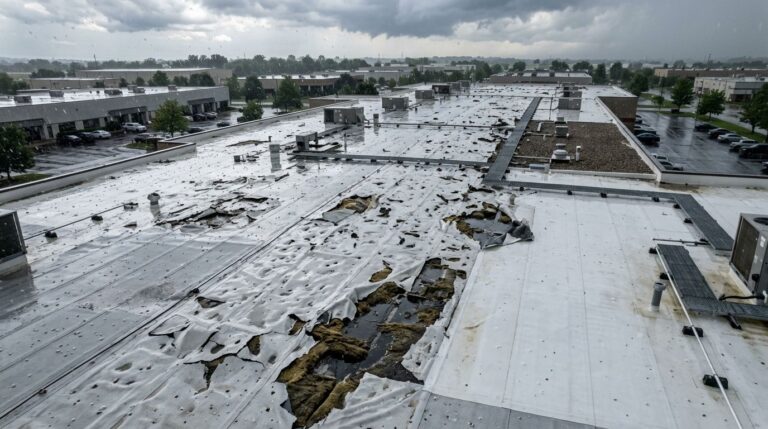
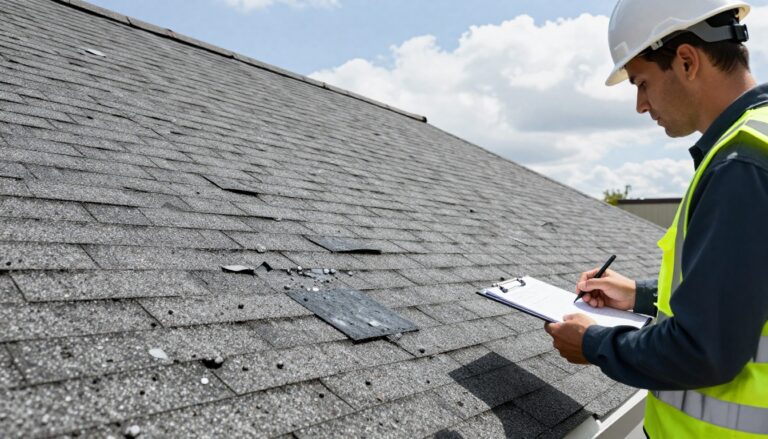
Yes. Wind can damage roof flashing without pulling off shingles. Flashing is thinner, more exposed, and often fails first at roof edges, walls, curbs, and penetrations. On commercial buildings, wind may loosen coping or counterflashing while the main roof surface still looks intact, which can let water in before obvious shingle or membrane loss appears.
When This Applies
When intact shingles can hide flashing damage
This applies after strong winds, passing storms, or long gusty periods, especially on buildings with roof edges, parapet walls, HVAC curbs, and wall transitions. In those spots, metal flashing acts like trim around a door. If the trim peels back, rain can slip inside even when the door still looks closed.
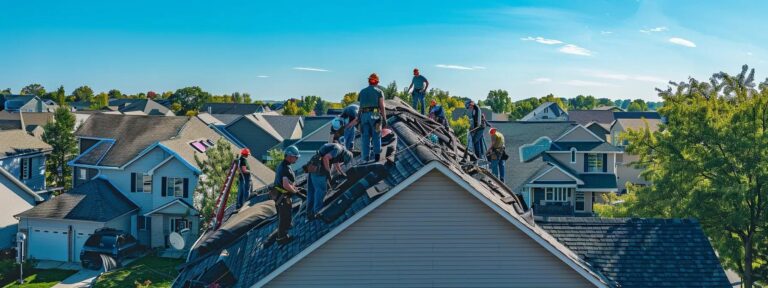
On sloped roof sections, shingles may stay sealed while step flashing or drip edge lifts. On low-slope systems, the same idea shows up as bent coping, loose counterflashing, or pulled edge metal. That’s why many owners miss the problem at first.
If you manage an office, warehouse, retail site, or mixed-use property, Saint Paul commercial roofing services can inspect these trouble spots after a storm and document what moved.
When it may not be wind alone
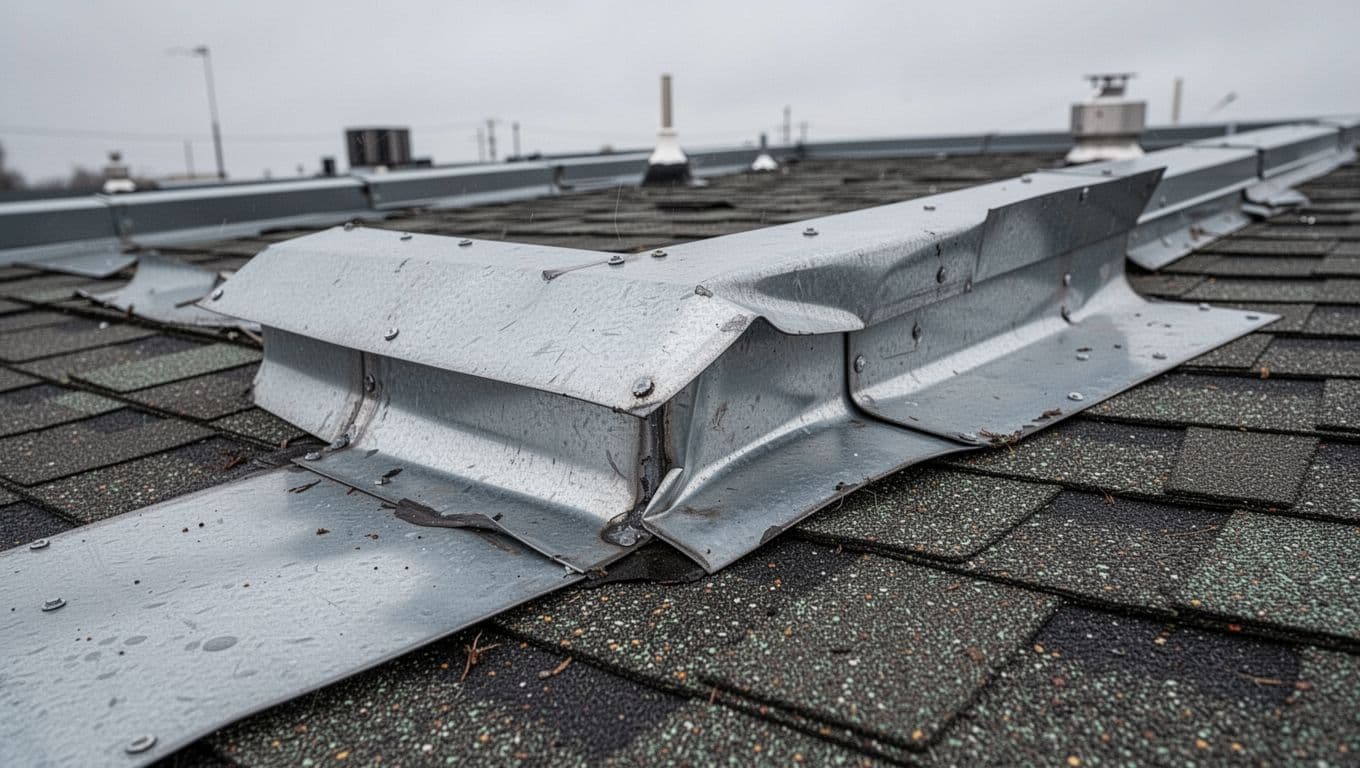
Wind is often the trigger, but it isn’t always the whole story. Old sealant, rust, bad fastener placement, and past repairs can weaken flashing before any storm arrives. Then one windy night finishes the job.
That matters for claims and repair plans. If metal is corroded across the whole roof edge, the issue may be age more than one storm. If only one corner lifted after gusts, wind is a stronger suspect.
Edge cases that need faster action
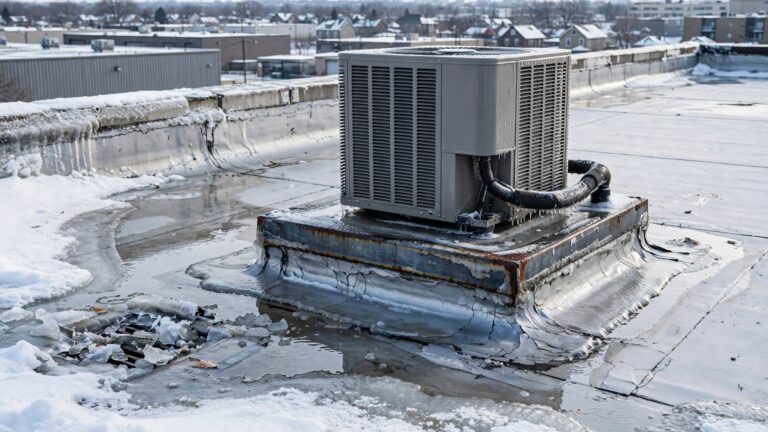
Move fast if you hear metal rattling, see lifted edge trim, notice stains near exterior walls, or find water around rooftop units. At that point, your commercial roof needs repair, even if no shingles are missing and the roof field still looks fine.
Step-by-Step
How to respond after a wind event
Don’t wait for a dramatic failure. Flashing problems often start small, then spread during the next rain.
- Check the building from the ground first. Look for lifted edge metal, bent coping, loose trim, or metal pieces near downspouts and entrances. Take photos of each elevation.
- Check inside the building next. Water stains at top-floor walls, damp ceiling tiles, and drafts near parapets often point to flashing failure before a main roof leak becomes obvious.
- Protect stock and work areas right away. Move inventory, cover sensitive equipment, and block off wet spots so a small leak doesn’t become an operations problem.
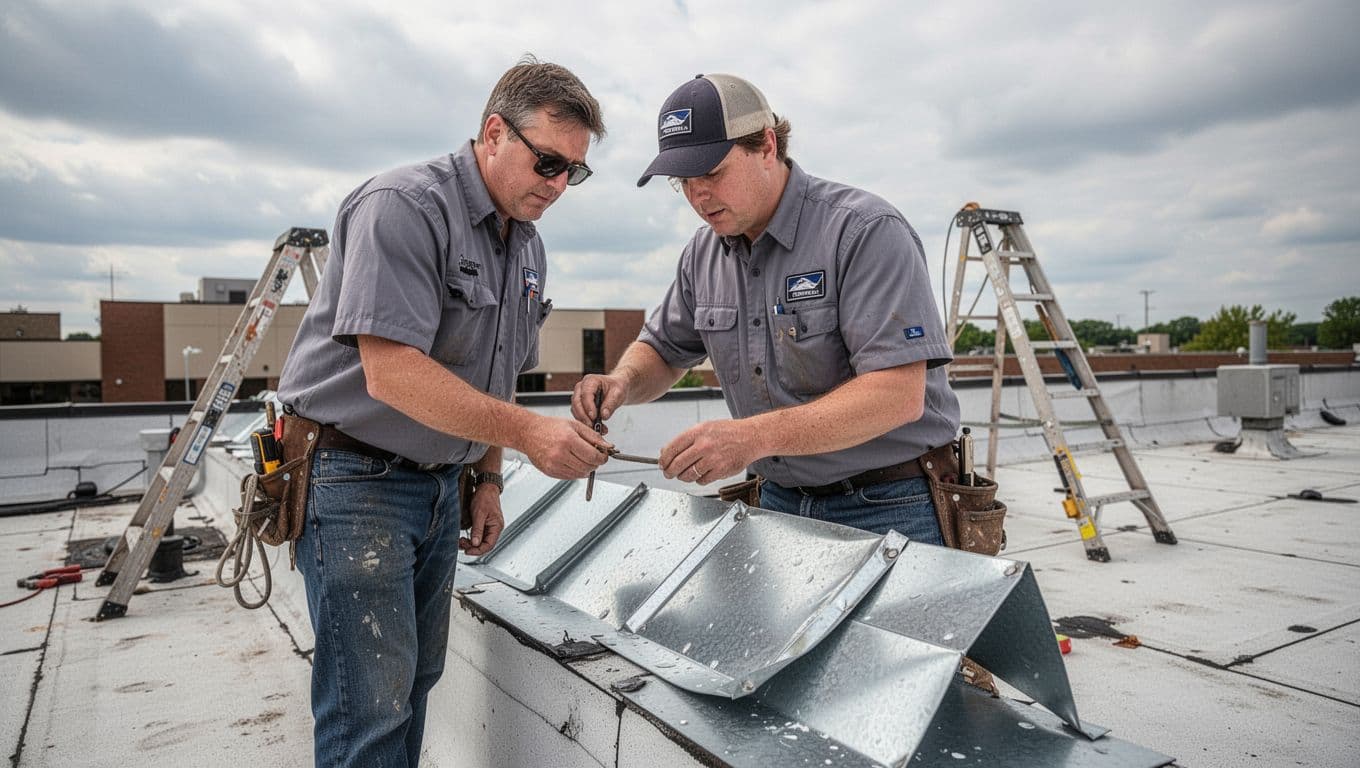
- Get the roof inspected before anyone guesses at the source. Water can travel far on low-slope roofs, so commercial roof leak detection in Saint Paul helps locate the real entry point instead of the spot where water shows indoors.
- Repair the flashing system, not only the stain below it. That may mean re-fastening edge metal, replacing failed sections, fixing adjacent membrane seams, and sealing exposed fasteners. In many cases, this is a focused commercial flat roof repair, not a full tear-off.
- Compare repair cost with remaining roof life. If damage is isolated and the roof is still sound, repair makes sense. If wet insulation, repeat leaks, or wide edge failure show up, commercial roof replacement may be the better long-term move.
FAQ
Will insurance cover flashing damage if no shingles are missing?
Sometimes, yes. Coverage often depends on proof that wind caused sudden damage. Photos, inspection notes, and timing matter. Missing shingles are not the only valid sign of storm damage.
How fast can flashing damage turn into a leak?
Sometimes within the same storm. A small gap at the edge or wall can let wind-driven rain enter right away. In other cases, the leak shows up later after repeated rain or snowmelt.
Can a flat roof have the same problem without shingles at all?
Yes. Flat and low-slope roofs often fail at edge metal, coping caps, termination bars, and counterflashing. The membrane may look fine while the perimeter metal lifts and opens a path for water.
Why this matters on parapet walls
Parapet edges catch wind hard, so loose coping can become a leak source fast.
Should I wait for water stains before calling a roofer?
No. By the time stains appear, water may already be in the insulation or wall assembly. Early inspection costs less than repairing soaked materials, damaged ceilings, or tenant complaints.
What happens if the first repair only adds sealant?
You may only hide the problem for a short time. If flashing is loose, warped, or poorly fastened, sealant alone often fails again. The metal has to be secured or replaced.
The bottom line
Wind can damage flashing long before shingles blow off. That’s why a roof can look fine from the parking lot and still leak at the edge, wall, or curb.
If recent winds hit your property, act before the next storm tests the same weak spot. A prompt inspection can keep a small flashing issue from turning into a much larger repair bill.
Need a roof inspection in Saint Paul or the Twin Cities? Call Sellers Roofing Company at +1-651-703-2336 or schedule a free estimate. We are a black-owned, NMSDC-certified MBE roofing contractor with 9+ years experience.