Last updated: 2026-08-01 by Ted Sellers, Owner
Use the ground first, not the roof. A safe roof hail damage inspection relies on binoculars, drone photos, metal impact clues, interior moisture signs, and, when needed, infrared or electronic testing. This works best when shingles are steep, brittle, wet, old, or part of a larger commercial property where foot traffic could create more damage.
When This Applies
Best fit for fragile, steep, or storm-hit roofs
This method fits commercial owners and property managers who oversee buildings with shingle roof sections, such as offices, churches, retail sites, and multi-unit properties. It also fits mixed-roof buildings, where a steep shingle area meets a low-slope section.
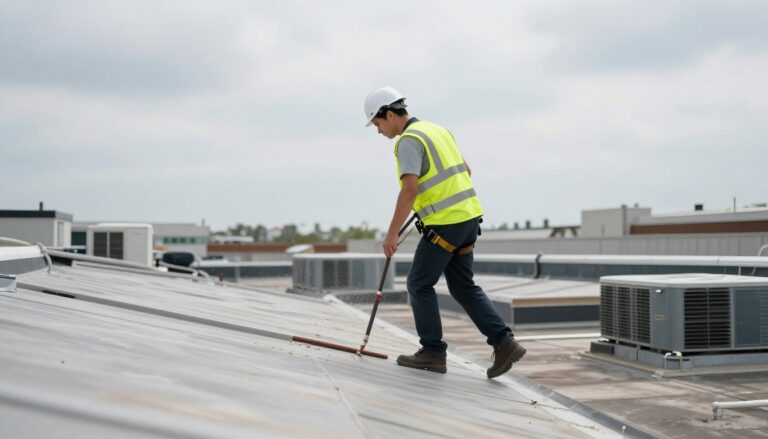
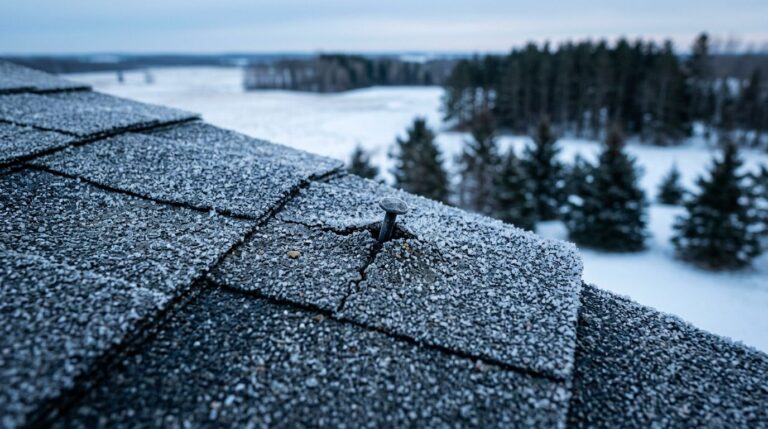
Use it right after a hailstorm, especially when the roof is wet or cold. In those cases, walking shingles can scuff granules, crack tabs, or create a safety problem. Older shingles are like dry crackers, one wrong step can leave a mark that looks like storm damage.
If shingles are wet, brittle, steep, or aging, walking them can turn a storm claim into a self-made repair.
Buildings with mixed roof systems
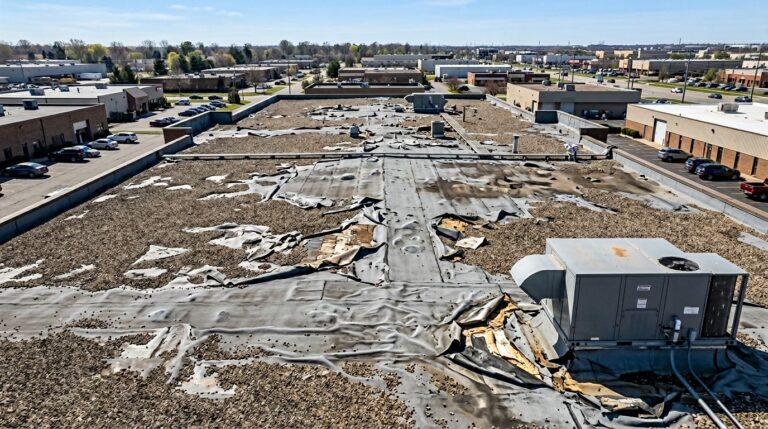
Many commercial properties have more than one roof type. The street-facing slope may have shingles, while the rear section has TPO or another membrane. In that case, hail can bruise shingles on one area and create punctures or seam issues on another, which may lead to commercial flat roof repair.
When remote inspection is not enough
Remote checks are a smart first pass, not the final word for every case. If you see sagging, exposed decking, torn flashing, broken skylights, tree impact, or active leaks inside, bring in a pro fast.
Hidden moisture is another exception. A ceiling stain may show up far from the roof opening, especially on low-slope sections. If signs point that way, leak detection after hail damage can help trace the real source. Also, if damage covers many slopes or multiple roof areas, the discussion may shift from spot work to commercial roof replacement.
Step-by-Step
Use this order for a safe roof hail damage inspection
-
Start with the storm record. Note the storm date, hail size, wind direction, and which sides of the building took the worst hit. Then gather photos of cars, metal fences, gutters, and HVAC covers if they show fresh dents. That context matters because hail rarely damages only one thing.
-
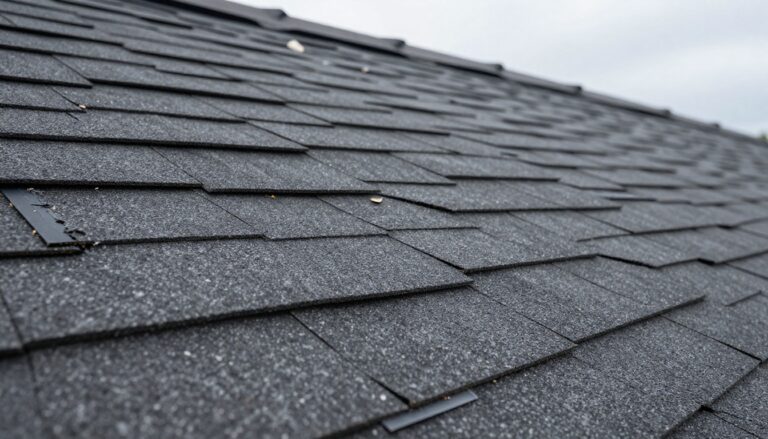
Inspect from the ground with binoculars. Focus on roof edges, valleys, ridges, vents, flashing, and downspouts. Look for dark bruised spots, missing granules, cracked tabs, or shiny new hits on metal. Random impact patterns often point to hail, while even wear usually points to age.
-
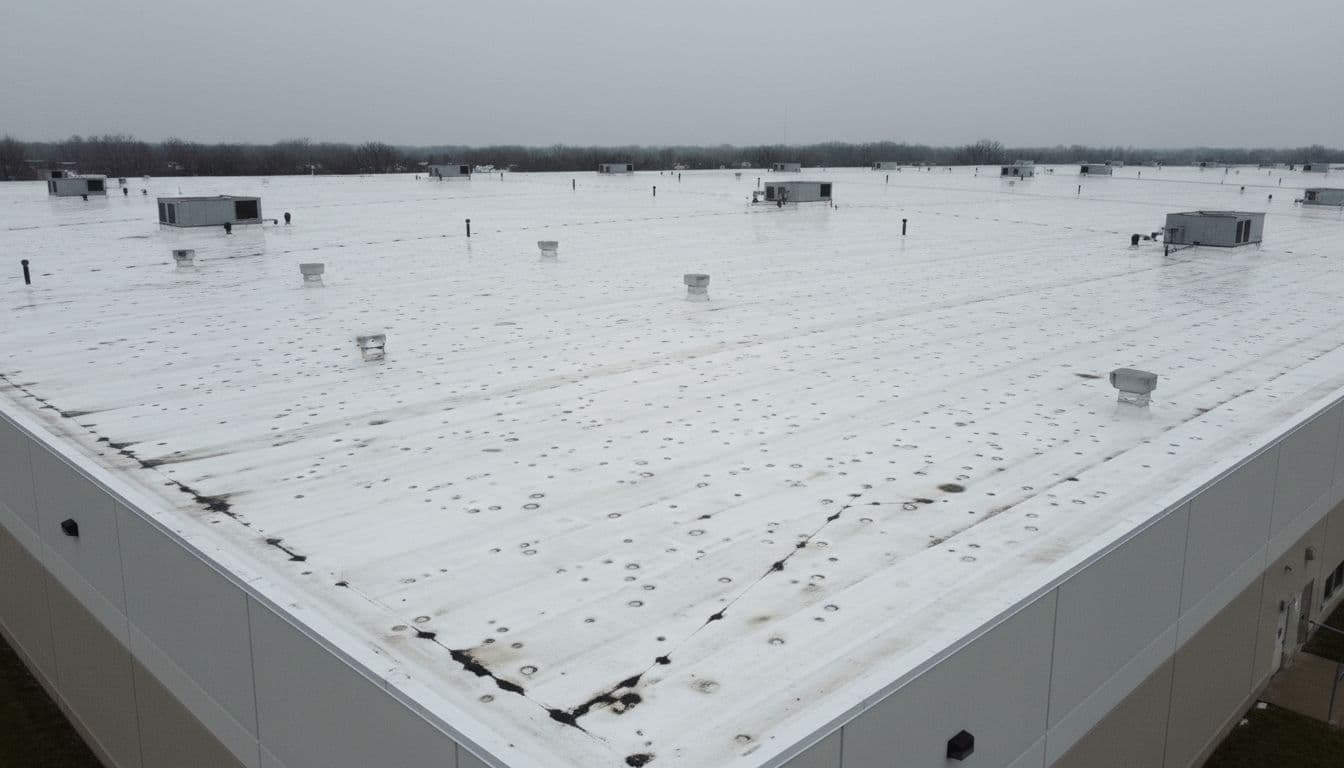
Use a drone or pole camera for close views. Take straight-on photos of each slope, then add low-angle shots that catch texture and granule loss. Keep the flight path consistent so you can compare one slope to another and build a clean photo record.
-
Check collateral damage on soft metals. Hail often leaves dents on vent caps, metal flashing, gutter fronts, AC fins, and roof accessories before you can clearly see shingle bruising. Those metal hits help confirm timing and storm direction. They also help separate fresh impact from old wear.
-
Inspect the building interior. Look above ceiling tiles, near roof penetrations, and along upper walls for stains, damp insulation, mold odor, or wet decking. If your commercial roof needs repair, indoor clues often show up before the roof surface tells the whole story. On larger buildings, a trusted commercial roofing company in Saint Paul can match exterior evidence with moisture mapping and repair scope.

-
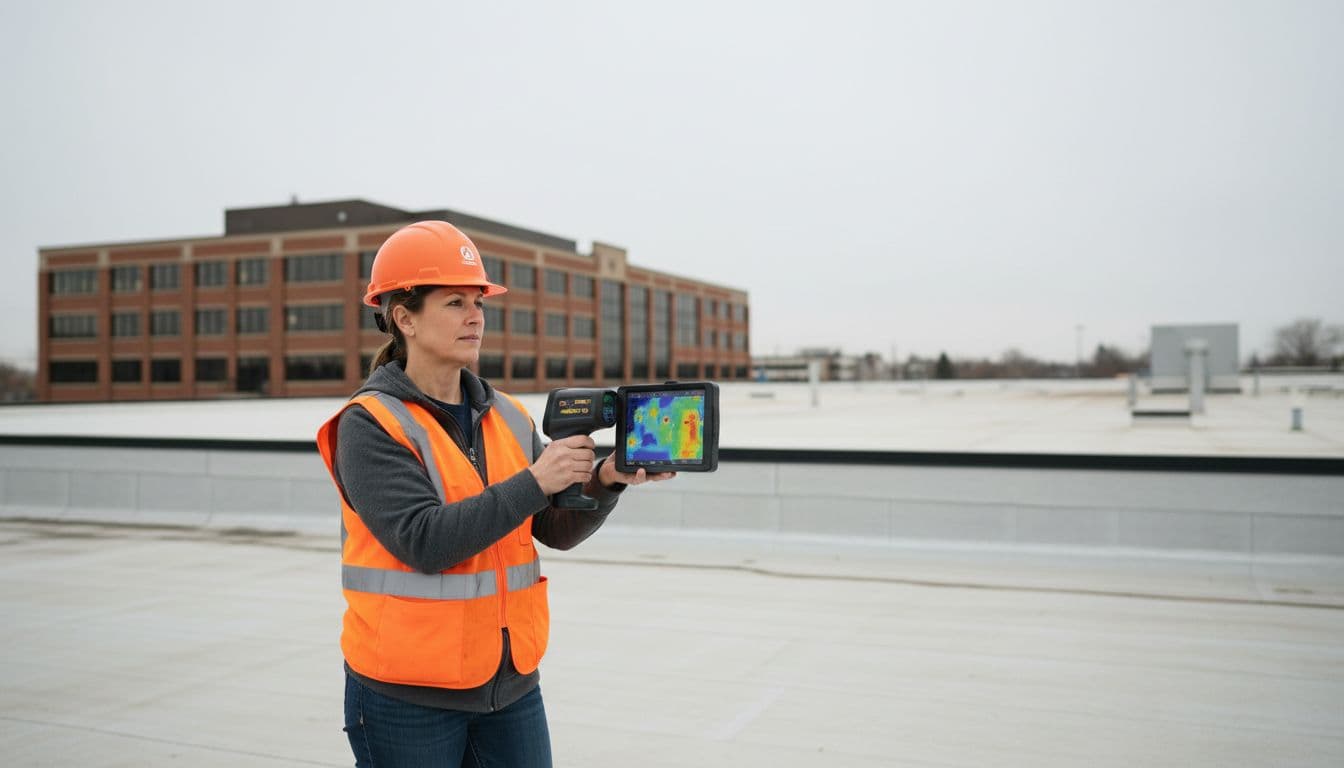
Decide whether the damage is isolated or widespread. A few bruised shingles or one leak point may call for targeted repair. Split tabs, broad granule loss, repeated leaks, or wet insulation across several areas point to a larger problem. On mixed buildings, one section may need shingle work while another needs membrane repair, and broad damage may make a full replacement the better financial move.
Frequently Asked Questions
Can binoculars really show hail damage on shingles?
Yes, they can show patterns and problem zones. Still, they won’t confirm every bruise, so use them to narrow the search before you rely on drone photos or a roofer’s report.
What if the roof is wet, icy, or below freezing?
Don’t walk it. Cold shingles crack more easily, and wet granules lose traction fast, so remote inspection is the safer choice until conditions improve.
Will drone photos help with an insurance claim?
Yes, especially when the images are clear, dated, and tied to each roof slope. They strengthen your file because they show the condition without added foot traffic.
What carriers usually want
Most carriers also want notes on metal impacts, interior signs, and repair recommendations. In other words, drone photos help a lot, but they work best as part of a full damage record.
How do I tell hail damage from normal aging?
Hail damage is usually random and fresh-looking. Aging tends to be more even, and it often shows long-term wear, curling, or general granule loss without matching dents on nearby metal.
What happens if hail hit both shingles and flat roof areas?
Treat each roof type on its own. Shingles may bruise or crack, while membranes may puncture or trap moisture. That split matters because one area may only need repair, while another may point to broader restoration.
Should I wait for a leak before taking action?
No. Hail damage can sit quietly for months, then show up after the next heavy rain. Early documentation gives you better repair options and helps limit interior damage.
Final Takeaway
What to do next
You don’t have to walk shingles to spot meaningful hail damage. Start wide, document everything, and narrow the problem with optics, drone images, indoor checks, and moisture testing. If the signs point to active leaks or broad impact, act quickly. Early action protects cash flow, operations, and the roof itself.
Need a roof inspection in Saint Paul or the Twin Cities? Call Sellers Roofing Company at +1-651-703-2336 or schedule a free estimate. We are a black-owned, NMSDC-certified MBE roofing contractor with 9+ years experience.