Last updated: 2026-08-01 by Ted Sellers, Owner
Short answer: You’ll suspect roof decking rot when your roof system shows ongoing moisture infiltration plus structural “softness.” Inside, watch for recurring ceiling stains, musty smells, or bubbling finishes. On the roof, look for ponding water, failing seams, or spongy areas that flex under safe, limited foot pressure. In Minnesota, freeze thaw cycles and Minnesota weather can hide rot until it spreads fast.
When This Applies
If your building has a wood roof deck (or wood components)
This advice fits most commercial business owners with low-slope systems (TPO, EPDM, PVC, modified bitumen, BUR) installed over plywood or OSB roof sheathing, or with wood nailers and blocking around edges and curbs. Think of the plywood vs OSB roof deck like the subfloor under tile. If that layer weakens, the finish above it can’t perform.
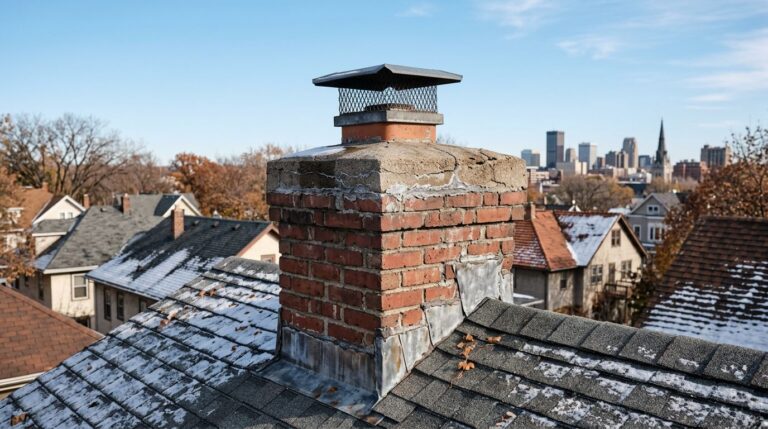
Minnesota makes detection tricky. Snow cover can mask trouble spots for months. Then a mid-winter warmup sends water toward drains. If ice dams form in eave zones and block those drains, water sits and finds tiny openings. After that, refreezing pries seams and flashing apart. A small leak becomes a soaking problem, and soaked roof decking is where rot starts.
It also applies when you’ve had any of these in the last 1 to 3 years:
- Repeated “mystery leaks” that move locations
- Chronic ponding water after rain or snowmelt
- A rooftop unit, curb, or penetration that was reworked (HVAC swaps are common)
- Past roof overlays that may have trapped moisture
For a deeper explanation of how moisture exposure leads to decay in the roof decking, see GAF’s guide on spotting roof deck wood rot.
Key exceptions and look-alikes (don’t jump to “rot” too fast)
If your building has a steel or concrete deck, the deck itself doesn’t rot. However, you can still get deck corrosion, soaked insulation, wet gypsum cover boards, or rotted wood nailers at the perimeter. Those issues can feel similar because they still cause softness, fastener failure, and recurring leaks.
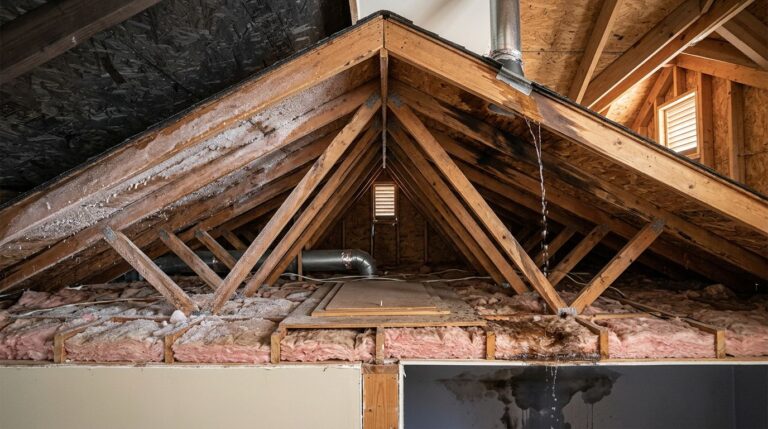
Condensation can also mimic leaks. Poor attic ventilation, cold surfaces, and humid interiors can “rain” inside roof assemblies, creating water stains. If you’re seeing winter-only water stains near kitchens, laundries, or pool areas, treat it as a building science problem, not just a membrane problem.
If the same leak returns after patches, assume water is traveling in the system and damaging more than you can see from below.
Step-by-Step Roof Inspection
A practical inspection sequence for Minnesota commercial roofs
- Document the pattern of roof leaks inside first. Mark ceiling stains on a simple floor plan, then date them. Note if they show up after snowmelt, wind-driven rain, or only during deep cold. Patterns matter because water often travels far on low-slope roofs before it drops inside.
- Check for “soft cues” without opening anything. Look for sagging ceiling grid, peeling paint, swollen trim, or a musty odor near exterior walls. Those signs don’t prove rot, but they suggest the assembly stays wet long enough to damage wood.
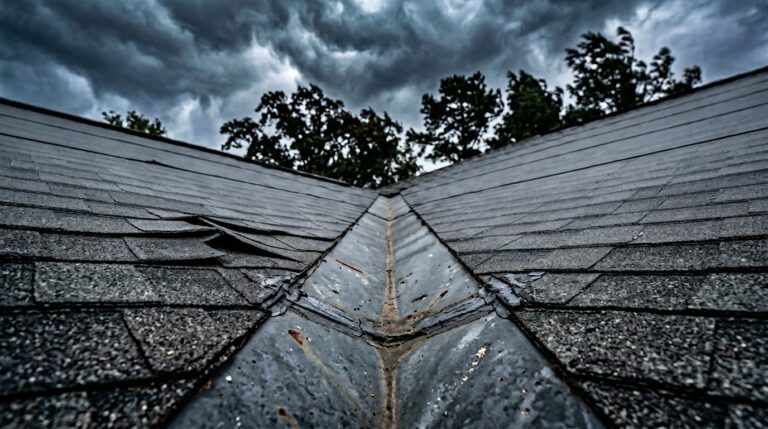
- Inspect the roof surface for entry points. Focus on seams, term bars, pitch pans, skylights, and HVAC curbs. Also scan for punctures from service traffic. The U.S. General Services Administration has helpful context on common failure points in its flat roof inspection guidance.
- Look for drainage problems that keep wood wet. Standing water after 48 hours (when conditions allow normal drying) is a red flag. In Minnesota, clogged drains and frozen scuppers can turn a small membrane flaw into a soaking event.
- Watch for structural symptoms of roof decking rot. From the roof, don’t “test” by stomping. Instead, look for rippling, low spots, soft spots, or areas where the membrane feels spongy under careful, minimal pressure. If fasteners back out, losing fastener holding power, plates pop, or seams won’t stay welded, the substrate below may be degraded, compromising structural integrity and indicating rotten roof sheathing.
- Decide if the issue is localized or widespread. One wet corner near a curb might call for targeted commercial flat roof repair and limited roof decking replacement. If moisture shows up in multiple zones, or if leaks have persisted across seasons, assume the roof decking and insulation could be compromised beyond one patch.
- Use professional leak detection before authorizing big work. Because water can travel, the visible leak rarely matches the source. A proper moisture survey (often infrared, electronic testing, or core samples) helps confirm where the system is wet and whether wood is decaying. That’s when commercial roof leak detection Saint Paul becomes the fastest path to a clear scope.
- Choose the right fix based on risk to operations. If the roof is soft, repeatedly wet with roof leaks, or nearing end of life, your commercial roof needs repair at a minimum, and you may be looking at roof replacement to stop ongoing structural damage. The right choice is the one that ends repeat disruptions and protects your building, inventory, and tenants.
FAQ: Roof decking rot in Minnesota commercial buildings
Can roof decking rot without a visible interior leak?
Yes. Water can enter, spread, and stay trapped above a ceiling vapor barrier or within insulation, fostering mold and mildew growth. In winter, that moisture may freeze, then thaw and move, so stains show up late. Regular moisture mapping can catch wet areas before they drip.
What does rotten decking feel or sound like during an inspection?
If you can safely access the deck from below
Rotten wood often looks darker, flakes, or crushes easily with gentle probing, signaling wood rot like wet rot or dry rot. From above, crews may notice shingle damage, a spongy feel, fasteners that won’t bite, or a hollow sound compared to solid areas. No one should “test” unknown soft spots without fall protection and a plan.
Is it always wood rot, or could it be wet insulation?
Wet insulation is often the first stage of the same story. Saturated insulation holds water against the deck, which can lead to roof decking rot or wood rot on wood systems. On steel decks, wet insulation can still cause corrosion and fastener issues. Proper attic insulation and attic airflow aid the drying process, but either way, the roof assembly needs drying or replacement, not just surface patching.
Will insurance cover rotted decking on a commercial building?
It depends on cause and documentation
Insurance often focuses on sudden events (storm damage) more than long-term seepage. Homeowners insurance may apply different standards, but good documentation helps, including photos, moisture readings, and timelines. If wind or hail opened the system and the leak followed, you may have a stronger claim than if the issue developed slowly.
How fast can rot spread during a Minnesota winter?
Faster than most owners expect. A small opening plus repeated melt and refreeze can keep the deck wet for weeks. Once wood fibers break down, they don’t recover. That’s why persistent winter leaks deserve urgency, even if they seem “minor” today.
If you suspect roof decking rot, treat it like a structural risk, not a cosmetic problem. Start by documenting symptoms, then confirm moisture paths with qualified testing. When you’re ready for a clear plan, Sellers Roofing Company can inspect, explain options like roof replacement, and help you choose a repair scope that protects the building and the business inside.
Need a roof inspection in Saint Paul or the Twin Cities? Call Sellers Roofing Company at +1-651-703-2336 or schedule a free estimate. We are a black-owned, NMSDC-certified MBE roofing contractor with 9+ years experience.