Last updated: 2026-09-28 by Ted Sellers, Owner
Snow guards can reduce the risk of sudden snow slides, but they are not a universal fix for every roof or every ice problem. This article explains when they help and what still needs attention.
Do Snow Guards Prevent Dangerous Roof Snow Slides in Minnesota?
Snow guards can help reduce dangerous roof snow slides by breaking up moving snow and distributing the load across the roof system. They must be selected and installed for the roof material and layout; they do not replace ventilation, ice-dam prevention, or safe snow management.
Short answer: Yes. Properly designed and installed snow guards Minnesota can hold snow long enough to prevent one heavy sheet from dropping across a doorway, sidewalk, deck, or parked vehicle. They work best on smooth, steep metal roofs. They don’t remove snow weight, cure ice dams, or make a roof safe for walking. The roof, attachment method, and layout still decide the outcome.
A Minnesota roof can release packed snow with little warning after sun, thawing, or a temperature swing. That sliding mass can break gutters, crush landscaping, block exits, or hurt someone below.
The right question isn’t whether snow guards look useful. It’s whether the roof can safely retain the snow they hold back.
When This Applies
Snow guards Minnesota property owners need
Snow guards make sense where snow has a clear downhill path toward people or property. Common trouble spots include front doors, garage entries, decks, walkways, loading docks, HVAC equipment, lower roof sections, and parked cars.
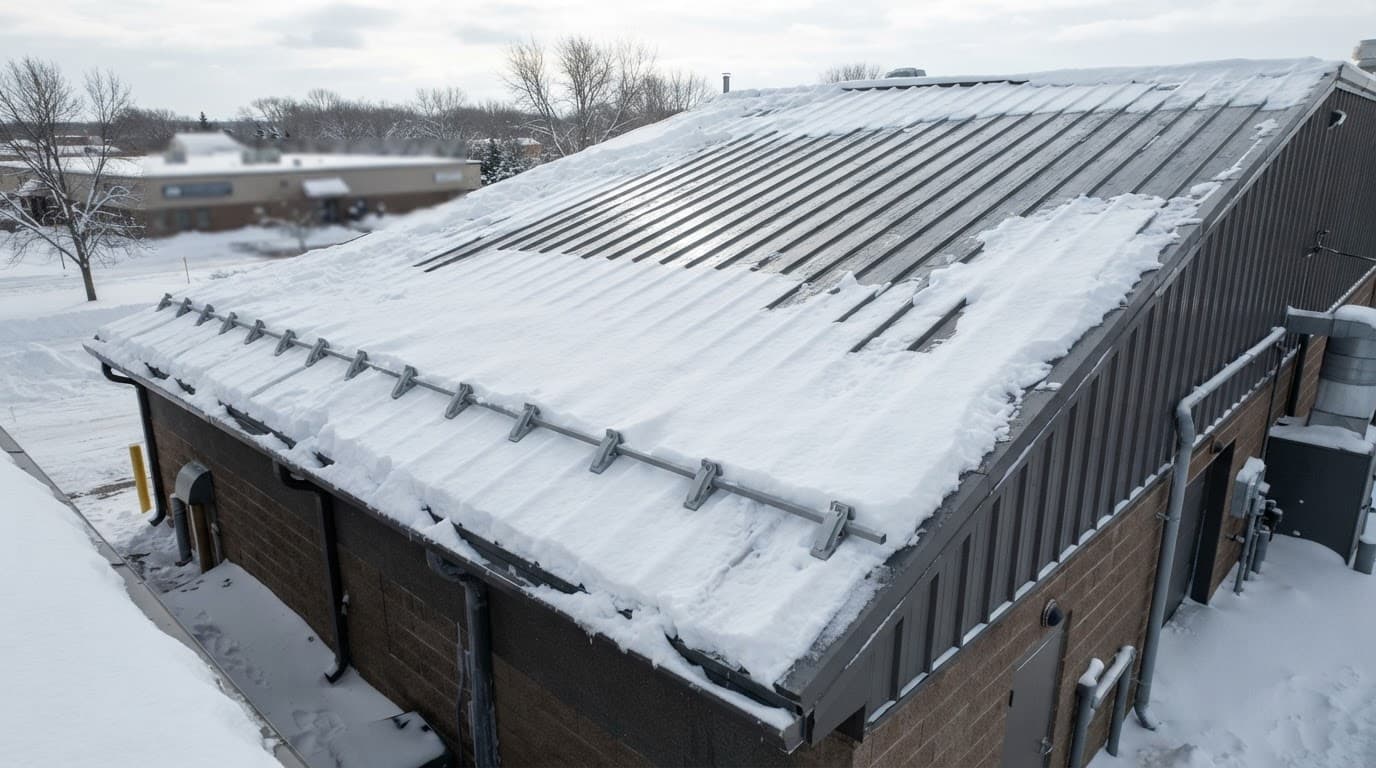
They’re most useful on standing-seam metal roofing, exposed-fastener panels, smooth synthetic slate, and other low-friction roof surfaces. A sun-warmed metal panel can release a broad, compacted sheet in seconds. That is the roof avalanche a properly designed snow-retention system is built to interrupt.
Asphalt shingles create more surface friction than metal. They can still shed snow after repeated melt-and-refreeze cycles, especially on steep slopes above a busy entry. The need should be based on actual slide history and hazard below, not on a product catalog.
The roof needs a real slide path
A detached shed with no path, patio, vehicle, or entrance below may not need snow guards. A steep roof above a sidewalk in Saint Paul, Minneapolis, Roseville, or Shoreview is different.
Snow retention also applies to commercial properties with sloped entrance canopies, standing-seam accents, and metal awnings. A warehouse roof may be low-slope, while its office entry has a steep metal section that drops snow directly onto employees.
When guards are the wrong answer
Snow guards aren’t a cure for a weak roof, loose panels, active leaks, or an overloaded structure. They should not be added to hide a drainage problem or postpone needed roof work.
A roof with damaged fasteners, rusted metal, failing seams, or soft decking needs inspection first. Retaining snow adds load to the roof. If the roof cannot carry that load, the hardware becomes part of the problem.
How Snow Guards Control a Snow Release
They break up one large slide
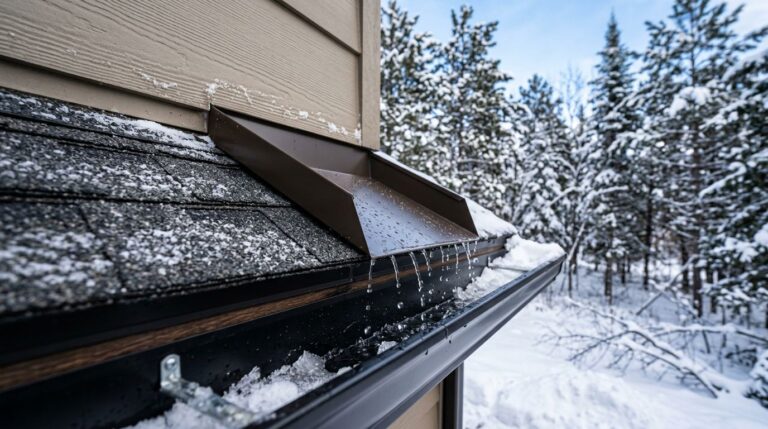
Snow guards create controlled resistance near the roof edge. Instead of allowing a wide snow sheet to accelerate toward the eave, they hold snow in place and break the release into smaller pieces as melting occurs.
Individual pad-style guards create many small holding points. Pipe, rail, or bar systems form a continuous barrier and are often used where a larger metal roof has a serious slide hazard. The right choice depends on roof pitch, panel profile, snow load, eave length, and the protected area below.
A useful Snow Guards 101 overview explains the basic goal: prevent accumulated snow and ice from releasing all at once.
A snow guard can stop a single large release, but it also keeps more snow on the roof. The roof structure and attachment points must carry that retained weight.
Snow guards do not hold snow forever. Sunlight, roof heat, rain, and changing temperatures still move snow and ice. Their job is to reduce the sudden, dangerous release that turns a roof edge into a drop zone.
The snow guards Minnesota property owners choose should follow the roof system’s manufacturer details. One row of random brackets at the gutter line is not a layout. It can concentrate force where the roof is least able to take it.
Step-by-Step: Choosing and Installing Snow Guards
1. Map the slide zone before ordering hardware
Start from the ground. Mark every doorway, exit path, walkway, deck, window well, vehicle space, lower roof, and mechanical unit below the snow-shedding slope.
Then identify the roof material, pitch, panel length, seam pattern, and eave height. A 20-foot standing-seam panel behaves differently than a short metal porch roof. Snow from a second-story roof also carries more force by the time it reaches the ground.
Measure more than roof length
Record where snow already collects and where it has fallen in previous winters. Bent gutters, damaged shrubs, broken light fixtures, and ice piles at a doorway are useful evidence.
A Saint Paul roofing contractor working on Minneapolis roofing projects should also account for local wind exposure, drifting, and the amount of snow retained above valleys or chimneys. That is normal Twin Cities roofing work, not an optional upgrade.
2. Match the system to the roof attachment method
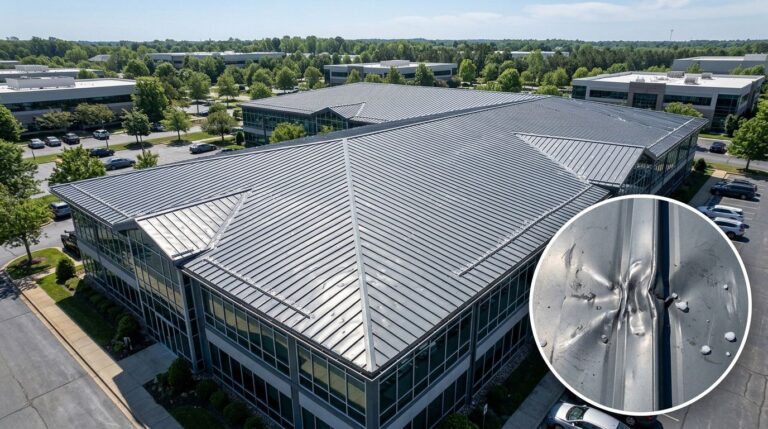
Standing-seam metal usually requires a clamp-mounted snow guard system that fits the exact seam profile. The clamp must grip the seam as designed. It should not crush, split, or pierce a panel that was never meant to be penetrated.
Exposed-fastener metal roofs often need attachments tied into structural framing, purlins, or other approved support points. A bracket screwed only through thin sheet metal can pull loose under a heavy snow load.
Don’t mix hardware from different systems because it looks similar. Use the guard manufacturer’s layout, fastener requirements, and panel compatibility information. This snow-bar installation demonstration shows one type of metal-roof retention system in use.
3. Confirm the roof can support retained snow
A snow guard system transfers force into the roofing assembly. That makes roof condition, framing, deck type, fasteners, and panel attachment part of the decision.
An older roof with recurring leaks, loose edge metal, or a history of repairs needs an inspection before snow retention is added. The same is true for a roof that has heavy drifting at parapets, valleys, or upper walls.
For union-built roofing work, credentials still matter. Sellers Roofing Company uses crews tied to IUPAT Local 96, is GAF certified, and works under MN Builder Contractor License 803862. Those qualifications support sound roofing work, but they don’t replace a roof-specific snow-retention layout.
4. Install, inspect, and keep the project record
Installation should follow the approved pattern, not a guess made from the ground. Guard spacing, row count, rail placement, and fastener locations must match the roof’s dimensions and expected snow behavior.
Take photos before and after installation. Keep product data, invoices, layout drawings, and any roof-condition notes. That file helps if a guard later shifts, a panel leaks, or a roof insurance claim follows a storm event.
If a shingle slope, flashing detail, or metal edge is already damaged, deal with the roof condition first. Homeowners can Get a Free Residential Roof Estimate before adding hardware to a roof that may need repair.
What Snow Guards Cannot Fix
Ice dams, storm damage, and poor roof drainage
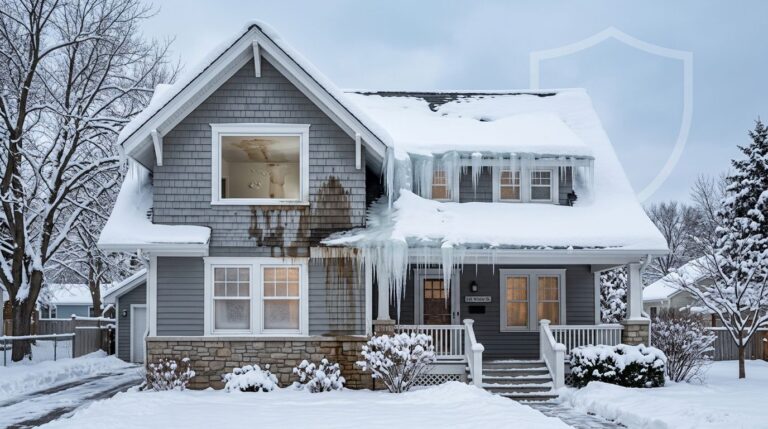
An ice dam forms when melted snow refreezes near a colder roof edge. Snow guards may retain snow above the eave, but they don’t correct the heat loss and refreezing cycle that created the dam.
Ice dam removal is a separate safety and building-performance issue. Don’t chip aggressively at ice, drag sharp tools across metal, or pull on snow guards with ropes. Those actions can damage panels, gutters, shingles, and flashing.
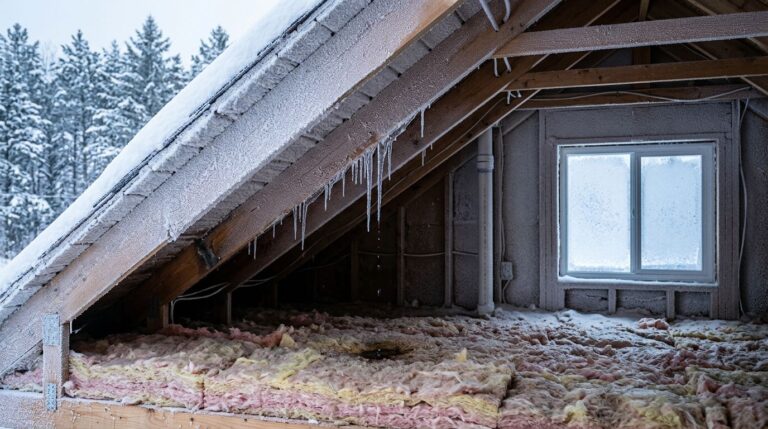
A roof with recurring ice dams may need attic air sealing, insulation review, ventilation corrections, or a closer look at roof transitions. New construction and major repairs should also be reviewed against current Minnesota building and energy code requirements.
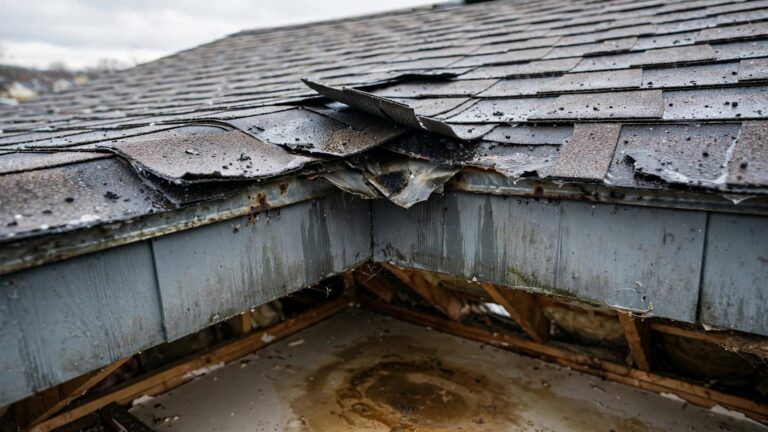
Snow guards also don’t repair a storm-damaged roof. A hail-damaged roof may have punctures, bent flashings, fractured shingles, or damaged metal seams. Wind can loosen a panel or pull perimeter trim away from the roof.
On asphalt shingles, fresh creases, missing granules, lifted tabs, and broken seal strips may call for residential roof repair. Broad damage, brittle shingles, and repeated failures can point toward residential roof replacement instead.
If snow has already fallen, a guard has pulled loose, or water is entering the building, keep people away from the drop zone. For an active leak or urgent storm damage roof condition, Call 651-703-2336 for 24/7 Emergency Roofing.
Commercial Roofs Need a Different Winter Plan
Low-slope membranes rarely need snow guards
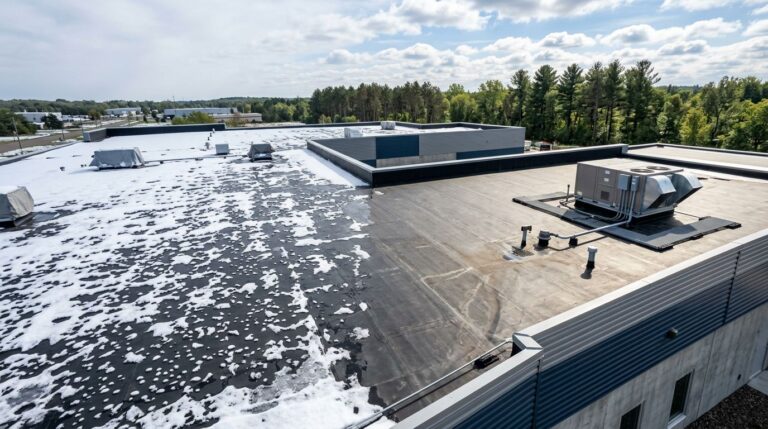
A commercial flat roof usually does not shed snow like a steep metal roof. TPO roofing, EPDM, modified bitumen, and BUR systems are low-slope assemblies. Their winter risks are more often blocked drains, ponding water, split flashings, open seams, punctures, and concealed wet insulation.
Snow guards may still be appropriate on a sloped canopy or standing-seam entry roof attached to a commercial building. They are not normally installed across the field of a membrane roof.
Match the repair to the roof system
A commercial roof inspection should identify the membrane type, drainage condition, seam status, flashing condition, and moisture spread. An interior drip may be far from the actual opening because water can travel across insulation, deck flutes, and membrane layers.
A localized opening may support commercial roof repair. Widespread saturated insulation, repeated seam failure, or failed attachment can move the project toward commercial roof replacement.
Commercial roof restoration and commercial roof coatings can extend the life of a sound roof. They do not fix wet insulation, active seam failure, or a damaged deck. When the source is unclear, commercial roof leak detection can trace the water path before permanent work erases evidence.
Property managers with a low-slope roof, damaged canopy, or winter leak can Get a Free Commercial Roof Inspection. A documented scope separates a targeted repair from a larger replacement decision.
The Safer Outcome Is Controlled Snow Release
Treat snow guards as part of the roof system
Snow guards can prevent dangerous snow slides when the roof can carry retained snow and the hardware is attached through an approved layout. They are most effective on smooth, steep roofs above places where people walk or property sits.
They don’t replace ice-dam work, roof repair, drainage corrections, or safe snow management. Controlled snow release starts with a sound roof and ends with an installation designed for that roof’s actual loads.
Frequently Asked Questions
Do snow guards stop every piece of snow and ice?
No. They reduce the chance of a large, fast-moving snow sheet releasing at once. Small pieces can still melt, break free, or fall during warm weather. Keep walkways monitored during thaw periods.
Can snow guards be added to an older metal roof?
Often, yes. The roof must be inspected first for panel condition, seam profile, corrosion, fastening problems, and existing leaks. A clamp system only works if the standing seam is compatible and structurally sound.
Are snow guards needed on asphalt shingle roofs?
Not by default. Asphalt shingles hold snow better than smooth metal, but steep shingle roofs can still slide after refreezing events. Consider guards only where repeated slides threaten an entrance, deck, driveway, or lower roof.
Can snow guards cause ice dams?
They don’t create the heat loss that causes ice dams, but they can hold snow above the eave. If ice dams are already forming, address attic heat, air leaks, insulation, ventilation, and safe ice removal instead of treating guards as the repair.
Will insurance pay if a snow guard fails?
Coverage depends on the policy and cause of damage. A sudden storm event may be treated differently than poor installation, wear, or an unapproved roof alteration. Photograph the condition, save invoices, document any interior damage, and provide a written roofing scope with the roof insurance claim.
For the larger documentation and claim process, read our Minnesota roof storm damage and insurance claims guide.
Need a roof inspection in Saint Paul or the Twin Cities? Call Sellers Roofing Company at +1-651-703-2336 or schedule a free estimate. We are a black-owned, NMSDC-certified MBE roofing contractor with 9+ years experience.