Last updated: 2026-08-01 by Ted Sellers, Owner
TPO roof hail damage is usually indicated by visible punctures on the roof membrane, a true membrane break (a hole, split, or crack) that exposes scrim or lets water in, not just a scuff. Confirming these breaches is a vital part of a professional roof inspection for commercial roofing systems. You confirm it by pairing clear roof-surface close-ups with wide context photos that show location, scale, and storm-related impacts to nearby soft metals. The proof is in sharp, well-lit images that connect cause and effect.
When This Applies
This checklist fits most Twin Cities commercial TPO roofs
Use this approach when your building has a mechanically attached or adhered TPO membrane (common on flat roofs of warehouses, offices, retail, and multi-tenant properties prone to flat roof hail damage) and you recently had a hail event in the Twin Cities.
It also applies when you have new ceiling stains, wet insulation odors, or nuisance leaks that started after a storm, even if the roof “looks fine” from a quick glance.
Hail can be sneaky on TPO because the surface can rebound depending on hailstone size, and impacts on the roof membrane might cause tiny splits or punctures that open during thermal movement and compromise the rigid insulation underneath, potentially lowering the building’s insulation R-value. Local temperature swings make that worse, especially when the membrane is cold and less forgiving.
For general Minnesota storm context and what property owners often notice first, see how to spot hail damage on a Minnesota roof.
When it probably does not apply (or needs a different approach)
Some roofs need a different playbook. For example, paver-protected plazas and heavy ballasted assemblies can hide membrane damage under surfacing. You can still have punctures, but photos must include displaced pavers, shifted ballast, and exposed membrane areas.
Common TPO “look-alikes” that are not hail punctures
Unlike soft roofing materials or residential impact-resistant shingles that might show shingle granules loss, foot traffic, service-tool drops, and winter maintenance can mimic hail on TPO. Watch for:
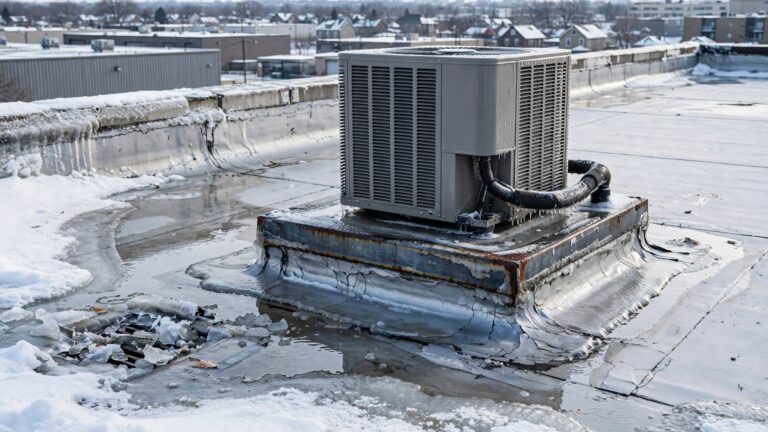
- Smooth abrasion paths near HVAC units and access points
- Cuts that line up with shovel edges or plow blades
- Old heat-weld marks and manufacturing texture that look like dimples
A fast rule for business owners
If you cannot safely access the roof, or you are not sure what you are seeing, treat it as “possible TPO roof hail damage” and focus on documentation from safe viewpoints.
Step-by-Step
Twin Cities post-storm inspection workflow + close-up shot list that holds up
Lock in the storm timeline before you take roof photos.
Write down the date, time window, and hailstone size reports you heard from tenants or staff. Then photograph exterior elevations, signage, and any on-site weather impacts (downed branches, torn screens, displaced roof accessories). This helps connect roof findings to a specific event.Do a ground-level hail triage around the building first.
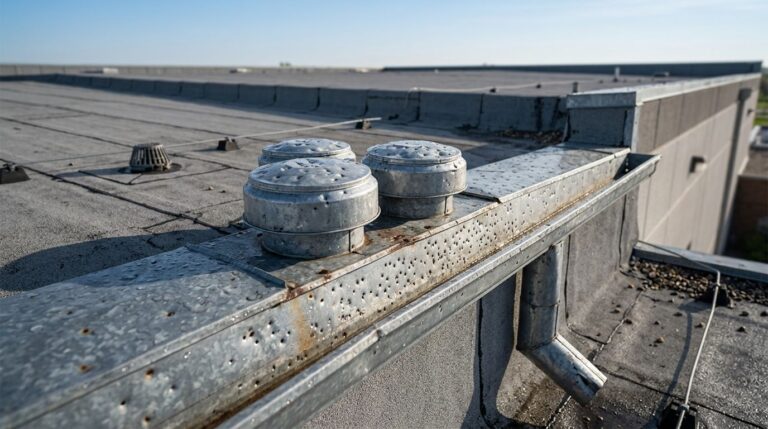
Photograph dents and impact marks on “soft metals” that hail hits easily, such as dented gutters, downspouts, metal coping, rooftop-unit panels visible from below, roof vents, and metal wall caps. These hail impact signs support the story before you ever show the membrane when documenting damage.For a broad, methodical checklist mindset (useful for training staff on what to capture), reference a DIY hail damage photo checklist.
Only access the roof when it is safe, dry, and allowed.
In Minnesota, wet TPO can be as slick as ice. If its February, assume frost risk even on sunny days. Use approved access points, follow your building safety plan, and stay on walk pads where possible. Also photograph the access hatch, ladder, and any fall-protection setup, because it shows you inspected responsibly.Photograph the membrane like you are building a case file.
A “puncture” is not a dent, it is a breach. Look for a clean hole, a small split, a sharp-edged tear, or exposed reinforcement scrim. Take close-up photographs with raking light (flashlight held low to the surface) so texture changes pop and visible punctures on the roof membrane stand out.Use this shot list to capture proof without guessing:
Photo you need How to shoot it What it proves Wide roof context Stand back, include parapet lines or major units Where the damage sits on the roof Mid-range location 6 to 10 feet away, include a fixed reference (curb, drain) Damage is not a random close-up True close-up Fill frame with the mark, steady focus The membrane is actually broken (or not) Raking-light close-up Light at a low angle across the surface Split edges, lifted flap, or raised rim Scale photo Tape measure or ruler next to mark Size, helps insurance and repair scope “No-touch” clarity Same close-up, no finger pointing Condition without obstruction If your close-up shows only a surface scuff and no break, do not call it a puncture in your notes. Label it “suspected impact mark” until a pro confirms.
Prove its not just the field membrane: shoot seams, flashing, and penetrations.
Many leaks start where details move: pipe boots, HVAC curbs, pitch pans, termination bars, and edge metal transitions. Photograph any flashing damage, seam that looks stressed on heat-welded seams (fishmouths, edge lift, wrinkling), and any flashing that looks split or pulled. Then take one wide photo showing how close that detail is to rooftop traffic areas, because service routes often explain damage patterns.Match roof marks to interior symptoms (without overreaching).
If you have ceiling stains, wet tiles, or a new musty smell, photograph those areas too. Include room number, grid line, or a simple map sketch in one image. Water can travel, so you are not trying to prove the exact entry point yet. You are showing a timeline: storm, roof impacts, then interior water infiltration.Decide: document-only, commercial flat roof repair, or bigger action.
If you captured clear breaches from TPO roof hail damage or flat roof hail damage, your commercial roof needs repair now, even if leaks have not appeared. Small punctures can often be handled as commercial flat roof repair when the membrane and insulation are still sound. When impacts are widespread, seams are failing, or moisture is trapped in the assembly, you may be staring at a partial or full commercial roof replacement. Schedule a professional roof inspection to confirm.If you want a contractor view of options in Saint Paul, start with commercial roofing services for Twin Cities businesses. If leaks are active or the source is unclear, schedule commercial roof leak detection in Saint Paul before you approve broad tear-off.
Quick reality check: a photo can show a puncture, but it cannot show wet insulation. When money is on the line, pair photos with professional moisture testing.
FAQ for documenting hail punctures on TPO
Can hail damage TPO without a visible hole?
Yes. You can have circular cracks, membrane bruising, fractured scrim, micro-splits, or weakened seams that open later with heat and cold movement on the roof membrane. In those cases, photos may only show subtle texture changes, so you will need moisture mapping or electronic testing to confirm functional damage.
What if it only looks “cosmetic”?
Keep documenting, but do not assume it is harmless. “Cosmetic” damage can still shorten service life through UV degradation that leads to delamination and compromises structural integrity over time, and it can support a timeline if leaks develop later.
Should I circle suspected punctures with a marker for photos?
Light marking can help, but do not write on the membrane if you have a warranty or you are unsure of the material. Instead, place a ruler or a small sticky note near the spot (not over it) and photograph from multiple angles.
If warranty concerns exist
Ask your roofer what marking methods are acceptable, because some manufacturers have strict rules.
What if tenants report leaks but the roof photos look clean?
Flat roofs can move water sideways, allowing moisture penetration that leads to hidden rot. The leak location inside may be far from the entry point. At that stage, prioritize professional diagnostics like a professional roof inspection over more random photos, especially on large footprints, to protect structural integrity through proper roof maintenance.
How fast should I notify insurance after a hailstorm?
Notify them as soon as you have credible evidence to start an insurance claim early, even if you are still collecting details. Record the storm date, first interior symptoms, and the date of your inspection. Then keep your photos organized by area, so the story is easy to follow.
Which photos help most with adjusters?
Wide context shots, scale shots, and clear close-ups that show an actual membrane break usually carry the most weight.
When does hail push a TPO roof from repair to replacement?
Replacement becomes more likely when punctures are widespread, seams and flashings show repeated failures, insulation is wet in multiple zones, or the roof was already near end-of-life. In other words, repair stops being targeted and starts turning into patchwork.
Conclusion
Hail punctures from TPO roof hail damage and flat roof hail damage are proven with clear membrane-breach photos of the roof membrane, plus wide shots that show where the damage is located on the roof. Keep your images sharp, scaled, and tied to the storm timeline. Clear documentation of the roof membrane is the best way to support an insurance claim. If your documentation suggests functional TPO roof hail damage, move quickly so moisture does not spread. For a professional roof inspection and repair plan in the Twin Cities, contact Sellers Roofing Company.
Need a roof inspection in Saint Paul or the Twin Cities? Call Sellers Roofing Company at +1-651-703-2336 or schedule a free estimate. We are a black-owned, NMSDC-certified MBE roofing contractor with 9+ years experience.