Last updated: 2026-08-01 by Ted Sellers, Owner
A Minnesota commercial roof condition report should list the roof system, age, drainage, membrane wear, seams, flashing, penetrations, moisture findings, storm damage, photos, and code concerns. It should also rank urgency, estimate remaining service life, and say whether monitoring, commercial flat roof repair, or commercial roof replacement is the most sensible next move.
When This Applies
When business owners should request a report
If you own or manage a warehouse, retail center, office, church, or apartment building with a low-slope roof, this applies to you. A commercial roof condition report is most useful before a purchase, before a lease renewal, after storm damage, or when repair bills keep stacking up.
Minnesota roofs take a harder hit than many owners expect. Freeze-thaw cycles, drifting snow, ice around drains, and summer heat all stress seams and flashing. Because water can travel under a membrane, recurring leaks often call for commercial roof leak detection Saint Paul before anyone guesses at repairs.
After storms, snow, and repeat leaks
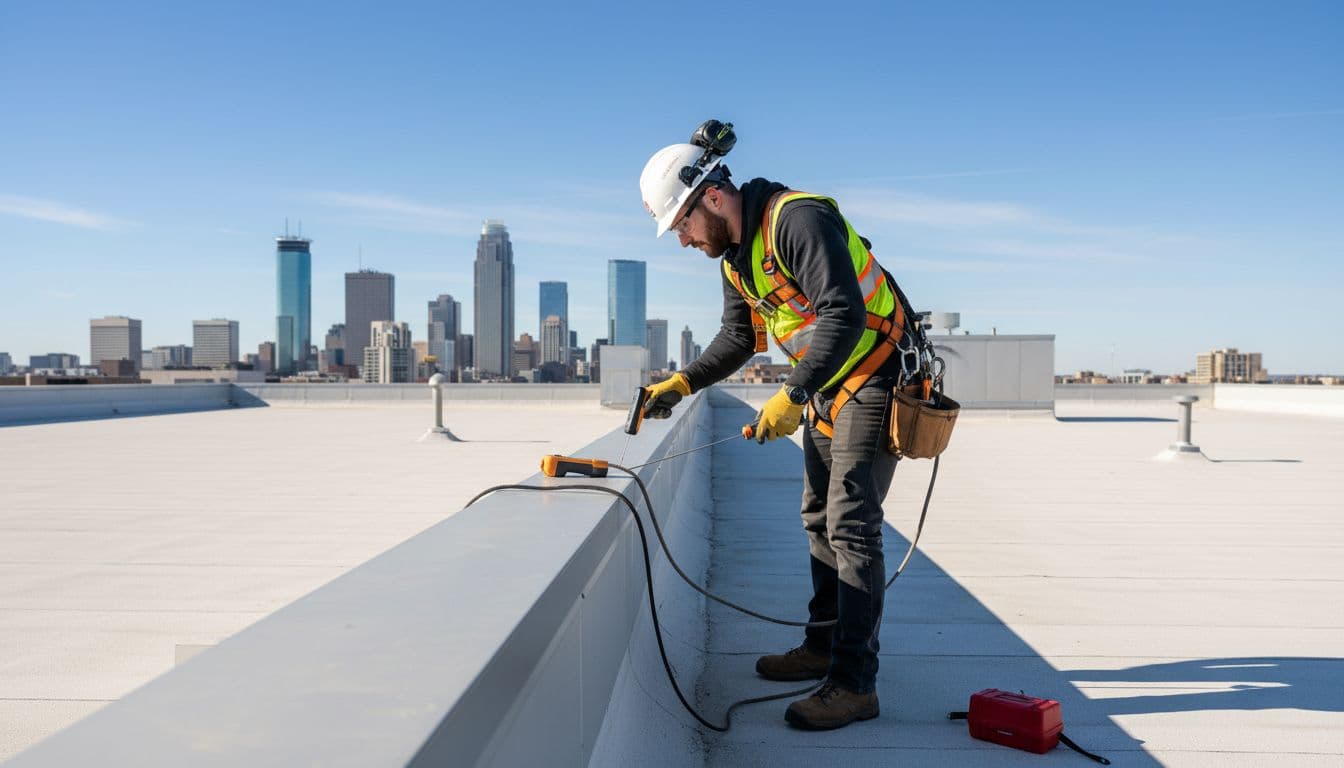
Ask for a full report after hail, strong wind, heavy snow load, or any interior leak that returns after repair. The report should connect symptoms to the source, not only describe the stain on the ceiling.
A photo-only inspection is weak on a low-slope roof. Water often moves before it shows indoors.
When a simple repair quote is not enough
A bid alone tells you price. It rarely tells you condition, remaining life, or risk. If your lender, insurer, buyer, or board needs proof, the report matters more than the quote.
When it may not apply
You may not need a full report for a brand-new roof with current warranty papers and a recent inspection on file. The same goes for a single, obvious puncture with no sign of hidden moisture. Still, once wet insulation or repeated leakage enters the picture, a full report usually saves money.
Step-by-Step

Review the report in this order
- Start with the roof profile. The report should name the roof system, approximate age, size, number of roof areas, access points, and repair history. Without that base, the rest reads like notes without a map.
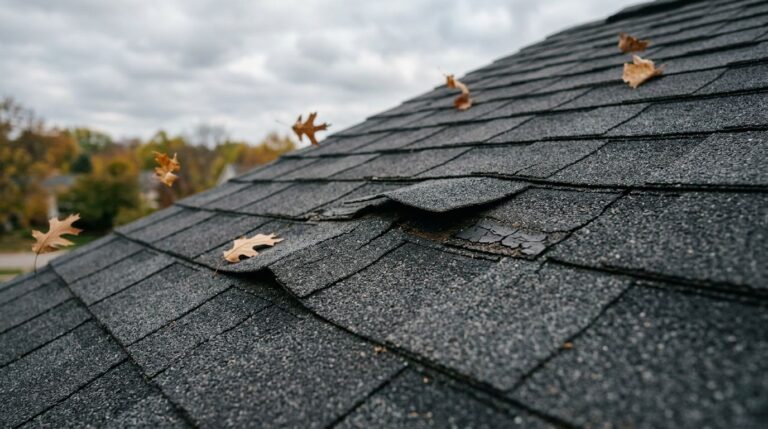
- Check the field observations next. A contractor providing Saint Paul commercial roofing services should document membrane splits, open seams, loose flashing, punctures, edge metal issues, drain condition, rooftop unit curbs, and signs of ponding. Photos should show each defect and its location.
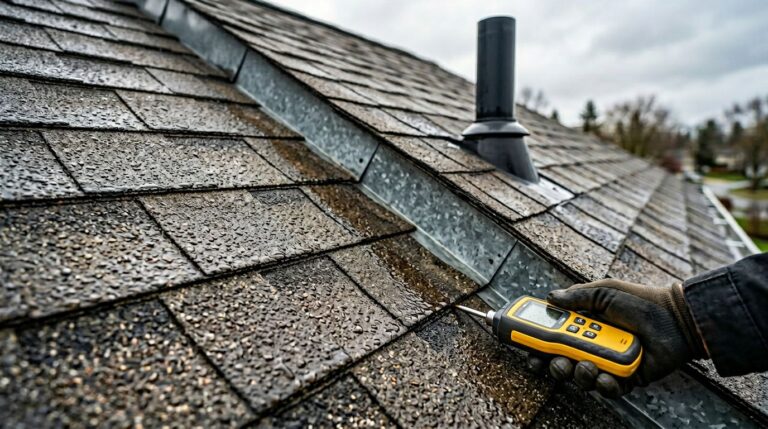
- Confirm whether moisture testing was used. On commercial roofs, trapped water can sit below the surface while the top still looks sound. Infrared scans, electronic testing, or limited core samples help show if insulation is wet and how far the damage has spread.
- Read the Minnesota-specific findings closely. The report should note freeze-thaw stress, snow and ice effects at drains, thermal movement, storm damage, and any slope problems that leave standing water. These details explain why a roof failed, not only where it failed.
- Look for repair priorities, not vague advice. A strong report separates items into immediate, near-term, and monitor items. It should say if commercial flat roof repair is enough for now, or if patching one area will leave larger problems in place.
- Review the life-expectancy estimate. This section should give a reasonable remaining service life based on current condition, not sales language. It should also explain what would trigger commercial roof replacement, such as widespread wet insulation, failing seams across large sections, or repeated leaks in several zones.
- Check for code and safety notes. If parts of the roof need replacement, the report should flag insulation, drainage, or edge details that may need upgrades to meet current rules. It should also note soft spots, unsafe walking areas, or risks near rooftop equipment.
- End with the summary. The final page should state, in plain terms, whether the commercial roof needs repair, close monitoring, or a larger capital plan. If the report leaves you guessing, it is not finished.
FAQ
How often should a Minnesota business update the report?
Most properties should update it once a year. Older roofs, leak-prone roofs, and buildings with heavy rooftop traffic often need checks twice a year, usually after winter and after major storms.
Can the report help with budgeting or insurance?
Yes. A good report turns roof problems into a repair schedule and capital forecast, which helps owners explain costs and time larger work.
If the roof had hail or wind damage
Dated photos, moisture notes, and a written scope can also support an insurance file. That paper trail matters when damage is not obvious from the ground.
Can a report find hidden leaks on a flat roof?
It can, if the inspection includes moisture testing and drainage review. Visible stains tell only part of the story, because low-slope roofs often let water travel sideways before it drops inside.
What if the roof looks fine from inside the building?
Interior ceilings can stay dry while insulation gets wetter. By the time stains appear, damage may already be wider and more expensive.
Why this matters in Minnesota
Ice and snow can hold water in place longer, which raises the chance of hidden moisture after winter.
Does a poor report always mean replacement?
No. Some roofs still have useful years left with targeted repairs, coatings, or maintenance. Replacement usually makes sense when problems are widespread, the system is near the end of its life, or repairs keep returning without lasting results.
The best report gives you proof, priorities, and a timeline you can act on. In Minnesota, that means weather-specific findings, moisture data, and plain repair language.
A thorough commercial roof condition report helps you spend at the right time, before a small roof issue turns into a building problem.
Need a roof inspection in Saint Paul or the Twin Cities? Call Sellers Roofing Company at +1-651-703-2336 or schedule a free estimate. We are a black-owned, NMSDC-certified MBE roofing contractor with 9+ years experience.