Last updated: 2026-08-01 by Ted Sellers, Owner
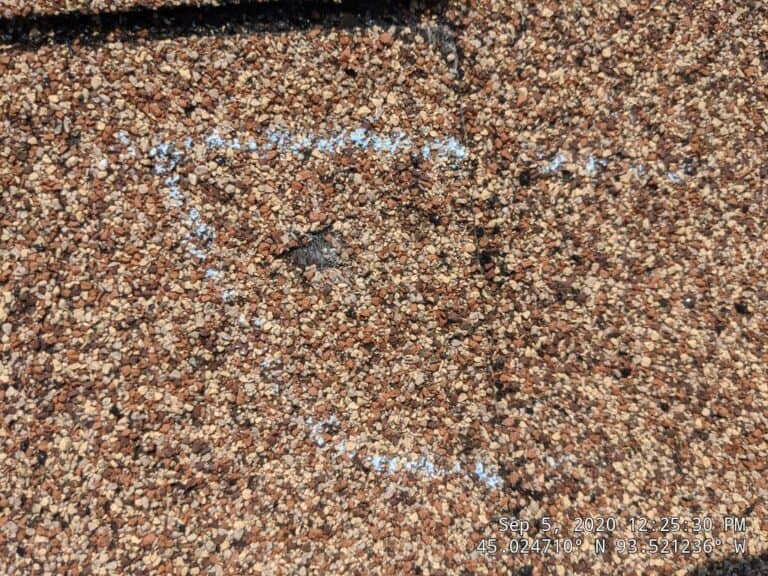
On Minnesota commercial roofs, hail damage roof coatings often shows up as round impact marks, chipped top layers, hairline cracks, split seams near hits, and spots where the coating looks bruised or worn through. Damage may look minor at first. However, freeze-thaw cycles can widen small breaks and turn surface marks into leaks.
When This Applies
Which coated roofs and owners should pay attention
This applies to commercial buildings with coated low-slope roofs, especially offices, warehouses, retail centers, schools, and multi-tenant properties. If your roof has acrylic, silicone, or similar protective coatings, hail can damage the coating even when the membrane below looks mostly intact.
It matters most after a strong storm, on older roofs, and on roofs with high exposure. Open sites, large flat sections, and buildings with little tree cover usually take the hardest hits. If you manage one of these properties, signs like this fall squarely under commercial roofing services in Saint Paul.
Why coating type changes the look
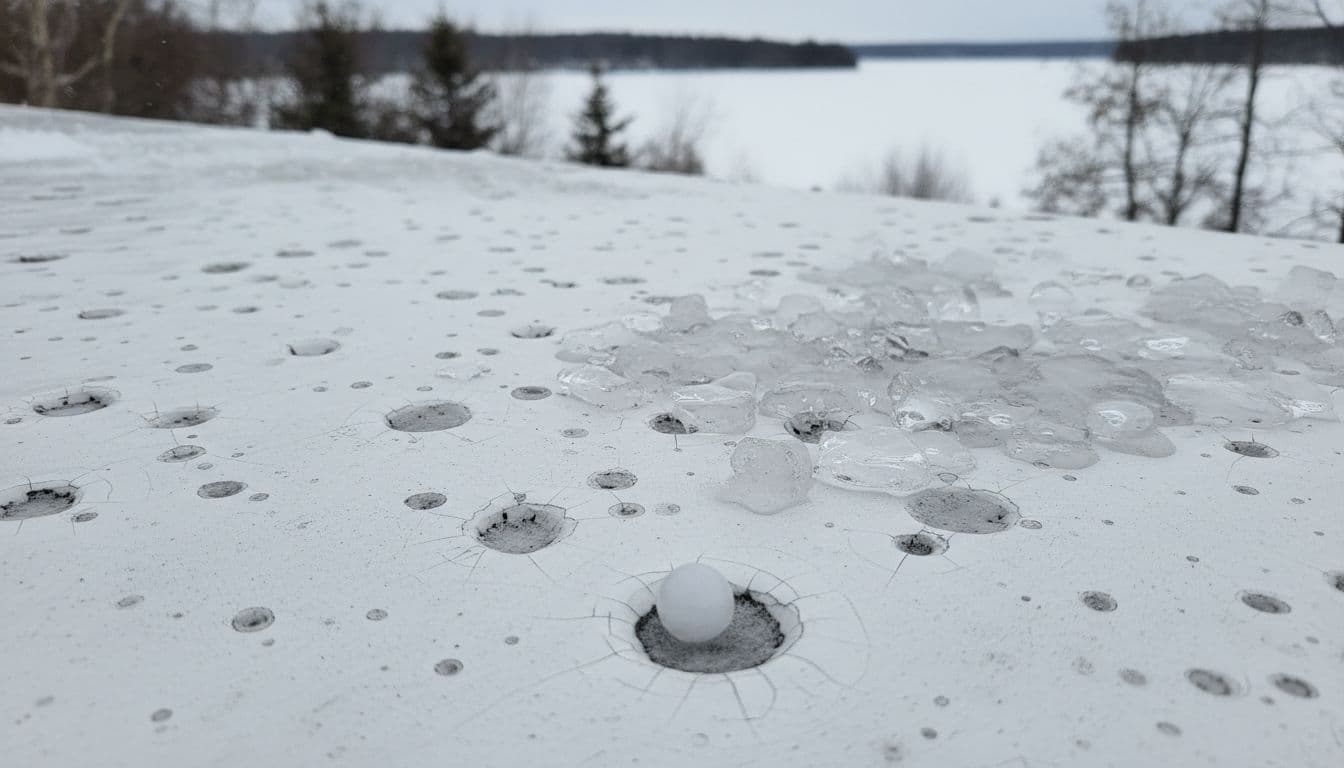
Silicone coatings may show pockmarks, splits, or areas where the top film looks bruised. Acrylic coatings can chip, craze, or wear thin at the impact point. On coated metal, hail may dent the panel and crack the coating over the dent.
A damaged coating rarely looks dramatic at first. More often, you will see many small circles, a dull scraped look, or tiny fractures around rooftop units, drains, and parapet edges.
When it may not be hail
Some roof marks are not storm damage. Foot traffic often leaves scuffs along service paths. Ponding water can cause blisters or peeling. Dropped tools create sharper cuts and isolated strikes. Old coatings may also crack from age and sun, not hail.
Minnesota edge cases
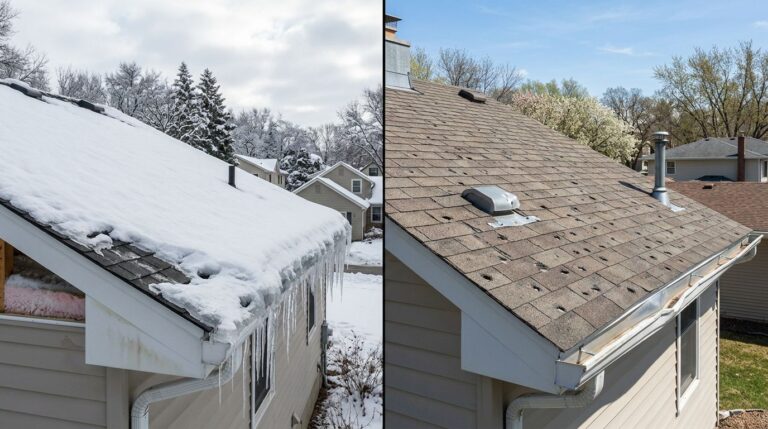
Cold snaps can make coatings more brittle, so a small strike may split the surface later. Snow cover can also hide fresh impacts. In other words, a roof may look fine right after the storm, then show problems when ice melts.
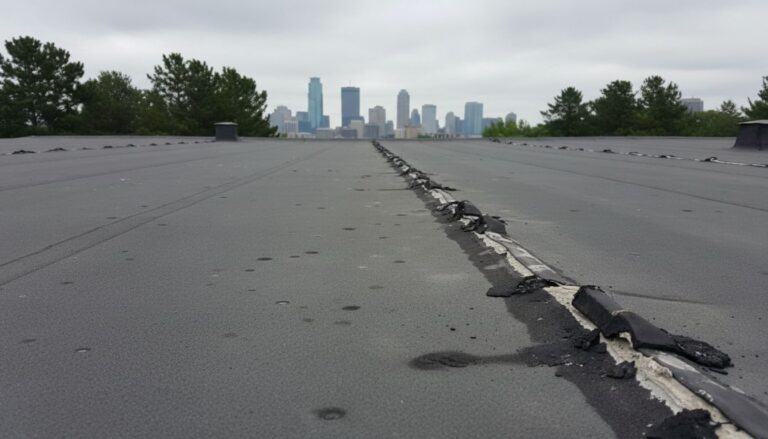
On coated flat roofs, small round marks matter most when they cluster near seams, flashings, or rooftop equipment.
Step-by-Step
How to inspect a coated roof after hail

- Start with safety. Do not walk a wet, icy, or active storm roof. If conditions are poor, document ground-level signs and wait for safe access.
- Confirm the storm date and direction. Check which roof areas faced the hail path. Then inspect those sections first, because random wear rarely follows a storm pattern.
- Look for repeated round impact marks. Focus on coating chips, shallow dents, small splits, exposed substrate, and loose granules or film. Similar marks across metal caps, vents, and soft roof areas usually point to hail.
- Check seams, penetrations, and transitions next. Hail often weakens the coating where the roof already flexes. Flashings, drain bowls, HVAC curbs, and parapet bases deserve extra attention.
- Press gently around suspect spots, but do not probe aggressively. Soft insulation, trapped moisture, or a brittle surface can turn a small defect into a larger one. Because water can travel sideways on flat systems, professional leak detection for commercial roofs can help verify hidden wet areas.
- Document every mark with photos, location notes, and size comparisons. If the coating is split, if seams opened, or if moisture reached insulation, your commercial roof needs repair. Isolated hits may allow commercial flat roof repair, while broad coating failure or wet insulation can push the decision toward commercial roof replacement.
FAQ About Coated Roof Hail Damage
Can hail damage a coating without causing an immediate leak?
Yes. The hail can bruise or crack the coating first, while the membrane still holds. Later, sun, cold, and foot traffic widen that weak spot and let water in.
Will insurance cover coating damage if the membrane still looks intact?
Sometimes, but coverage often depends on whether the damage affects function. Cosmetic dents alone may not carry the same weight as opened seams or coating loss.
What counts as functional damage?
Functional damage includes splits, exposed substrate, broken sealant lines, moisture intrusion, or coating loss that reduces waterproofing.
What if the roof looks fine until spring?
That happens often in Minnesota. Snow and ice can hide damage, and freeze-thaw movement can open small cracks. A follow-up inspection after melt is a smart move.
Can a contractor simply recoat over hail marks?
Sometimes, yes, but only when the roof is dry and stable. A new top layer over wet insulation or torn areas traps the problem below the surface.
When recoating is not enough
Recoating is the wrong fix when hail has torn seams, loosened flashing, crushed insulation, or damaged large sections across the field of the roof.
How do hail marks differ from foot traffic damage?
Hail leaves many similar round hits across exposed areas. Foot traffic usually creates scuffs and wear along service paths near ladders, hatches, and HVAC units.
What Minnesota Business Owners Should Do Next
Act before freeze-thaw opens the coating
On a coated commercial roof, hail damage often starts small and grows later. Round dents, chipped coating, hairline splits, and soft spots near seams are the warning signs that matter most.
Fast documentation and a targeted repair plan protect the roof’s service life. Waiting for an interior stain usually costs more, disrupts more, and narrows your repair options.
Need a roof inspection in Saint Paul or the Twin Cities? Call Sellers Roofing Company at +1-651-703-2336 or schedule a free estimate. We are a black-owned, NMSDC-certified MBE roofing contractor with 9+ years experience.