Last updated: 2026-08-01 by Ted Sellers, Owner
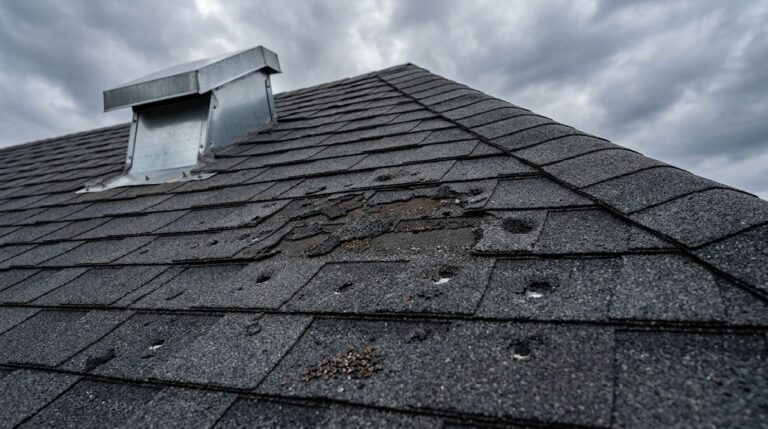
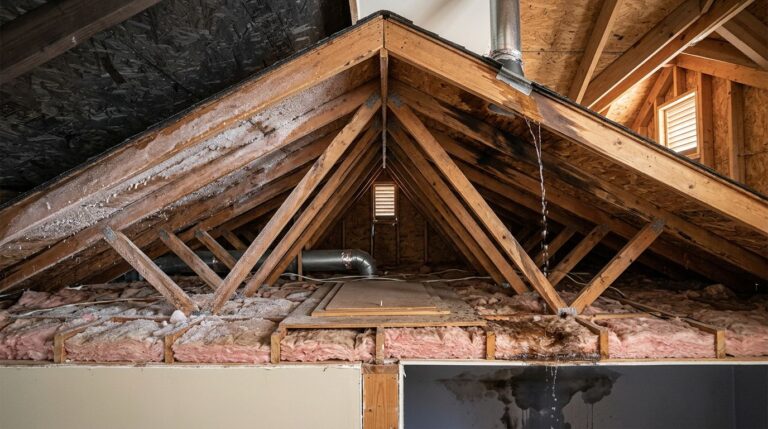
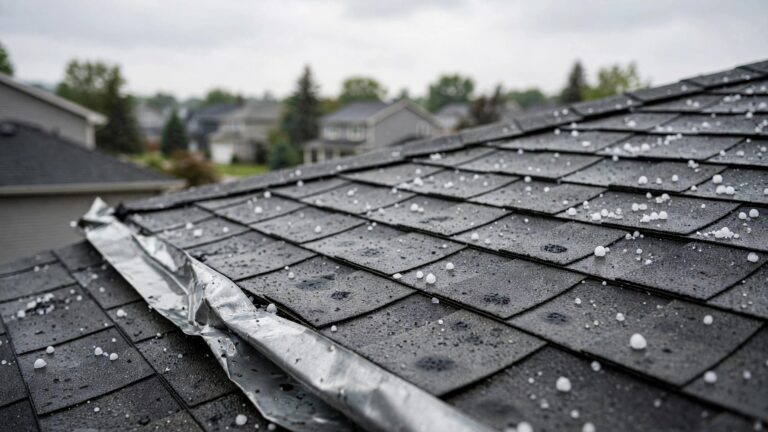
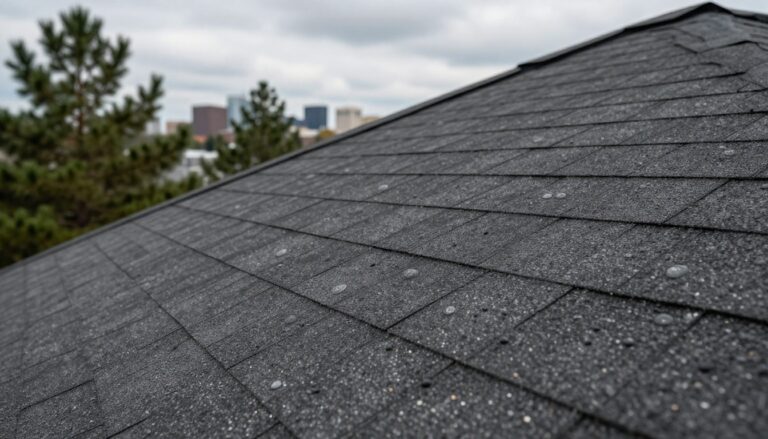
Roof hail damage usually shows up as dents, punctures, loosened seams, or crushed roof components that later turn into leaks. Following severe thunderstorms, inspect the roof surface, flashings, drains, and rooftop units, then document everything with photos and dates. If you see splits, exposed substrate, or new water intrusion, schedule a professional roof inspection quickly; it is the standard next step for any roof hail damage concerns.
When This Applies
Who should use this guidance (and who shouldn’t)
This applies to commercial business owners and property managers responsible for low-slope and steep-slope commercial roofs, especially in hail-prone areas like Minnesota. While asphalt shingles are standard for residential homes, this guide focuses on commercial systems. It’s most useful when you need to decide whether to monitor, repair, or involve insurance.
On the other hand, this doesn’t replace a safety-first roof inspection plan. If your roof has unsafe access, wet surfaces, or questionable structural areas, don’t send staff up there. Also, if you only have a tenant-level responsibility (not the building envelope), your next step is often notifying ownership and documenting interior impacts.
If you’re in the Twin Cities and need a local starting point, a roofing contractor familiar with metal roofing can confirm damage patterns and next steps without guesswork. For Saint Paul-area help, see this page on Saint Paul commercial roofing services.
Key exceptions that change the decision fast
Hail doesn’t have to “look bad” to be expensive later. Small impacts can break seams, crack coatings, or bruise insulation. Those issues often show up weeks later as staining, odors, or higher HVAC run time.
Also, after a hailstorm, timing matters. Some policies and claim processes are strict about notice and documentation. Property managers often need to file an insurance claim to cover extensive property damage. If you want an outside overview of common repair considerations on commercial roofs, this commercial roof hail damage repair guide provides additional context you can compare against your roof type and symptoms.
If water is getting in, treat it like a supply-chain issue: the longer you wait, the costs multiply.
What Roof Hail Damage Looks Like on Commercial Systems
Single-ply membranes (TPO, EPDM, PVC): what to look for
On single-ply roofs, hail damage often hides in plain sight. You might see impact marks, scuffs, granule loss, or tiny punctures near field seams. Even when the membrane isn’t pierced, the impact can weaken the sheet so it fails sooner under heat and foot traffic. Keep in mind that damage isn’t always caused by the storm itself, since manufacturing defects can be exacerbated by hail.
Pay close attention to:
- Seams and terminations (hail can start a seam edge lifting)
- Pipe boots, pitch pans, and edge metal
- Areas around HVAC units where technicians walk
Why tiny punctures matter on low-slope roofs
Low-slope assemblies can hold moisture like a sponge. A pinhole may not drip inside today, but it can soak insulation and spread laterally. That’s why many roof leaks after hail end up needing roof repair in a wider area than expected.
When you suspect punctures but can’t find the source, professional diagnostics help you avoid fixing the wrong spot. A targeted option is commercial roof leak detection in St. Paul, which is designed for low-slope leak tracing.
Metal, BUR, and modified bitumen: damage can be cosmetic or functional
Metal roofing panels may show dents that look dramatic but often represent cosmetic damage and don’t always leak or cause structural failure. The real risk is at fasteners, laps, and penetrations, where impacts can loosen connections or deform flashing details. An expert can tell the difference between these storm impacts and general wear and tear. Built-up roofing (BUR) and modified bitumen can show displaced surfacing, fractures, or split cap sheets, especially on ridges and transition points.
A quick “severity” clue most owners miss
If hail hits soft components and leaves them crushed, the roof may have more functional damage than it appears. Check vent caps, pipe flashings, and condenser fins. If those look hammered, assume the roof took a beating too.
Step-by-Step
Immediate actions after a hailstorm (first 24 hours)
- After the hailstorm, restrict roof access until surfaces are dry, then use fall protection and controlled access points.
- Walk the interior first, photograph new stains, wet ceiling tiles, and any active drips, then note exact room locations.
- On the roof, photograph wide shots (to prove conditions) and close-ups (to prove impact), including vents, skylights, curbs, and edge metal.
- Install temporary mitigation if water is entering, because preventing interior property damage protects both operations and claim credibility.
Inspection and documentation that holds up later
- Record storm date, hailstone size estimates (if known), wind direction, and any local alerts or reports.
- Map findings by roof section (north field, west parapet, around RTU-3), so repairs don’t become a guessing game.
- Take “context photos” that show where each close-up sits, then label images right away to avoid mix-ups.
- Keep samples only if a pro advises it, because unnecessary cuts can create new leak paths.
- Save invoices for emergency drying, ceiling tile replacement, and equipment protection, since those costs often tie directly to storm loss and provide documentation for a roofing contractor to review.
Decide: repair, restore, or replace
- Choose roof repair when impacts are isolated, seams remain tight, and moisture hasn’t spread.
- Consider restoration (such as coatings) when you have broad wear plus scattered hail marks, but the assembly is still structurally sound.
- Move toward roof replacement when damage is widespread, the roof is near end-of-life, or moisture shows in multiple areas. Inspectors will check the roof decking for structural integrity.
- Treat repeat leaks as a decision trigger. If your notes say “commercial roof needs repair” after every storm, the roof is telling you it’s done.
Use this quick comparison to keep the decision grounded:
| Option | Best when | Common risk if delayed |
|---|---|---|
| Roof repair | Damage is localized and dry | Hidden moisture spreads under the membrane, causing property damage |
| Restoration | Surface is worn but stable | Coating over wet areas traps problems |
| Roof replacement | System failure or broad wet insulation | Property damage and business interruption grow |
FAQ
Can hail damage cause leaks weeks after the storm?
Yes. Hail can create micro-cracks, loosen seams, and bruise insulation. Over time, heat cycling and ponding water open those weak points. As a result, leaks may appear after the next heavy rain, not on storm day.
What if the roof looks fine, but we have new ceiling stains?
Treat stains as proof of water damage from water movement, not proof of the entry point. Water can travel far on low-slope decks before dropping inside. Start with documentation, then schedule a roof inspection for diagnostic testing to pinpoint the breach.
When stains appear far from exterior walls
If staining is near the building center, check drains, curbs, and rooftop unit penetrations first. Those areas often fail without obvious surface tears.
Will insurance cover roof hail damage if there’s no puncture?
It depends on policy language and roof type. Unlike homeowners insurance for homes with asphalt shingles, wood shingles, or clay tiles, commercial policies account for membranes with different wind resistance ratings. Some impacts are cosmetic, while others reduce function or service life. High-quality systems often perform like impact-resistant shingles or Class 4 shingles. When an insurance adjuster reviews the insurance claim, a professional report that connects the hail event to measurable impairment can make the difference between a denied claim after your deductible and approved coverage at actual cash value or replacement cost.
Should my maintenance team go up and “touch up” seams right away?
Avoid quick patching before documentation. Unrecorded sealant work can confuse the timeline and complicate a claim. If water is actively entering, temporary mitigation is smart, but photograph conditions first and keep a clear log.
What happens if we ignore minor hail hits on a commercial roof?
Small issues tend to grow because water takes the easiest path and insulation holds it. Over time, you may face mold risk, corroded deck areas, and higher energy costs. What started as a small repair can turn into a larger commercial flat roof repair scope.
Roof hail damage is easiest to manage when you act early, document clearly, and make a repair decision based on function, not appearance, unlike the simpler process often seen with homeowners insurance. If you’re seeing new stains, dents at critical details, or repeated leaks, schedule an inspection before the next storm tests the same weak spots. The goal is simple: protect the building, protect operations, and avoid a surprise commercial roof replacement on your busiest month.
Need a roof inspection in Saint Paul or the Twin Cities? Call Sellers Roofing Company at +1-651-703-2336 or schedule a free estimate. We are a black-owned, NMSDC-certified MBE roofing contractor with 9+ years experience.