Last updated: 2026-10-18 by Ted Sellers, Owner
EPDM roofing requires careful seam preparation, protection from physical damage, suitable flashing and attachment, and compatible materials around chemical exposures. Black EPDM also has different solar properties from a reflective roof. These are design and maintenance considerations, not proof that EPDM is unsuitable or that TPO will always perform better.
This guide helps Twin Cities building owners compare limitations with practical responses. It does not rely on an unverified installation count, universal price range or promised roof lifespan.
Five EPDM limitations and how to address them
| Consideration | What can go wrong | What to require in the plan |
|---|---|---|
| Seams and detail preparation | Incompatible materials or inadequate preparation can compromise a joint. | Specified seam products, preparation, installation conditions and quality checks. |
| Punctures and service traffic | Tools, sharp objects or poorly managed equipment work can damage the roof. | Appropriate assembly, compatible walkways and controlled service routes. |
| Movement at edges and penetrations | Stressed or pulled details can lose their intended connection. | Diagnosis of restraint, attachment and movement before a repair is selected. |
| Chemical compatibility | Unsuitable cleaners, oils, grease or other exposures may affect components. | Product-specific compatibility checks and containment or protection where needed. |
| Surface color and energy objectives | A dark membrane may not match a specified reflective-roof goal. | Compare actual product ratings and the whole building; evaluate white EPDM or another suitable assembly where appropriate. |
1. Taped seams need the right products and preparation
EPDM is a thermoset rubber membrane, so its seams are not hot-air welded like TPO seams. Correctly specified tape or adhesive systems depend on the applicable surface preparation and installation procedure. The presence of tape is not itself evidence of an inferior roof.
Ask what seam system is proposed, which primer is compatible, how existing contamination will be addressed and how installation will be checked. Carlisle’s EPDM product information includes several membrane and accessory options, including factory-applied seam tape. One old failed joint does not describe every modern EPDM assembly.
2. Traffic and dropped tools need a protection plan
A roof covering is not a general-purpose work platform. Map regular access to rooftop equipment and specify compatible protective walkways and an appropriate supporting assembly. Identify who will protect the roof during equipment work and report damage afterward.
Ask how the membrane’s reinforcement, backing and underlying layers fit the expected use. Do not assume thickness alone makes any single-ply roof puncture-proof or hail-proof. Compare the proposed assembly and relevant product information rather than awarding a universal impact-resistance winner.
3. Pulled flashing needs diagnosis, not just more sealant
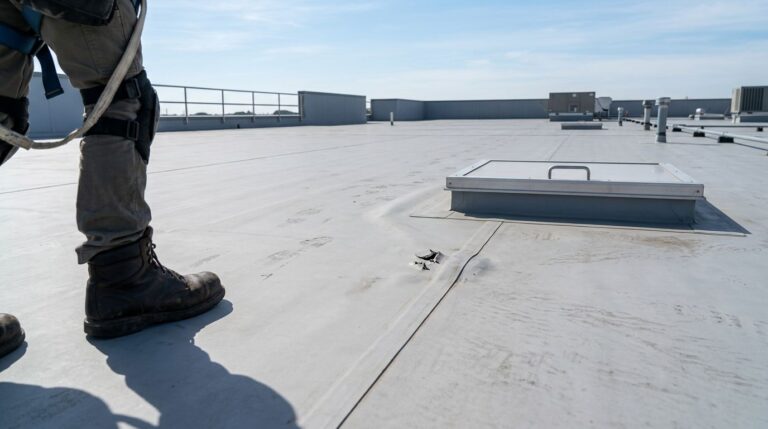
A membrane pulled at a curb or edge can involve attachment, restraint, movement or aged materials. A photograph cannot identify every cause. Record the location and extent, review adjacent details and determine what needs rebuilding before accepting a repair.
Simply adding sealant may leave the underlying stress unresolved. A useful commercial repair scope identifies the affected area, compatible materials and limits of the work. Where a roof is already leaking, consider whether concealed layers also need investigation.
4. Some exposures require special compatibility review
Identify exhaust outlets, grease, oils and maintenance chemicals before specifying a roof or repair. For example, Carlisle’s pressure-sensitive cured flashing data sheet cautions against contact with specified waste products and direct steam venting. That is a component-specific restriction; check the complete system rather than assuming all roof products react identically.
The next step may be containment, a changed detail, an approved protective component or another specified assembly. Do not test an unknown cleaner or generic roof cement on the membrane to see whether it works.
5. Black EPDM is not the only EPDM option
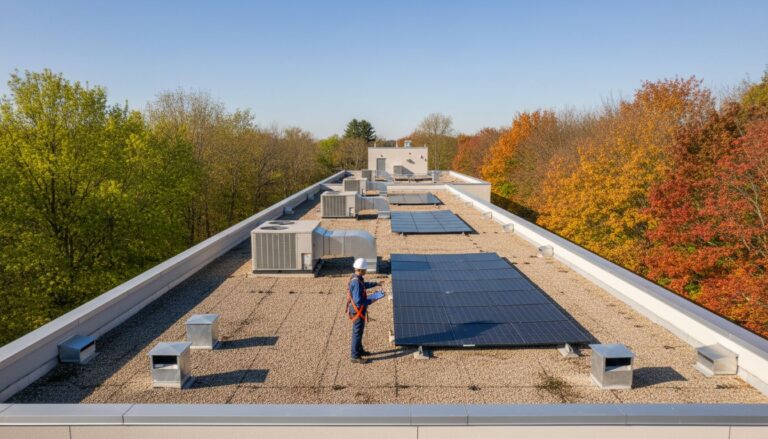
Traditional black EPDM is less reflective than a comparable light-colored surface, but white EPDM products also exist. Evaluate the actual roof product instead of treating EPDM as necessarily black or TPO as the only reflective choice.
ENERGY STAR’s cool-roof guidance explains that climate, insulation and building systems affect the energy outcome. A Twin Cities roof should not be selected using a promised utility saving that has not been evaluated for the property.
When can EPDM still be a suitable choice?
A specified low-slope assembly
EPDM remains an option when its membrane, attachment, accessories and supporting layers satisfy the design and service needs. Product choices include different reinforcement, backing and color options. Evaluate the proposed configuration rather than a generic list of drawbacks.
A serviceable existing roof
A localized defect does not automatically require changing materials or replacing the entire roof. A compatible repair may be sensible where the surrounding assembly is suitable and the underlying cause can be addressed. Confirm the condition and repair scope first.
For a side-by-side decision, read TPO versus EPDM in Minnesota. Maintenance, drainage and sound detailing matter for both; they are not disadvantages unique to EPDM.
An inspection record that avoids jumping to conclusions
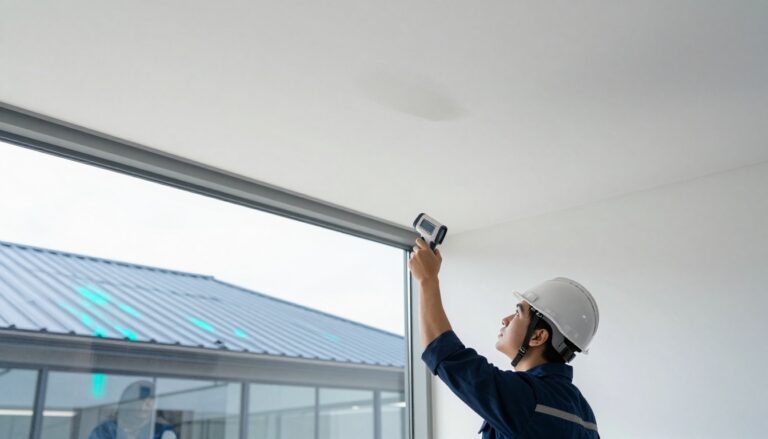
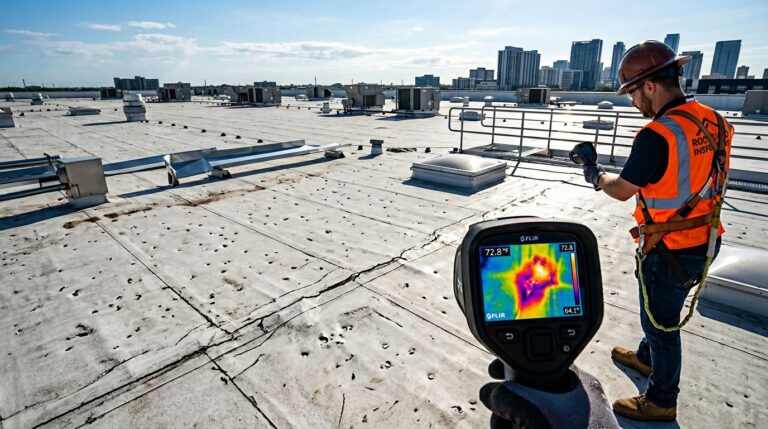
An owner reports staining after a rooftop service visit. The assessor finds a surface defect near the access route. The record should document the defect and leak history, leave the cause and concealed conditions open where unproven, and specify any further investigation. It should not automatically attribute all damage to the equipment contractor or conclude that every EPDM roof should be replaced.
Questions for your inspection and maintenance plan
- What system is present, and are the proposed repair materials compatible?
- Which observations are confirmed, and which conclusions need testing?
- Are seam, flashing, edge and drainage concerns mapped separately?
- Where does rooftop traffic occur, and what protection is provided?
- What chemical or equipment exposures need manufacturer review?
- Which work is included, and what requires separate approval?
- How will completed repairs and future checks be recorded?
Use our commercial inspection service to discuss assessment requirements and our maintenance guide for follow-up planning. Do not send untrained staff onto a roof to perform repairs or collect photographs.
EPDM roofing questions
Is EPDM always cheaper than TPO?
No. Installed cost depends on the measured area, assembly, removal, insulation, details, access and project requirements. Compare current, equivalent proposals. This page does not quote a universal installed rate or imply that a cheaper membrane automatically means a cheaper complete project.
Does standing water prove that EPDM is the wrong material?
No. Investigate drainage, roof geometry and related details before attributing the problem to the membrane. Changing the covering without addressing the source of a drainage defect may leave the underlying problem unresolved.
Can a roof look intact while insulation is wet?
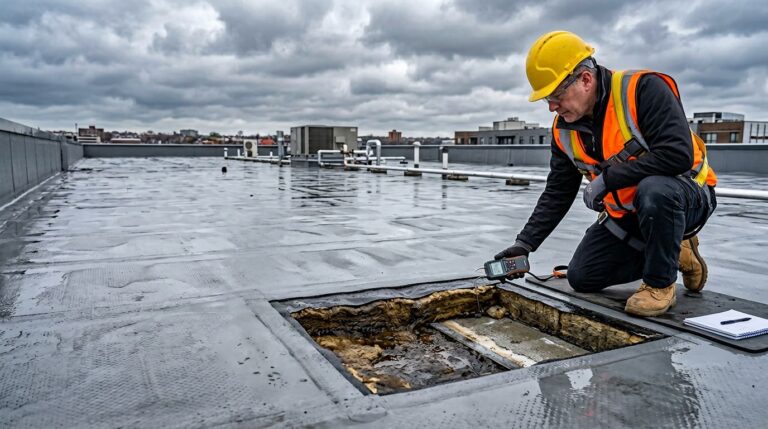
Yes. Visible condition does not prove the state of concealed materials. The assessment should explain whether testing is needed, what was sampled and what remains unknown. A replacement or recover recommendation needs evidence appropriate to its proposed scope.
Discuss the roof you have, not a generic material verdict
Sellers Roofing works with Saint Paul and Twin Cities owners on commercial roof decisions. Share the address, roof records and concern. Request an assessment and a written scope; call about an active leak to discuss availability.
Need a roof inspection in Saint Paul or the Twin Cities? Call Sellers Roofing Company at +1-651-703-2336 or schedule a free estimate. We are a black-owned, NMSDC-certified MBE roofing contractor with 9+ years experience.