Last updated: 2026-08-01 by Ted Sellers, Owner
In most Minnesota condos, the association pays for hail damage to the roof because the roof is usually a common element covered by the master policy. If hail also damages drywall, flooring, or contents inside your unit, your own condo policy may cover that part. The master deed, declaration, and bylaws decide the final split.
When This Applies
This question comes up when hail hits a condo building and the damage crosses the line between shared structure and private space. The roof, outside walls, and other common parts are often the association’s responsibility. The inside of your unit is usually a different story.
The roof is usually the association’s job
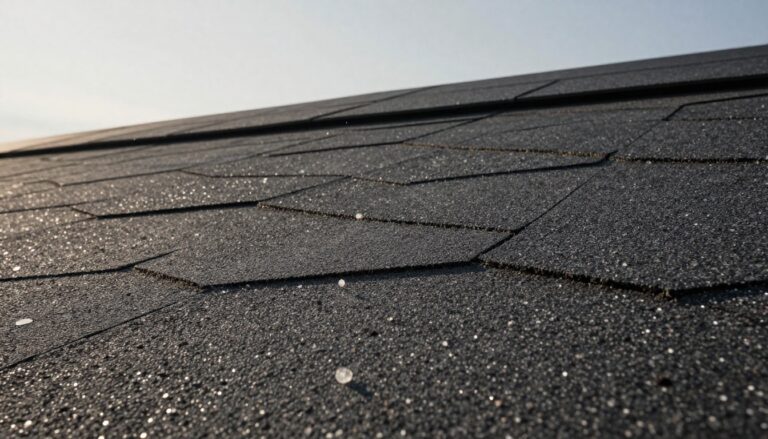
In many Minnesota condos, the roof belongs to the association because it protects the whole building. That means the association usually opens the claim for the roof itself, not the unit owner. The master policy often pays first, then the association sorts out the deductible and any uncovered amount.
For a plain-English overview of how condo insurance splits shared areas and unit interiors, see condominium insurance basics.
A quick comparison helps:
| Damage location | Usually pays first | Why |
|---|---|---|
| Roof membrane, shingles, flashing, decking | Condo association or master policy | The roof is usually a common element |
| Drywall, paint, flooring, cabinets, contents | Unit owner or HO-6 policy | That is inside the unit |
| Roof area labeled limited common element | Depends on the declaration | The governing documents control |
| Damage tied to neglect or a unit source | Could shift to the owner | Cause matters as much as location |
The master deed decides the starting point. The policy decides how the check is written.
Your condo policy usually covers the interior piece
If hail opens the roof and water reaches your unit, your own policy may cover the interior damage. That can include stained drywall, ruined carpet, damaged furniture, and sometimes loss of use if the unit becomes unlivable.
The roof claim and the unit claim are often separate. That matters because a roof repair can be paid by the association while your indoor damage gets handled under your own policy. If you own upgrades, finishes, or personal items, keep those separate in your records.
When the documents change the answer
The words “common element” and “limited common element” matter more than people expect. A limited common element still serves one unit, but the association rules may assign maintenance or repair costs in a different way. Some bylaws also let the board charge part of the deductible back to owners after a storm.
That is why the master deed and declaration matter before anyone starts arguing about blame. If the roof is part of a mixed-use building or a shared low-slope system, the repair can look a lot like commercial flat roof repair, and a wide hail loss can even push the project toward commercial roof replacement. The legal split still comes first, but the roofing scope still matters.
Step-by-Step
1. Read the condo documents before you argue about payment
Start with the master deed, declaration, bylaws, and master policy declarations page. Those papers tell you whether the roof is a common element, who handles deductible costs, and whether the association has ordinance or law coverage for code-related upgrades.
If the language is unclear, ask for the exact section that covers roof repair, deductibles, and special assessments. Do not settle for a verbal answer from a neighbor or board member. The document language matters more than the opinion.
2. Document the hail damage before anyone covers it up
Take photos of the roof, the building exterior, and every room with water stains or leaks. Save the storm date, time, and any reports you already have. If the roof is leaking, place buckets, move furniture, and use temporary protection, but do not start permanent work.

If the roof has a flat section or the leak path is unclear, commercial roof leak detection services can help trace where the water entered before the evidence disappears. That matters when hail damage shows up as ceiling stains far from the actual roof opening.
3. File the right claim or claims
Usually, the association files the roof claim. You file your own claim only if hail damaged the interior of your unit or your personal property. That split keeps the roof work and the unit loss from getting tangled together.
Tell the board and the insurer about the active leak right away. Ask for written approval for emergency dry-in work if the roof is open. Temporary tarping or patching is normal after storm damage and does not mean you gave up the claim.
4. Compare the estimate to what the roof really needs
The first estimate often misses hidden damage. On a hail-damaged condo roof, that can include wet insulation, damaged flashing, broken edge metal, or membrane punctures that the first walk-through did not catch. Once crews open the roof, the scope may grow.
That is where a St. Paul commercial roofing contractor can help, especially on mixed-use properties or flat roof systems. The contractor can document what the adjuster missed and explain whether the building needs a targeted fix, broader commercial flat roof repair, or, in some cases, commercial roof replacement.
5. Push for a corrected scope before the job closes
If the payment looks short, ask for the line-item estimate and the reason each item was cut. Compare membrane, insulation, flashing, disposal, code items, and any deductible pass-through language. Many disputes come from missing scope, not from one bad number.
If the claim still does not match the damage, ask for a supplement or reinspection. A supplement is a correction, not a new claim. It ties extra payment to damage that was missed the first time.
FAQ
Does my condo insurance pay for the roof itself?
Usually not. The association’s master policy normally pays for the roof because the roof is part of the shared building structure. Your condo policy usually comes into play for the inside of your unit, your belongings, and other covered interior losses.
What if hail damaged my ceiling but the roof looks fine?
That can still be a roof loss. Hail can open a small pathway that lets water travel before it appears inside. Save photos, note the storm date, and ask for a roof inspection before repairs cover the evidence.
Can the association charge owners for part of the deductible?
Sometimes, yes. Some declarations or bylaws let the board spread a deductible across owners, or charge it to the affected unit. The exact rule comes from the governing documents, so check the wording before you agree to any assessment.
What if the roof is labeled a limited common element?
Then the answer may change. A limited common element serves one unit or a small group of units, but the declaration decides who maintains it and who pays. Do not guess based on the name alone. Read the governing documents.
What if the insurer says the damage is wear, not hail?
Then the fight is about cause, not just cost. Old wear, bad maintenance, and hail damage are treated differently. Ask for the denial in writing, collect photos and weather records, and get a contractor opinion that separates old defects from the storm hit.
Final Takeaway
For most Minnesota condos, hail damage to the roof is paid by the association through the master policy. Damage inside a unit usually belongs to the unit owner’s policy, unless the documents say something different.
The real answer sits in the master deed, declaration, bylaws, and policy language. If hail hits the roof, document it early, keep emergency repairs temporary, and read the papers before anyone decides who owes the bill.
Need a roof inspection in Saint Paul or the Twin Cities? Call Sellers Roofing Company at +1-651-703-2336 or schedule a free estimate. We are a black-owned, NMSDC-certified MBE roofing contractor with 9+ years experience.