Last updated: 2026-08-01 by Ted Sellers, Owner
Yes, often it does. A detached garage is usually covered under the other structures coverage part of a homeowners policy, so hail damage to that roof can be paid after the deductible. The exact result depends on your policy limit, any wind or hail deductible, and whether the damage is functional. If the garage is attached, the claim is handled as part of the dwelling instead.
When This Applies
Detached garage coverage under a Minnesota policy
This question applies when the garage stands apart from the main home and the policy lists it as an outbuilding or other structure. In that setup, hail damage to the roof, flashing, vents, or sheathing may be covered if the storm caused real physical damage.
It does not apply the same way if the garage is attached to the house. In that case, the roof usually falls under dwelling coverage, and the claim may be reviewed under different limits. It also changes if the garage sits on a commercial property or is insured under a business policy. Then the policy language can be different.
When hail damage is usually covered
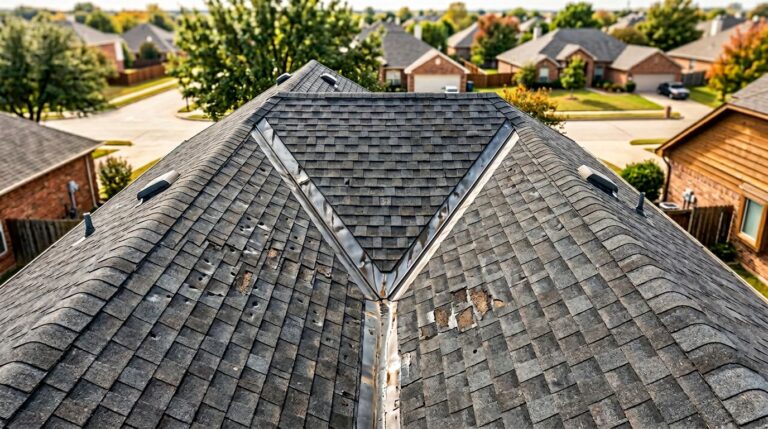
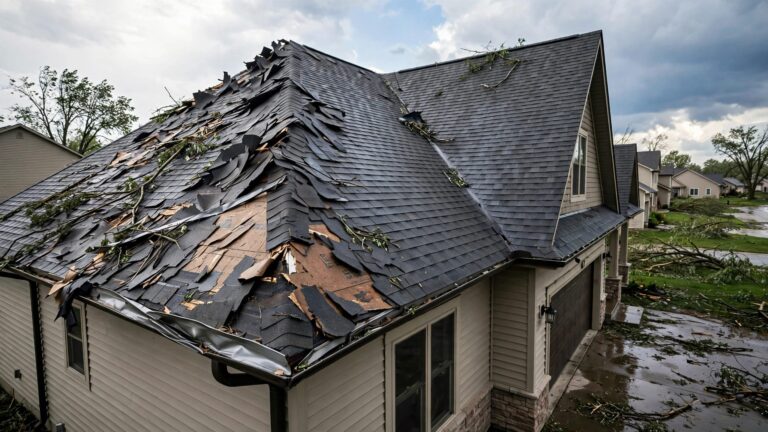
Most standard policies cover hail damage, minus the deductible. That includes damage that opens the roof, breaks seals, dents metal in a way that affects performance, or allows water inside. Progressive’s hail damage overview reflects that general rule well.
Minnesota policies often treat hail seriously because storms can damage roofing fast. The carrier may still cap payment at a percentage of the home limit, so the roof can be covered without the full cost being paid. That cap matters if the detached garage is large or finished.
When coverage gets limited
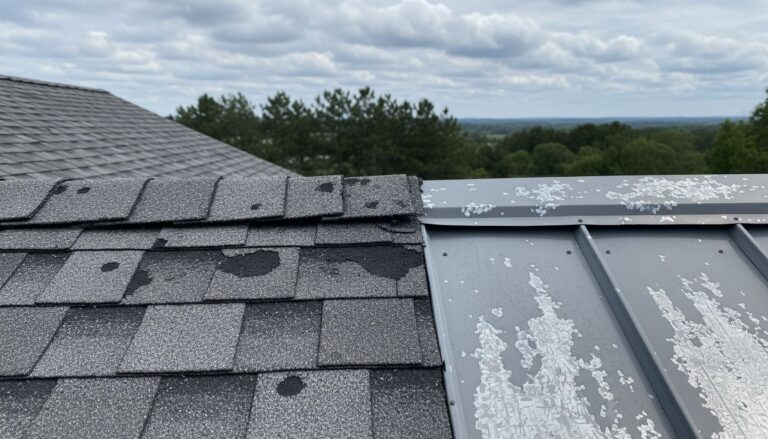
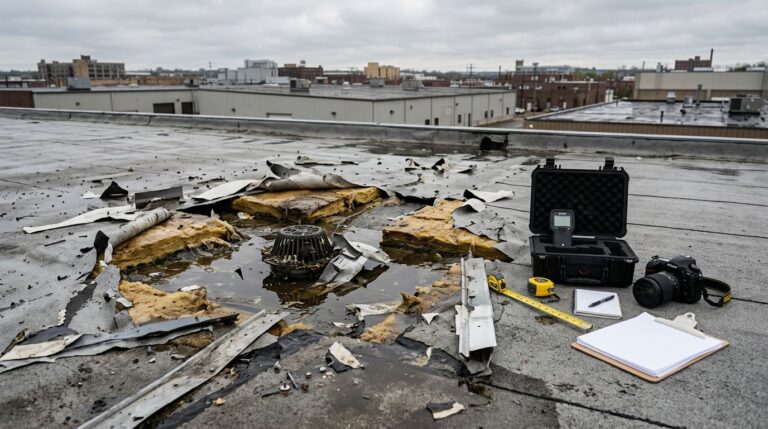
Some policies draw a line between cosmetic dents and functional damage. A few hail marks on a metal panel may not be enough if the roof still sheds water. Splits, punctures, lifted seams, broken flashing, or wet insulation are stronger claim evidence.
If the garage roof is flat or low-slope, hidden moisture can travel before it shows inside. In that case, professional commercial roof leak inspection can help trace the leak path before the evidence changes. That matters when the first look is unclear and the adjuster needs a cleaner record.
Step-by-Step
1. Read the policy section that covers the garage
Start with the declarations page and the section on other structures. You want to know three things right away: whether the garage is listed, what the limit is, and whether a separate wind or hail deductible applies.
Look for language about cosmetic damage, matching, ordinance or law coverage, and any exclusions for wear, rot, or old repairs. If the garage roof needs more than a quick patch, the policy language becomes even more important. The insurer pays based on what the policy covers, not on what the roof needs in a perfect world.
The claim is usually won or lost on proof and policy wording, not on the first estimate number.
2. Photograph the roof before any patch
Take wide shots, close-ups, and interior photos if water came through. Capture dents, bruised shingles, cracked sealant, bent flashing, loose ridge caps, and any stains on ceilings or walls. Date-stamped photos help separate fresh hail damage from older wear.
Keep the damage visible until the insurer or your roofer records it. A tarp or temporary dry-in is fine if rain is coming, because emergency protection does not weaken the claim. If the roof is slick, steep, or unsafe, don’t climb it yourself. A short delay is better than a fall.

3. Compare the damage to your deductible and limit
A small hail claim can look covered and still pay little after the deductible. If the repair cost is close to the deductible, the claim may not produce much money. That does not mean the damage is fake. It means the policy math is tight.
Check whether the policy pays replacement cost or actual cash value. If depreciation applies, part of the payment may come later after repairs are finished and documented. That matters on older garage roofs where the first check may be much smaller than the full repair bill.
4. File the claim with a clear cause of loss
When you call the carrier, keep the story simple. Say when the hailstorm happened, what part of the garage is damaged, and whether water entered. Ask for the claim number and written permission for emergency mitigation if needed.
Clear causation helps. If the roof had old wear and the storm hit a fresh weak point, document both. The insurer can deny old deterioration but still cover the new hail loss. That distinction is common on older roofs, and it matters when the carrier tries to group everything together.
5. Get a written repair scope before you accept the first decision
Ask a roofer for a line-by-line scope. The estimate should show the damaged areas, materials, labor, disposal, and any hidden issues found after inspection. If the garage only needs spot work, the fix may be simple. If the roof is more damaged than the first walk-through showed, the scope can change fast.
That same approach applies when a commercial roof needs repair after hail. A limited issue may call for commercial flat roof repair. Wide saturation, failed seams, or repeated leaks can point toward commercial roof replacement instead. For larger properties, a local team like commercial roofing services in St. Paul can help document the difference and keep the claim tied to the storm.
FAQ
Does an attached garage use the same coverage?
Not usually. An attached garage is typically treated as part of the dwelling, so the claim follows the home coverage instead of other structures coverage. That can change the deductible, the limit, and how the adjuster writes the scope.
What if only a few shingles or panels are dented?
A small area can still be covered if the hail caused functional damage. The key question is whether the roof still sheds water as it should. Cosmetic marks alone are harder to claim, especially if the roof is older and still performs well.
Is a separate wind and hail deductible common in Minnesota?
Yes, some policies use one. That deductible can be higher than the standard home deductible, so the out-of-pocket cost may surprise you. Insurance.com’s hail claim guide notes that hail claims usually come with a deductible, which is why the policy check matters before you plan repairs.
What if the insurer says the damage is old wear?
Ask for the reason in writing and compare it to your photos, service records, and storm date. If the carrier is right about one part of the roof but wrong about another, push for a partial approval instead of accepting a full denial. Fresh hail damage can still be covered even when old wear is also present.
Should I wait for the adjuster before tarping the roof?
No. Temporary dry-in work is smart when the garage is leaking. Use a tarp, seal the open area, and protect anything inside that could be damaged. Keep receipts and notes, because emergency work shows you acted to limit loss, not to hide evidence.
Conclusion
For most Minnesota property owners, a detached garage roof hit by hail is covered when the garage falls under other structures coverage and the damage is more than cosmetic. The policy limit, deductible, and proof of fresh loss decide how much the claim pays.
The cleanest claims come from fast photos, plain policy review, and a written scope that separates old wear from new hail damage. When the roof is documented well, it is much easier to tell what the insurer owes and what still needs repair.
Need a roof inspection in Saint Paul or the Twin Cities? Call Sellers Roofing Company at +1-651-703-2336 or schedule a free estimate. We are a black-owned, NMSDC-certified MBE roofing contractor with 9+ years experience.