Last updated: 2026-08-01 by Ted Sellers, Owner
Performing a curled shingles repair is often a viable solution when the issue is localized, the asphalt shingles remain flexible, and the integrity of the roof deck is still intact. If curling becomes widespread, the material begins to crack, or signs of water intrusion appear, a full roof replacement is typically the safer and more cost-effective choice.
On commercial properties with shingled slopes, the same logic applies; address small, stable issues with targeted repairs, but opt for a total roof replacement when the damage is extensive or the system is failing.
Key Takeaways
- Assess the Scope: Localized curling can often be repaired if the asphalt remains flexible, but widespread curling, cracking, or granule loss indicates the roof has reached the end of its lifespan and requires replacement.
- Prioritize Structural Integrity: Before performing any repairs, inspect for signs of water intrusion, such as interior stains or damp insulation, to ensure the underlying roof deck is not compromised.
- Avoid the Repair Cycle: While small patches can provide a temporary fix, recurring maintenance on an aging roof is often less cost-effective and more disruptive than a full replacement.
- Document Everything: Whether you are patching a few shingles or planning a full project, maintaining a clear record of inspections, photos, and repairs is essential for insurance claims and long-term asset management.
When This Applies
Small, isolated curling on a roof that still sheds water
This question comes up most on small commercial buildings, mixed-use properties, apartment buildings, and office additions that still use asphalt shingles on sloped sections.
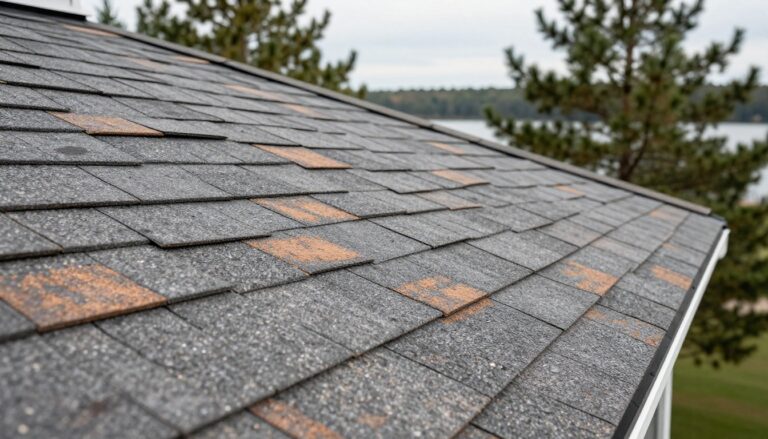
You may notice your roof experiencing cupping and clawing, which are common forms of deformation where the edges of the material lift away from the surface.
A few curled tabs near a ridge or edge can often be fixed without a full tear-off, especially when the rest of the roof is holding its shape.
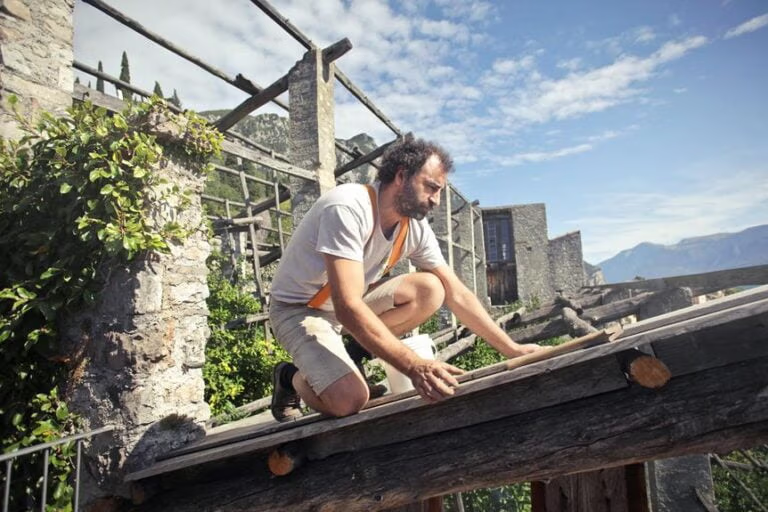
A professional roof inspection is essential to determine if these curling shingles represent a simple patch job or a sign of significant roof aging.
This process helps differentiate between localized wear and widespread failure. When you are weighing a patch against a larger project, deciding between roof repair and replacement helps frame the choice around objective condition, not guesswork.
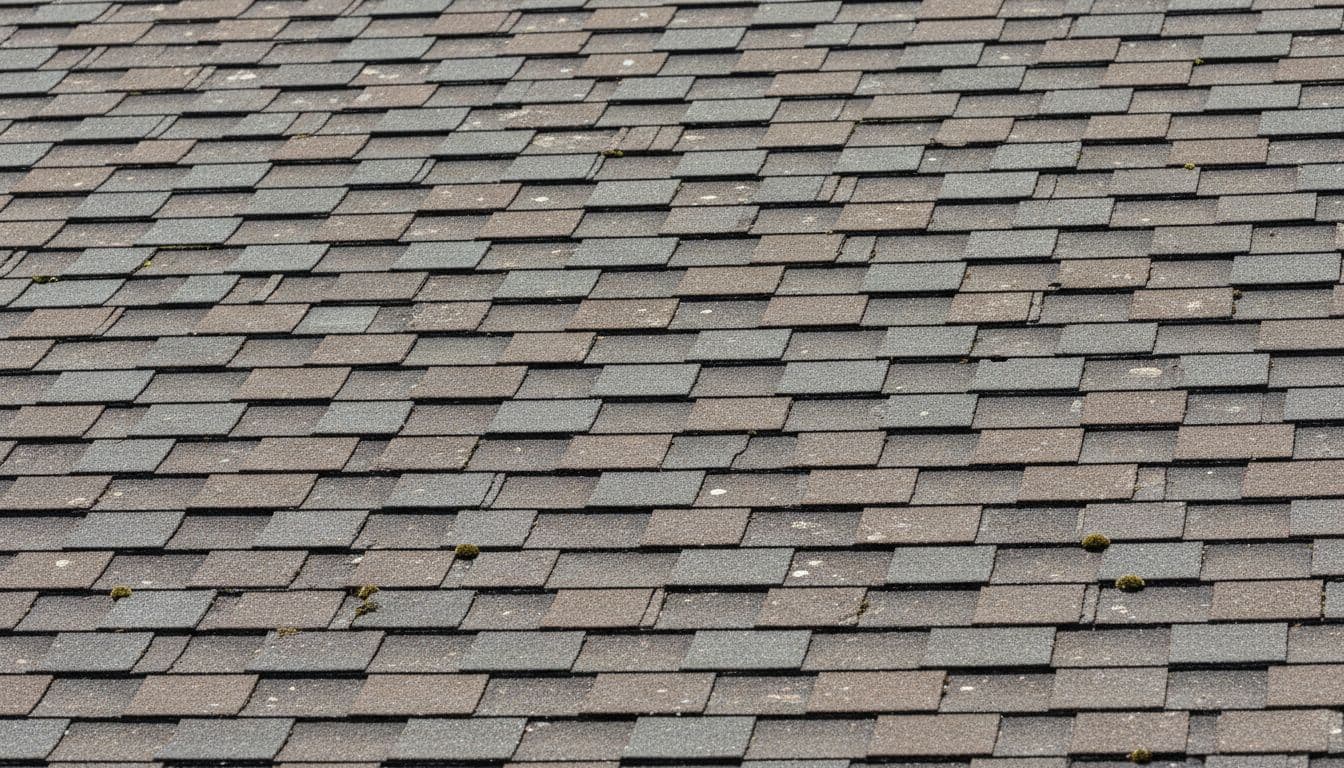
Curling that stays local can often be repaired. Curling that spreads, cracks, and leaks usually points to replacement.
When curling means the roof is past spot repair
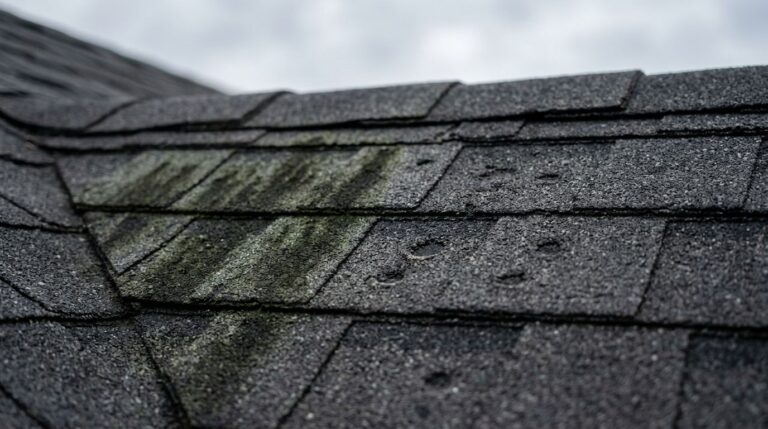
Once curling covers wide areas, the question of whether a commercial roof needs repair turns into a replacement question. This degradation is often accelerated by intense uv rays, which dry out the materials and break down their structural integrity over time. Replacement is the necessary next step when the shingles become brittle, exhibit significant granule loss, or fail to lie flat even after a warm afternoon.
Replacement is usually the better business decision when the roof leaks in more than one place, when repaired sections keep failing, or when a contractor has to keep chasing the same issue. A repair can buy time, but it should not turn into a cycle of repeat service calls.
Low-slope roofs follow a different rule
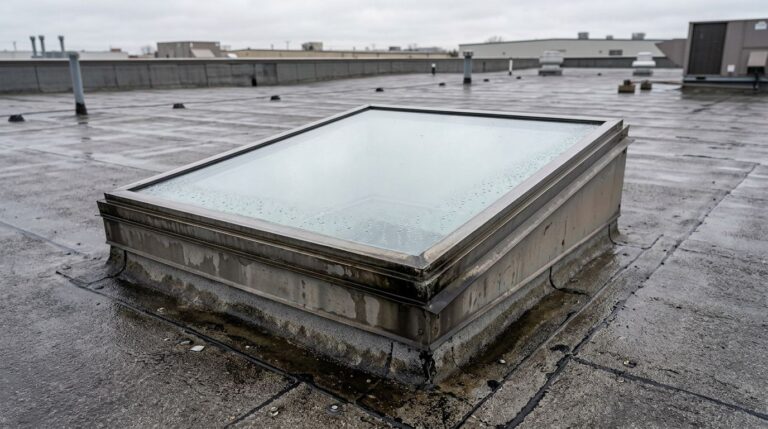
If the building uses a low-slope membrane instead of shingles, this is a different problem. The fix may be commercial flat roof repair, leak tracing, or a membrane replacement plan, not shingle work. Curling logic does not carry over cleanly to TPO, EPDM, or modified bitumen.
Step-by-Step
1. Map the curling before you touch it
Start with photos from the ground and from safe roof access to conduct a thorough roof inspection. Focus on edges, ridges, hips, valleys, and the slopes that receive the most sun. You want to know whether the damage is limited to a few bad shingles or if it represents a widespread pattern across the entire roof.
This is where old wear and fresh damage need to stay separate. If a storm, wind event, or falling debris is part of the story, document that before anything is moved or sealed down. A clean record makes the repair decision easier and keeps the scope of work honest.
2. Check for leaks, soft spots, and hidden moisture
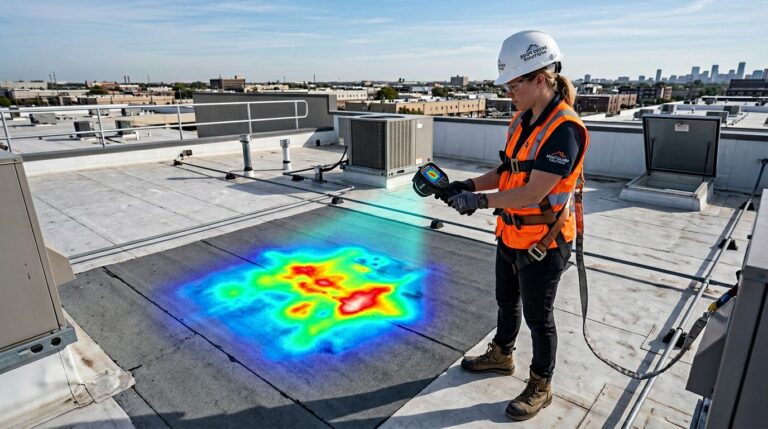
Look inside for stains, damp insulation, or ceiling sag. On the roof, watch for lifted seals, split tabs, exposed nail heads, and spots where water can work under the shingle. If you suspect hidden moisture or signs of water damage, check the attic or crawl space to ensure the structural integrity of the roof deck has not been compromised. If you suspect hidden leaks, commercial roof leak detection is the right next step.
If water is already inside
Temporary dry-in work, interior protection, and leak tracing do not weaken your claim if insurance gets involved. They show you acted fast and kept the loss from growing. Keep the work temporary, save the receipts, and avoid tearing into large sections before the roof is documented unless safety forces you to act.
3. Compare the repair bill to the roof’s remaining life
A small repair only makes sense when the rest of the roof still has useful life left. If the shingles are brittle, the surface is losing granules fast, or the same slopes keep failing, the math changes quickly.
A commercial roof repair vs. replacement cost considerations guide for commercial properties makes a simple point that applies here too; repeated repairs near the end of a roof’s life often cost more than one clean roof replacement. For a business owner, that matters because each repair brings labor, disruption, and more risk of another leak.
4. Choose the next move and document it
If the damage is local, replace the curled shingles by gently lifting the surrounding tabs with a pry bar, removing the old roofing nails, and sliding a new shingle into place. Secure the tabs down using a small amount of high-quality roofing cement or roofing adhesive to ensure they remain wind-resistant. If the curl is widespread or the shingles crack as soon as they are lifted, approve a full replacement before more labor gets wasted.
On larger properties with mixed roof types, a commercial roofing services in Saint Paul inspection from a professional roofing contractor can separate the shingled section from membrane sections and keep the scope clean. That helps you avoid guessing where one system ends and another begins.
Before any permanent work starts, keep photos, dates, estimates, and receipts. That makes it easier to separate old wear from fresh damage and gives you a clear record if the roof claim gets reviewed later.
FAQ
Can a few curled shingles be repaired without replacing the whole roof?
Yes, if the curling is limited and the shingles are still flexible. A repair may involve swapping damaged shingles, re-sealing tabs, or correcting a small fastening issue.
If the shingles crack during handling or the surrounding roof has the same problem, the repair is no longer a small job. At that point, replacement may be the better move.
What usually causes shingles to curl?
Heat, age, poor attic ventilation, repeated moisture, and weak fastening are common causes. If ridge vents or soffit vents are blocked, heat and moisture trap under the roof deck, which accelerates the damage. In some cases, curling is the result of manufacturing defects or improper installation during the initial build. Sun exposure also speeds up the problem on certain slopes, especially where the roof gets long afternoon heat.
On commercial buildings, rooftop equipment and uneven airflow can also make some roof areas age faster than others. That is why one section can curl while another still looks sound.
Does curling always mean there is a leak?
No. Curling can show up before water gets inside. A roof can still shed water for a while even after the shingles start lifting at the edges.
Still, curled shingles create a better path for wind-driven rain. Once the roof opens up to weather, leaks can follow after the next storm or freeze-thaw cycle, increasing the risks of ice damming and long-term mold growth within the roof structure.
Is it safe to seal curled shingles back down?
Only as a short-term fix, and only when the shingles still have some flexibility. If the shingles are brittle, using a sealant to force them back down can cause cracking instead of solving the problem. Keep in mind that this process rarely restores a completely watertight seal.
A surface fix also does nothing if moisture is already under the roof covering. In that case, the real issue is below the tab, not on the top edge.
When is replacement the smarter business decision?
Replacement makes more sense when curling is widespread, leaks repeat, or the roof has reached the end of its functional lifespan. It also makes sense when repair costs keep climbing and the roof still fails after each fix.
For a business, the real test is predictability. If you cannot trust the roof through another season, a full replacement is often the cleaner financial choice.
Conclusion
The deciding factor is performance
Curled shingles are repairable when the problem is localized, the roof remains dry, and the materials still possess enough flexibility to be flattened. However, you must recognize that curling shingles compromise the roof’s protective barrier. These lifted edges create gaps that invite moisture, wind, and debris into your home or facility. While a temporary patch using roofing mastic can seal these spots, it is often a stopgap measure rather than a long-term cure.
For commercial owners, the best strategy is the one that protects the building without creating repeat maintenance work. Judge the roof by how well it performs rather than how one bad section looks from the ground.
If the roof still sheds water effectively and the damage is confined to a small area, repair may be sufficient. Conversely, if the surface is failing across wide sections, the roof is signaling that a full roof replacement is the more reliable investment for your long-term peace of mind.
Need a roof inspection in Saint Paul or the Twin Cities? Call Sellers Roofing Company at +1-651-703-2336 or schedule a free estimate. We are a black-owned, NMSDC-certified MBE roofing contractor with 9+ years experience.