Last updated: 2026-08-01 by Ted Sellers, Owner
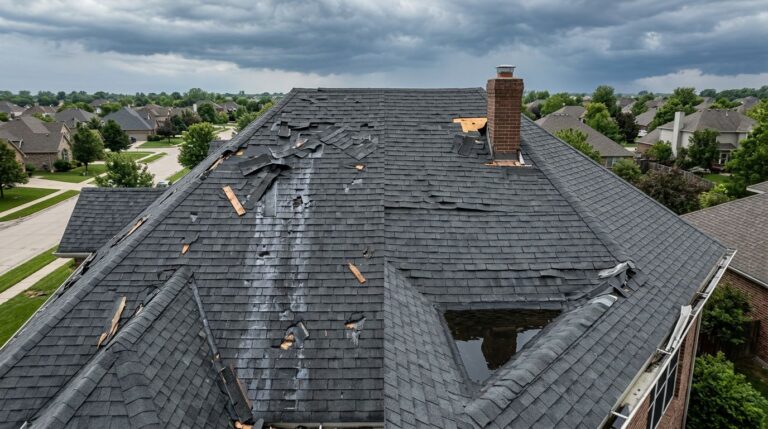
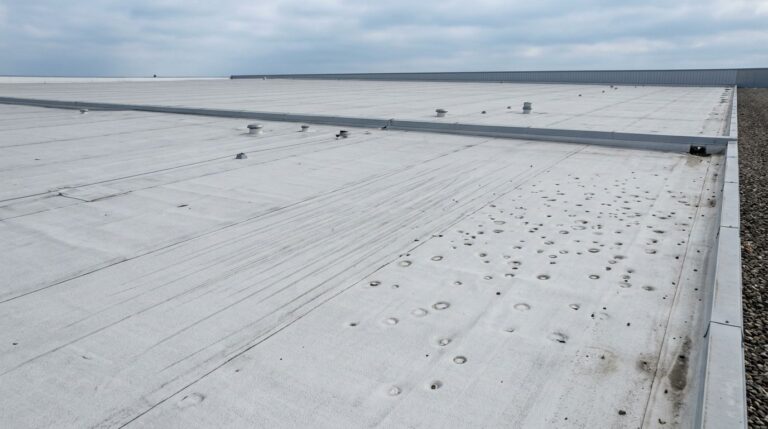
Flat roof leak detection is essential when there’s no drips inside, as a flat roof can leak without leaving a single ceiling stain because water intrusion often travels sideways above the deck.
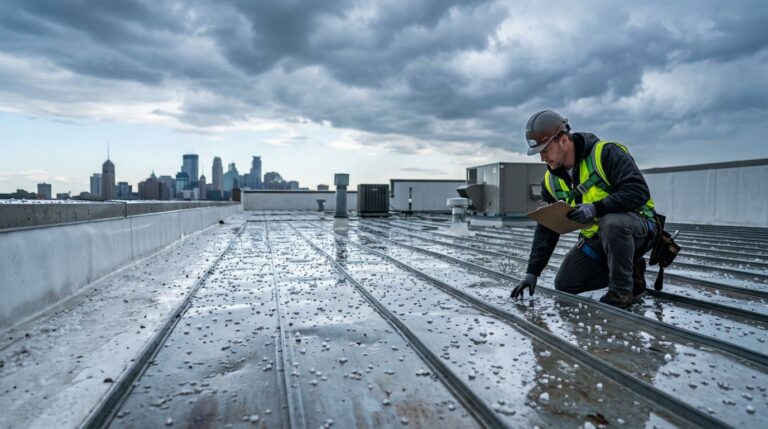
To locate it, start on the roof, not indoors. Inspect drains, seams, flashing, and penetrations, then narrow the search with moisture mapping (infrared or electronic testing). Finally, confirm the entry point with a controlled water test, then plan the right repair.
Even without drips, the leak may already be soaking roof insulation and lowering R-value, which can compromise the roof structure. That can raise energy costs and speed up roof aging.
For commercial owners, the goal isn’t guessing. It’s finding the true entry point so you don’t pay twice for the wrong fix.
When This Applies
This method fits most low-slope commercial roofs
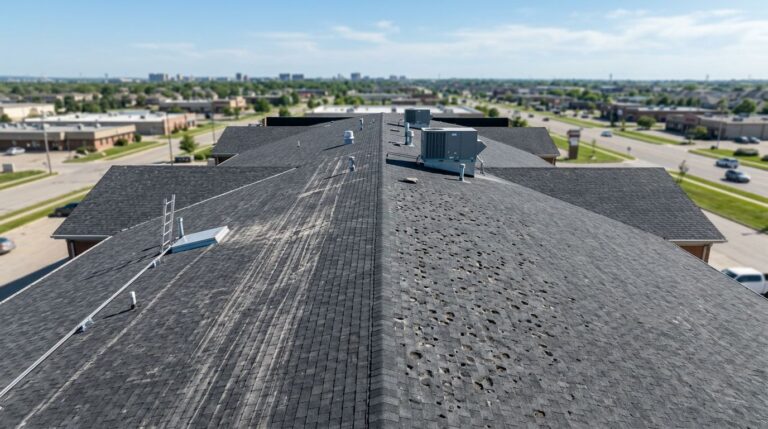
Use this approach if you own or manage a building with a low-slope system like TPO, EPDM, PVC, modified bitumen, BUR, or a coated roof, including industrial roofs. It’s also a good fit when the roof has lots of penetrations, such as HVAC curbs, pipe boots, skylights, and conduit supports. Those details act like “doorways” for water when sealants crack.
It also applies when your team says the commercial roof needs repair on industrial building roofs, but nobody can point to a wet ceiling tile. In that case, you’re chasing a hidden path, not a visible drip. Regular roof maintenance can help prevent these hidden leaks.
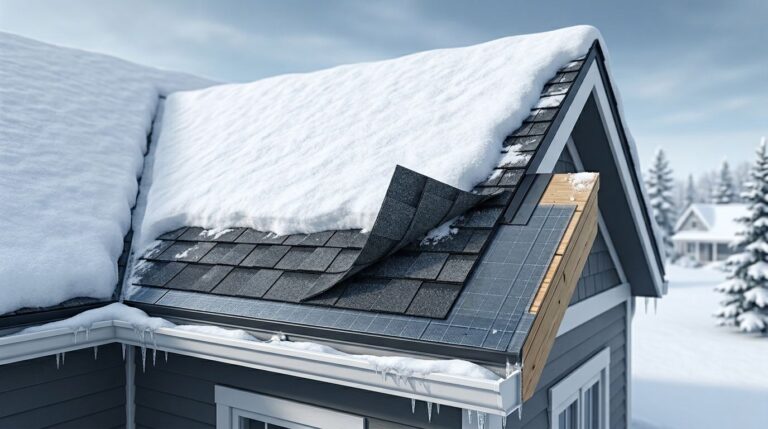
If you’re in the Twin Cities, climatic influences like freeze-thaw cycles add another twist. Seams and metal edges expand and contract, so small gaps open over time. A roof can pass a casual look and still leak during snowmelt or wind-driven rain. For local help that’s built around commercial systems, start with a Saint Paul contractor focused on low-slope work like Sellers Roofing Company’s commercial roofing services.
When “no drips” still means real water intrusion
A flat roof is like a dinner plate with a slow tilt. Water doesn’t always fall straight down. It can cause water pooling, follow fasteners, ride along a seam, or enter at one spot and show up far away later.
If you only fix the spot “closest to the complaint,” you can miss the source by 20 to 50 feet on a flat roof.
When this doesn’t apply (or needs extra caution)
Some situations call for a different playbook.
Condensation and HVAC issues can mimic a roof leak
If the “leak” shows up near diffusers, duct chases, or rooftop units, confirm it isn’t condensation, a clogged condensate line, or a humid indoor process problem. Those issues often appear even on dry weeks.
Wall, parapet, and coping leaks may bypass the roof field
Water can enter behind coping caps, counterflashing, or wall transitions, then drop inside without ever crossing the main membrane field. In those cases, include the wall interface in your inspection and testing.
Step-by-Step
Start wide, then narrow the search area
- Collect the pattern. Note dates, wind direction, snowmelt periods, and any rooftop work done recently to help find water leaks.
- Get safe access. Use fall protection, watch skylights, and avoid wet or icy surfaces.
- Mark a roof plan. Sketch drains, units, penetrations, and seams, then mark where the complaint area sits below.
- Check drainage first. Look for clogged drains, split drain bowls, loose clamping rings, ponding “bathtubs,” and issues with proper drainage.
- Inspect perimeter metal. Examine coping seams, edge metal, and termination bars for gaps, failed sealant, or fastener back-out.
- Walk the seams and laps. On TPO and PVC, look for cold welds, fishmouths, and scuffed areas at walk paths.
- Circle penetrations. Inspect pipe boots, pitch pans, curb flashings, and gasketed fasteners for cracks or shrinkage.
Use moisture tools to stop guessing
- Use thermal imaging cameras at the right time. After a sunny day, wet insulation can hold heat and show thermal bridges on scans in the infrared spectrum. Pair thermal cameras with a visible light camera for clear visuals. For a plain-language overview of why this works, see how infrared detects flat roof leaks. A handheld thermal camera works well for most jobs.
- Confirm with a moisture meter. Verify “hot spots” with non-destructive moisture detection readings in moist areas so you don’t chase false positives.
- Consider electronic leak detection. Low-voltage methods or those using sound frequencies can pinpoint membrane breaches on some systems, even when the roof looks fine. For large-scale industrial assessments, airborne inspections with drone systems offer radiometric video from thermal cameras.
- Core only when needed. If readings conflict, take targeted cores to confirm wet insulation depth and deck condition.
Confirm the entry point with controlled water testing
- Test one zone at a time. Start low on the roof, then move uphill, so you don’t wash water past the source.
- Use short soak cycles. Apply water for 10 to 15 minutes, then pause and monitor indoors or in the plenum.
- Block off runoff paths. Use towels or temporary berms to keep the test from flooding adjacent seams.
- Document the exact failure. Photograph the opening, measure its location from fixed landmarks, and log conditions.
Match the fix to the roof’s real condition
- Choose targeted sealing for isolated defects. This is common for small splits, punctures, or a single flashing issue.
- Plan a larger section repair when insulation is wet. Wet insulation usually means a broader cut-out and commercial flat roof repair, not a surface patch.
- Stop patching when failures repeat. If seams, edges, and penetrations fail across the roof, you may be near commercial roof replacement territory, especially to address the leak source.
If you want a professional process that combines inspection, moisture mapping, and documentation, schedule commercial roof leak detection Saint Paul so the repair targets the real leak source.
FAQ: Flat Roof Leaks With No Interior Drips
Can a flat roof leak only during snowmelt, not rain?
Yes. Snow can melt slowly, then refreeze at edges and drains. That creates mini dams and long ponding cycles. As a result, water has more time to work into tiny openings. Track events around warm afternoons and freezing nights, not just rainstorms.
What if the roof has multiple layers or an old overlay?
Overlays can hide saturated roof layers and let water travel farther, often saturating the roof insulation underneath. In that case, moisture mapping matters more than surface appearance. A few strategic cores can confirm how many roof layers exist and whether roof insulation is holding water.
Why it changes the plan
Wet material trapped under an overlay can turn a “small leak” into a bigger scope once you open the roof.
How do I tell a roof leak from an HVAC or plumbing issue?
Location and timing are your clues. If moisture appears during cooling season near units, check condensate drains, traps, and duct sweating. If it’s near restrooms or break rooms, rule out supply and drain lines. A simple refresher on common signs helps, see this roof leak detection guide.
Is a hose test safe on a commercial flat roof?
It can be, if you control it. Keep flow low, test small zones, and avoid flooding parapets or door thresholds. Also, don’t run water near live rooftop electrical work. If the roof is already ponding, skip the test and move to moisture mapping first.
When should I stop repairing and budget for replacement?
When leaks keep returning in new spots, when insulation shows widespread saturation, or when seams and edges fail across large areas. At that point, patching becomes unpredictable and downtime risk grows. A condition report with moisture data makes the repair versus flat roofing restoration or replacement decision much clearer.
A flat roof leak without drips is still a leak, it’s just taking the scenic route. The fastest path to a real fix is flat roof leak detection that narrows the wet area, pinpoints the leak source, confirms the entry point, and matches the repair to the roof’s condition.
When the evidence points to deeper saturation or repeating failures, act early to prevent roof degradation and restore a watertight seal before operations, inventory, and equipment pay the price.
Need a roof inspection in Saint Paul or the Twin Cities? Call Sellers Roofing Company at +1-651-703-2336 or schedule a free estimate. We are a black-owned, NMSDC-certified MBE roofing contractor with 9+ years experience.