Last updated: 2026-08-01 by Ted Sellers, Owner
A roof insurance supplement is a request to add money to an existing claim when the first estimate missed covered roofing work. It’s needed when hidden damage, code-required items, or inaccurate quantities show up after inspection or tear-off. For business owners, a supplement helps align the claim with the real cost of restoring the roof.
When This Applies
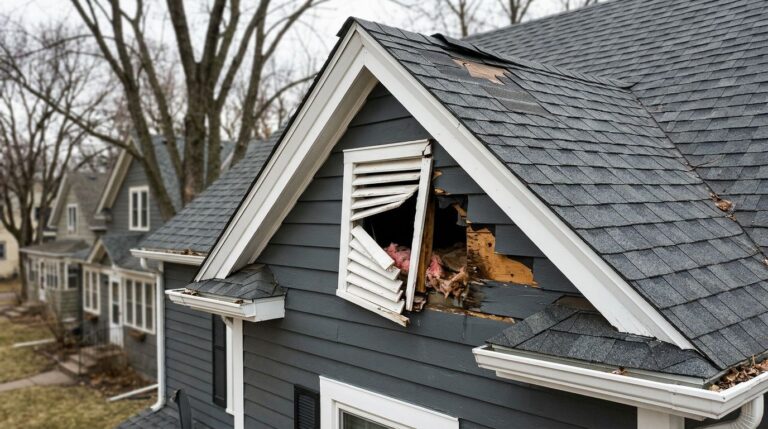
This applies to business owners, facility managers, and property teams handling an active commercial property claim. It matters most after hail, wind, falling debris, or a sudden leak tied to a covered event. You see it often on warehouses, retail centers, offices, and other low-slope buildings.
When the first insurance scope is too low
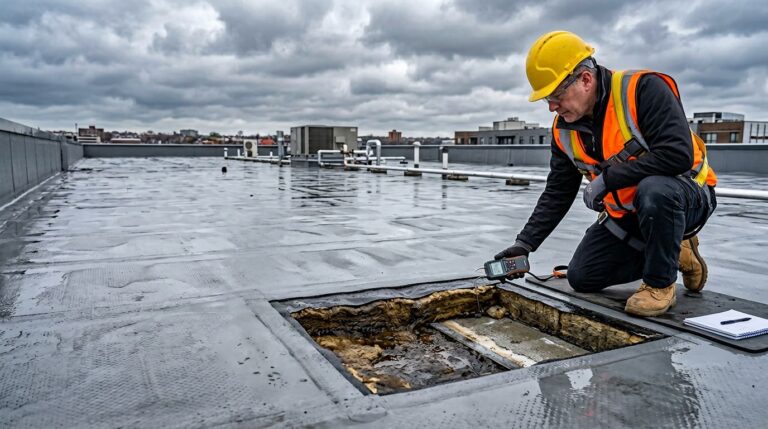
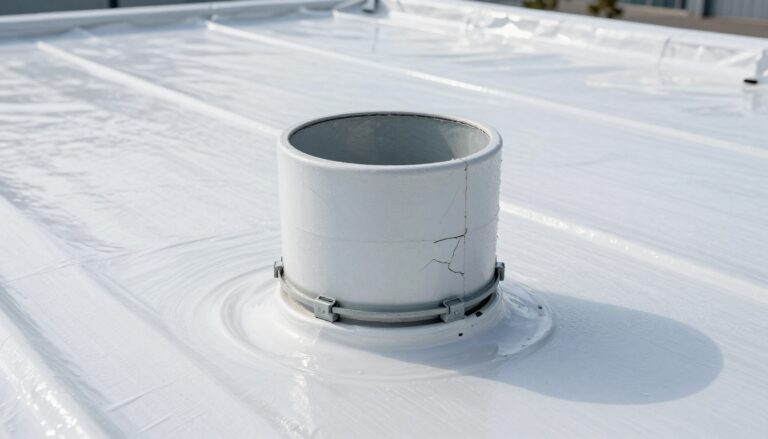
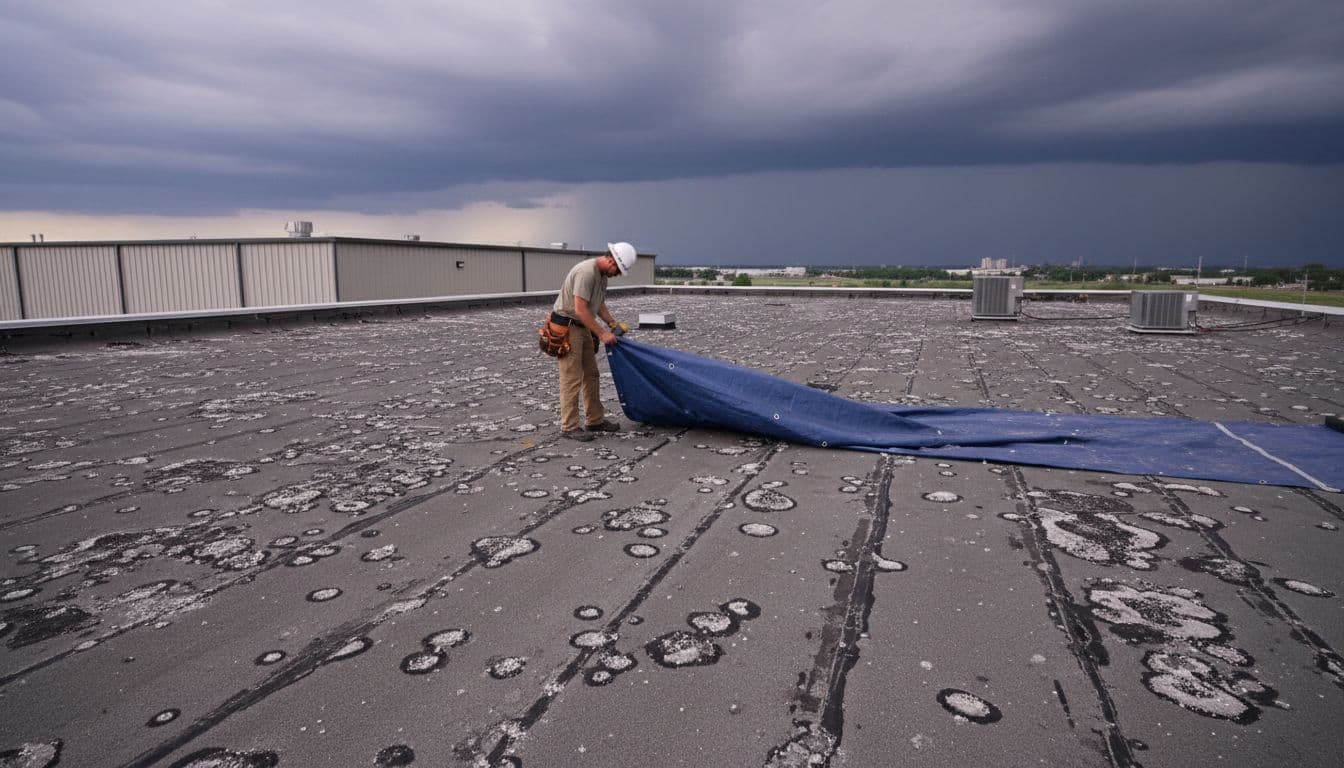
Most supplements come up after storm damage, leak tracing, or tear-off. The carrier’s first scope may allow for surface patches, but the roof team later finds wet insulation, damaged flashing, crushed edge metal, or membrane punctures beyond the marked area. That gap is where a roof insurance supplement belongs.
For leak-related losses, good insurance documentation for roof leaks makes a big difference. Photos, moisture readings, core cuts, and field measurements show why the original number no longer fits the job.
A supplement corrects missing covered work. It does not exist to pad a claim.
Hidden damage and code items
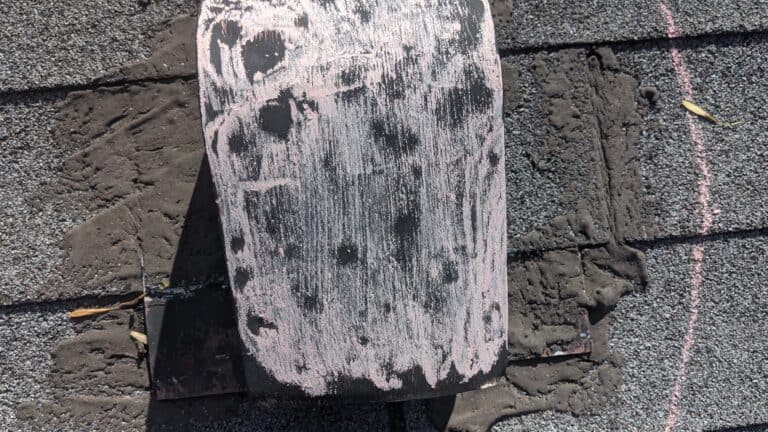
Some costs only appear once work starts. Fastener replacement, insulation thickness, or code-required edge details may not be visible from the first walk-through. When those items are tied to a covered loss, the supplement gives the adjuster a documented reason to revise the scope.
When a supplement does not fit
A supplement is not the right tool for old wear, neglect, or elective upgrades. If you want a different membrane, better insulation, or a redesigned drainage layout, that part usually sits outside the covered claim. You also can’t use a supplement to change deductibles, override exclusions, or fold in unrelated maintenance.
This also matters when a project starts as commercial flat roof repair. After tear-off, the damage may prove wide enough for commercial roof replacement. That change can support a supplement, but only if the added work stems from the same covered event. If the carrier agrees your commercial roof needs repair, the supplement should tie every extra dollar to documented damage, not preference.
Large roofs make this issue common because water often travels far from the entry point. A ceiling drip may sit far from the actual membrane breach, so the first adjuster visit may miss the full spread.
Step-by-Step
How to handle a roof insurance supplement
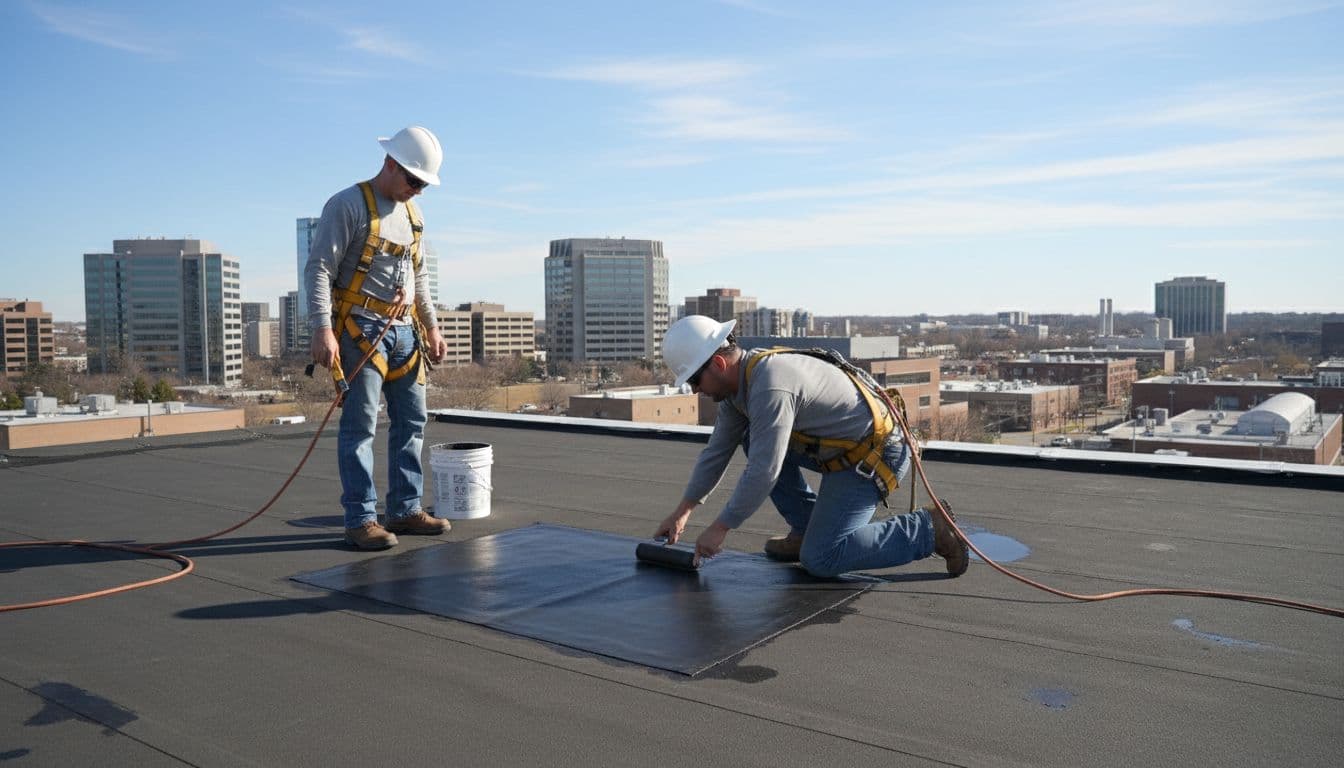
- Start with a line-by-line comparison. Match the insurer’s scope to your contractor’s scope, measurements, and site notes. If you want a smoother review, begin with a contractor from a team that handles commercial roofing insurance claims. On low-slope systems, one missed seam or one wet insulation board can change the whole repair plan.
- Document newly found damage. Take clear photos, mark test cuts, record moisture readings, and list every affected roof area. If tear-off exposed wet insulation or damaged decking, note where it was found and how much must be removed.
- Separate covered work from upgrades. Keep the claim clean. If you also want a better system, split that price out so the adjuster can review covered damage without confusion. Clean files usually get better responses.
- Send a written supplement package. Include the revised estimate, photos, measurements, code references when needed, and a short note explaining why the original scope is incomplete. A tidy package gets more attention than scattered notes.
- Meet the adjuster or request reinspection. Many supplements are resolved on site. Your roofer can walk the roof, point to missed items, and explain why a repair changed into a larger repair or replacement scope. That often cuts days of back-and-forth.
- Approve the final scope before closing the claim. Review what the carrier accepted and what it denied. Then match the payment to the actual work, whether that ends in targeted repair, section replacement, or a full reroof. The supplement does not rewrite the policy, but it can correct the scope.
- Save closeout records. Keep final photos, invoices, and change approvals. If a payment question comes up later, those records show the work matched the approved supplement.
Conclusion
What to remember
A supplement is a correction, not a loophole. When the first scope misses covered roof damage, it gives the claim a path back to the real job cost.
For a commercial owner, documentation carries the most weight. Clear photos, accurate measurements, and a roofer who writes a clean scope protect your budget, support the claim, and keep the project moving.
FAQ
Does a roof insurance supplement delay the job?
Sometimes, but not always. Emergency dry-in and temporary protection can usually start right away while the supplement gets reviewed. Temporary measures help limit interior loss while the paperwork catches up.
Can my roofer submit the supplement for me?
Often, the roofer prepares the estimate and support documents, while you approve or submit them through the claim process. The exact setup depends on the carrier and local rules.
Best practice
Make sure everyone knows who sends documents and who speaks for the claim. Mixed messages slow approvals.
What happens if the adjuster denies part of the supplement?
Ask for the reason in writing. Then answer it with better photos, clearer measurements, or a reinspection request. Many partial denials happen because proof was thin, not because the added work could never be covered.
Can a supplement turn repair work into a replacement?
Yes, if new evidence shows the roof cannot be restored with spot work. That often happens when tear-off reveals saturated insulation, failed seams, or damaged substrate across a wide area.
What the carrier wants to see
The carrier will want location data, quantities, and photos that connect the wider damage to the same covered loss.
What if my commercial roof needs repair in several areas?
Group the damaged areas by cause. If the same storm or leak event affected multiple sections, document each one. If some areas are older maintenance issues, keep them separate so the covered claim stays clear.
Need a roof inspection in Saint Paul or the Twin Cities? Call Sellers Roofing Company at +1-651-703-2336 or schedule a free estimate. We are a black-owned, NMSDC-certified MBE roofing contractor with 9+ years experience.