Last updated: 2026-08-01 by Ted Sellers, Owner
Yes, sometimes. Commercial property insurance can pay for wet insulation under a flat roof if a covered event, such as hail, wind, or a sudden membrane failure, let water in. It often will not pay when the insulation got wet from age, poor upkeep, long-term seepage, ponding, or flood water. The claim usually turns on cause, timing, and proof.
When This Applies
When coverage is most likely
This applies to commercial owners with a low-slope roof, a recent leak, and signs that water entered after a specific event. Common examples include hail impact, wind-lifted seams, punctures around rooftop units, or flashing that failed during a storm.
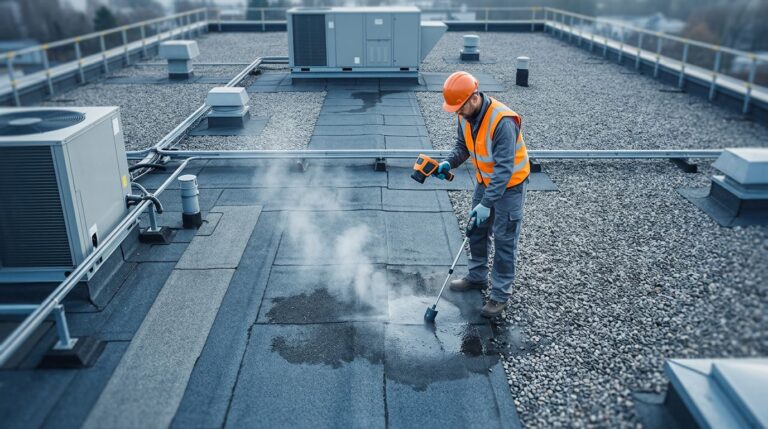
A wet insulation flat roof problem is often hidden. By the time ceiling tiles stain, the insulation may already be saturated. That is why early moisture mapping and a professional commercial leak inspection can make a big difference. Clear documentation helps show when the leak started and how far the damage spread.
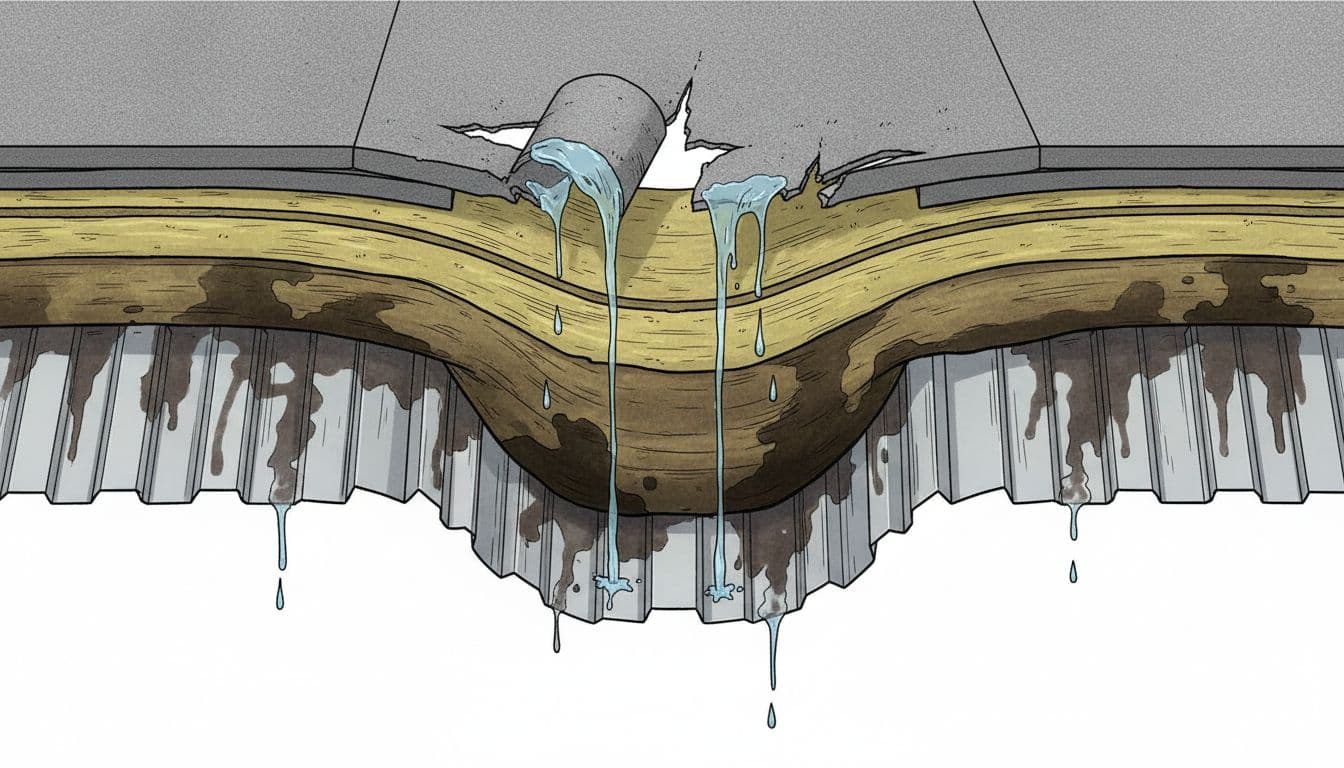
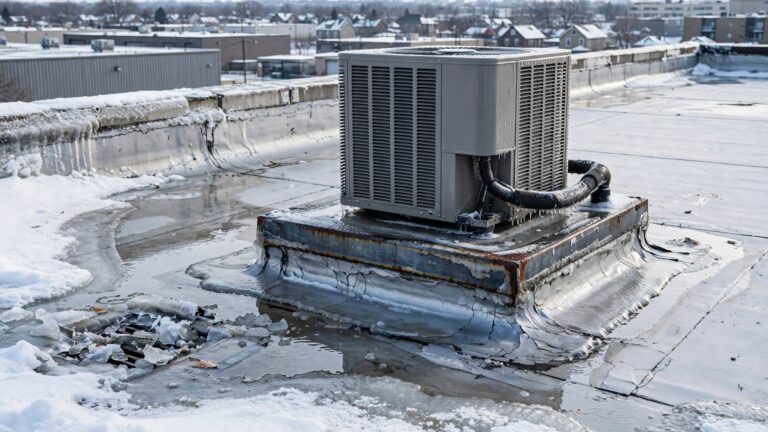
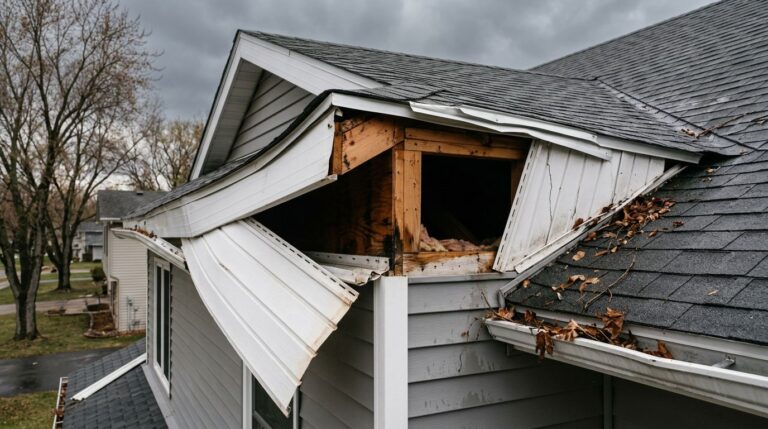
In Minnesota, this issue is showing up more often after hard freezes and quick thaws. Small splits can widen fast, especially on older flat roofs. If the insurer can connect the water entry to a covered cause, it may pay for removing and replacing the wet insulation, plus related roof work.
When it usually does not apply
Most carriers deny or limit payment when the damage looks old. If the roof leaked for months, drains stayed clogged, seams were open, or past patches failed from neglect, the insurer may call it wear and tear instead of a covered loss. That matters because maintenance problems usually fall on the owner.
Flood water changes the claim
If water entered from ground flooding rather than through the roof system, standard commercial property coverage may not respond. The Minnesota Department of Commerce flood insurance guidance explains that flood coverage is separate.
Roof age and valuation also matter
Older roofs often face tighter claim review. Some policies pay replacement cost, while others pay actual cash value after depreciation. That can mean a much smaller payment for wet insulation and related tear-off. If the carrier argues the damage pre-dated the storm, this guide to old damage roof claims in Minnesota helps explain why those disputes happen.
Insurance usually pays for sudden covered damage, not signs of long-term neglect.
Step-by-Step
1. Confirm what caused the leak
Start with cause, not cost. Pull weather dates, service logs, tenant reports, and photos. Your claim is stronger when you can tie the leak to a storm, impact, or sudden roof failure.
If the source is not obvious
Water can travel far on low-slope systems. A drip inside does not always mark the breach above it. If the path is unclear, get the roof tested before anyone guesses.
2. Stop more damage, but keep the evidence
Protect inventory, place catch containers, and dry in the opening if needed. However, photograph the roof surface, wet insulation, ceiling damage, and any damaged decking before major tear-out begins.
Save samples, invoices, and emergency work records. Those details help show the damage was active and recent.
Temporary dry-in work is smart. Throwing away wet materials before documentation can weaken the claim.
3. Read the policy language that controls payment
Look for the covered cause of loss, seepage exclusion, flood exclusion, and whether the roof is insured at replacement cost or actual cash value. Also check if the policy includes code-related upgrades.
Storm-created opening versus maintenance issue
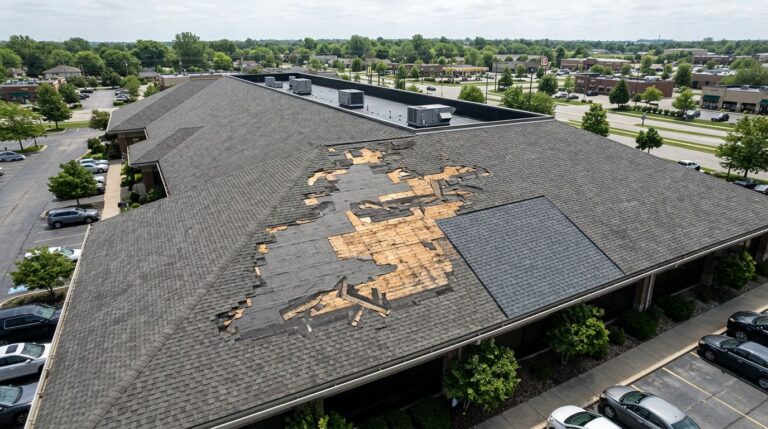
If hail or wind created the opening, the claim usually has a better path. This explanation of commercial flat roof hail damage shows what adjusters often treat as functional damage.
4. Separate repairable sections from failed sections
Not every wet roof needs full replacement. Sometimes a limited area can be cut out, dried, and rebuilt as a commercial flat roof repair. In other cases, saturation has spread so far that patching makes little sense.
If large sections of insulation have lost R-value, the membrane is aging, or the deck is compromised, commercial roof replacement may be the more honest scope. A contractor who handles insurance-assisted commercial roof repairs can document whether the roof can be repaired or whether replacement is the safer long-term fix.
5. Submit a clean, documented claim package
Give the carrier one clear story. Include date of loss, photos, inspection notes, moisture map, repair invoices, and a scope that separates emergency work from permanent restoration. If your insurer asks for proof that the damage is new, respond with records, not opinions.
This is also where many owners learn whether a commercial roof needs repair or whether wet insulation has spread beyond a practical repair zone. The cleaner the file, the less room there is for delay.
FAQ: Wet Insulation and Insurance Claims
Will insurance pay for all insulation, or only the wet areas?
Usually, carriers pay for the damaged area they can verify. If moisture testing shows hidden spread beyond the visible leak zone, the covered scope may grow. The key is proof, not guesswork.
When full replacement becomes more likely
If the insulation is saturated across a wide field, seams are failing in multiple areas, or matching materials are unavailable, the carrier may review a broader replacement scope.
Can an insurer deny the claim because the leak showed up days after the storm?
Yes, but the delay alone does not decide the claim. Flat roofs often trap water inside the system before it appears indoors. Good records can still tie the leak to the storm date.
What if a tenant noticed drips before the claim was filed?
That can hurt the claim if the owner ignored it. Still, a short delay is not the same as neglect. Fast follow-up, inspection records, and mitigation help limit that argument.
Does insurance also cover interior damage caused by wet insulation?
Often yes, if a covered roof event caused the water entry. Ceiling tiles, drywall, insulation, and some contents may fall under the same loss, subject to policy limits and deductibles.
What may be excluded
Mold, repeated seepage, and business interruption can have separate terms or caps. Read those sections closely.
What happens if the roof has old patches?
Old patches do not kill a claim by themselves. They do invite closer review. The carrier may argue the roof was already failing, so you need clear proof that a new covered event caused new damage.
Wet insulation under a flat roof can be insured, but only when the facts line up. Cause, timing, maintenance history, and documentation decide most outcomes.
If water got into your roof system after a storm or sudden failure, move quickly. The longer wet insulation sits, the harder the claim and the repair both become.
Need a roof inspection in Saint Paul or the Twin Cities? Call Sellers Roofing Company at +1-651-703-2336 or schedule a free estimate. We are a black-owned, NMSDC-certified MBE roofing contractor with 9+ years experience.