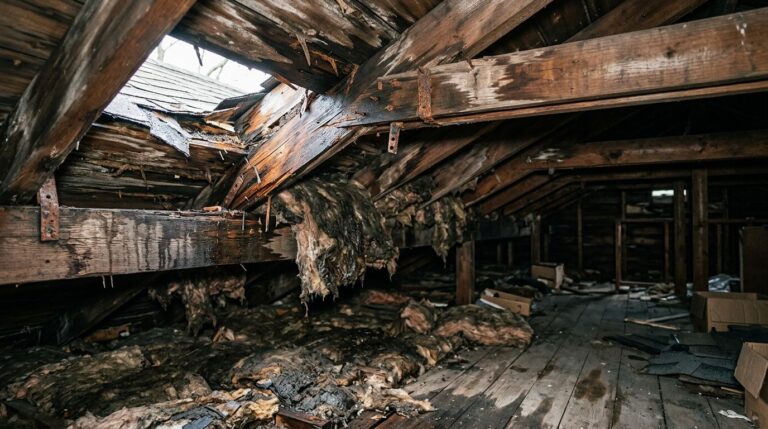
Last updated: 2026-08-01 by Ted Sellers, Owner
Yes. Hail damage solar flashing can happen even when the glass stays intact. Solar panels often take impact better than the thinner metal flashing, sealant, and fasteners around mounts and penetrations. If those details dent, separate, or crack, water can reach the roof system and start leaks before panel output changes.
When This Applies
Roofs with attached solar mounts and exposed flashing
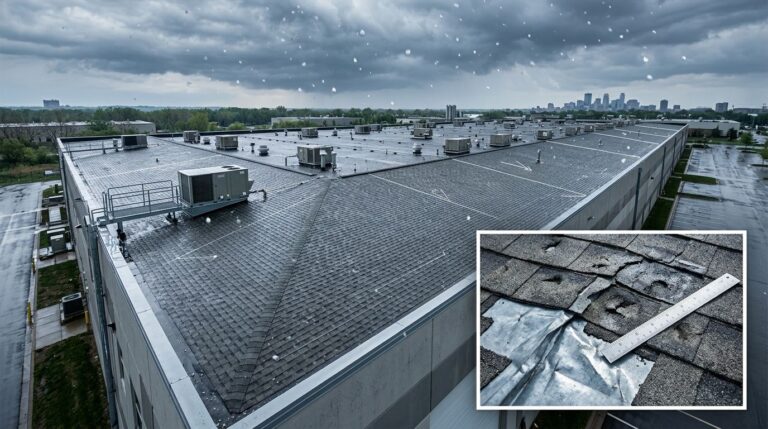
This applies most often to commercial buildings with attached solar racks on TPO, EPDM, PVC, metal, or modified bitumen roofs. Each mount, conduit entry, and curb detail depends on flashing to keep water out. Hail can strike those smaller parts harder than owners expect.
Low-slope roofs deserve extra attention. Water stays on them longer after a storm, so a tiny split at flashing can matter fast. On an older building, one damaged mount detail can grow into wet insulation and larger commercial flat roof repair.
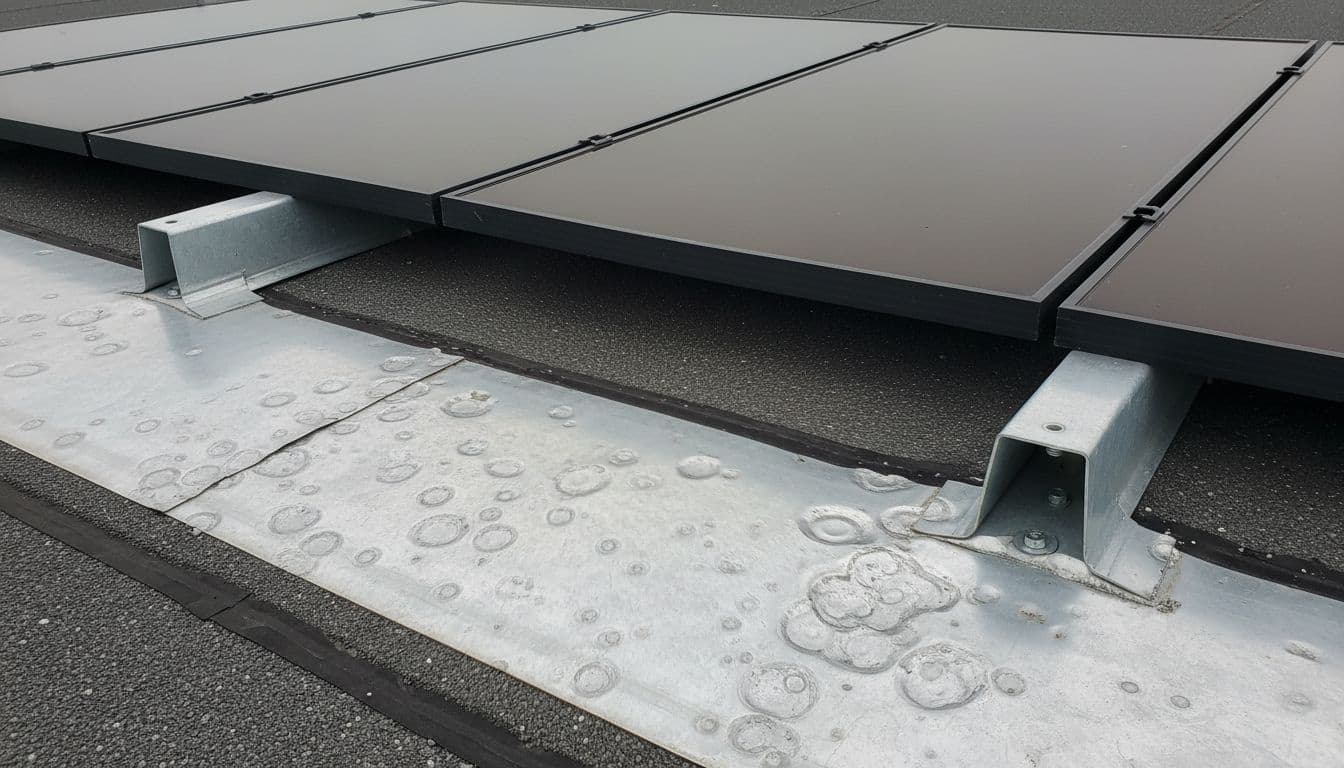
Intact glass does not mean intact waterproofing.
The risk is lower on some ballasted solar systems because they use fewer roof penetrations. Even then, hail can still damage conduit boots, edge metal, and nearby roof details. If your building took a recent storm hit, a review of Saint Paul commercial roofing services makes sense before hidden moisture spreads.
When it usually does not apply
Small hail on a newer roof may leave only cosmetic marks. If the system uses few penetrations and the sealant remains flexible, the flashing may still hold water out without trouble.
Exceptions that raise the risk
Large hail, repeat storms, brittle sealant, loose fasteners, and old repairs change the picture. If water starts bypassing the flashing, your commercial roof needs repair even if the solar array still produces power. When hail also bruises the membrane or damages several roof areas, the discussion can shift toward commercial roof replacement.
Step-by-Step
1. Start with a safe storm review
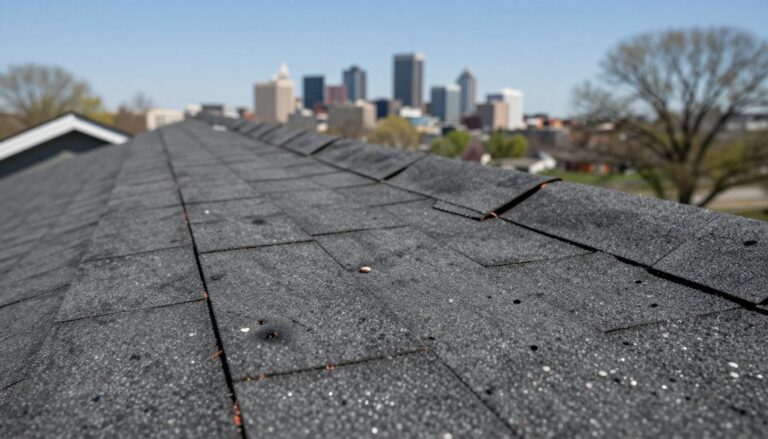
Check the storm date, hail size, and wind reports first. Then photograph the roof from the ground if you can do it safely. Don’t send staff onto a wet roof, because a slip or puncture can turn a roof issue into a liability issue.
When rooftop access should wait
Hold off if the membrane is slick, winds are still high, or lightning is nearby. A delayed inspection is better than an injury or more roof damage.
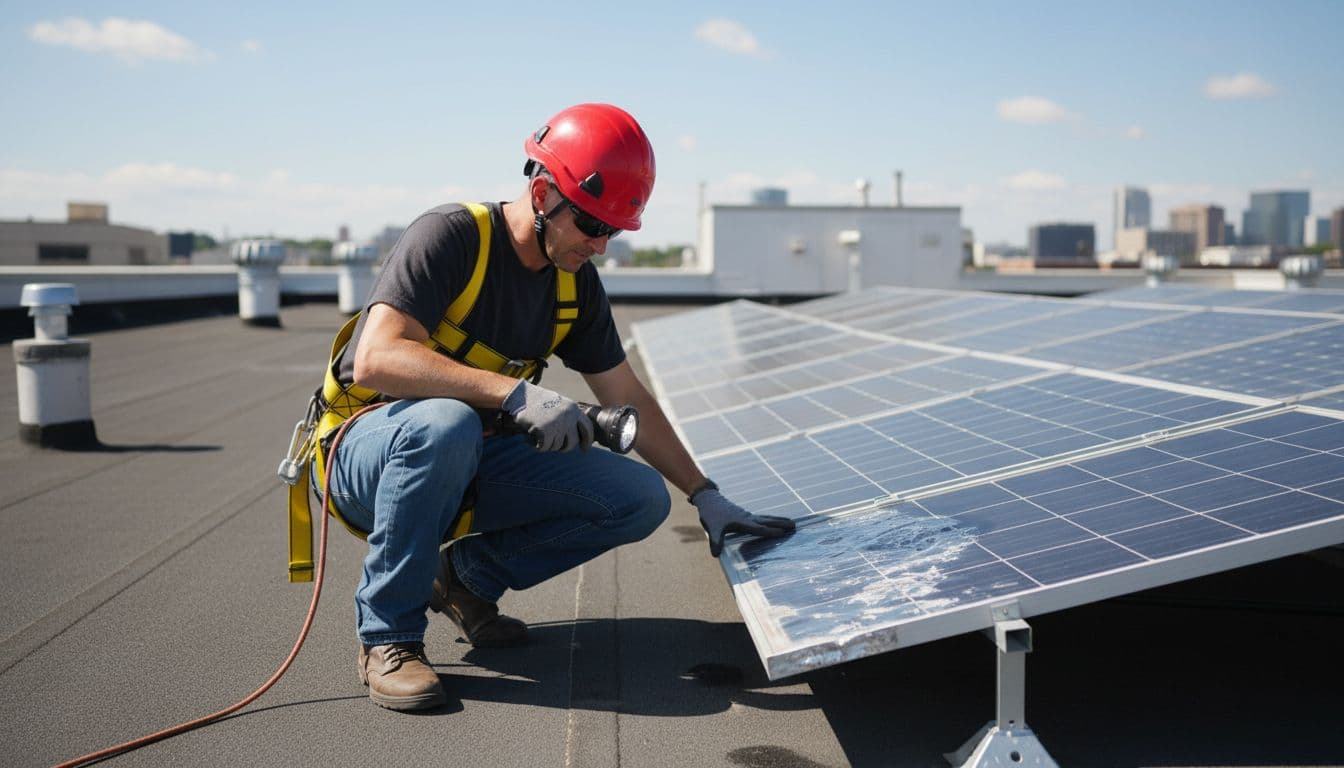
2. Inspect flashing and sealant around every penetration
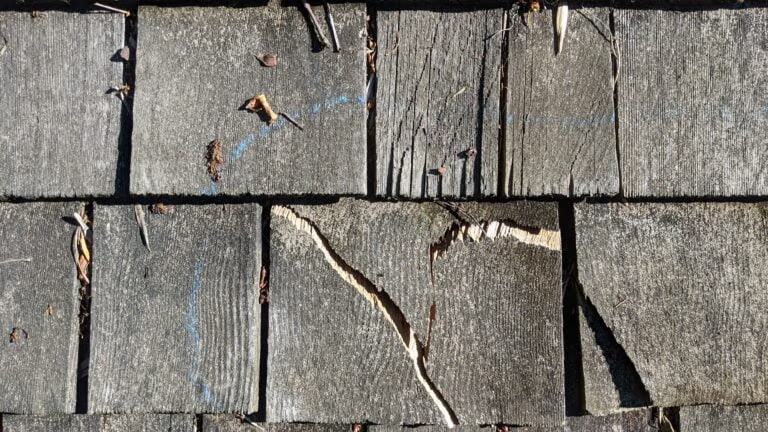
A good inspection looks past broken glass. Check for dents in metal flashing, split seams, lifted edges, cracked sealant, and fasteners that backed out. On membrane roofs, look for stress or punctures around each solar attachment point. This is where hail damage often starts turning into a leak.
3. Check inside the building for early moisture signs
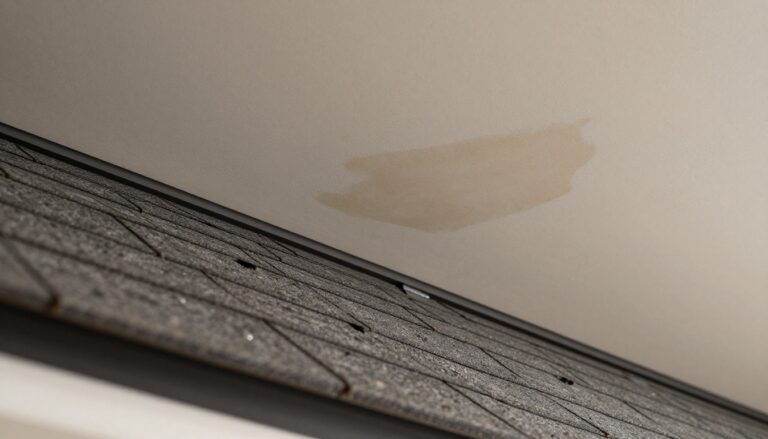
Next, inspect ceilings, insulation, deck areas, and equipment rooms below the array. On commercial roofs, water can travel far from the entry point before it shows indoors. That’s why commercial roof leak detection often saves time and stops repairs in the wrong place.
4. Match the repair to the real scope
If the flashing is dented but still sealed, a roofer may suggest monitoring with dated photos. If hail cracked sealant or lifted metal, repair should happen quickly. One failed detail may need targeted reflashing, but wider damage can call for solar removal, membrane repair, and coordinated roof work.
5. Document the damage for warranty and claims
Keep photos, inspection notes, storm data, and moisture findings together. That record helps with insurance, warranty questions, and vendor coordination. It also shows whether the issue is isolated or proof that the wider roof assembly took a hit.
FAQ
Does dented flashing always mean a leak is coming?
No. Some dents are only cosmetic. Trouble starts when hail opens a seam, loosens a fastener, or cracks sealant. On a flat commercial roof, even a small opening can become a leak path because water tends to linger.
Can panels still produce power if flashing is damaged?
Yes. Electrical output and waterproofing are separate issues. A system can keep producing energy while water gets under the roof assembly. That gap is why some owners miss the problem until stains or wet insulation show up.
Will insurance cover flashing damage if the panels did not break?
It can, but coverage depends on the policy and the storm documentation. Carriers often want proof that hail damaged the roof detail itself, not only the solar equipment. Clear photos and a professional inspection report help a lot.
Who should inspect first, a solar contractor or a roofer?
Start with the roofer if the main concern is leaks or flashing damage. Bring in the solar contractor too if mounts, rails, wiring, or panel alignment look off. On commercial buildings, both views are often needed to sort out scope and responsibility.
When does flashing damage point to commercial roof replacement?
Minor isolated damage usually stays in the repair category. The picture changes when several mounts leak, insulation is wet, the membrane is bruised, or the roof was already near the end of its life.
Signs the scope is wider
Repeated interior leaks after repairs, moisture spread under the membrane, and hail damage across multiple roof sections are strong warning signs. At that stage, patching each point may cost more over time than a larger reroof plan.
Hail often damages the parts that keep water out before it damages the parts that make power. That is the main point business owners should keep in mind after a storm.
If the glass looks fine, don’t assume the roof is fine. Flashing may look like a small detail, but on a commercial building it often decides whether you face a quick repair or a costly leak months later.
Need a roof inspection in Saint Paul or the Twin Cities? Call Sellers Roofing Company at +1-651-703-2336 or schedule a free estimate. We are a black-owned, NMSDC-certified MBE roofing contractor with 9+ years experience.