Last updated: 2026-08-01 by Ted Sellers, Owner
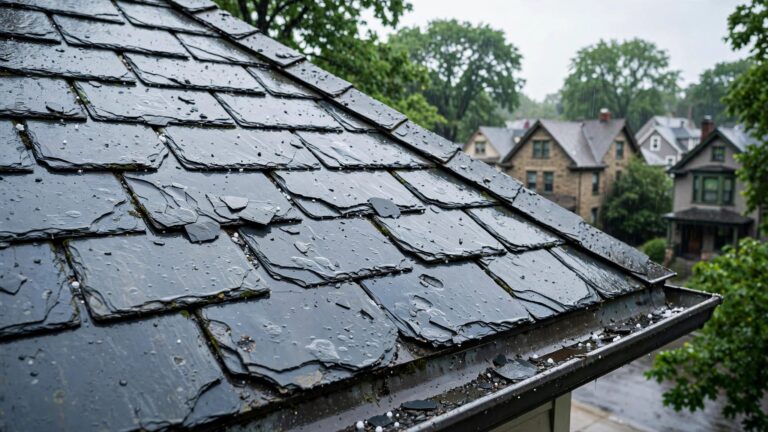
Usually, yes, Minnesota insurance may cover ice dam damage if the loss is sudden and the policy covers resulting water damage. It often pays for interior water damage and related roof repairs, but not routine maintenance or preventive ice removal.
Claims get harder when poor insulation, weak ventilation, drainage issues, or long-term neglect helped cause the problem.
When This Applies
When a Minnesota ice dam claim is more likely to be covered
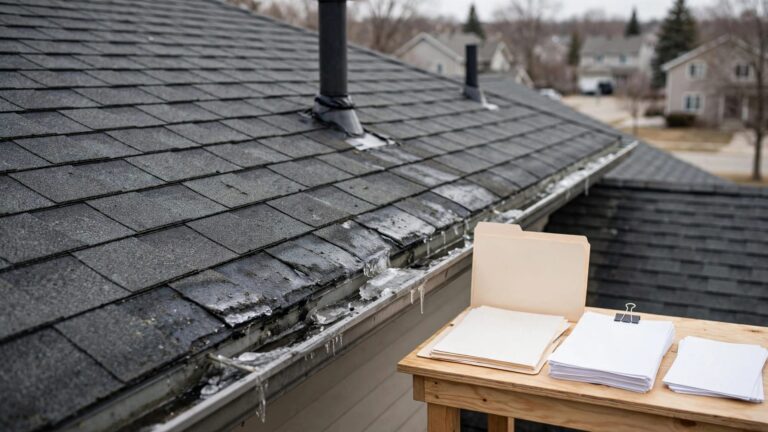
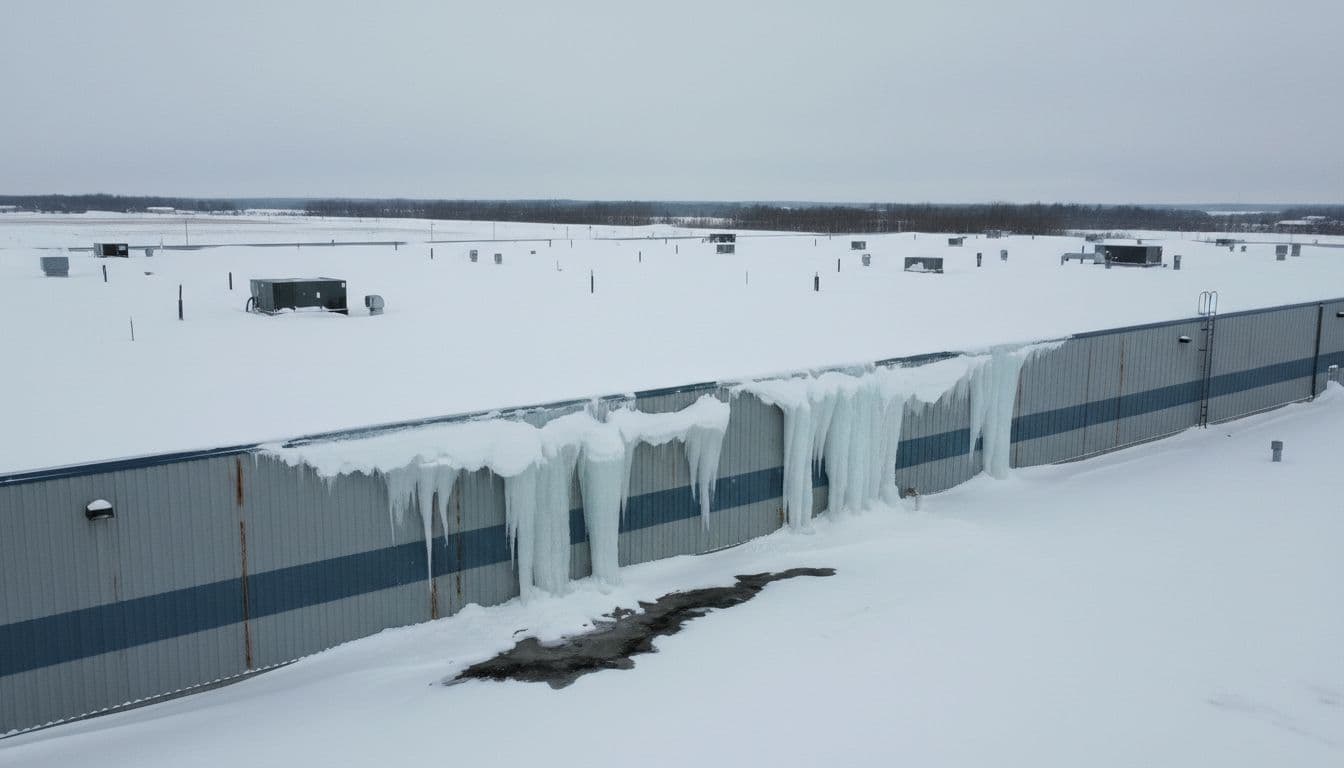
This applies to owners and managers of warehouses, offices, retail buildings, and multi-tenant properties. For most people searching ice dam insurance Minnesota answers, the key issue isn’t the ice itself. It’s the damage the ice causes. If meltwater backs up under flashing or a membrane and then stains ceilings, soaks insulation, or damages decking, coverage is often more likely.
As Claims Journal’s ice dam risk overview notes, ice dams are a common winter loss because the water intrusion can be sudden.
When the claim usually gets denied or reduced
Trouble starts when the carrier sees an old problem, not a new loss. If a roof seam sat open for months, if drains stayed clogged, or if the building had known heat-loss issues, the insurer may call it wear, repeated seepage, or poor upkeep. If your commercial roof needs repair because of age alone, insurance usually won’t pay for that work.
What about removing the ice dam?
Most policies pay for damage, not prevention. That means snow removal, steaming, and routine winter upkeep often stay with the owner.
Most carriers focus on resulting damage, not the cost to remove ice before it leaks.
Here is the practical split:
| Often covered | Often not covered |
|---|---|
| sudden interior water damage | preventive ice removal |
| emergency dry-out and temporary protection | old roof defects and wear |
| repair of directly damaged sections | long-term seepage or neglect |
Why commercial buildings need closer review
Commercial policies vary more than home policies. A warehouse, retail strip, or office building may have different exclusions, deductibles, and water-damage limits. Low-slope systems also complicate claims because water can travel far from the entry point. Before you accept a small patch, get input from Saint Paul commercial roofing experts who deal with Minnesota winter losses on commercial roofs.
Step-by-Step
First steps after you discover leaks
- Protect people and property first. Move stock, cover equipment, and block off any unsafe ceiling area. Then use temporary measures that stop active water without causing more damage.
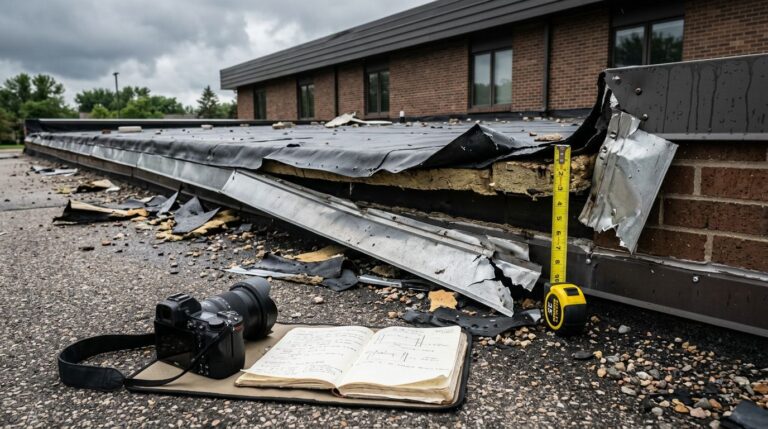
- Photograph everything. Take roof-edge ice photos, interior stains, wet insulation, damaged inventory, and ceiling tiles. Time-stamped photos help show a sudden event, not a slow leak.
- Report the claim fast. Ask the adjuster which policy terms may apply, including exclusions for repeated seepage, wear, and maintenance.
Build a claim file the adjuster can follow
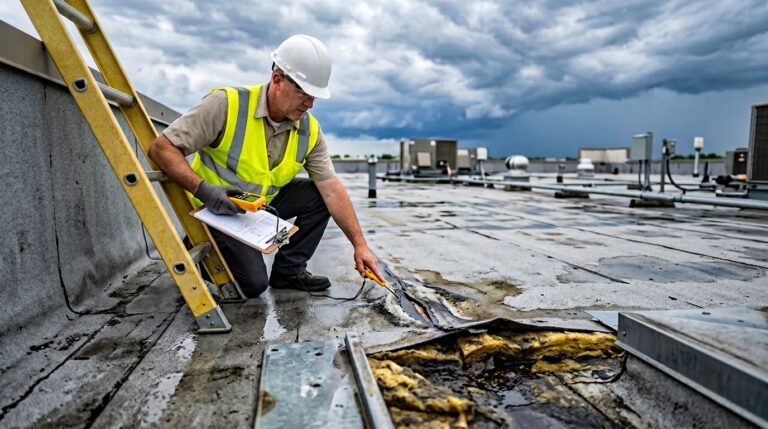
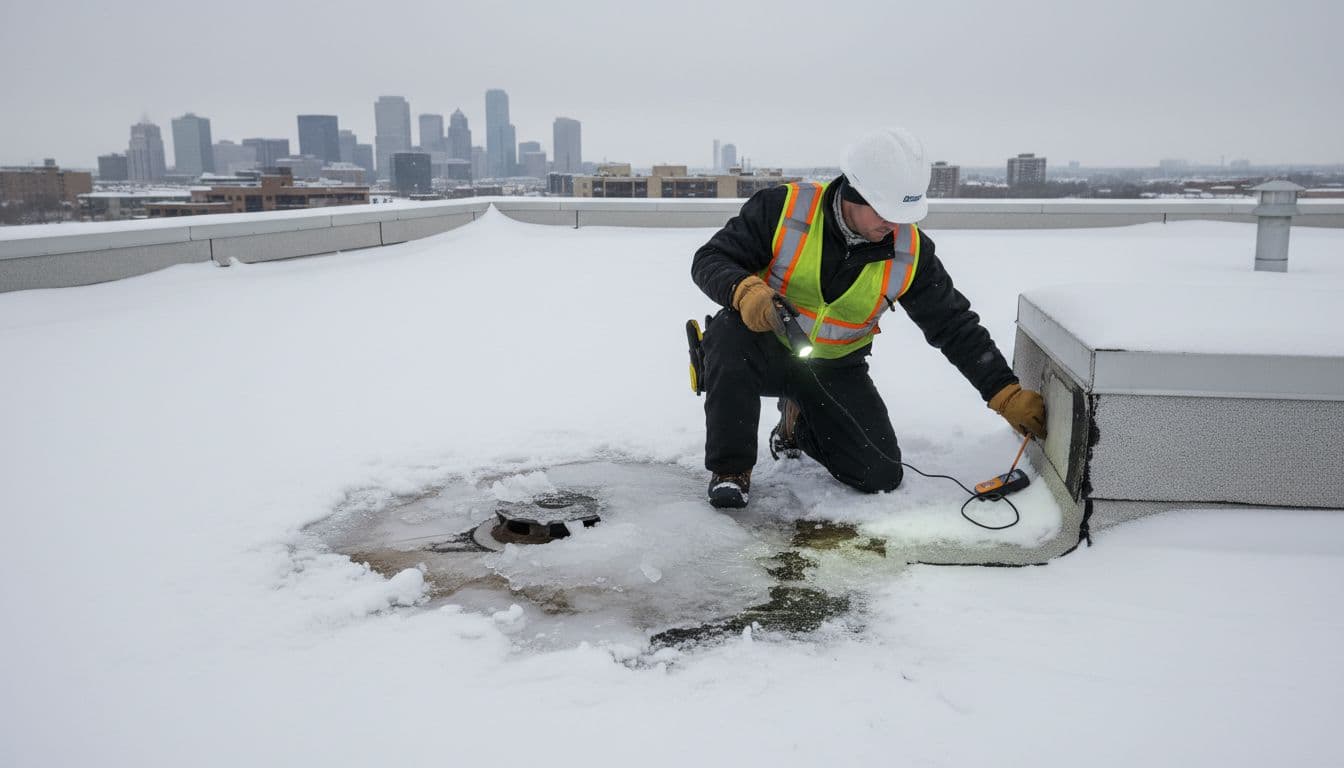
- Get a professional inspection that ties the damage to a clear path of entry. On low-slope roofs, water may show up far from the breach, so professional leak detection for MN commercial roofs can help locate failed seams, flashing, drains, and saturated areas.
- Separate temporary work from permanent repairs. Emergency drying and protection happen now. After that, compare targeted commercial flat roof repair with section replacement or full commercial roof replacement. If only one area failed, say so. If wide moisture spread makes patching risky, your roofer should put that in writing.
- Push for a scope that matches the damage. An insurer may approve a small patch even when insulation or decking is wet beyond the visible leak. If your contractor says the commercial roof needs repair in several connected areas, the report should explain why partial work would leave trapped moisture or cause more failures.
If the claim hits resistance
- Ask the carrier to cite the exact exclusion, not a broad reason. That moves the conversation back to policy language. A Minnesota-focused resource like the Shoreline ice dam claims guide also shows how photos, weather records, and repair notes can strengthen a disputed file.
- Keep records after the event. Save invoices, emails, inspection notes, and winter maintenance logs. Those records help if depreciation, code work, or hidden moisture becomes the next dispute.
FAQ About Ice Dam Insurance in Minnesota
Will insurance pay to remove an ice dam before it leaks?
Usually no. Carriers often treat removal as maintenance unless a covered loss has already started. That means the steaming bill may be yours, even if later water damage is covered.
What if the leak had been happening for a while before anyone noticed?
That can hurt the claim. Many policies limit or exclude repeated seepage and slow damage.
Why this matters on commercial roofs
Tenants may notice stains late, while water moves through insulation long before that. Because of that, fast inspections after storms matter.
Does roof age automatically void coverage?
No, but age changes the dispute. Insurance may still pay for sudden damage to an older roof, while refusing to pay for worn areas that failed from age alone.
Can a flat roof make an ice dam claim harder?
Yes. Water on low-slope roofs can travel sideways, so the interior stain may not match the entry point. That makes photos less useful by themselves, and a moisture map matters more.
What if the insurer wants a patch and the contractor recommends replacement?
Ask for both opinions in writing. If wet insulation is widespread, if seams are failing in several areas, or if code issues apply, a limited repair may not solve the problem. Then the gap between patching and full replacement becomes the main claim issue.
Ice doesn’t need a huge opening to cause big damage. It only needs time.
The smartest move is fast proof. Document the loss, get a commercial inspection, and read the policy language before you accept a small settlement.
If winter water is already inside your building, act now. A strong file is often the difference between a denied maintenance problem and a paid ice dam insurance Minnesota claim.
Need a roof inspection in Saint Paul or the Twin Cities? Call Sellers Roofing Company at +1-651-703-2336 or schedule a free estimate. We are a black-owned, NMSDC-certified MBE roofing contractor with 9+ years experience.