Last updated: 2026-08-01 by Ted Sellers, Owner
Yes. Standard homeowners insurance in Minnesota usually covers wind-damaged roof shingles when the loss is sudden and accidental. Most policies pay for repair or replacement after your deductible. Coverage often gets limited, or denied, when damage came from age, neglect, long-term wear, or a separate wind and hail deductible you didn’t expect.
When This Applies
Who this applies to
This applies to Minnesota homeowners with a house insured under a homeowners policy, not a commercial property form. It also fits some owner-occupied duplexes or mixed-use properties when the living area sits on a homeowners policy.
In wind damage roof shingles Minnesota claims, three details matter most: the cause of loss, the roof’s condition before the storm, and the deductible on your declarations page.
When it does not apply
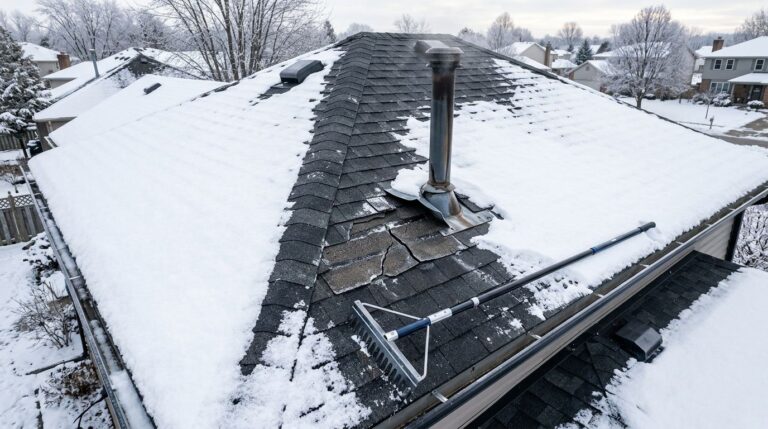
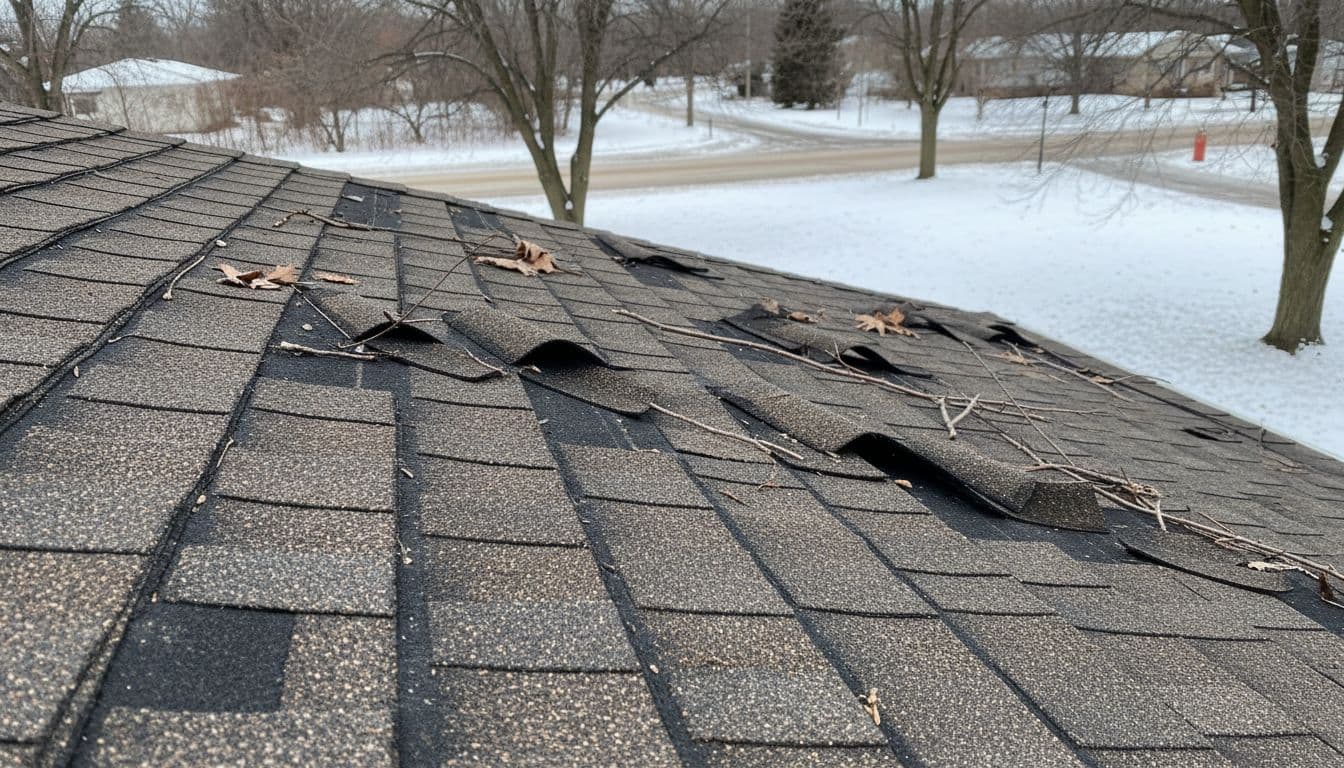
It usually does not apply when shingles failed from old age, bad installation, poor attic ventilation, or a leak that formed over time. Insurance covers sudden harm, not a roof that slowly gave up.
It also doesn’t control claims on offices, warehouses, retail buildings, or apartment properties insured under commercial coverage. Those policies often cover wind too, but the limits, deductibles, and business-income rules are different.
Key Minnesota exceptions
Minnesota hasn’t had a major 2026 law change that removed normal wind coverage. Still, carriers have tightened underwriting after recent storm-heavy years. Older roofs get more scrutiny, and some insurers limit payout to actual cash value instead of full replacement cost.
Older roofs and separate wind deductibles
Many policies now carry a separate wind and hail deductible. It may be a flat amount, or 1 to 2 percent of home value. That can turn a small shingle claim into an out-of-pocket decision. For more detail, see this Minnesota roof damage coverage overview and this wind damage insurance explainer.
Wind damage is often covered. Wear, rot, and neglect usually are not.
Step-by-Step
1. Read the wind and hail section first
Start with the declarations page, then read the loss settlement section. Check whether your roof has replacement cost coverage or actual cash value. Next, find the deductible that applies to wind and hail, not only the standard all-peril deductible.
If your roof is older, look for endorsements that limit payment by age or material type. Those endorsements change the claim fast.
2. Document the damage right away
Take clear photos of lifted, creased, or missing shingles from a safe spot. Also photograph gutters, siding, vents, and interior water stains. Save the storm date, local weather reports, and receipts for temporary protection like tarps.
Don’t throw away broken pieces if they blew into the yard. Those scraps can help show the loss was sudden and storm-related.
3. Get an inspection that separates storm damage from wear
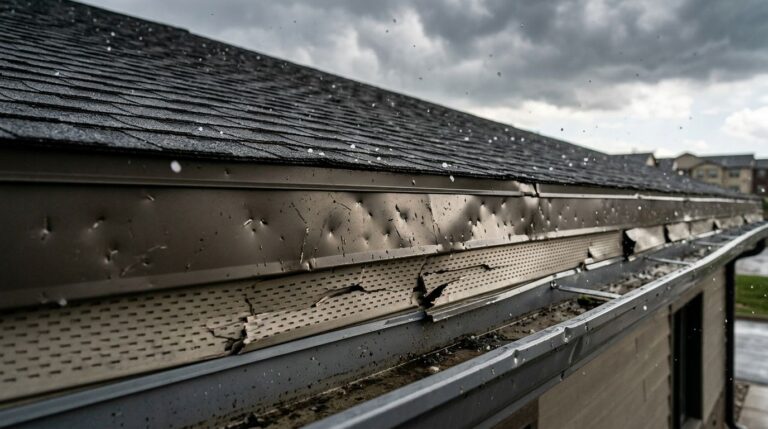
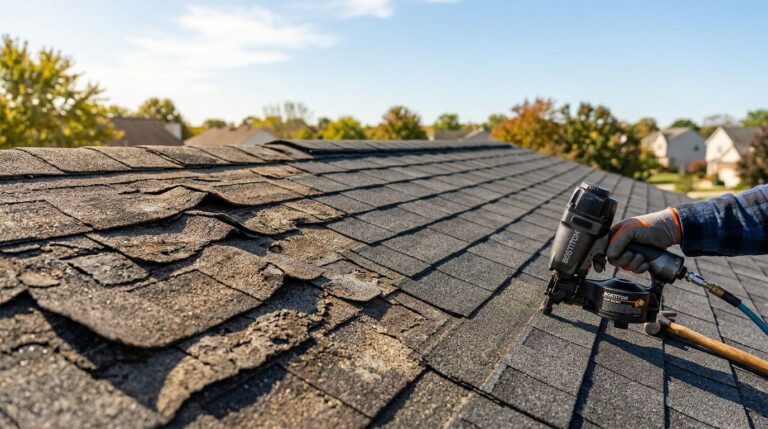
A good inspection should identify wind creases, broken seal strips, torn tabs, exposed fasteners, and damaged flashing. It should also note what is old wear and what is fresh storm damage. That split matters because adjusters look for pre-existing issues.
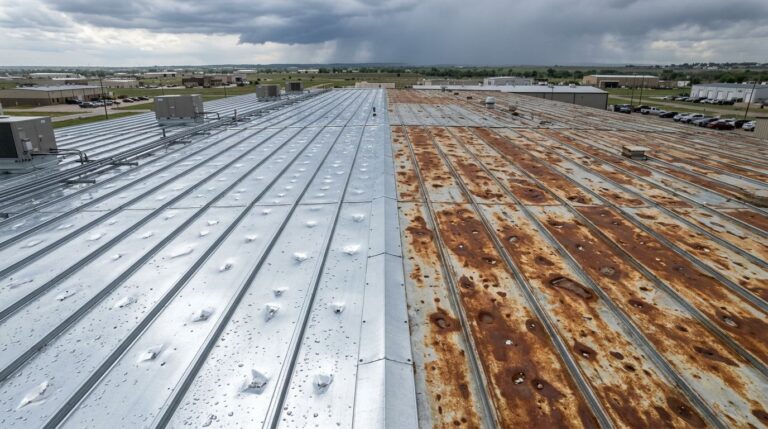
If you also own a shop or warehouse, Saint Paul commercial roofing experts can document storm loss on business properties. A commercial policy may cover commercial flat roof repair or commercial roof replacement when a covered wind event means the commercial roof needs repair.
4. File the claim quickly and meet the adjuster prepared
Report the loss as soon as you have basic proof. Then send photos, the storm date, and the inspection notes. Ask the carrier what documents they want before the site visit.
It also helps to have your roofer present during the adjuster meeting. That keeps the discussion focused on what the storm damaged, not guesswork. This storm roof damage claim guide explains why documentation often changes the outcome.
5. Compare the settlement to the real repair scope
Read the estimate line by line. Some carriers first allow spot repair, then expand the scope if more damage appears. Others factor in depreciation, code items, or accessory work like flashing and vents later.
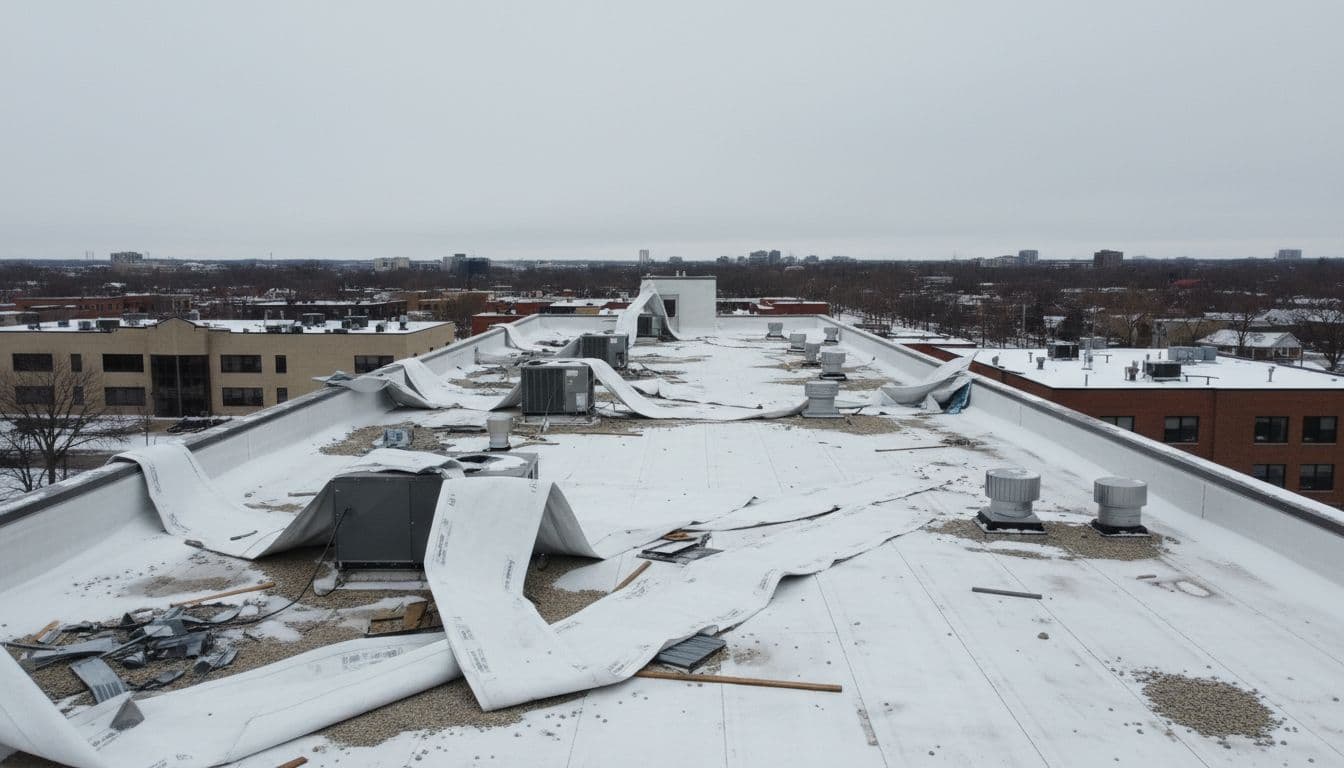
If a low-slope business roof starts leaking after the storm, water may travel far from the tear. In that case, commercial roof leak detection Saint Paul can help pinpoint the true entry point before repairs begin.
Frequently Asked Questions
Will insurance pay for the whole roof or only the damaged shingles?
Usually, the carrier pays for the covered damage it can verify. That may mean one slope, several slopes, or a full roof. Matching problems, code issues, and material availability can widen the scope, but they don’t always do so automatically.
What if the leak shows up a few days after the wind storm?
A delayed leak doesn’t kill the claim by itself. What matters is whether the wind created the opening. Report it fast, protect the interior, and document when you first noticed water.
For business owners with low-slope roofs
Wind damage on membrane roofs can hide longer than shingle damage. Water may move sideways before it drops inside, which makes early inspection more important.
Can a claim be denied because the roof is old?
Yes. Age alone doesn’t always void coverage, but it raises scrutiny. If the insurer finds brittle shingles, long-term neglect, or old leak stains, it may deny part of the claim. This guide on roof damage covered by insurance explains the usual line between sudden loss and maintenance.
Does filing one wind claim always raise my premium?
Not always. Still, claim history can affect future pricing, renewals, and deductibles. That’s why many owners compare the repair cost to the deductible before filing a smaller claim.
What if I own both a home and a business building?
Treat them as separate claims under separate policies. Your house likely falls under homeowners coverage. Your office, warehouse, or retail site usually falls under commercial property coverage, and you may also need business-income protection if storm damage shuts operations down.
What to Do Next
Act while the damage is still small
The simple answer hasn’t changed: sudden wind damage is usually covered, slow roof failure is not. Read the policy, confirm the deductible, and get the roof documented before weather and time blur the evidence.
If shingles lifted after a Minnesota storm, don’t wait for the ceiling stain. Fast photos and a solid inspection usually make the difference between a clean claim and a costly argument.
Need a roof inspection in Saint Paul or the Twin Cities? Call Sellers Roofing Company at +1-651-703-2336 or schedule a free estimate. We are a black-owned, NMSDC-certified MBE roofing contractor with 9+ years experience.