Last updated: 2026-05-26 by Ted Sellers, Owner
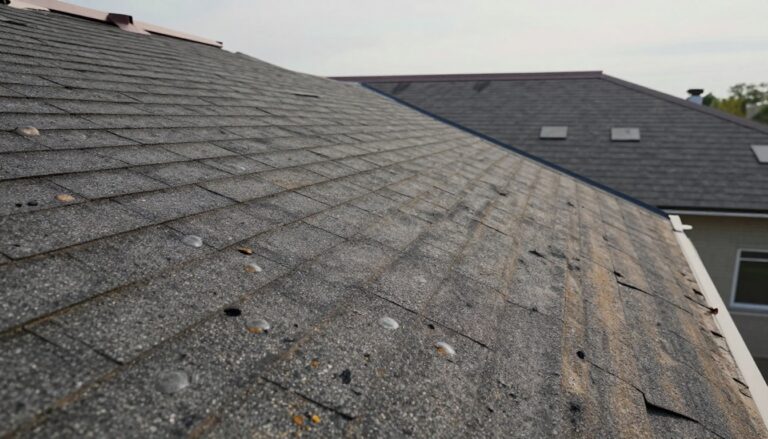
Cedar shake hail damage usually shows up as fresh splits, crushed edges on wood shake shingles, and dark “bruised” spots where the wood fibers compressed on impact. You may also see chipped corners, broken shake tips, exposed underlayment, or shakes that sit unevenly because fasteners loosened. The most important clue is a pattern that matches the storm direction, not random wear.
When This Applies
Cedar shake roofs on commercial properties (and mixed roof systems)
This applies to business owners with cedar shake roofing on steep-slope roofs, entry canopies, decorative wood shingles, or older buildings like lodges, churches, retail storefronts, and small offices. Even if most of your building is membrane roofing, a cedar shake roofing feature can still be the first place hail creates leaks, because water can track into transitions and wall lines.
It also applies when you are dealing with insurance documentation. Cedar behaves differently than asphalt shingles, so you want inspection notes that reflect wood shake failure modes. The Cedar Shake and Shingle Bureau hail guide for adjusters is a helpful reference when you need product-specific context.
When “hail damage” is really age, foot traffic, or moisture wear
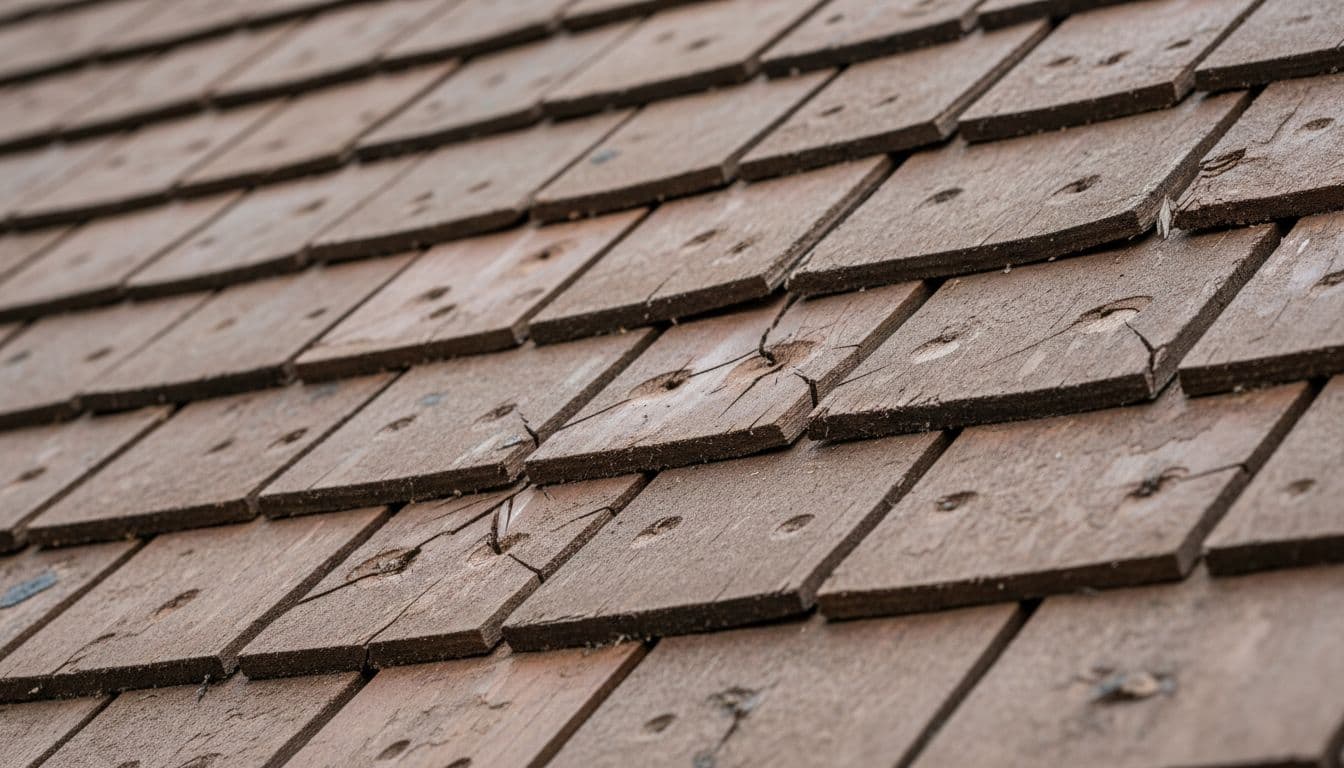
Not every crack is hail. Cedar shakes naturally check (small surface splits) as they dry and weather from UV exposure and freeze-thaw cycles. Long, thin checks that follow the grain often point to normal aging, not impact. Moss and mildew, along with cupping from moisture cycles, can also make shakes look rough even without a storm.
Foot traffic is another common trap. A shake roof can look “peppered” after a busy HVAC service visit. Those impact marks may be pressure fractures, not hail hits. For general roof condition cues that can overlap with storm issues, see a cedar-focused inspection rundown like common cedar roof damage signs.
Edge cases that fool quick inspections
- Old repairs can hide hail breaks. A few swapped shakes might look “new,” while the surrounding field is compromised.
- One-sided damage is common. Wind-driven hail often hits a single slope hard, while the opposite side looks fine.
- Softened wood after rain can bruise easier. A storm over wet shakes may leave deeper compression marks than the same hail on dry wood.
To keep decisions clear, use this quick comparison as you document findings:
| What you see on the shake | What it often indicates | Why it matters for water entry |
|---|---|---|
| Dark, oval “bruise” spots | Compressed wood fibers from impact | Weakens the shake, can crack later |
| Fresh splits with sharp edges | New impact break, not aged checking | Creates direct pathways for water |
| Chipped corners and broken butts | Hail strike or hail plus wind lift | Exposes undercourses, felt, and flashing |
| Random scuffs in walk paths | Foot traffic damage | May be localized, still leak-prone near seams |
If the marks form a consistent “storm-facing” pattern, treat it as suspect damage until proven otherwise.
Step-by-Step
1) Confirm the storm, then protect evidence
- Record the storm date, hail size reports you can verify, and wind direction if known.
- Take wide photos of each roof plane from the ground, then closer shots of suspect areas.
- Save any fallen shake pieces, because fresh fracture faces help confirm timing.
2) Start from the ground to spot the “supporting clues”
- Check metal components first, including the gutter system, downspouts, caps, and soft metals for dents.
- Look for cracked skylight domes, damaged screens, or spatter marks on siding.
- Compare both sides of the building, because hail often hits one exposure harder.
3) Inspect cedar shakes up close for true cedar shake hail damage during roof inspection
- Choose several test areas on each slope, not just the worst-looking spot.
- Look for bruising (darker, hailstone impact), especially near edges and butts.
- Check for fresh splits that cross grain lines or radiate from a single impact point.
- Feel for raised fibers and sharp breaks, which are more consistent with recent impact.
What “fresh” looks like compared to old weathering
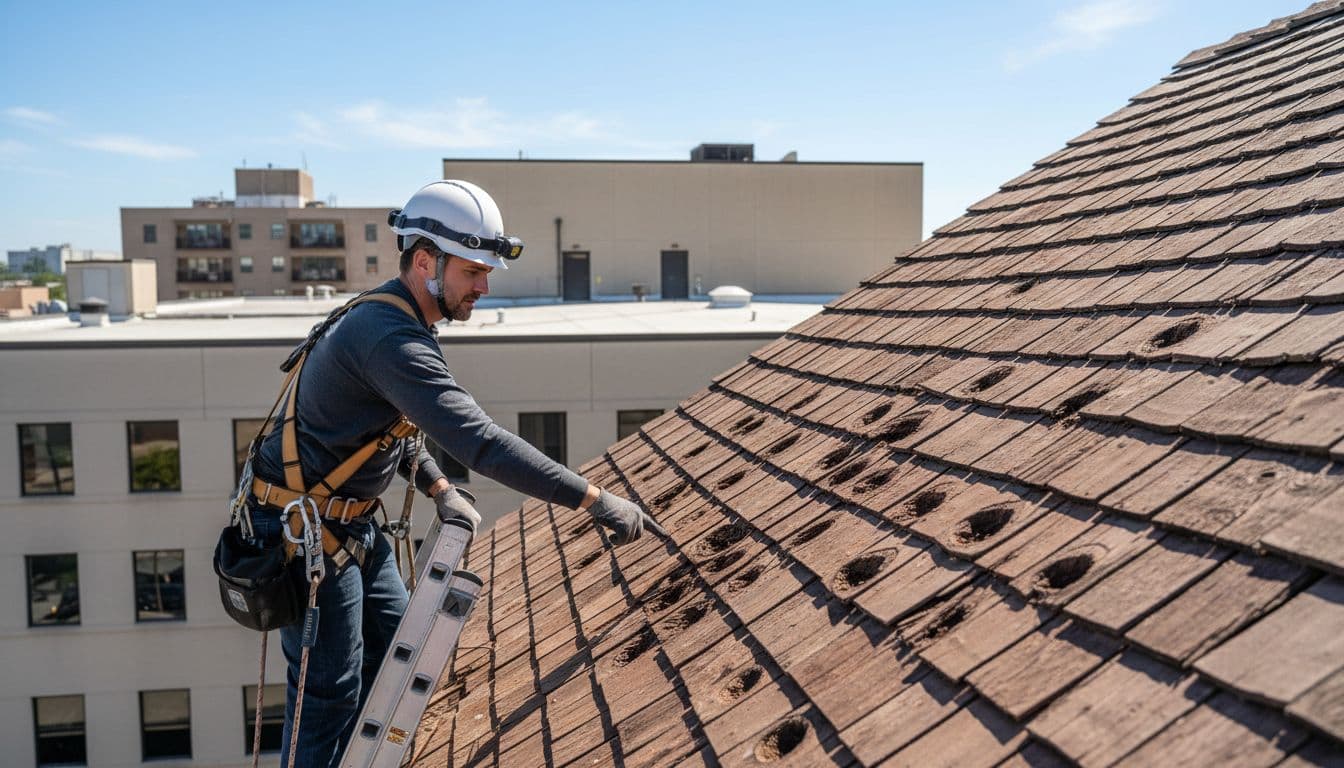
- Fresh breaks often show lighter wood color on the fracture surface.
- Older cracks usually look gray, dirty, and rounded at the edges.
- If in doubt, photograph both and note whether the damage clusters in the storm-facing zone.
4) Check the failure points that cause leaks first
- Inspect ridges, hips, and valleys, because they shed the most water and fail fast.
- Watch for shakes that lifted or shifted, since gaps can expose roofing underlayment.
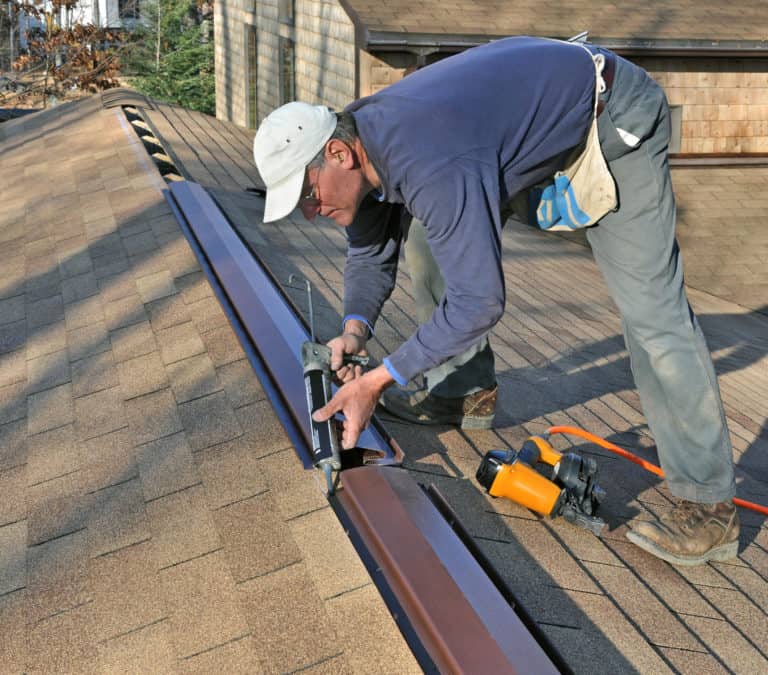
- Examine flashings at walls and penetrations, because hail can loosen or deform edges.
- Look for roofing underlayment or roof deck exposure. Even small bare areas can leak during wind-driven rain.
5) Decide whether your commercial roof needs repair now, or later planning
- If you find scattered damage, you may be able to perform hail damage repair by replacing individual shakes and tuning flashings.
- If breaks are widespread across test squares, repairs can turn into a patchwork that ages poorly.
- When the roof is already near the end of life, hail can push the decision toward roof replacement, especially if maintaining insurance coverage is a concern or to address roof leaks.
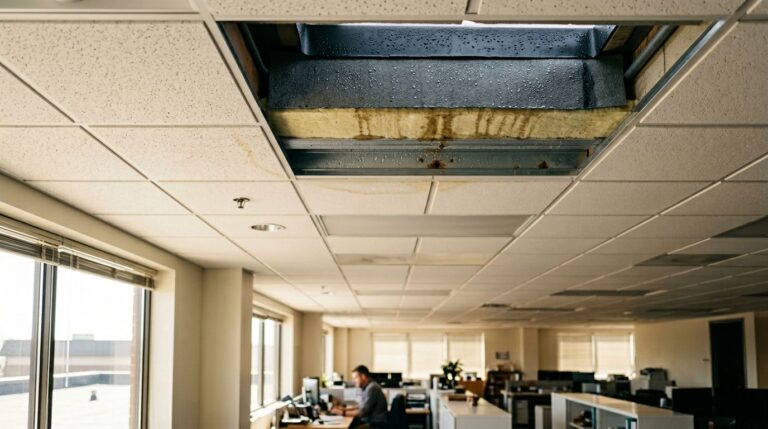
- Note any interior symptoms right away, including ceiling stains, musty odors, or wet insulation, because functional leaks often matter more than cosmetics.
6) Bring in a qualified inspection team (and avoid unsafe shortcuts)
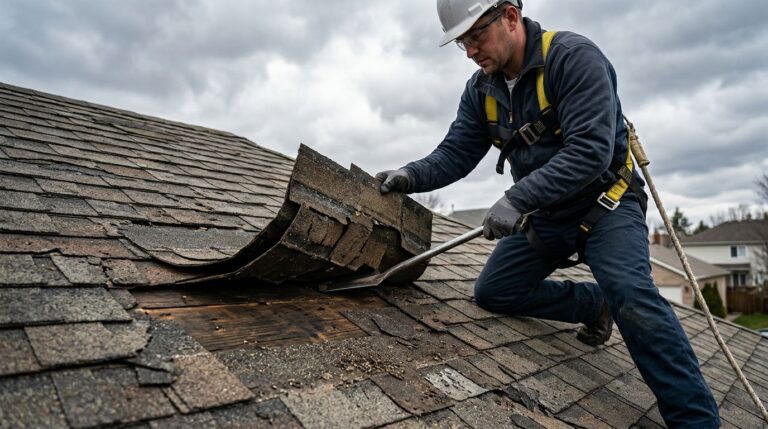
- Don’t send untrained staff onto cedar shakes. Hire a professional roofing contractor wearing a safety harness to perform the roof inspection and check for structural damage. They crack under point loads and can be slippery. The roofing contractor can use a pry bar carefully to lift shingles when checking for a split or puncture or installing replacement shingles.
- Ask for a written scope that separates cosmetic wear from functional damage.
- If you’re preparing for an insurance review, align your documentation with recognized hail indicators, such as the broader hail damage warning signs, while still focusing on wood-specific findings.
FAQ
Can cedar shakes be hail-damaged without obvious dents?
Yes. Cedar shake hail damage often shows as bruising and split grain, not clean dimples. A shake can also loosen at fasteners, creating a gap that leaks before the wood looks “destroyed.” That’s why sampling multiple areas across each slope matters.
What hail size usually damages cedar shakes?
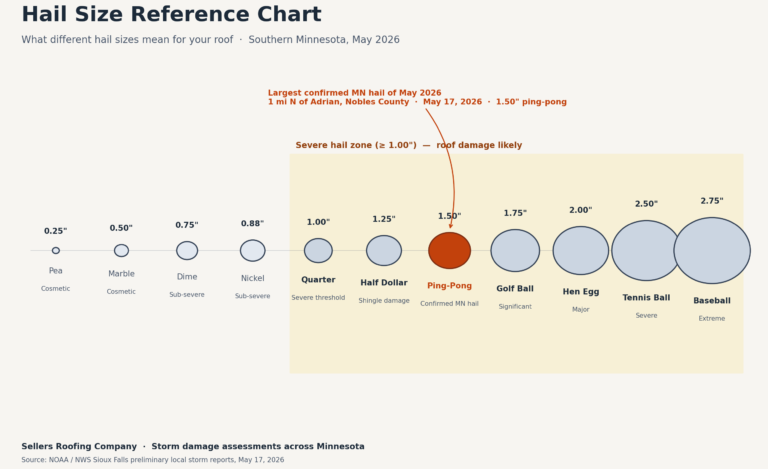
It depends on shake thickness, age, moisture content, and wind speed. Smaller hail can still split brittle, sun-baked wood shake shingles, while larger hail can crush edges on newer wood. For product-specific context that insurers recognize, use the CSSB hail adjusters guide.
What if only one roof slope is damaged?
Wind-driven hail commonly impacts one exposure. Document the “hit” slope and the sheltered slope separately, then compare test areas side by side in photos.
Should you tarp a cedar shake roof after a hailstorm?
Only if you have active leaking and you can do it safely. Improper tarping can crack more shakes or trap moisture, which speeds decay and harms cedar roof maintenance along with moisture resistance. A professional crew can place temporary protection with roofing sealant without punching unnecessary holes through the system.
If our building also has a membrane roof, does cedar hail damage affect it?
Sometimes. Water can travel from a steep-slope cedar section into transitions, parapet walls, or roof drains. If leaks show up in flat areas, you might need commercial flat roof repair even if the original entry point was the shake roof. A combined inspection helps prevent chasing the same leak twice.
When does hail turn into a full replacement decision?
Replacement becomes more likely when damage is widespread, shakes are breaking across many test areas, or the roof already had recurring maintenance issues. It also becomes more practical when patch repairs won’t restore consistent water shedding or prevent water penetration. In those cases, a planned commercial roof replacement can reduce downtime and surprise leaks.
Conclusion
Hail doesn’t just “ding” cedar, it crushes, splits, and loosens the wood in ways that can leak later. Focus on patterns, fresh fractures, and weak points like ridges and valleys. If your documentation shows functional damage, act quickly to preserve the structural integrity of the building, so small openings don’t become interior disruption. The sooner you confirm scope, the faster you can choose repair, restoration, or replacement with confidence. For lasting results, long-term cedar roof maintenance, including checking roof ventilation and applying a wood preservative, can extend the life of the system after repairs are completed.
Need a roof inspection in Saint Paul or the Twin Cities? Call Sellers Roofing Company at +1-651-703-2336 or schedule a free estimate. We are a black-owned, NMSDC-certified MBE roofing contractor with 9+ years experience.