Last updated: 2026-08-01 by Ted Sellers, Owner
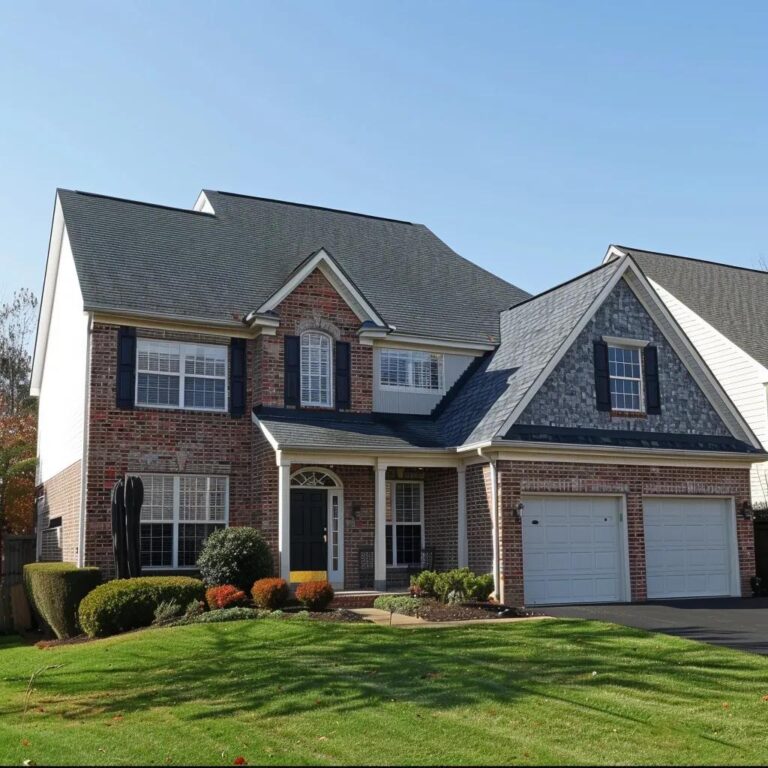
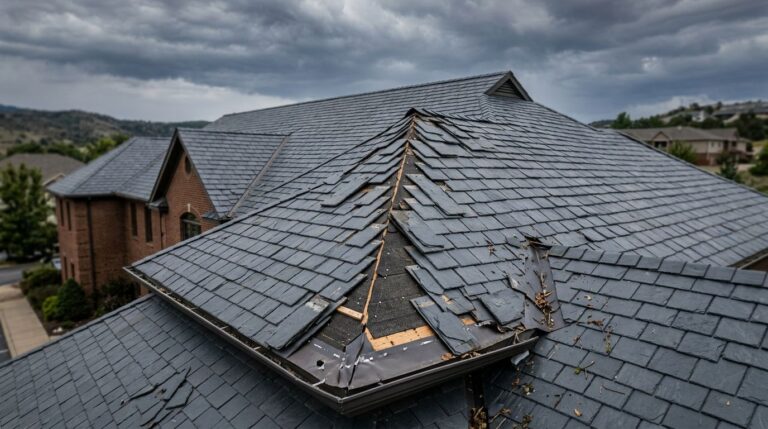
Yes, quarter size hail damage can happen on a new asphalt shingle roof. A newer roof usually handles impact better than an older one, but it isn’t immune. One-inch hail can knock off granules, bruise the shingle mat, crack edges, and shorten roof life, especially when wind, storm speed, and hail density increase the force.
When This Applies
This fits asphalt shingle roofs, not every commercial building
This answer applies to business owners who own or manage buildings with asphalt shingles, such as offices, small retail buildings, churches, or multi-family properties. Roof age matters, but impact energy matters more. A brand-new shingle still has a fiberglass mat and asphalt layer that can bruise under a hard hit.
Most roofers treat one-inch hail, about quarter size, as the point where asphalt damage becomes more likely. A general hail-size threshold guide lines up with that rule of thumb. Still, not every quarter-size storm leaves lasting harm. Storm direction, wind speed, and shingle type all change the outcome.
When this doesn’t apply
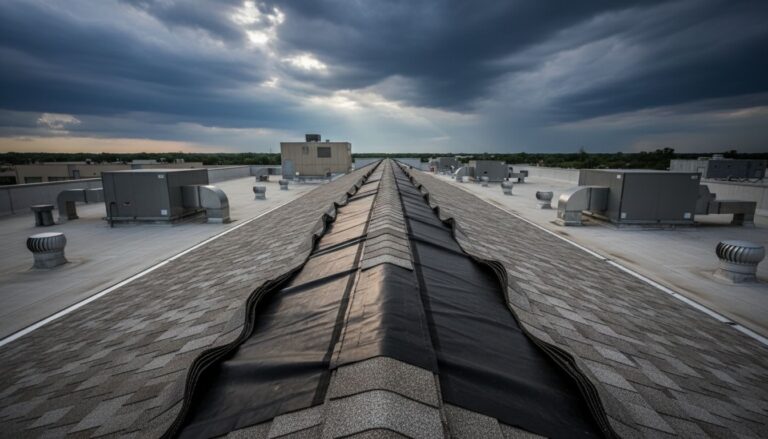
If your building has TPO, EPDM, PVC, metal, or other low-slope systems, use a different standard. In that case, the issue isn’t shingle bruising. It’s punctures, seam stress, flashing damage, and trapped moisture. That’s why many owners move from a hail question to commercial flat roof repair or finding out whether the commercial roof needs repair at all.
If water shows up inside, don’t wait for stains to spread. Arrange professional commercial leak detection so you can catch hidden moisture early. When damage reaches insulation or decking, the discussion can shift from repair to commercial roof replacement.
What quarter-size hail damage looks like on a new roof
Signs that matter more than the roof’s age
A new roof often looks fine from the ground. Up close, the story can change.
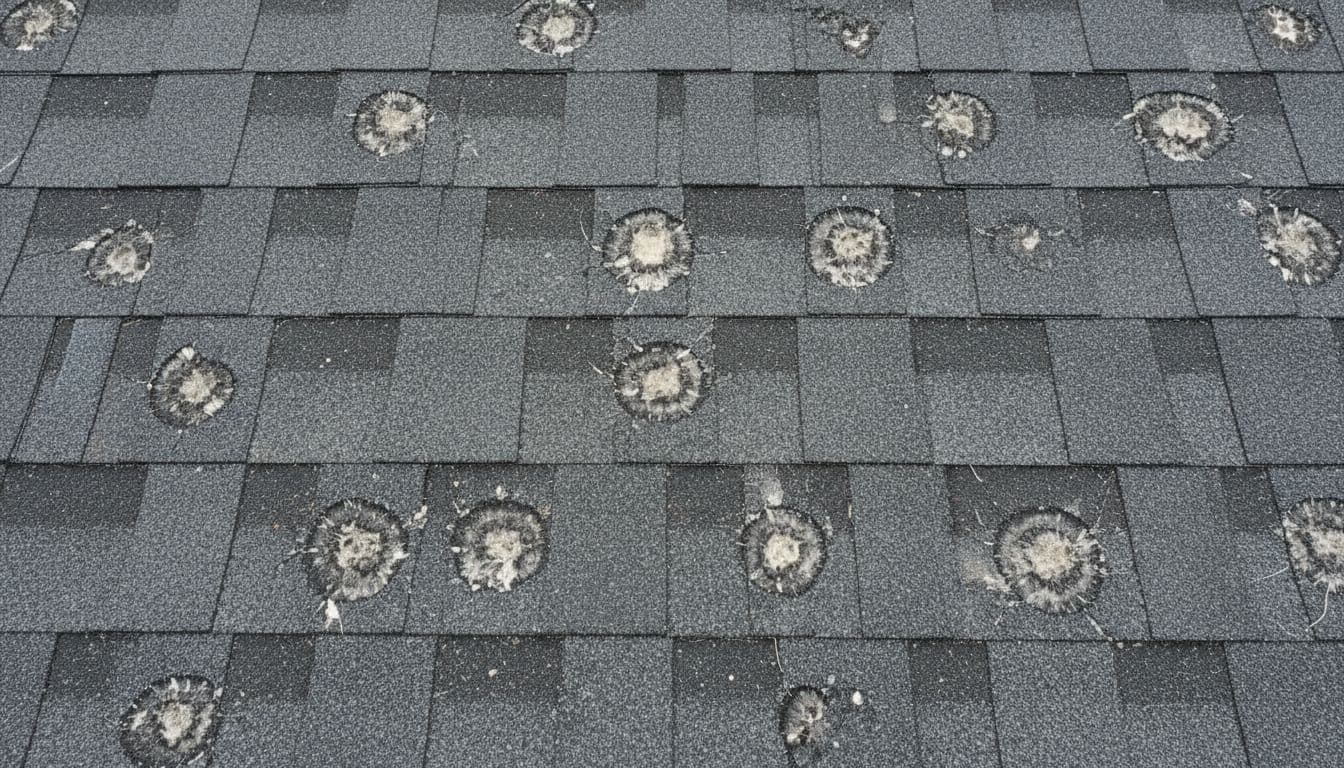
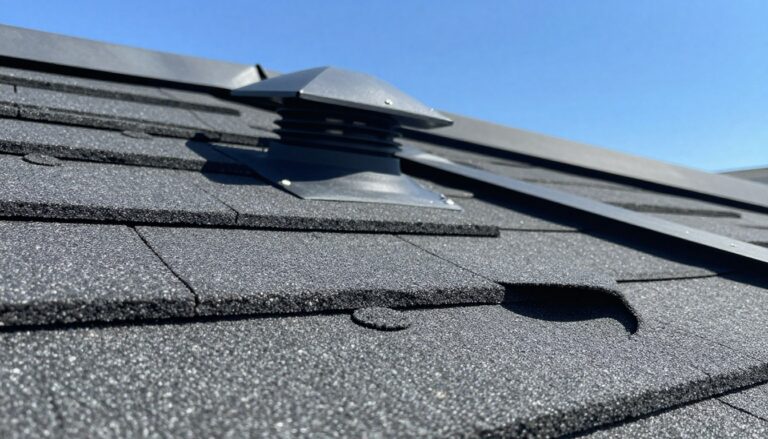
Look for fresh granule loss, small dark spots, soft bruises that feel like a mashed berry, and cracks along tab edges. Check ridge caps, flashing, vents, and gutters too. Dented soft metal often shows impact before shingles do.
A new roof isn’t hail-proof. It just starts with more life to lose.
If you want a more technical breakdown, this guide to identifying hail damage on asphalt shingles shows how adjusters and inspectors separate impact marks from wear.
Cosmetic marks versus functional damage
Some marks are only cosmetic. A light scuff that doesn’t expose the mat may not shorten service life. Functional damage is different. If hail removes protective granules, fractures the shingle, or weakens the seal, water has an easier path in. That’s the kind of damage worth documenting right away.
Step-by-Step
What to do after a quarter-size hailstorm
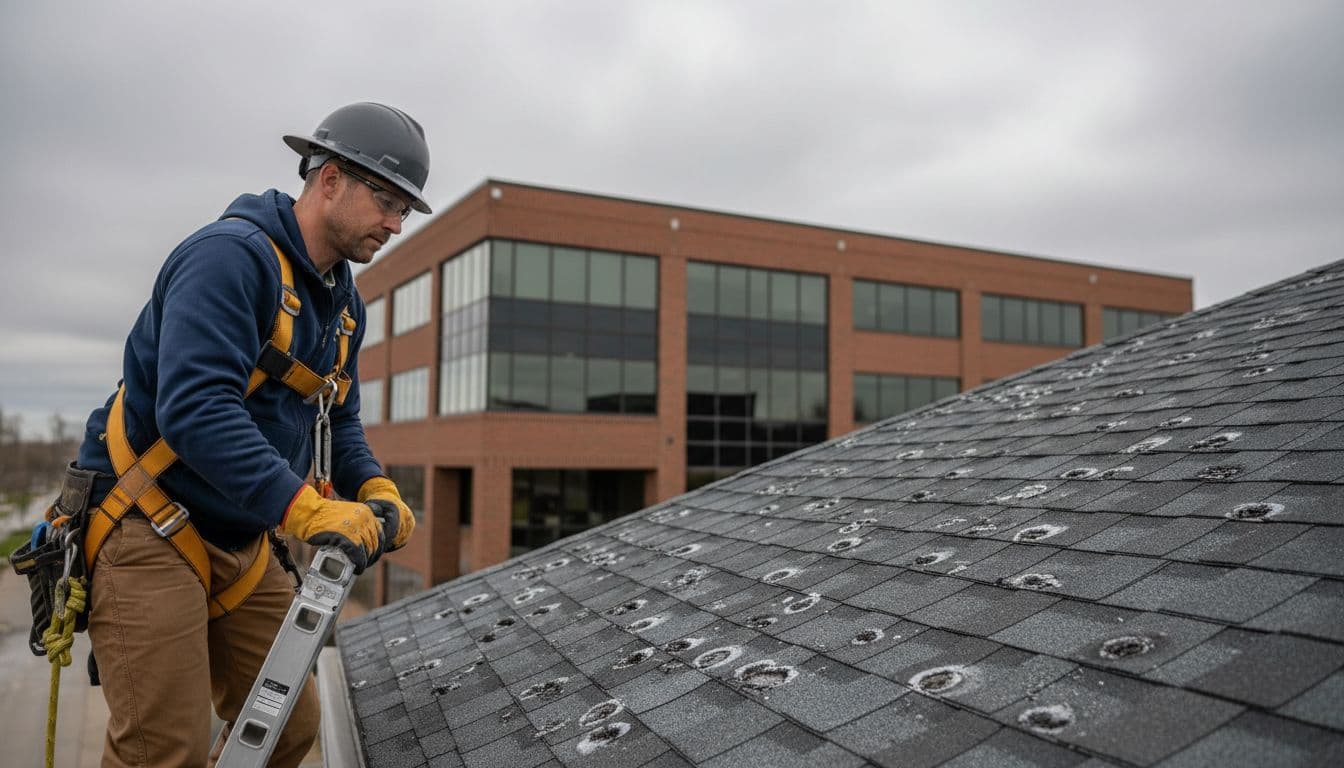
- Check safe ground clues first. Look at gutters, downspouts, metal vents, AC fins, and window screens. If soft metals are dented, your shingles may be hit too.
- Photograph the storm evidence. Save pictures of hailstones beside a coin, plus dents, torn screens, and displaced granules. Time-stamped photos help later.
- Inspect the building interior. Look for ceiling stains, damp insulation, drips near penetrations, and wet upper-wall areas. Interior clues often appear before obvious roof leaks.
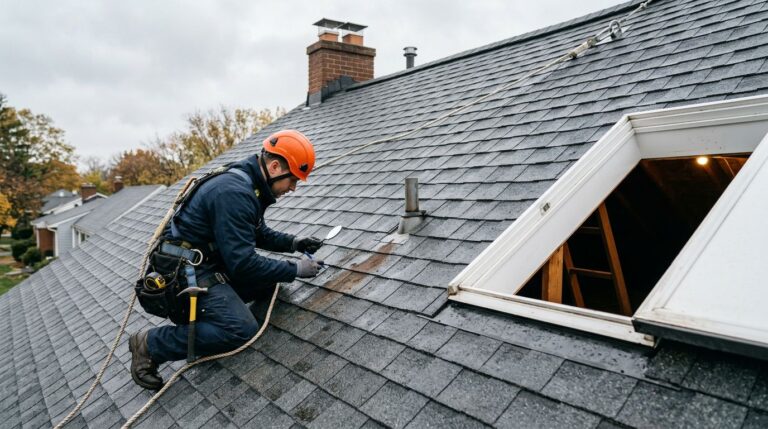
- Get a roof inspection, not a guess. A trained roofer can test for bruising, granule loss, and broken seal strips. If your property mixes shingles with low-slope sections, combine the roof check with leak testing.
- Match the fix to the spread of damage. A few isolated hits may call for spot repair. Wider damage across multiple slopes can justify a larger repair scope, and wet insulation can push the decision toward replacement.
- Review warranty and insurance timelines. New roofs may still qualify for claims if hail caused direct impact damage. Keep your storm date, inspection notes, and photos in one file.
FAQ
Can quarter-size hail damage show up days later?
Yes. Granule loss and bruising may not stand out right away. After a few hot days or a hard rain, the damaged spots can darken, crack, or start leaking. That’s why a prompt inspection matters, even on a new roof.
Will dented gutters always mean the shingles are damaged?
No. Metal dents are a warning sign, not final proof. Hail may hit gutters harder than the shingle field because of angle and hardness. Still, dented metal tells you the storm had enough force to justify a closer roof check.
Are impact-resistant shingles safe from quarter-size hail?
They resist hail better, but they aren’t immune. Class ratings improve survival odds under lab tests. Real storms add wind, repeat strikes, and cold temperatures. A new impact-rated roof can still take damage, just less often.
Should I replace the whole roof after one hailstorm?
Not always. If damage stays limited to a few slopes, repair may be enough. If hits are widespread, seal strips fail, or moisture reaches the deck, replacement becomes more reasonable.
When replacement becomes more likely
A full replacement makes more sense when repairs would leave patchwork sections, void the warranty, or fail to stop moisture spread.
What if I own a building with both shingles and flat roofing?
Treat each section by its material. Shingles bruise and lose granules. Flat membranes may puncture or split at seams. One storm can create two repair paths on the same property, so the inspection should cover both systems.
Bottom line
What this means for your property
Yes, quarter size hail damage can affect a new asphalt shingle roof. Newer shingles may survive better, but they don’t get a free pass. If the storm left metal dents, granule loss, or interior moisture, act fast. The earlier you document damage, the easier it is to repair the roof before small hits turn into bigger costs.
Need a roof inspection in Saint Paul or the Twin Cities? Call Sellers Roofing Company at +1-651-703-2336 or schedule a free estimate. We are a black-owned, NMSDC-certified MBE roofing contractor with 9+ years experience.