Last updated: 2026-08-01 by Ted Sellers, Owner
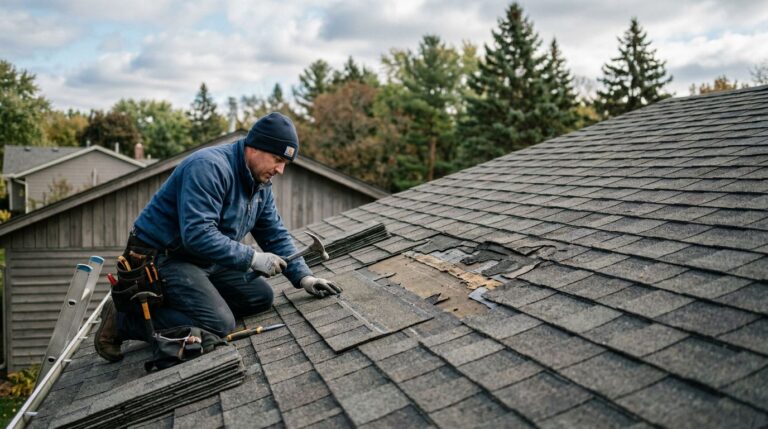
Sometimes, yes. Insurance usually pays for removing two old shingle layers only when a covered loss caused the damage, or when local code requires a full tear-off as part of that covered repair. It usually will not pay for extra layers that exist because the roof is old, poorly maintained, or already overdue for replacement.
When This Applies
Coverage follows the cause of damage
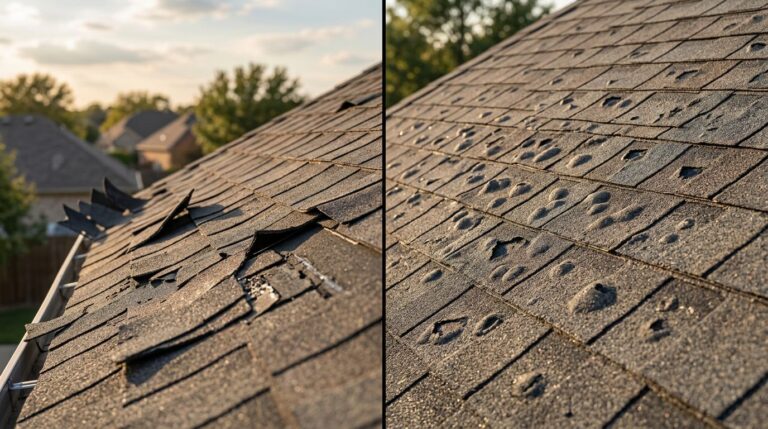
Insurers don’t pay more simply because your roof has two layers. They pay when a covered event, such as hail, wind, fire, or a fallen object, damaged the roof and made removal necessary.
That distinction matters. If the roof was already worn out, curling, leaking for years, or patched again and again, the extra tear-off cost often lands on the owner. For an insurance roof tear-off to be paid, the tear-off has to connect to a covered event, not age alone.
Insurance pays for sudden damage, not for age catching up with the roof.
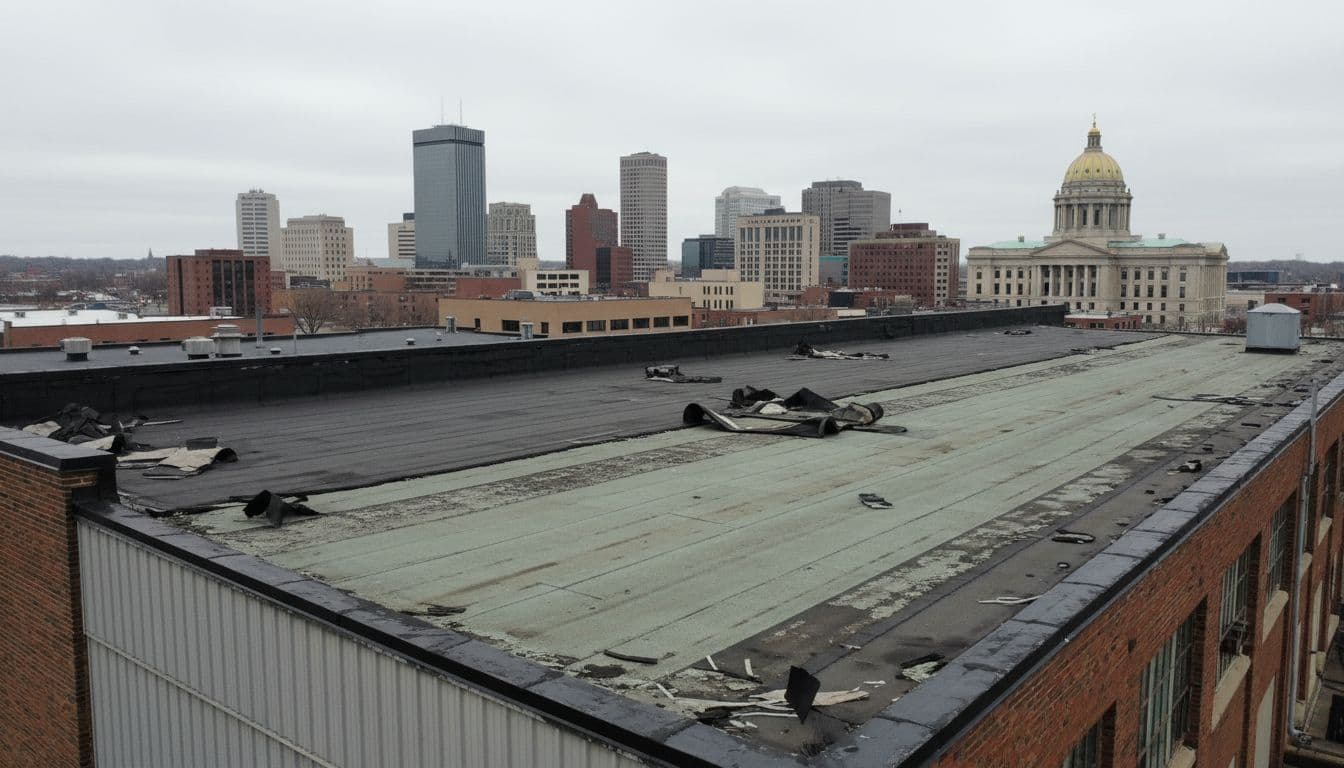
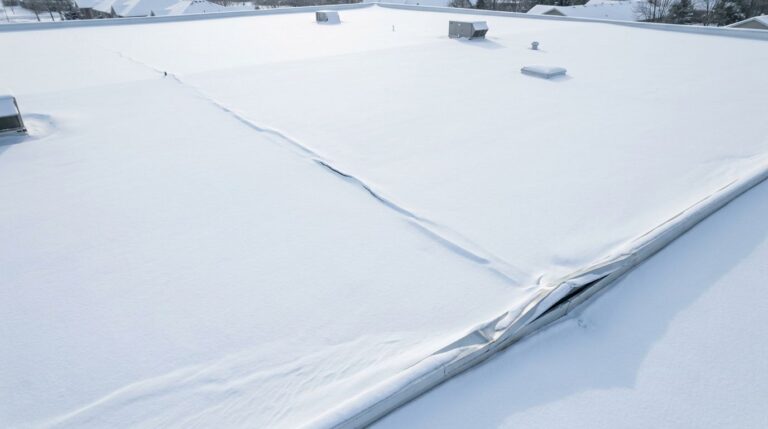
This applies to more than shingle roofs. On commercial buildings, the same logic often carries over to low-slope systems. Whether you’re weighing Saint Paul commercial roofing services or reviewing a claim, the question stays the same: what caused the work?
When two layers become part of the claim
These are the common claim paths.
| Situation | Likely result | Why |
|---|---|---|
| Wind or hail damaged the roof and code requires full tear-off | Often covered | Covered loss triggered required removal |
| Fire or impact damaged both layers | Often covered | Removal is part of restoring the roof |
| Roof is old and brittle with no clear storm event | Usually denied | Wear and tear is not a covered loss |
| Prior overlay was improper or unapproved | Often denied | The insurer did not create that condition |
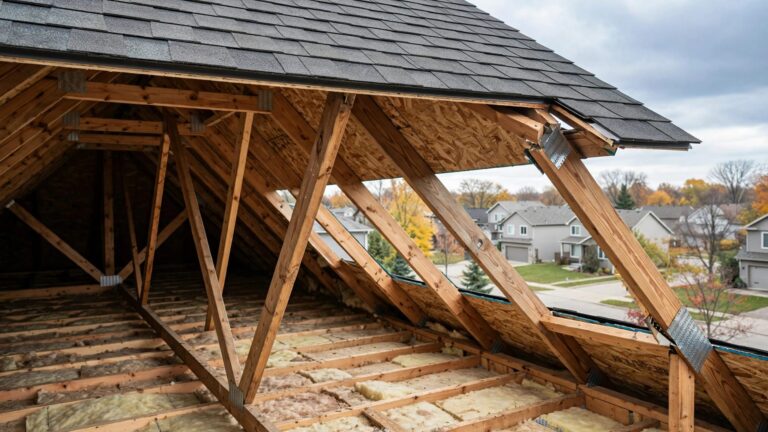
The most important edge case is code. If the roof already has the maximum allowed layers, the insurer may owe tear-off costs when code requires full removal after storm damage. That is often handled through ordinance or law coverage, if the policy includes it.
When insurers usually say no
A denial is more likely when the roof failed over time. Chronic leaks, poor drainage, skipped maintenance, and bad prior work all weaken a claim. The same is true if the building owner wants a nicer system than the policy owes.
That is why documentation matters. If the carrier sees a maintenance issue, it may approve spot work at best, or deny the claim outright. If the roof was already at the end of its life, insurance is not a shortcut to a free replacement.
Step-by-Step
1. Confirm there was a covered event
Start with the trigger. Look for a dated storm, impact, fire, or other sudden loss. If you can’t tie the damage to a specific event, the claim gets much harder. Timing matters because policies often require prompt notice.
2. Document the roof before any tear-off starts
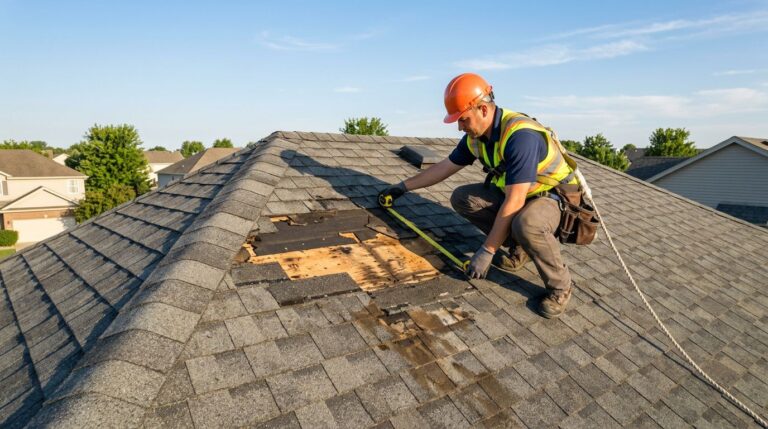
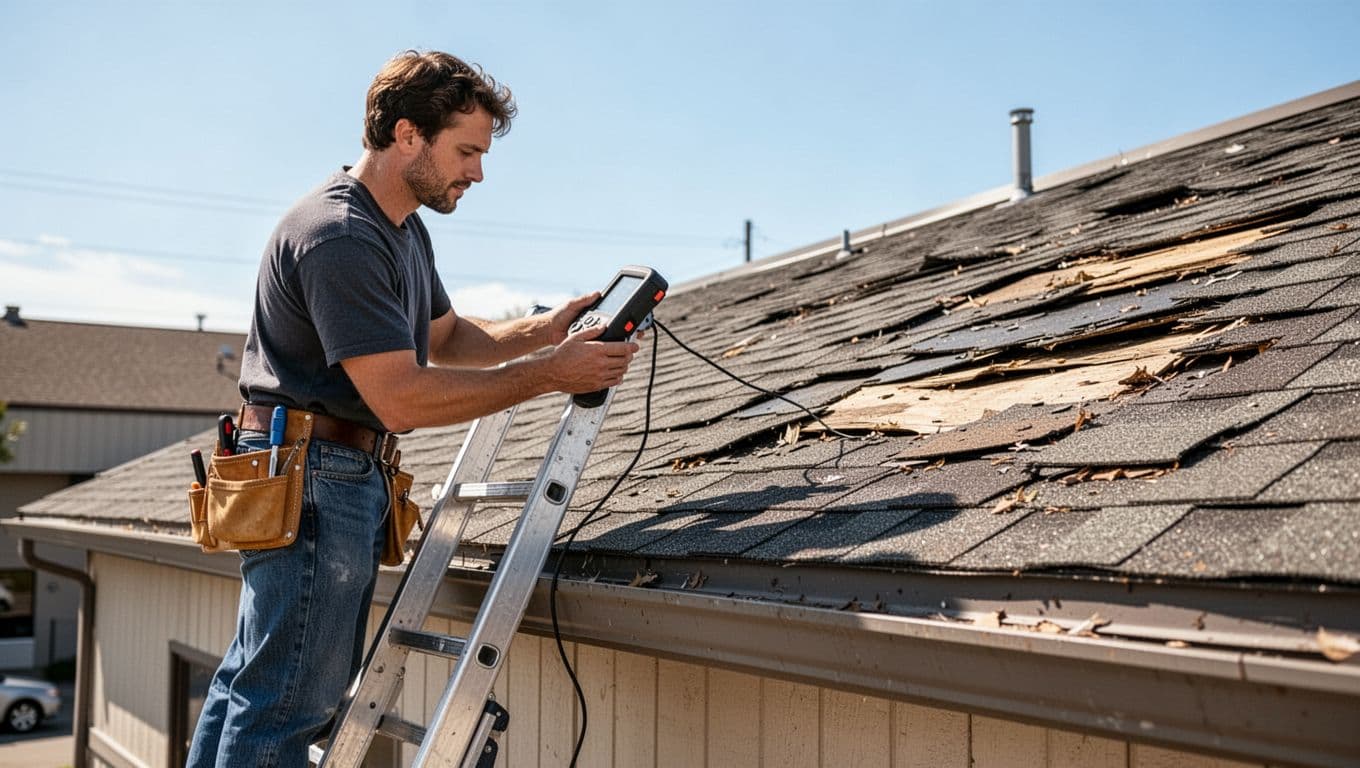
Take photos of every slope, penetration, seam, flashing edge, and interior leak area. Save maintenance records, prior repair invoices, and weather dates. If your commercial roof needs repair after a storm, those records can make the difference between a clean claim and a dispute.
If water entered the building, get roof leak documentation for insurance claims before materials are removed. Once the old layers are in a dumpster, key proof can disappear.
3. Read the policy language on tear-off and code
Focus on four items: covered causes of loss, exclusions, tear-off language, and ordinance or law coverage. Also check whether the claim is paid on actual cash value or replacement cost. That affects how much money arrives first and what gets reimbursed later.
4. Get a scope that separates repair from replacement
Ask your contractor to break out line items. The estimate should show what belongs to commercial flat roof repair, what belongs to tear-off, and what pushes the project into commercial roof replacement territory. Clean scopes are easier for adjusters to review, and they give you a stronger base for supplements.
5. Meet the adjuster with photos and notes
Walk the roof with the adjuster if possible. Show storm hits, wet insulation, failed seams, and the existing layer count. If local code bars another overlay, bring that up early. The goal is to tie the extra removal cost to facts the adjuster can verify.
6. Push back in writing if the approved scope misses a layer
Sometimes the carrier pays for one layer of removal when two are present. If that happens, ask for a written review. Submit photos, contractor findings, and code support if it applies. Keep the request focused on the missing scope, not general frustration.
This is also where business judgment comes in. A patch may satisfy the first estimate, but a patch is not always the right fix. If the roof system has broad storm damage, trapped moisture, or repeated leak points, a full repair plan may fail fast.
Conclusion
The key call for owners
Insurance may pay to remove two layers of old shingles, but only when the extra tear-off is tied to a covered loss or code-required work. The layer count alone does not create coverage.
For commercial owners, the winning move is simple: document early, read the policy, and compare the approved scope to the real roof condition before work starts.
FAQ
What if the adjuster only approves repairs, not full tear-off?
Ask for the scope in writing and compare it to the actual roof condition. If hidden damage, trapped moisture, or code limits support more work, submit a supplement with photos and contractor backup.
Can code-required tear-off be added after the first estimate?
Yes, sometimes. If the first scope missed ordinance or law issues, your contractor can submit code support and request a revision before the job is completed.
Will insurance cover interior water damage too?
It may, if the water entry came from a covered roof loss. Ceiling stains, wet insulation, and damaged inventory can also help show the storm caused real building damage.
What happens if the roof already leaked before the storm?
The carrier may argue the damage was pre-existing. Your best chance is clear proof that the storm created new damage or made a limited issue much worse.
Should I file a claim if the damage is close to the deductible?
Only if the loss appears to exceed it by a safe margin. Small claims can add paperwork without much payout, so get a solid inspection and scope first.
Need a roof inspection in Saint Paul or the Twin Cities? Call Sellers Roofing Company at +1-651-703-2336 or schedule a free estimate. We are a black-owned, NMSDC-certified MBE roofing contractor with 9+ years experience.