Last updated: 2026-05-26 by Ted Sellers, Owner
Hail damage to siding claims go smoother when you document the damage clearly and prove why a “small patch” can’t match. Photograph every elevation, capture close-ups with scale, log the storm details, and save any broken pieces. If the siding line or color is discontinued siding, document the mismatch with side-by-side samples and written proof of non-availability, then request a scope that ensures a reasonably uniform appearance.
When This Applies
You should use this process if your building’s exterior is part of the claim
This approach fits most commercial owners filing property insurance claims after a hailstorm when hail damage to siding leaves it dented, cracked, chipped, or loosened. It’s also the right play when you manage multi-tenant properties and you need clean documentation for owners, insurers, and tenants.
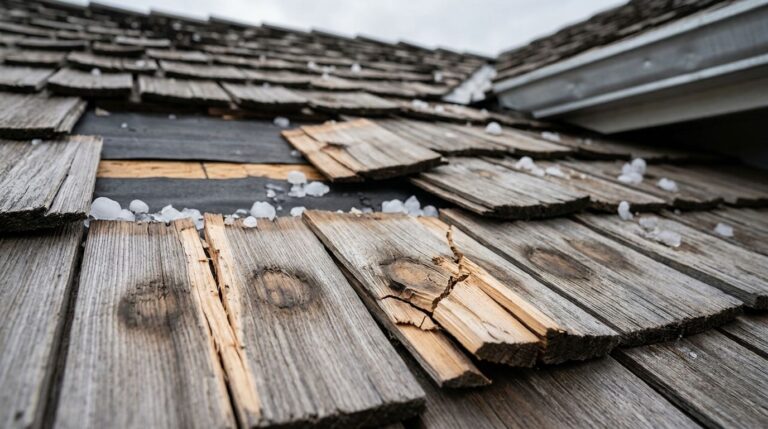
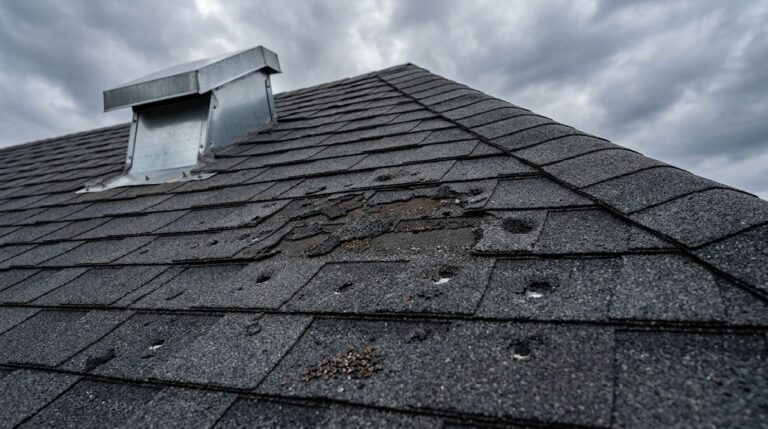
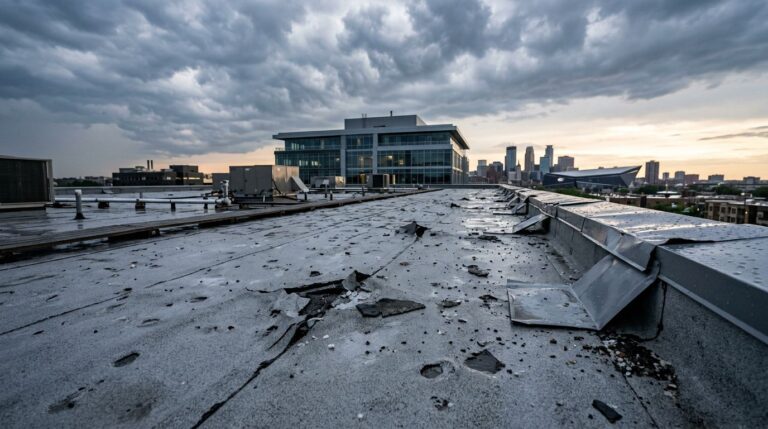
Hail doesn’t always stop at the walls. If the same storm hit rooftop units, coping, and membranes, document that too, even if your main concern is siding. Many claims get stronger when the property file shows the full storm path, especially when a commercial roof needs repair at the same time.
Siding types where hail marks are easy to miss
Vinyl siding can show “bruising” and cracking at seams, and cracks and splits are common with hail damage. Aluminum siding and steel siding can dent without breaking paint at first glance. Fiber cement siding can chip at edges and reveal fresh, lighter material under the finish. Engineered wood can fracture at butt joints and swell later if water gets in, while vinyl siding often hides hail damage until seams fail.
When a spot repair is a bad bet for discontinued or faded materials
A single replaced panel can look like a brand-new tooth. Even if you find the same product name, years of weathering and fading, along with dirt and oxidation, can cause color variation. Insurance companies often focus on “like kind and quality,” but “like” is hard to argue without proof, leading to a matching problem.
A practical rule: if you can see the repair from the parking lot, you should assume a mismatch will become a dispute. Build your file early so the conversation stays factual, not emotional.
Discontinued panels and “reasonable match” disputes
If your carrier pushes back, it helps to understand how insurers think about matching and what varies by policy language, similar to a homeowners insurance policy with replacement cost coverage. The Maryland Insurance Administration siding damage advisory is a plain-language example of how coverage can hinge on the wording in your policy.
When it might not apply (or needs adjustments)
This won’t fit every situation. If damage is limited to one easily swapped trim piece and the product is still stocked locally, a small repair may be fine. If your policy has a cosmetic damage limitation, you may need extra evidence that the damage affects performance, not just looks.
If you’re already planning roof work
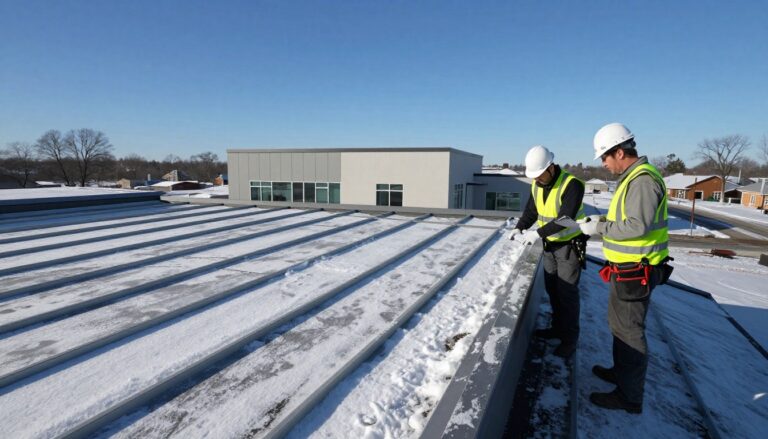
If you’re scheduling commercial flat roof repair or even a commercial roof replacement to repair or replace storm damage, don’t let siding documentation slide. Bundling storm documentation into one site visit often prevents missed damage and duplicate adjuster trips.
Step-by-Step
Document the damage so a claims adjuster can’t “unsee” it
- Photograph every elevation from the same four corner angles, then add straight-on shots, so the insurer can map damage locations.
- Take close-ups of each damage type (dents, cracks, chips, holes, loose panels), and include a coin or tape measure for scale.
- Use raking light (stand to the side so light skims across the panel) to make dimples and ripples show up in photos.
- Mark locations on a simple building sketch (north, south, east, west), and name your photo folders to match the sketch.
What to record the same day
- Write down the storm date, approximate time, observed hail size (even if it’s an estimate), hail damage to siding, and details from any professional inspection.
- Save screenshots from a reputable weather source used by your team, and keep them with the claim file.
- If you did temporary protection (taping a cracked panel, securing loose pieces), photograph before and after, and save receipts.
Prove the product is discontinued and the color can’t be matched
- Photograph the back of a loose panel (or a removed corner piece) to capture siding manufacturer stamps, profile numbers, or batch codes on aluminum siding or vinyl siding.
- Ask your contractor or supplier for a written availability check showing the line, profile, or color is not available.
- Request physical samples of the “closest” current colors and photograph them held against your existing siding in daylight and shade.
- Take one wide photo that includes windows, corners, and adjacent panels, so the mismatch is obvious at normal viewing distance.
If your insurer asks “why not replace one side?”
- Document line of sight. Photograph the building from the street, entry, and main parking stalls, showing how partial replacement would fail to achieve a reasonably uniform appearance.
- Note elevations that connect visually (front and wraparound corners), because mismatches often read as one continuous surface.
Build an insurance-ready scope that ties damage to replacement decisions
- Get a siding contractor inspection report that describes damage mechanisms (impact marks, fractured seams, loosened fasteners) as direct physical loss, not just “hail damage.”
- Separate quantities by elevation, then list accessories that must match (corners, J-channel, soffit, wraps, trim coil).
- Add code-related items only if they apply to your jurisdiction and project conditions, and keep supporting documentation in the file.
- Schedule an on-site meeting with the adjuster, and walk the elevations in the same order as your photo log and sketch.
A Minnesota-specific matching angle to know about
- If the core issue is matching, you may need legal context to frame the discussion. This Minnesota siding matching case summary explains how matching disputes, informed by NAIC model regulation, can turn into full wall replacement arguments, depending on policy language and facts.
Choose the least painful matching path if full replacement isn’t approved
- Ask suppliers about “attic stock,” end-of-run inventory, and regional transfers for matching existing siding (including vinyl siding), then document the search results and any fade warranty issues.
- Consider replacing a full elevation (or two connected elevations) instead of scattered panels, to keep the look consistent and secure HOA approval if needed.
- If you must blend, use the least visible areas for the best-match panels, and place unavoidable mismatches behind downspouts, signs, or screened areas.
- Confirm moisture control details (flashing, housewrap repairs, penetrations) so you don’t trade a color problem for moisture intrusion from cracks and splits, especially when working with your insurance company.
FAQ
Will insurance pay to replace undamaged siding just to match?
Sometimes. It depends on your insurance company’s policy language and how well you document the lack of a reasonable match when matching existing siding. Strong evidence includes discontinued-product confirmation from the insurance company and clear photos showing why a patch would look different from normal viewing distance.
What if the adjuster calls it “cosmetic”?
Ask your contractor to document functional risks from hail damage to siding, such as cracked panels, opened seams, or water entry points that constitute direct physical loss, along with the appearance issue.
What photos make the biggest difference for hail damage siding claims?
Close-ups with scale and raking-light shots of hail damage to siding on vinyl siding usually do the most work. Wide shots matter too because they show whether damage is scattered or consistent across elevations on the vinyl siding, which supports the scope.
Should we use video?
Yes, but don’t rely on it alone. Still photos are easier to reference and label in a claim file.
How do we match color when the original siding is sun-faded?
Treat “match” as a range to account for color variation, not a single chip. Compare samples in the same lighting, on multiple elevations, considering weathering and fading. If new material looks noticeably cleaner or brighter, document it with side-by-side photos and notes about sun exposure patterns.
Can we start repairs before the adjuster comes out?
You can do temporary steps to prevent more damage, but don’t remove evidence without documenting it. Your homeowners insurance policy may cover repair or replace options under replacement cost coverage, but the Texas Department of Insurance exterior siding guide explains practical cautions about choosing repair or replace timing and contractors after a storm.
What should we keep if panels fall off?
Save the pieces in a labeled bag or box, and photograph where they came from.
What if our contractor finds roof damage too, but we’re focused on siding?
Include it in the same storm file from a professional inspection. A single hail event can justify separate line items for siding and roof, especially if considering impact-resistant siding or full wall replacement to meet HOA approval standards or leverage a fade warranty on impact-resistant siding.
It’s easier to show the storm’s intensity across the property. Even if you end up doing siding first, documenting roof impacts supports the overall claim narrative for repair or replace decisions.
Clean documentation is the difference between a quick approval and weeks of back-and-forth. If your panels are discontinued, focus on proof: proof of impact, proof of non-availability, and proof that a patch won’t match at real viewing distance. That’s how you protect your building’s appearance and keep the claim anchored in facts.
Need a roof inspection in Saint Paul or the Twin Cities? Call Sellers Roofing Company at +1-651-703-2336 or schedule a free estimate. We are a black-owned, NMSDC-certified MBE roofing contractor with 9+ years experience.