Last updated: 2026-08-01 by Ted Sellers, Owner
Short answer: Yes. In Minnesota, an insurer can cancel or refuse to renew a commercial property policy after a roof claim, but filing the claim alone usually isn’t enough. The carrier usually points to a stated risk issue, such as unrepaired damage, repeated losses, or an aging roof, and it still must follow notice terms and policy rules.
When This Applies
This mostly affects commercial property policies
This applies to owners and managers of offices, retail buildings, warehouses, churches, and multi-tenant properties insured under a commercial property policy. It does not apply to auto, liability, or workers’ comp claims. It also doesn’t answer a payment dispute with a roofer after a denied claim.
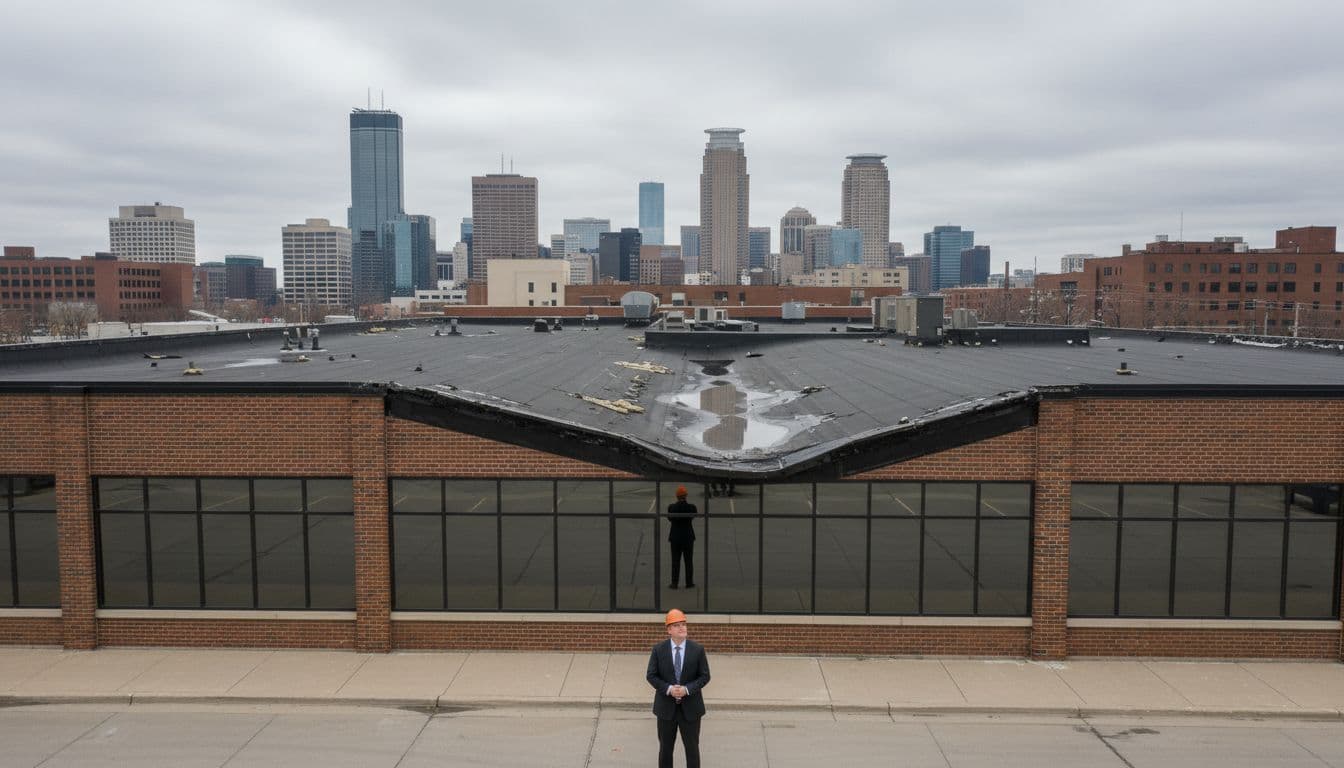
As of 2026, Minnesota has no specific law that blocks a commercial insurer from nonrenewing a business policy after a roof claim. Roof claim insurance cancellation is usually an underwriting issue. After a storm claim, the insurer may inspect the whole roof and decide the building is a higher future risk. That distinction matters. The claim opens the file, but the roof condition often drives the decision.
When a roof claim puts your policy under review
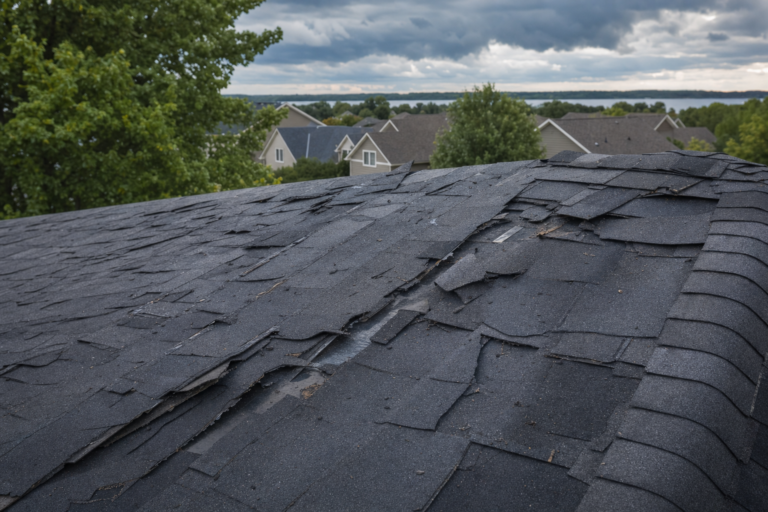
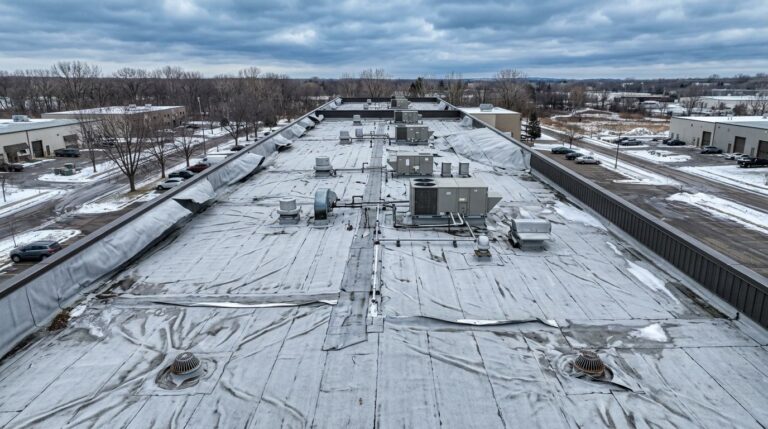
One claim can expose old seams, ponding water, wet insulation, or a long repair history. If your commercial roof needs repair and you delay it, the carrier may treat that as an increased hazard. Mid-term cancellation is less common. Nonrenewal at the end of the term is more common.
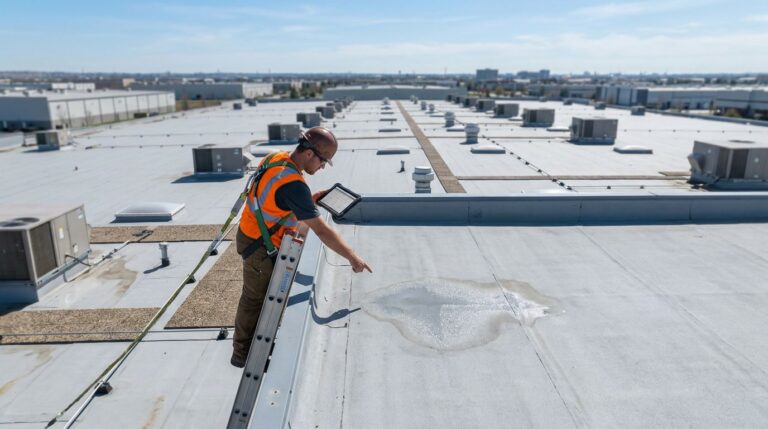
A small puncture may call for commercial flat roof repair. A wide area of saturation or membrane failure may point to commercial roof replacement. If leaks are active, solid records from commercial roof leak detection services help show what failed, how far moisture spread, and what was fixed.
Fast repairs can change the outcome
When you have photos, moisture readings, invoices, and a firm schedule, you give the insurer less room to assume the roof is still unsafe.
A roof claim can trigger review, but the claim itself is rarely the full reason.
For background on timing, the Minnesota Commerce Department’s notice guidance gives a plain-language overview of cancellation and nonrenewal rules.
Step-by-Step
1. Check whether the notice says “cancellation” or “nonrenewal”
Those words matter. A cancellation ends coverage during the policy term. A nonrenewal means coverage stops when the policy expires. Read the stated reason, the effective date, and whether the insurer gives you a chance to cure the problem. Save the envelope, email header, and every attachment, because notice disputes often turn on dates.
2. Compare the insurer’s reason with your roof file
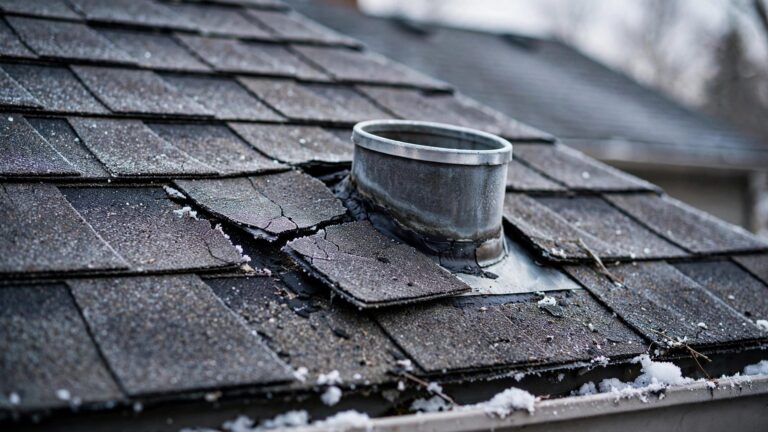
Match the notice to the adjuster report, inspection photos, maintenance logs, and contractor findings. If the carrier cites poor condition, find out whether it noted open seams, loose flashing, active leaks, ponding, or unsafe deck areas. Separate storm-created damage from ordinary wear, because carriers sometimes blend the two when they review renewal risk.
If the notice says “increased hazard”
That usually means the insurer thinks the chance of another loss went up after the claim. You need facts that show the hazard is fixed, temporary, or overstated.
3. Repair what you can, and document every step
Move fast on temporary dry-in work and permanent repairs. For active leaks or storm openings, emergency commercial roof repairs can limit interior damage and show good-faith action. If the damage is isolated, repair may be enough. If the whole system is near the end, document why a commercial roof replacement makes more sense. Before-and-after photos, daily logs, and moisture test results carry more weight than a vague promise to fix it later.
4. Answer the insurer in writing
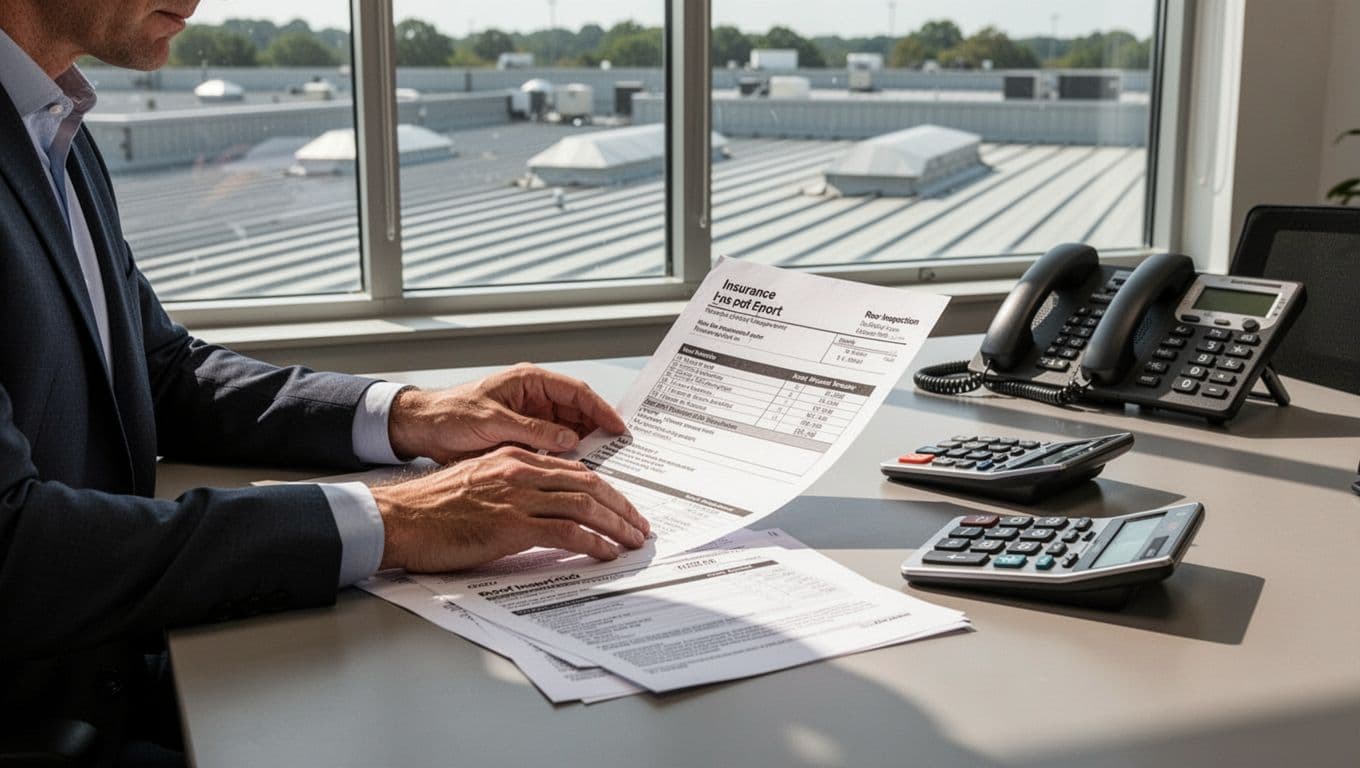
Send a short, factual response with reports, photos, paid invoices, and target completion dates. Ask the carrier to confirm whether the completed work removes the stated reason for cancellation or nonrenewal. If the reason is vague, ask for the underwriting notes through your broker. This overview of cancellation reasons after claims is not Minnesota law, but it explains the common difference between filing a claim and uncovering a separate risk problem.
5. Line up backup coverage before the deadline
Start shopping early through a broker who handles commercial property risks. Disclose the claim, the repair status, and the age of the roof. A new carrier will usually ask whether the roof is repaired, partly repaired, or still leaking. Waiting too long can create a coverage gap, which may violate loan terms or lease requirements and raise your premium at the next placement.
Conclusion
A roof claim can start a policy review, but it doesn’t give an insurer a free pass to drop coverage. The carrier still needs a real risk reason, and you still have notice rights.
The best response is speed, proof, and a clear repair plan. When the roof condition is documented and the fix is underway, the odds of a messy insurance cancellation after a roof claim go down.
FAQ
Can a lender react before the policy actually ends?
Yes. Many loan agreements require continuous property coverage. If your insurer sends a nonrenewal notice, the lender may ask for proof of replacement coverage well before the expiration date. That can also create issues with tenants who require proof of insurance under the lease.
Does a paid roof claim hurt more than a denied claim?
Sometimes. The claim outcome is only part of the story. A paid claim can expose broader roof issues that worry the underwriter. A denied claim can do the same if the inspection shows old damage, poor upkeep, or prior leaks.
Will a temporary patch satisfy the insurer?
Sometimes, but only for a short time. A patch helps stop loss and shows you acted quickly. Still, if the membrane, insulation, or deck is failing across a large area, the insurer may want proof of a permanent fix or a signed replacement contract.
What if winter weather delays permanent work?
That can be a valid explanation if you document it well.
Cold-weather edge case
Use photos, weather notes, invoices for temporary protection, and a signed contract for spring work. Carriers are more likely to wait if the building is dry, the hazard is contained, and the repair timeline is firm.
Should you file another claim if leaks continue after the first storm?
Not until you know why the leaks are still happening. A second claim can bring more scrutiny if the problem is unresolved prior damage or poor repair work. First, determine whether you have new storm damage or the same failed area reopening.
Need a roof inspection in Saint Paul or the Twin Cities? Call Sellers Roofing Company at +1-651-703-2336 or schedule a free estimate. We are a black-owned, NMSDC-certified MBE roofing contractor with 9+ years experience.