Last updated: 2026-08-01 by Ted Sellers, Owner
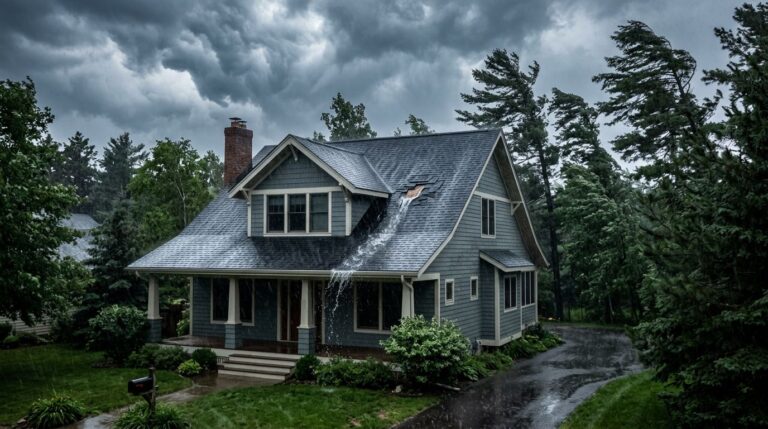
Usually, yes. In Minnesota, commercial property insurance often covers roof damage from a fallen tree limb when the loss is sudden and accidental, such as wind, hail, or lightning. Coverage often shrinks or disappears if the insurer finds rot, poor maintenance, earlier leaks, or an aging roof that was already failing. The policy language, deductible, and roof condition decide how much you recover.
When This Applies
When a fallen limb is usually covered
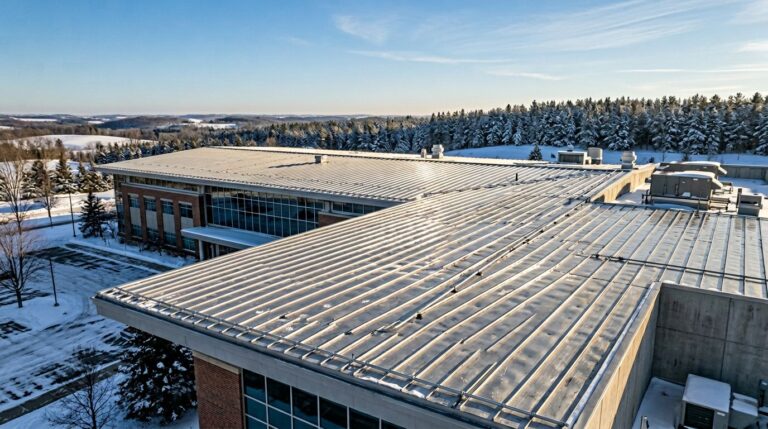
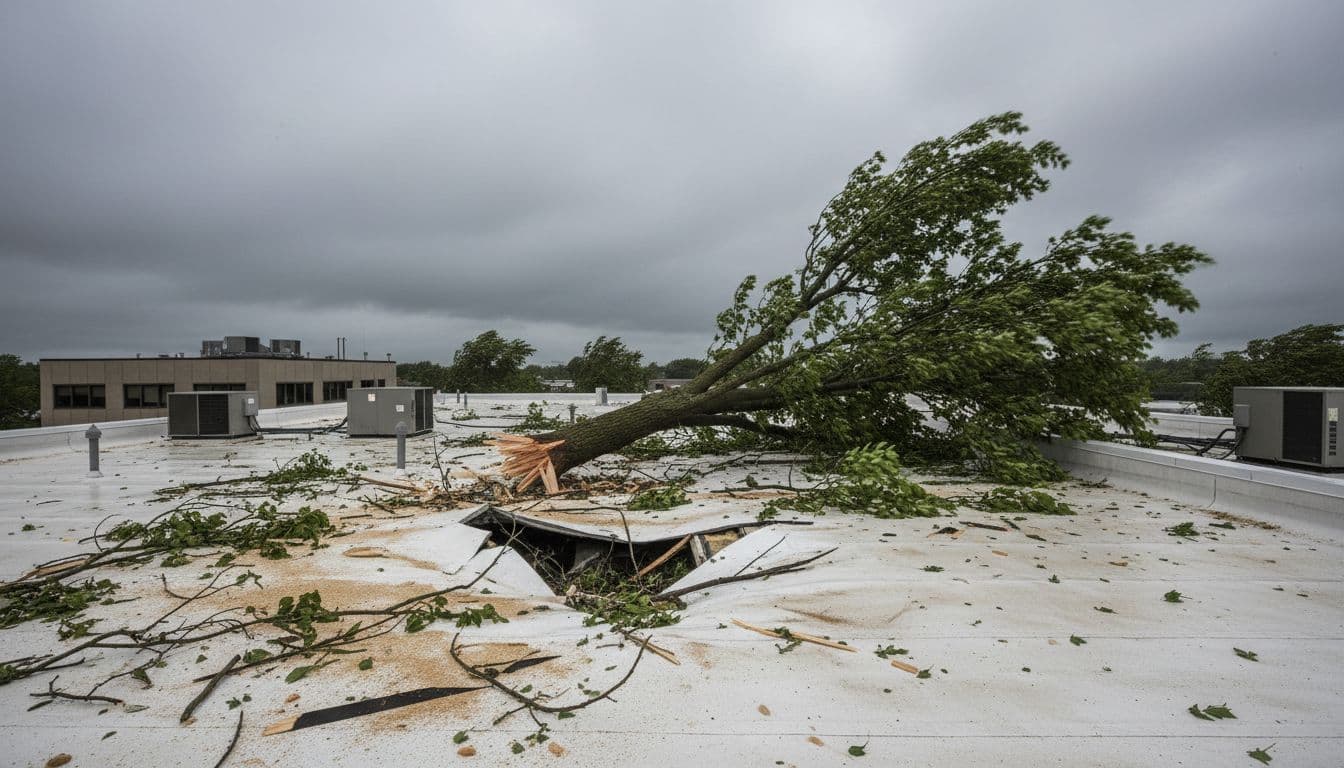
This applies to business owners and property managers with a commercial property policy that covers storm damage or falling objects. If a limb punctures membrane, crushes insulation, or opens flashing, the direct roof damage is often covered. That includes TPO, EPDM, metal, and other common commercial systems.
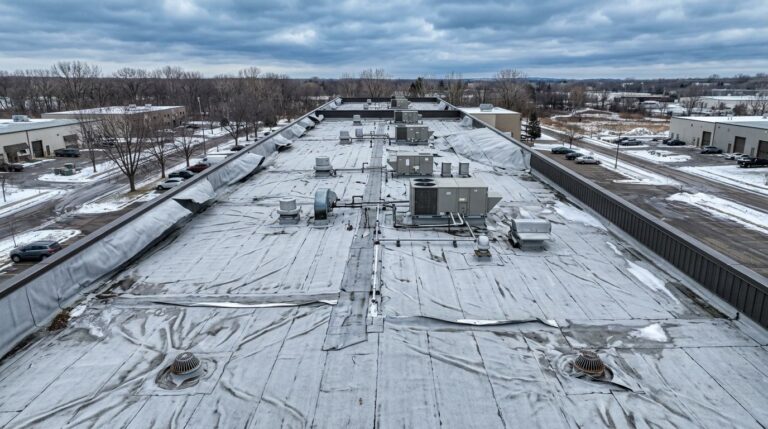
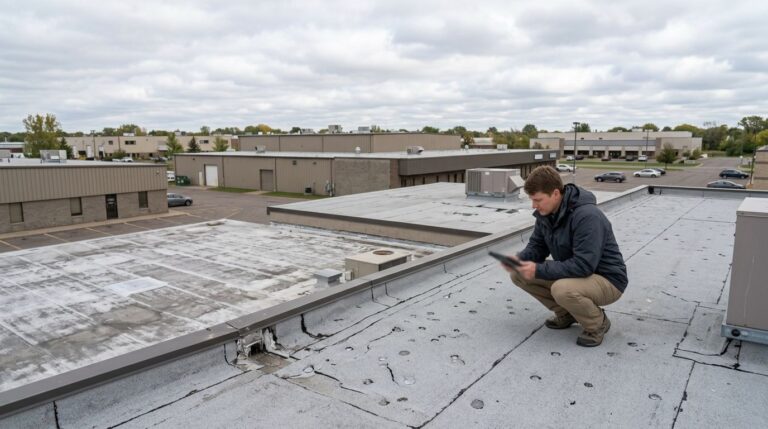
On low-slope buildings, the visible tear is only part of the story. Water can move sideways under the membrane, which is why commercial roof leak detection in Saint Paul often matters after impact. Many carriers also want proof that the limb caused functional damage, not only surface marks.
If the limb came from a neighbor’s tree
Your carrier usually handles damage to your building first, even if the branch came from next door. Later, insurers may sort out fault between themselves, as explained in this fallen tree payment overview.
When coverage may be denied or reduced
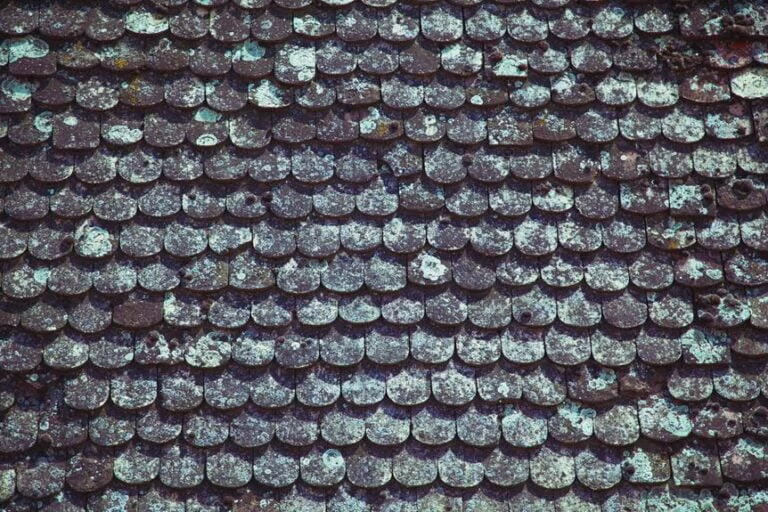
Claims get harder when the roof had old problems. If open seams, ponding water, or long-term leaks were already present, the insurer may pay only for the new impact point. It may refuse age-related repairs. If the limb exposed old wet insulation, the carrier may pay to open the area but not to upgrade the whole assembly.
For roof damage insurance Minnesota claims, the branch often isn’t the real fight. The real fight is pre-existing condition.
If your commercial roof needs repair before the storm, insurance usually won’t use one branch to fund a full reset.
Also, many 2026 policies carry separate wind or hail deductibles, so the check may be smaller than expected. Debris removal may be limited too. If the limb misses the building and lands in the lot, coverage can change.
Step-by-Step
How to protect the claim and the roof
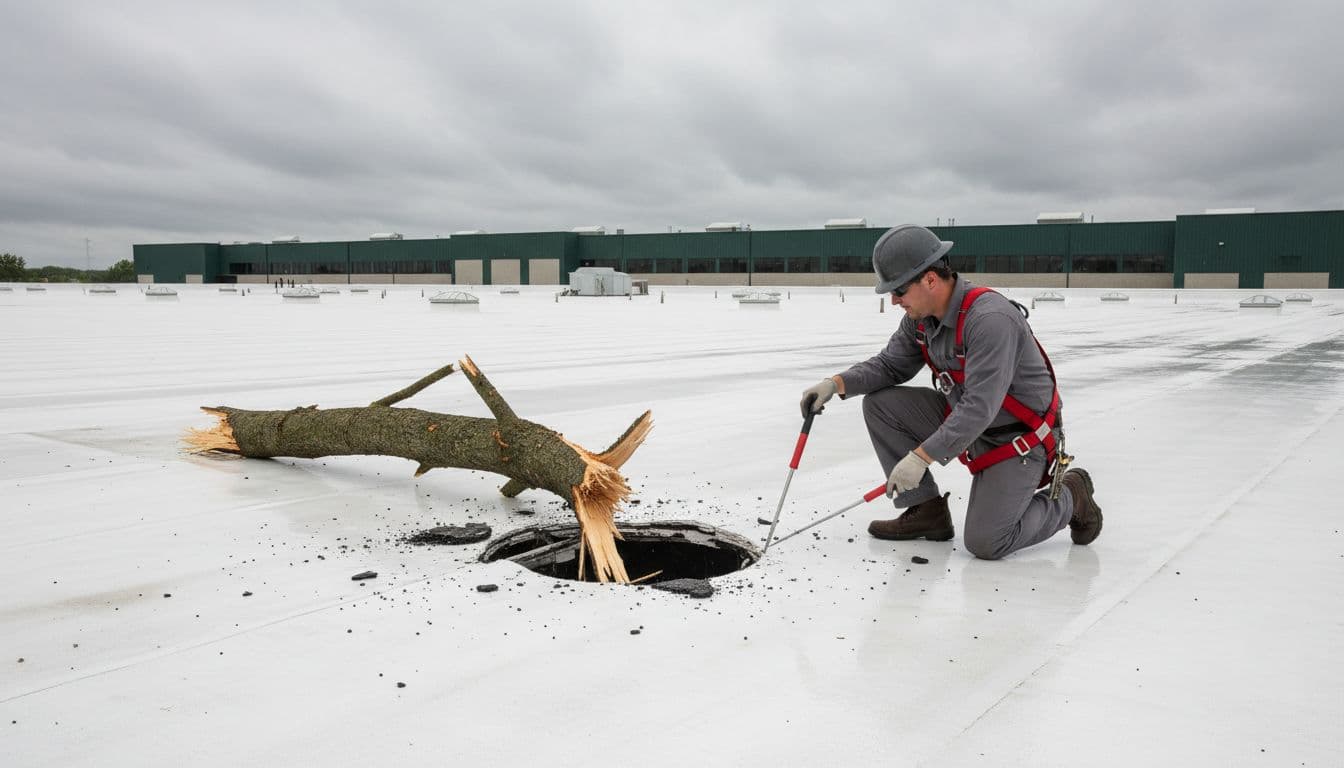
- Start with safety. Keep staff away from the drop zone. If water is entering, use temporary containment inside and have a roofer tarp the opening. Don’t cut up or haul away the limb unless it creates an immediate hazard.
- Document before cleanup. Take wide shots, close-ups, ceiling stains, wet stock, and the tree itself. Save the date, time, and weather alerts. After recent storms, Minnesota storm claim warnings stressed photos first and reputable contractors second.
- Call the insurer fast. Ask whether the loss falls under storm damage or falling objects. Confirm your deductible, depreciation rules, and debris removal limit. Many policies in 2026 have separate wind or hail deductibles. Then ask when the adjuster can inspect.
- Get a commercial inspection, not a quick glance. A branch can split seams, crush insulation, and hide moisture far from the tear. On low-slope systems, early commercial flat roof repair can stop a much larger loss. A cheap patch can trap moisture and push a small claim into a larger dispute.
- Separate new damage from old damage. Your roofer should mark punctures, wet insulation, damaged flashing, and any areas that were worn before the strike. That makes it easier to show what the storm caused, and what falls outside the claim.
- Review the scope before work starts. Sometimes a patched section is enough. Other times saturated insulation or damaged decking makes commercial roof replacement the better answer. A detailed report from Saint Paul commercial roofing experts helps you compare the adjuster’s scope with the real roof condition. Ask both sides to state, in writing, why repair or replacement is the right scope.
FAQ for Minnesota business owners
Does roof age change how much insurance pays?
Yes. A newer roof often gets better treatment than an older one. Some policies pay replacement cost after work is done, while others pay actual cash value and subtract depreciation first. That difference can change the claim by thousands of dollars.
Will insurance cover interior damage from the leak too?
Often yes, if the roof opening came from a covered event. Wet ceiling tile, damaged inventory, and soaked insulation may be part of the same claim, but carriers still want proof that the water came from the limb and not an old leak.
Can I choose my own roofing contractor?
Usually, yes. Your insurer can suggest vendors, but you can hire your own licensed roofer. For a commercial building, that matters because flat roofs, metal panels, and membrane systems fail in different ways.
If the roof is financed or under warranty
Tell the insurer if lender rules or warranty terms limit who can do the work. That can affect the approved repair path.
What if the adjuster says repair, but my roofer says replace?
That happens often. Ask for a moisture map, photos, and a line-by-line scope. If trapped water spread under the membrane, a local repair may not last, and a commercial roof replacement may be the better long-term fix.
Does insurance pay if business operations slow down?
Maybe, but only if you carry business income or interruption coverage. Keep payroll records, sales reports, and notices of limited access. The roof claim and the income claim usually travel together, but they are not the same part of the policy.
Bottom line
Minnesota insurers usually pay for sudden limb damage to a commercial roof. They usually resist paying for age, neglect, or old leak problems hiding underneath.
That is why fast photos, a clear inspection, and a solid scope matter. When the roof is punctured, the first hour after the storm can shape the whole claim.
Need a roof inspection in Saint Paul or the Twin Cities? Call Sellers Roofing Company at +1-651-703-2336 or schedule a free estimate. We are a black-owned, NMSDC-certified MBE roofing contractor with 9+ years experience.