Last updated: 2026-08-01 by Ted Sellers, Owner
For homeowners, no. Minnesota law bars residential contractors from paying or waiving insurance deductibles on covered repair work. For commercial buildings, that specific ban does not apply the same way. Still, a business owner should reject fake invoices, hidden offsets, or inflated claim totals. Any discount has to be real, documented, and consistent with the insurer’s paperwork.
When This Applies
Commercial claims and residential claims are treated differently
If you’ve searched “roof insurance deductible minnesota,” you’ve probably seen homeowner rules first. That makes sense, because the Minnesota DLI deductible guidance focuses on residential contractors and homeowner insurance claims under Minn. Stat. 325E.66.
For a house, townhome, or similar residential property, a roofer cannot promise to pay the deductible or offer something of value to win the job. That includes “free” upgrades tied to an insurance-funded repair.
If your property is mixed-use
A building with apartments over retail can blur the line. If part of the claim falls under residential rules, treat it with care and confirm the classification with your carrier before signing anything.

Where commercial owners still need to be careful
Commercial owners have more room to negotiate, but that does not mean every “waived deductible” offer is safe. A contractor can lower a price for valid business reasons. What they cannot do is hide your share inside a padded invoice or bill the insurer for work that was never priced honestly.
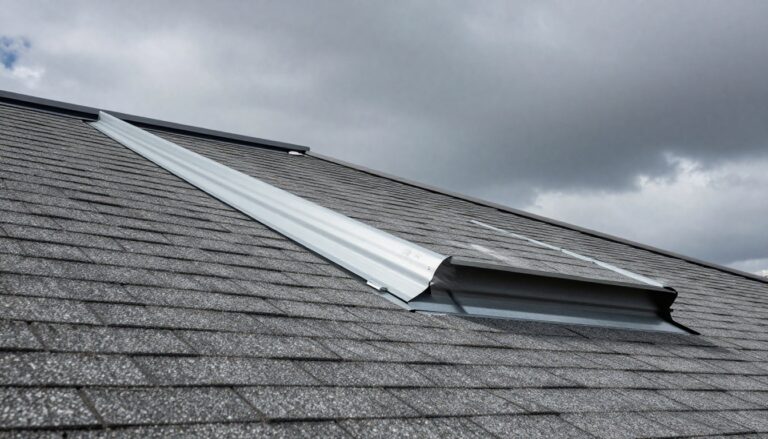
That distinction matters after hail, wind, or sudden leaks. When a commercial roof needs repair, the first step is solid documentation. Commercial roof leak detection in Saint Paul can help show whether the problem is isolated, whether broader commercial flat roof repair makes sense, or whether the damage points to full commercial roof replacement.
Step-by-Step
1. Verify the claim type
Confirm that the policyholder is a business entity and that the damaged building is being handled as a commercial property. Read the declarations page, claim letters, and adjuster notes. If the insurer treats any part of the property as residential, stop and clarify that first.
For mixed portfolios
If your company owns both homes and commercial sites, do not assume the same deductible rules apply across all properties. Minnesota’s residential restriction still matters on home-based claims.
2. Compare the policy, claim estimate, and contractor proposal
Your deductible, exclusions, depreciation, and approved scope should line up with the roofer’s bid. If the contractor says you will owe nothing, ask how that appears on the written proposal. A clean answer should show real pricing, not verbal promises.

3. Separate a true discount from a deductible gimmick
A real discount is simple. The contractor charges less because the scope changed, materials changed, timing changed, or overhead changed. A gimmick is different. It often shows up as “we’ll absorb your deductible,” free add-ons, rebates after payment, or invoice numbers that do not match the job.
If you want a plain-English legal read on how these offers can cross the line, Avvo’s legal Q&A highlights the fraud risk tied to insurance-funded work.
4. Ask how the repair or replacement will be documented
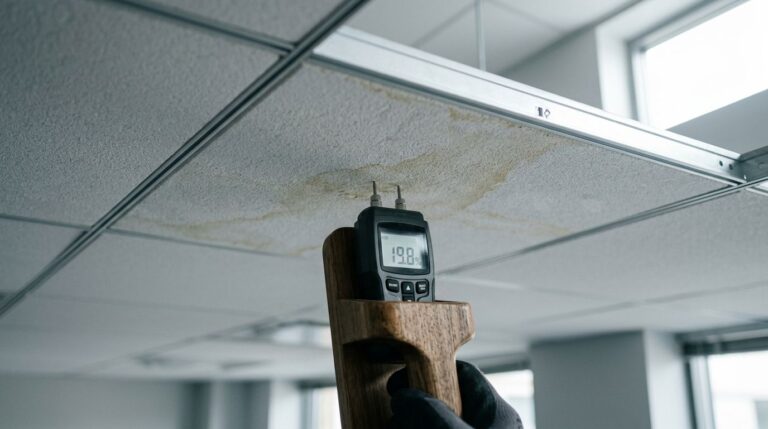
Ask for photos, moisture findings, roof measurements, and change-order rules. Clear records protect you if the insurer reopens the file later. They also help when you are deciding between spot repairs, broader commercial flat roof repair, or a full replacement plan.
5. Sign only when the math is clean
Your final contract should show the actual job cost, the insurer’s share, and your company’s share. If there is a legitimate credit, it should be visible and easy to explain. A reputable Saint Paul commercial roofing company should have no problem putting that in writing.
FAQs Business Owners Still Ask
Does Minnesota ban deductible waivers on commercial roofs?
The Minnesota law cited most often applies to residential contractors and homeowner claims. Commercial claims are not covered the same way. Even so, commercial billing still has to be truthful and support the actual scope of work.
What if a roofer says I will not pay anything out of pocket?
Treat that as a warning sign. It might be a valid price cut, but it might also be a hidden offset. Ask for the full proposal in writing and compare it to the insurer’s approved estimate.
Can I negotiate the contract price on an insurance job?
Yes. Insurance work can still be negotiated. The problem starts when the contract price, final invoice, and actual work no longer match.
What if my building has retail space and apartments?
That is an edge case. A mixed-use claim can trigger residential rules for part of the project. Get the carrier’s position in writing before you rely on any deductible discussion.
If I choose repair instead of replacement, does the deductible change?
Usually no. The policy sets the deductible, not the roofer. Your choice changes the claim amount and the scope, but it does not erase the deductible by itself.
For Minnesota business owners, the safest rule is simple: keep the paperwork honest. A commercial roofer may be able to offer a lawful price reduction, but the contract, invoice, and claim file all need to match the real job.
If the deal only works when the numbers are hidden, it is the wrong deal.
Need a roof inspection in Saint Paul or the Twin Cities? Call Sellers Roofing Company at +1-651-703-2336 or schedule a free estimate. We are a black-owned, NMSDC-certified MBE roofing contractor with 9+ years experience.