Last updated: 2026-08-01 by Ted Sellers, Owner
Yes. A carrier can deny a roof claim if it decides the damage came from wear, poor upkeep, or an unrepaired leak instead of a covered storm event. For commercial owners, proof drives the result. Maintenance logs, photos, service invoices, and an independent roof report can turn a weak denial into a stronger claim.
When This Applies
Claims on older commercial roofs with leak history
This issue hits business owners with older low-slope roofs most often. Offices, retail centers, warehouses, and mixed-use buildings are common examples. It also affects owners under net leases, because the lease may place roof care squarely on the business.
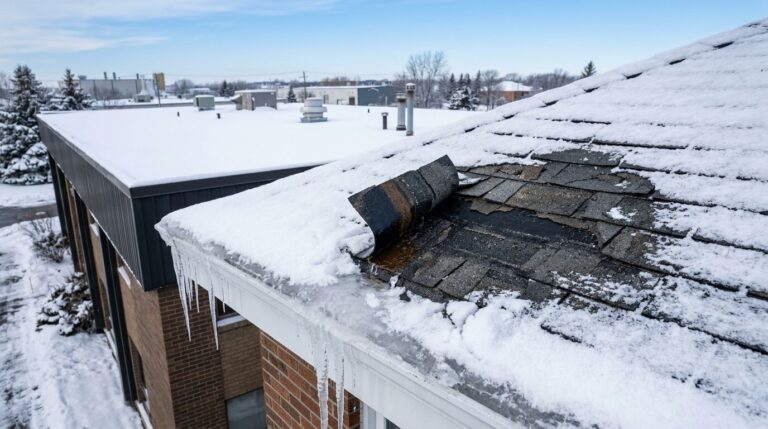
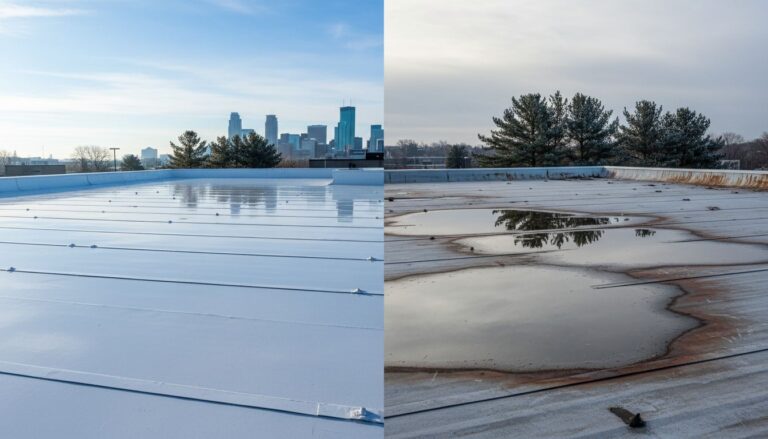
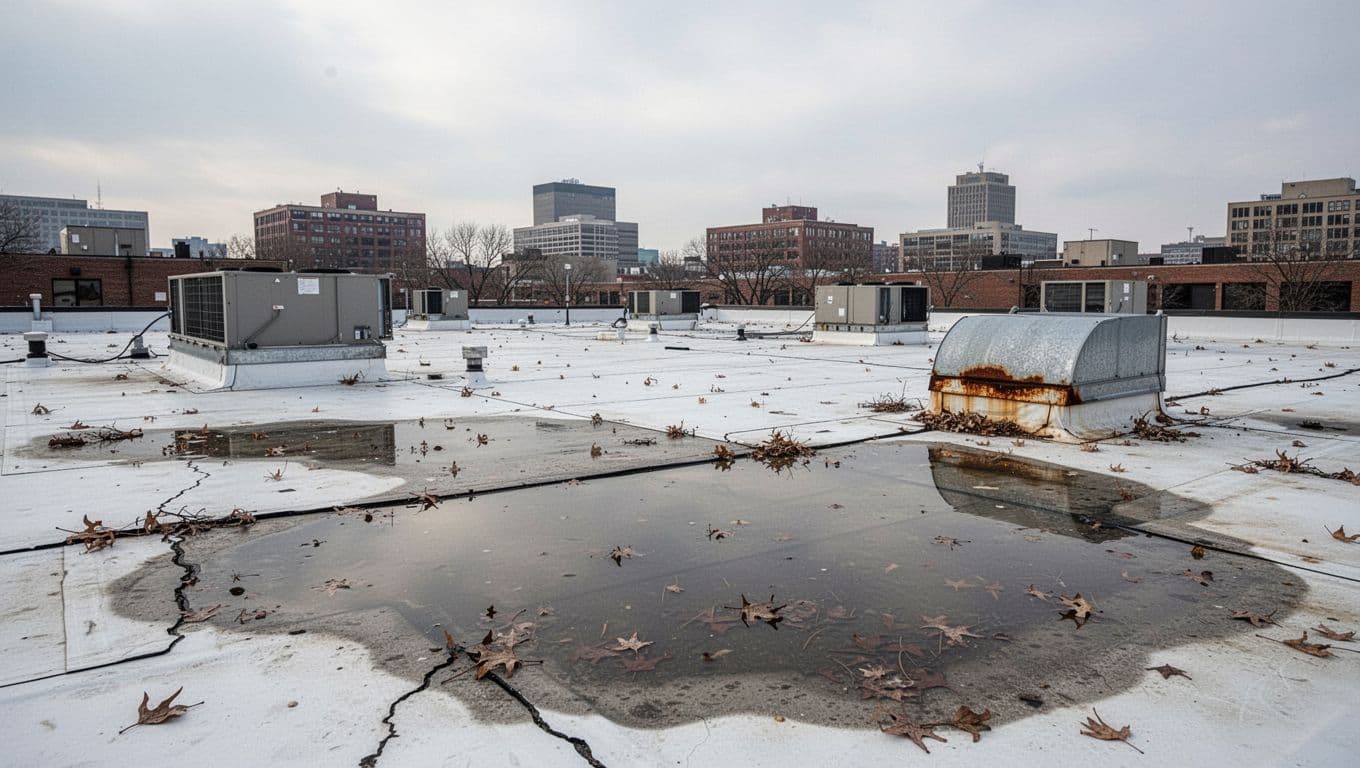
Insurers look hard at ponding water, clogged drains, open seams, patched areas, rusted flashing, and stains that suggest the problem started before the storm date. If your carrier sees neglect, a roof claim denied letter often follows. That does not mean the carrier is right.
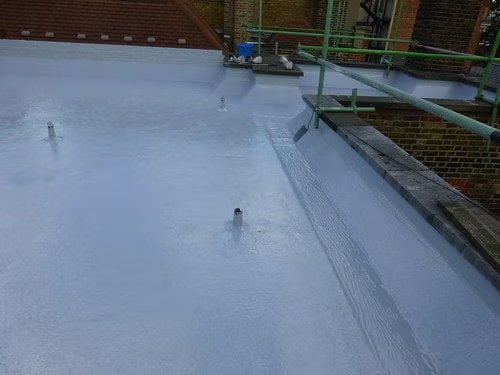
On TPO, EPDM, metal, and built-up systems, fresh storm damage can sit beside old wear. When leaks travel across the deck, independent commercial roof leak detection Saint Paul can help show where water entered and when the damage likely began.
When lack of maintenance is not a valid denial
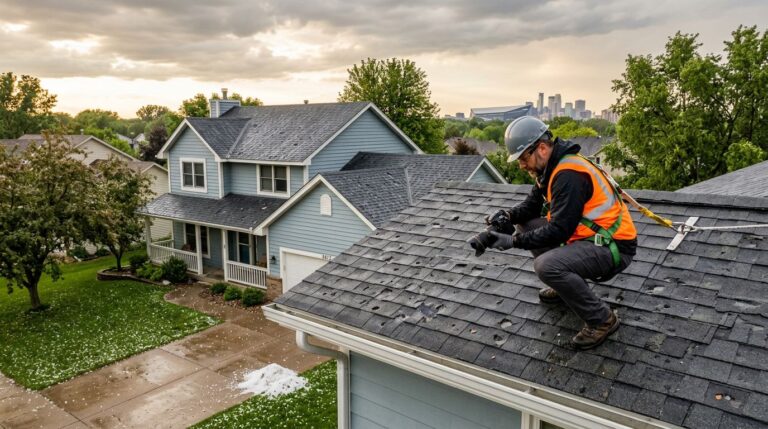
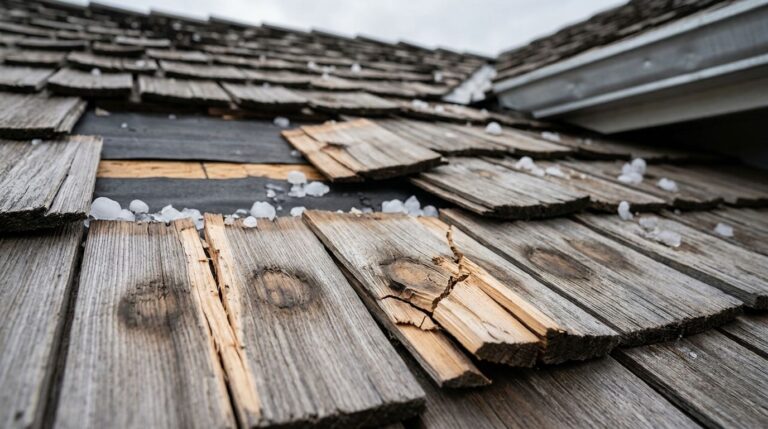
A denial should not stand when a covered event caused new damage that routine care would not have prevented. Hail, wind uplift, or flying debris can tear seams, crack flashing, or puncture membranes on a roof that had regular service. In that case, the insurer must separate old conditions from the new loss.
It also may not apply when the carrier relies on a broad statement like “old roof” without testing, moisture mapping, or photos of long-term deterioration. A conclusion needs evidence.
A worn roof can still have covered storm damage. The real dispute is usually the cause, not age alone.
Mixed-cause losses are common
Many commercial denials involve mixed causes. One section may have old ponding, while another shows fresh wind lift. Insurance can deny the old damage and still owe for the new damage. That is why owners should resist all-or-nothing language.
This quick split helps frame the dispute:
| Scenario | Denial strength |
|---|---|
| Months of known leaks with no repairs | Stronger for insurer |
| Older roof with upkeep records and fresh storm openings | Stronger for owner |
| Old wear plus new storm damage in separate areas | Often a partial-coverage fight |
For context, a summary of Great Northwest Insurance Co. v. Campbell shows Minnesota law can affect code-related roof payments. The case involved a home, not a business, but it still shows why broad denial language deserves a second look.
Step-by-Step
1. Read the denial letter against the policy
Start with the exact reason for denial. Look for phrases like “wear and tear,” “repeated seepage,” “deferred maintenance,” or “pre-existing damage.” Then compare that language to the exclusions, duties after loss, and valuation terms in your policy. Also note appeal deadlines and any request for more documents.
2. Pull every record that shows regular upkeep
Gather inspection reports, work orders, invoices, drain cleaning logs, leak repair receipts, vendor emails, and dated roof photos. If your commercial roof needs repair now, older records still matter because they show you did not ignore known issues. Paper trails often matter more than opinions.
3. Get an independent commercial roof inspection
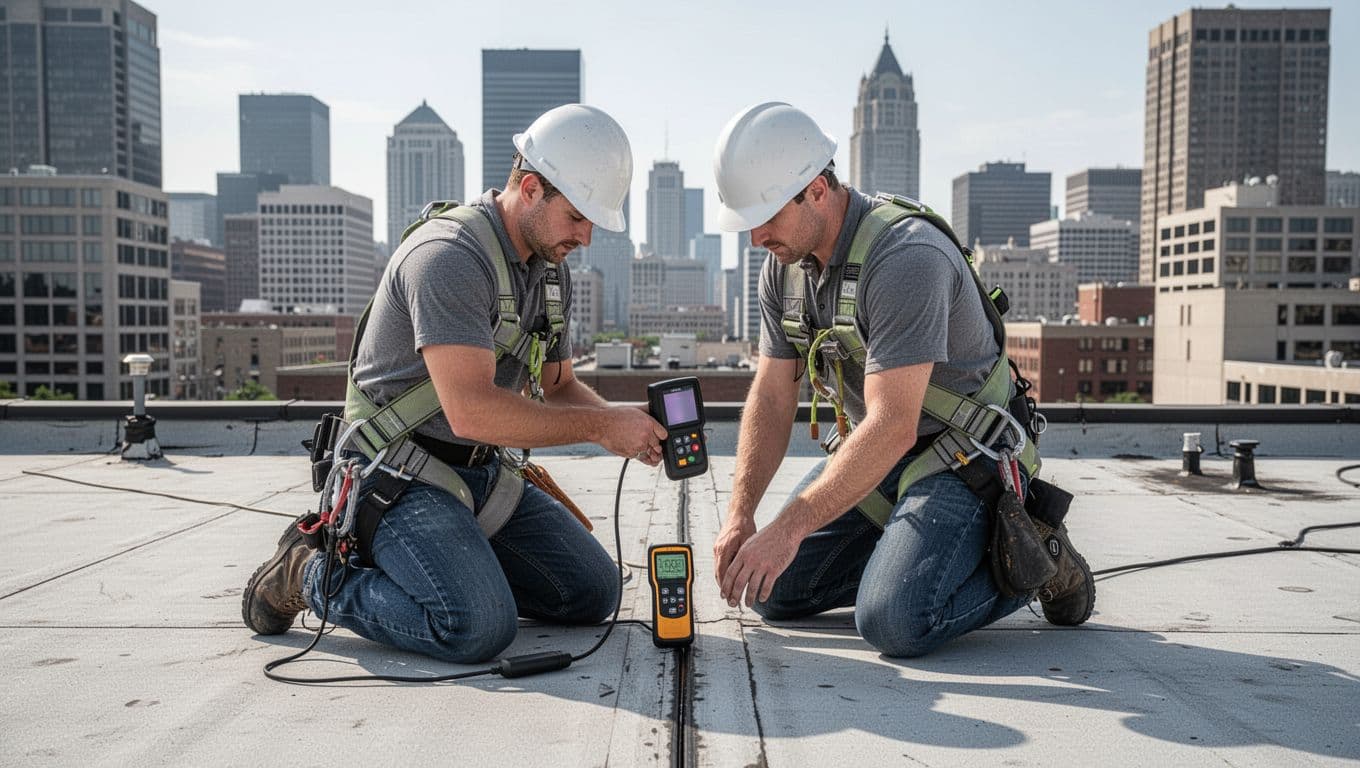
Ask a roofer to document storm-created openings, moisture spread, seam failure, flashing defects, and wet insulation. A contractor with Saint Paul commercial roofing services experience can also explain whether the insurer priced the right fix. Ask for marked photos and a roof diagram that separates new damage from age-related wear.
If the roof is low-slope or membrane-based
Water rarely drops straight down on these systems. Because it can travel sideways, the visible leak may be far from the opening. That distinction can change a denial into covered commercial flat roof repair.
4. Tie the damage to the weather date
Match the roof findings to the storm date with weather reports, security footage, tenant emails, and maintenance notes. Even a same-day work order can help tie the loss to the event. A recent Minnesota roof claim denial guide also stresses fast written notice and organized records.
5. Challenge the scope, not only the denial
Some carriers admit limited damage but only offer a patch. That may fall short if insulation is saturated, seams are failing across a larger field area, or code expands the work. If the proposed repair leaves wet materials in place, you are not made whole. In some files, the real dispute is not coverage alone, but whether the roof needs a patch, a section replacement, or full commercial roof replacement.
6. Ask for reinspection or appeal in writing
Send the request before the policy deadline. Attach the denial letter, the independent roof report, photos, invoices, and a clear explanation of why the cause is covered. Ask the carrier to identify the exact evidence it used to blame maintenance. For larger losses, Minnesota businesses overturning coverage denials often do so with better evidence and a formal challenge, not a phone call.
Common questions after a denial
Does an old commercial roof automatically lose coverage?
No. Age alone is not enough. The carrier still has to show the claimed damage came from wear, neglect, or another excluded cause, rather than a covered storm event. Old roofs lose claims when the evidence shows old problems caused the loss.
Should I make emergency repairs before the adjuster arrives?
Yes, if water is actively entering the building. Most policies require you to protect the property from more damage.
Keep the evidence
Take photos first, save invoices, and keep damaged materials if possible. Temporary tarping helps your claim. Throwing away the failed section can hurt it.
What if the adjuster says ponding water caused the leak?
Ponding often becomes the insurer’s favorite argument on flat roofs. Still, the key question is why water ponded and whether a storm-created opening also existed. A drain issue and a covered puncture can exist at the same time.
Will insurance still pay for interior damage?
Sometimes. Coverage may still apply if a covered event opened the roof and let water inside. If the carrier proves the roof leaked for months and you did not act, interior damage is harder to recover.
What if my contractor says replacement but insurance says repair?
That is common on large roofs. Replacement may be proper when wet insulation is widespread, seams are failing in multiple areas, or code-driven work expands the scope.
When repair is usually too small
If the membrane is discontinued, the seam system cannot be restored, or moisture has spread past the visible leak, a simple patch may not return the roof to pre-loss condition.
The bottom line
A maintenance-based denial is usually a fight over cause and proof. If your records show reasonable upkeep and the storm created new damage, push back fast.
Strong claims are built with documents, not guesswork. The clearer you connect maintenance history, storm timing, and roof findings, the harder it is for a weak denial to hold.
Need a roof inspection in Saint Paul or the Twin Cities? Call Sellers Roofing Company at +1-651-703-2336 or schedule a free estimate. We are a black-owned, NMSDC-certified MBE roofing contractor with 9+ years experience.