Last updated: 2026-08-01 by Ted Sellers, Owner
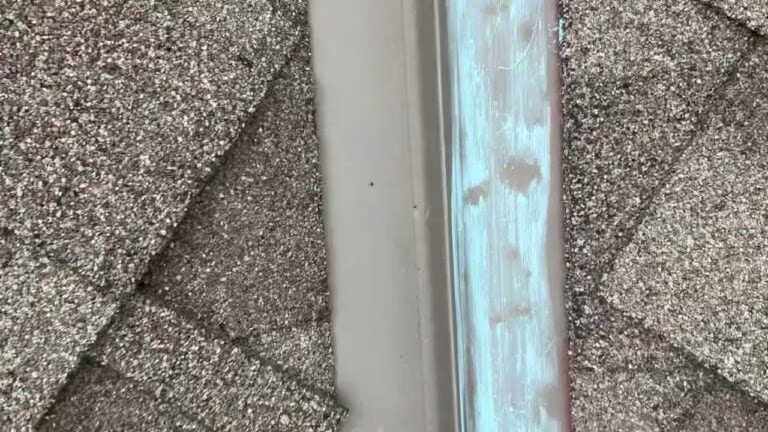
A roof drip edge, or roofing drip edge, is a metal flashing installed along roof edges to push water away from the fascia and roof deck, and into the gutter system. In Minnesota, you usually do want it because snowmelt, ice, and wind-driven rain can sneak under shingles and rot wood edges. It’s not always a stand-alone code requirement, but it’s often required by manufacturers and best practice.
When This Applies
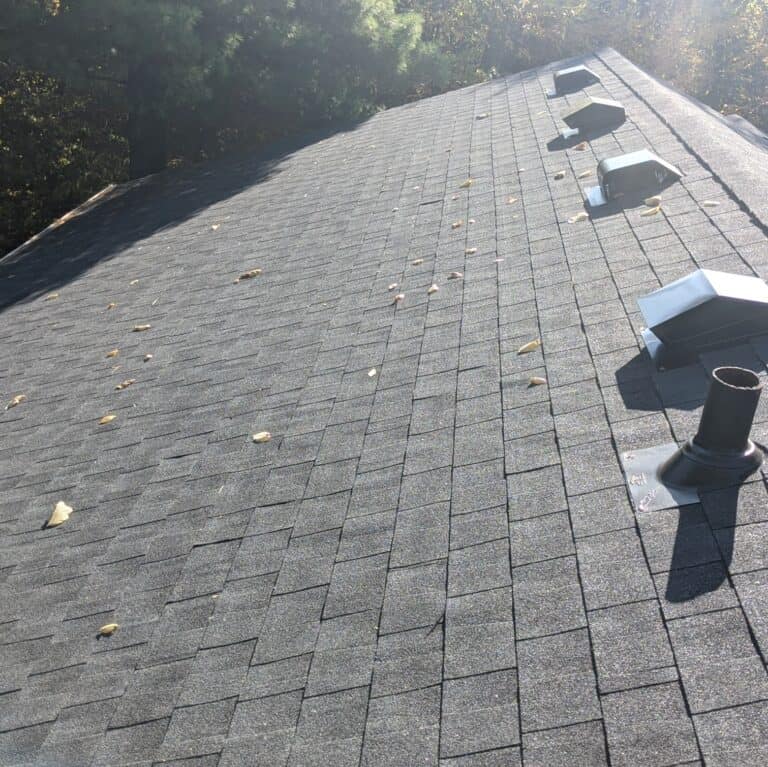
You’re most likely to need drip edge on steep-slope roofs (shingles, shakes, some metal)
Drip edge matters most on roofs where water runs fast toward an exposed edge, such as eaves and rake edges. That includes many small commercial buildings, office condos, retail storefronts, churches, and multifamily properties that use asphalt shingles on pitched roof sections.
Think of drip edge like the little lip on a countertop. Without that lip, spills creep under and soak the cabinet. On a roof, that “cabinet” is the wood roof deck and fascia. Once those edges stay wet, rot and peeling paint follow, and gutters often start pulling loose.
Minnesota adds pressure in three ways:
- Ice dams can back water up under shingles at the eaves, leading to water damage and wood rot.
- Freeze-thaw cycles open tiny gaps at edges and nails.
- Wind pushes water sideways, not just down.
While statewide rules don’t always call out drip edge as a blanket requirement for every roof, you still have to follow adopted building codes, local enforcement, and product instructions. For background on how Minnesota administers building codes, see the Minnesota DLI code administration manual.
When drip edge may be different, or not the main detail (common on low-slope commercial roofs)
Many larger facilities do not have standard drip edge flashing like on residential shingle roofs. Low-slope systems (TPO, EPDM, PVC, modified bitumen, BUR) typically use perimeter edge metal, coping caps, gravel stops, or termination bars designed for that roof system.
Edge case: Parapet walls, internal drains, and scuppers
If your building has parapet walls and internal drains, water may never flow into exterior gutters. In that case, drip edge at the eaves may be irrelevant, but edge flashing and coping details become even more important because leaks can travel inside a wall before you notice.
Why Drip Edge Matters So Much In Minnesota Weather
Drip Edge Flashing Protects Roof Edges, Not Just the Gutter System
A drip edge flashing’s job sounds small, but the risk isn’t small. Roof edges are where assemblies are thinnest and most exposed. If water curls back under the first shingle course, it can soak the sheathing edge, then wick into the fascia and soffit. An ice and water shield is often installed in conjunction with the metal edge to prevent leaks and avoid structural damage.
That’s why drip edge flashing often shows up during inspections tied to bigger decisions like repairs versus roof replacement. If you’re already planning an estimate for Saint Paul commercial roofing services, the edge detail is worth discussing early, because it affects how the whole perimeter performs.
If the roof edge fails, the leak may show up far away, after the damage spreads.
It reduces “mystery leaks” and early deterioration
Commercial owners often call after spotting a stain, a damp wall line, or recurring ceiling tile damage. Sometimes the membrane is fine, and the trouble starts at the perimeter. Other times, a missing or poorly installed drip edge lets water get behind the gutter system and into the wall assembly.
If your commercial roof needs repair, edge conditions are a smart place to look first, especially after ice dams or heavy snow years. Basic building codes for roof coverings and edge details are typically referenced through model code sections adopted by states and cities. For a general example of published roof assembly requirements, see ICC’s roof assemblies section.
For practical installation considerations and common failure points, this drip edge flashing FAQ resource is helpful for understanding what tends to go wrong at eaves and rakes.
Step-by-Step
Decide whether drip edge is the right detail for your building
- Confirm your roof type, steep-slope shingles versus low-slope membrane.
- Walk the perimeter and look for bare wood edges, soft fascia, or peeling paint.
- Check for gutters that overflow behind the back edge during rain.
- Review your roofing manufacturer requirements for edge metal and warranties.
- Ask your local building department how they interpret edge flashing in permits.
Inspect the existing edge conditions before approving any work
- Look for gaps between shingles and the metal edge, or no metal at all.
- Check for rusted metal, loose nails, or sections that pull away from the deck.
- Check roofing nails for corrosion at the perimeter.
- Inspect under the first shingle course at eaves for dark staining or rot.
- Verify gutters slope correctly and downspouts discharge away from the foundation.
Choose the fix that matches the roof system (and the risk)
- For shingle roofs, require gutter apron drip edge at eaves and rake edges, such as Type F, Type D, Type C, or D-metal profiles, with proper underlayment layering.
- For low-slope roofs, specify the manufacturer-approved perimeter edge metal system.
- If water has already entered the assembly, plan targeted drying and repairs first.
- When damage is widespread, price both commercial flat roof repair and full commercial roof replacement to compare long-term cost.
FAQ
Can you add drip edge without replacing the whole roof?
Yes, sometimes. If shingles are brittle or sealed hard, adding roofing drip edge can crack them, so results vary. On many roofs, it’s easiest during a reroof. For low-slope systems, edge metal changes usually require careful tie-ins to avoid new leak points.
What happens if my building has no gutters?
Drip edge can still help by pushing water away from the fascia even without a full gutter system, but it won’t “manage” water by itself. Without gutters, splash-back and icy walkways can become the bigger problem, especially at entrances and loading areas.
When gutters are missing on purpose
Some commercial designs avoid gutters and use scuppers, internal drains, or ground-level drainage systems. In those cases, focus on coping caps, scupper flashings, and overflow paths.
Is drip edge required by Minnesota code?
Often, it’s not a simple yes or no. Minnesota uses adopted codes plus local enforcement, and many details defer to manufacturer instructions. If you need a starting point on how code administration works statewide, review the Minnesota DLI guidance.
How do I know if an edge leak is the real source of my interior stain?
Water can travel, especially on low-slope roofs and along decking. If stains keep returning after “patches,” get diagnostic help before spending on repairs in the wrong spot. A documented assessment like commercial roof leak detection in Saint Paul can pinpoint whether the edge, a penetration, or drainage is the true source.
Does drip edge matter on TPO or EPDM commercial roofs?
The concept matters, but the part is different. Low-slope roofs rely on engineered edge metal made from durable materials like galvanized steel, aluminum, and copper, along with termination details that lock the membrane down, direct water, and prevent leaks. If that perimeter system is wrong, you can see blow-offs, leaks at walls, and chronic wet insulation.
A drip edge is a small line of metal, but in Minnesota it can prevent a long list of expensive problems. If your roof edge shows rot, staining, or repeat leaks, treat it as a building-envelope issue, not a cosmetic one.
The next step is simple: have a qualified roofer inspect the perimeter details and document what’s failing, then decide whether repair or replacement makes more financial sense for your property. Whether the owner needs roof replacement or a repair, following building codes and using proper drip edge flashing is essential.
Need a roof inspection in Saint Paul or the Twin Cities? Call Sellers Roofing Company at +1-651-703-2336 or schedule a free estimate. We are a black-owned, NMSDC-certified MBE roofing contractor with 9+ years experience.