Last updated: 2026-08-01 by Ted Sellers, Owner
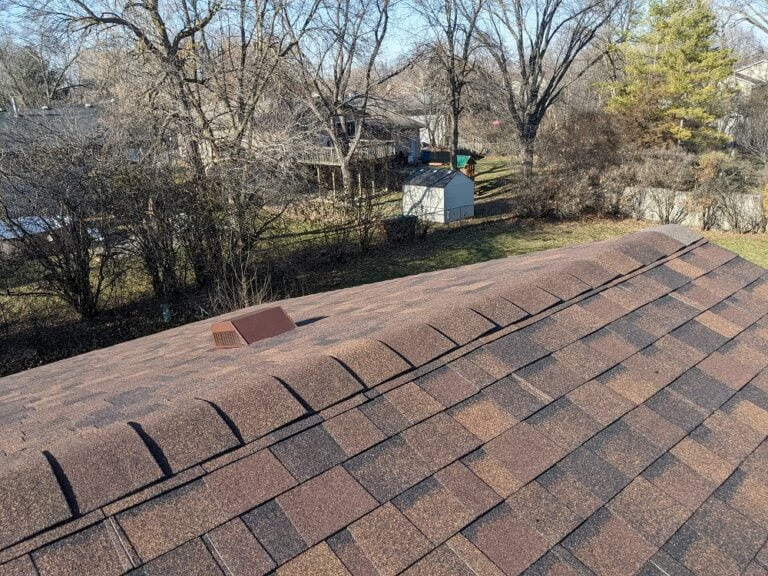
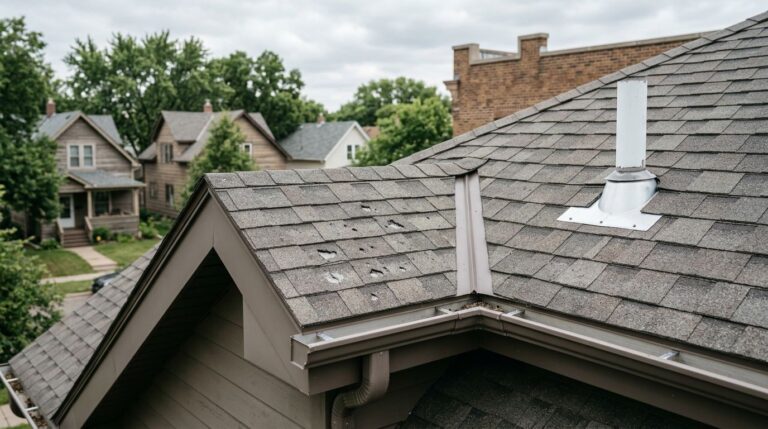
Shingle creasing in Minnesota after high winds, a common type of wind damage, usually happens when gusts lift a shingle tab that isn’t fully sealed, then slam it back down. That bend leaves a visible “hinge” line in the asphalt mat of creased shingles. In Minnesota, cold weather, aging seal strips, and installation issues (like high nails or poor fastening) make creases more likely, and they can signal a real leak risk.
When This Applies
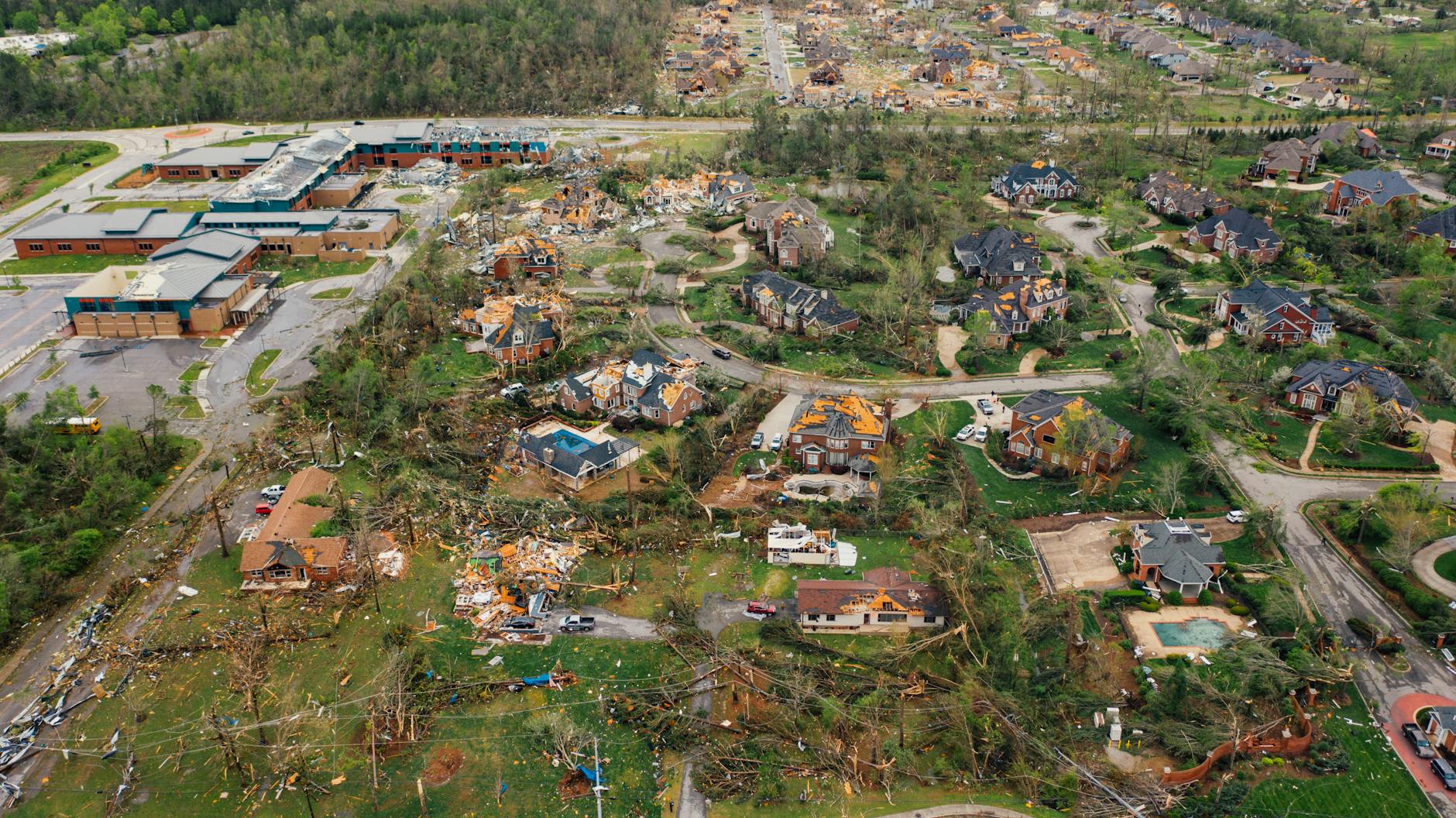
Photo by Kelly
Who typically sees shingle creasing in Minnesota?
Shingle creasing Minnesota complaints show up most after fast-moving wind events, especially in spring and fall around the Twin Cities. It applies to buildings with asphalt shingles on steep slopes, including many offices, retail storefronts, churches, and multi-family properties that use shingles on visible rooflines or entry canopies. While asphalt is common, properties with cedar shake also require specialized care for wood preservation.
Wind doesn’t need to tear shingles off to cause damage. If the tab lifts even once and folds hard, the mat can crease. After that, the shingle may never lie flat again, and the seal strip may not re-bond well. In severe wind damage cases, you might also see cracked shingles or missing shingles.
Several Minnesota factors raise the odds, including hail damage as another common storm-related issue that often accompanies high-velocity gusts:
- Cold shingles don’t flex well: A tab that might bend and recover in warm weather can crease in cooler temperatures.
- Seal strips may not be fully bonded: Shingles installed late in the season sometimes don’t self-seal before winter.
- Edges and corners take the hit: Roof perimeters, rakes, and eaves see higher uplift pressures.
- Age matters: Older shingles get stiffer as oils dissipate, so they crease more easily under the same gust.
For installation requirements and fastening basics that affect wind performance, review the Minnesota DLI asphalt shingle roofing guidelines.
What’s actually happening when a shingle creases?
A shingle tab is like a stiff playing card glued near the bottom edge, even in high-quality brands like Owens Corning. Wind gets underneath, lifts it, then gravity and gust shifts snap it back down. That snap creates a sharp bend line, often about 1 to 3 inches above the tab cutouts, with loss of asphalt granules along the crease.
Research on uplift and shingle behavior backs up this “lift, fold, slap” pattern. If you want the technical view, see the wind effects on asphalt shingles paper, which describes how wind pressures work the shingle system.
When it doesn’t apply (and common look-alikes)
Not every line on a shingle is wind creasing. Some patterns are cosmetic or normal.
Normal conditions that can mimic a crease
- Manufacturing lines and shadowing on laminated (architectural) shingles
- Minor waviness from heat and roof deck variation
- Straight, uniform lines repeated across many shingles (often a product pattern)
Wind creases usually look random and storm-specific. They often show up on one slope, one corner, or one exposure, based on wind direction.
Step-by-Step
How to confirm wind creasing and decide what to do next
- Record the storm details right away. Note the date, time window, and any weather alerts. Take photo documentation and save screenshots of local conditions if available, because this supports a future insurance claim.
- Do a safe ground-level storm damage assessment first. Walk the perimeter and look for lifted tabs, uneven shingle edges, missing shingles, debris piles, or asphalt granules in gutters. Use binoculars if you have them. Consider hiring a HAAG-certified roofing contractor for a professional roof inspection.
- Look for crease patterns that match wind direction. Creasing often clusters on windward slopes, near corners, along ridges, and at roof-to-wall transitions where air flow speeds up.
- Check for broken seals and “flap” movement. If a tab lifts easily by hand (only if accessed safely), the seal may be compromised. A creased tab can also rub asphalt granules off where it bends, which speeds aging.
- Inspect inside for early signs of interior leaks. In commercial spaces, water can travel before it shows up, often from compromised roof flashing or ice dams. Check top-floor ceilings, wall tops, and mechanical rooms for staining or odors. If water entry is suspected, scheduling commercial roof leak detection in Saint Paul can prevent costly interior damage.
- Decide if this is a targeted repair or a larger scope. A handful of creased shingles might be repairable. Widespread creasing across a slope often points to seal-strip failure, age, or installation problems, and repairs can turn into a recurring cycle.
- Bring in a qualified roofer before the next freeze or rain. Minnesota weather stacks problems fast. A creased shingle can act like a hinged door for wind-driven rain, then refreeze and open wider.
If the roof surface can’t stay sealed, water will find the path of least resistance, usually at seams, penetrations, and edges.
For a practical overview of what evaluators look for when shingles are bent or lifted by gusts, this guide to evaluating wind damage on asphalt shingles is a helpful reference.
FAQ
Will creased shingles cause leaks right away, or can I wait?
Creased shingles signal a loss of shingle integrity and a broken watertight seal. They don’t always leak the same day. Still, the tab may lift again. In Minnesota, one thaw cycle and a windy rain can turn “no leak yet” into interior leaks, wet insulation, stained ceilings, and mold risk. Prompt roof repair can prevent the need for a full roof replacement.
When waiting is riskier
If creasing is near valleys, chimneys, rooftop units, or transitions, act sooner because water paths multiply there, raising the chance of interior leaks and requiring more extensive roof repair.
How do I know if my commercial roof needs repair after a wind event?
Start with business impact and water risk. If you see creased shingles, missing tabs, granules in downspouts, or new interior staining, your commercial roof needs repair. Also pay attention to rooftop equipment areas, because foot traffic plus wind can open weak spots that demand immediate roof repair over waiting for roof replacement.
Does the damage look like hail damage?
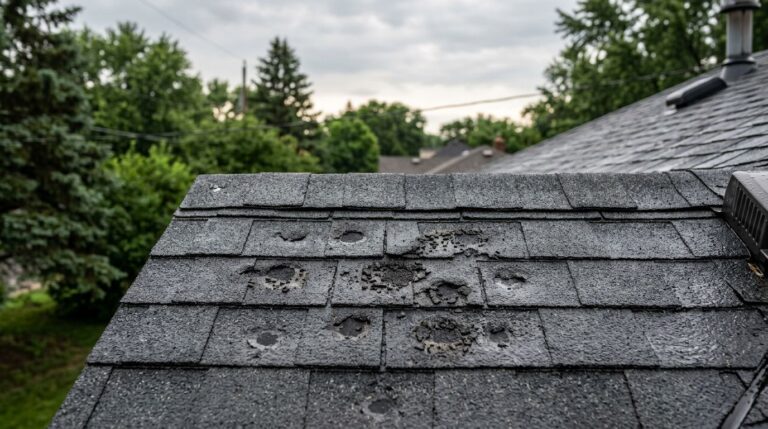
Creased shingles typically result from wind uplift, not hail damage. Hail damage often shows as dents, bruises, or cracks in the shingle surface, while creasing lifts and folds the material. If unsure, professional inspection distinguishes hail damage from wind issues to guide the right roof repair or potential roof replacement.
What if my building has a flat roof, not shingles?
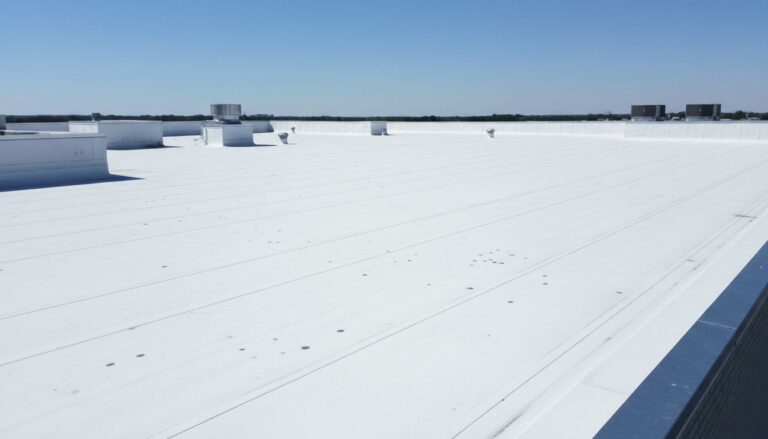
Flat roofs usually don’t “crease” like shingles. Instead, wind can pull at membrane edges, seams, flashing, and parapet details. If you notice lifted termination bars, open laps, or ponding after a storm, you may need commercial flat roof repair to restore watertight seams and edge securement before considering roof replacement.
Can shingle creasing lead to a commercial roof replacement?
Yes, in some cases. If creasing is widespread, repeated, or tied to aging materials, roof repair may not hold for long. At that point, a commercial roof replacement can be the lower-risk option compared to ongoing roof repairs, especially if your property needs predictable maintenance costs and fewer emergency calls.
A useful rule of thumb
If you’re repairing the same slope after multiple wind seasons, it’s time to compare long-term costs of roof repair versus roof replacement.
Can poor installation make wind creasing worse?
It can. High nails, under-driven nails, missing fasteners, poor starter strip placement, and weak edge details all reduce wind resistance. Even a good shingle can fail early if the system beneath it is inconsistent or the seal never had the right conditions to bond. If the damage is widespread, seek an insurance claim to cover roof repair or roof replacement.
Ready for a professional assessment? Contact us today for a free estimate on your roof repair or roof replacement needs.
Conclusion
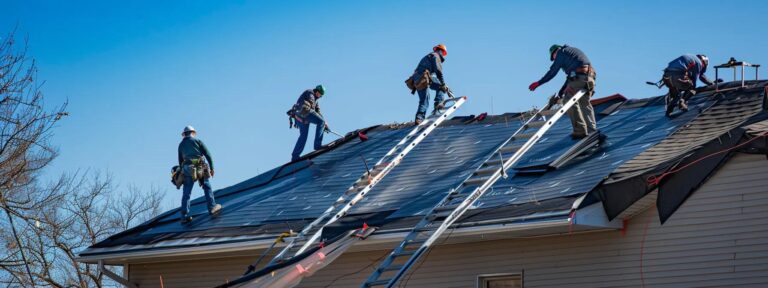
Shingle creasing Minnesota owners see after wind damage usually traces back to uplift, broken seals, and stiff shingles that fold instead of flex. Treat creases as a warning sign, not a cosmetic issue, because the next storm often tests the same weak spot. For comprehensive storm restoration and exterior restoration on a commercial property, partner with a reputable Minnesota roofing contractor who offers a workmanship warranty. Connect with Saint Paul commercial roofing experts to create a clear plan and stabilize your roof before weather stacks the damage.
Need a roof inspection in Saint Paul or the Twin Cities? Call Sellers Roofing Company at +1-651-703-2336 or schedule a free estimate. We are a black-owned, NMSDC-certified MBE roofing contractor with 9+ years experience.