Last updated: 2026-08-01 by Ted Sellers, Owner
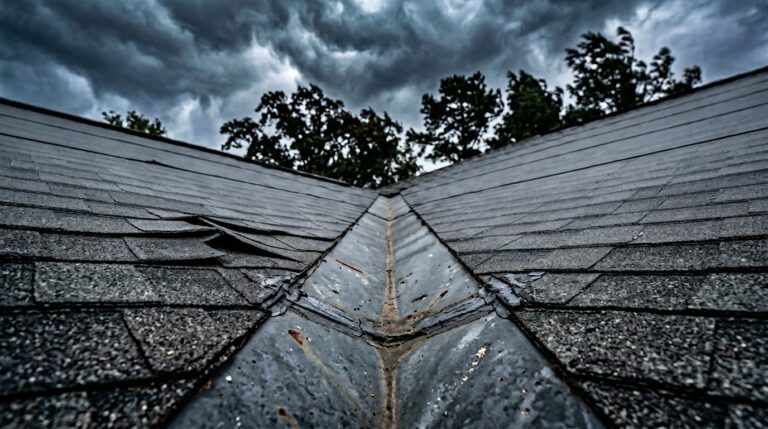
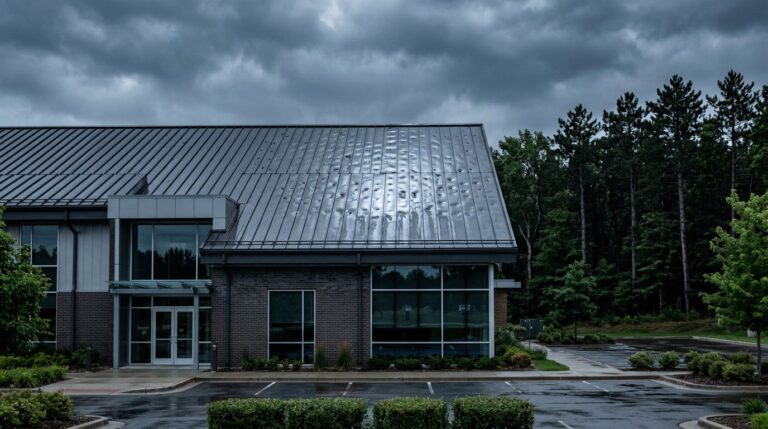
Modified bitumen hail damage usually shows up as granule loss (dark asphalt spots), shallow dents, bruised or “soft” areas, split seams, and punctures near laps, flashings, and drains. In Minnesota, freeze and thaw can turn small hits into leaks later. Photograph suspect areas with a coin or ruler for scale, then schedule a professional inspection to confirm functional damage.
When This Applies
This guidance fits most Minnesota modified bitumen commercial roofs
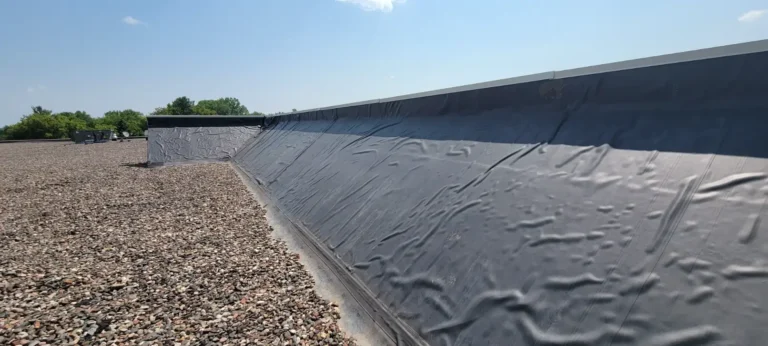
This applies if your building has a low-slope roof with a granulated modified bitumen cap sheet (SBS or APP). Many offices, warehouses, retail buildings, and multi-family properties in Minnesota use it because it handles temperature swings well.
You’ll get the most value from this guide when hail has hit within the last season, and you can safely access the roof. Even if the interior is dry, impacts may still reduce the membrane’s service life. That matters if you’re trying to avoid an unplanned commercial roof replacement.
If you want a technical view of how experts evaluate roof impacts, read an overview of the roof hail damage assessment process. It helps explain why “looks fine” doesn’t always mean “no damage.”
A modified bitumen roof can hide hail bruises under intact granules. No leak today doesn’t guarantee no damage.
When this does not apply, or when you’ll need extra help
This guide is less reliable if snow, frost, or standing water covers the membrane. It’s also tricky on roofs with heavy coatings, pavers, or ballast that mask impact marks.
Edge cases to watch for on Minnesota properties
- Older, brittle membranes: Cold weather can make cracks more likely after impact.
- Recent repairs or patches: New materials may look different and confuse the comparison.
- HVAC traffic paths: Foot traffic can mimic hail scuffs, especially near service routes.
If hail hit your area and you’re on the fence, a local inspection from Saint Paul commercial roofing experts can separate harmless wear from damage that shortens roof life.
Step-by-Step
1) Confirm the storm window and set up a safe inspection
- Check the date and time of the hail event, then note hail size reports from local alerts or property logs.
- Wait until the roof is dry, because wet granules hide scuffs and soft spots.
- Use safe access and fall protection, and avoid walking near edges or skylights.
- Bring a phone, chalk, a flashlight, and one measuring item (coin or ruler) for photo scale.
2) Scan the field membrane for granule loss, dents, and scuffing
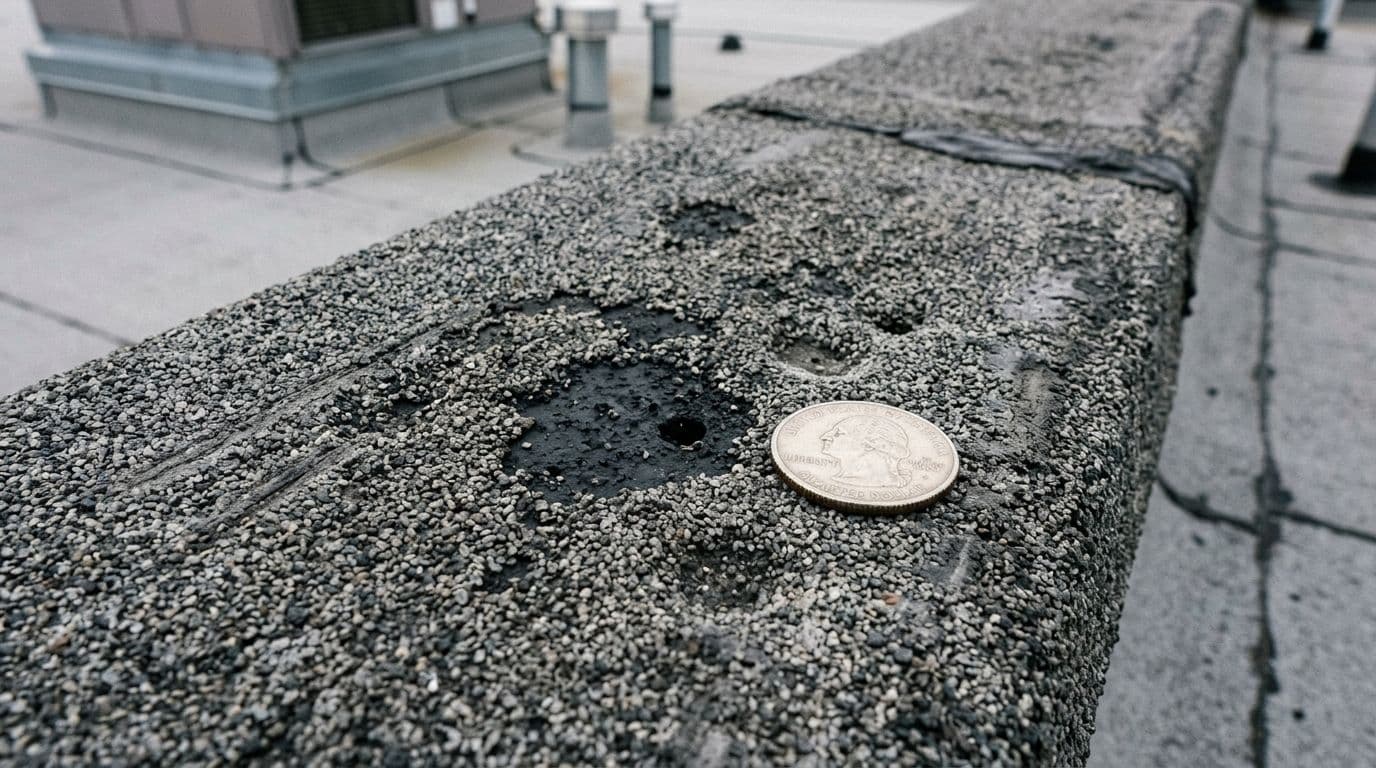
- Look for dark, freshly exposed asphalt where granules have been knocked off in clusters.
- Feel for slight “dishing” dents, and compare several spots so you don’t confuse manufacturing texture with damage.
- Check whether scuffs follow a straight line, because that often points to foot traffic, not hail.
- Photograph any clusters with a coin for scale, and include a wider shot to show location.
3) Inspect seams, laps, and raised details where hail damage turns into leaks
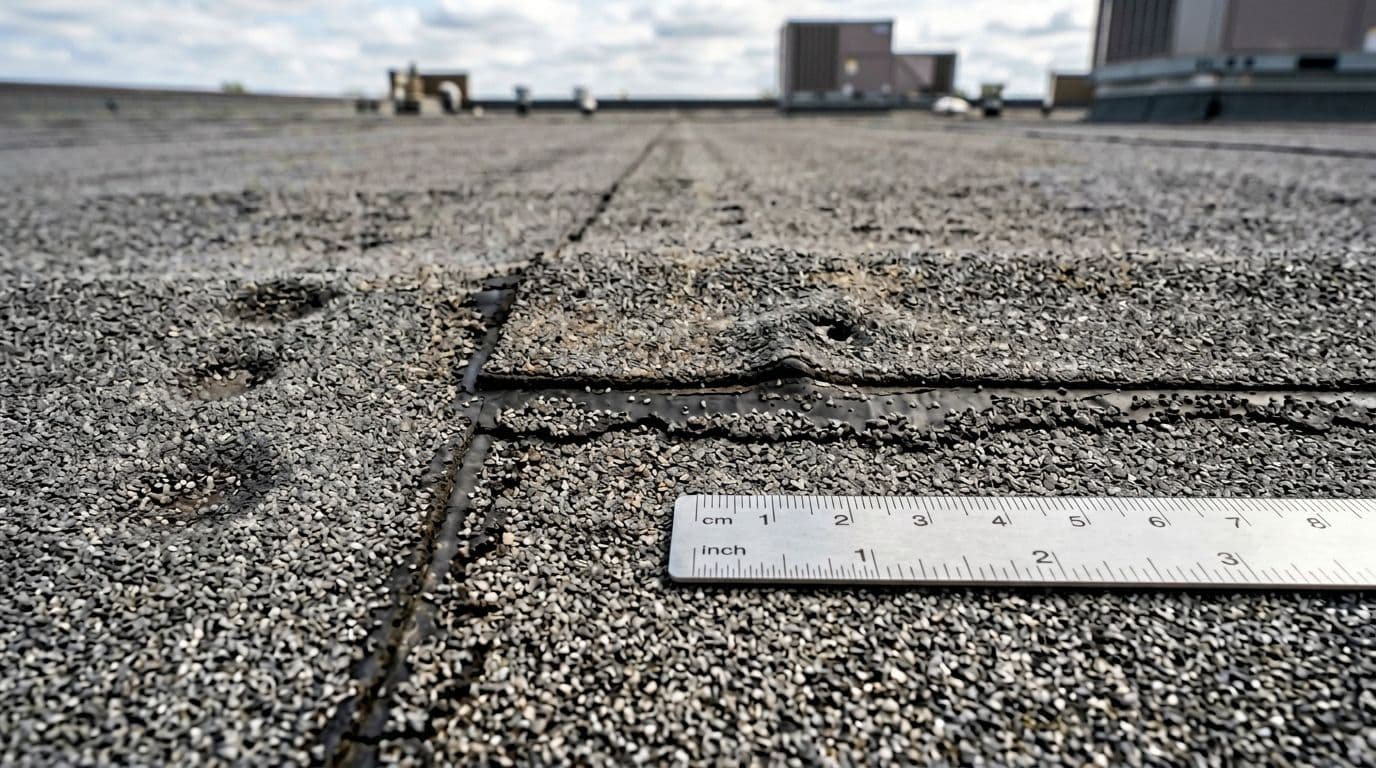
- Follow seam lines and laps, then look for granule displacement right at the overlap edge.
- Watch for tiny splits, fishmouths, or lifted corners, because hail can stress already-tight seams.
- Press lightly with your thumb around suspect impacts, and note any “soft” bruised feel compared to surrounding areas.
- Inspect metal edge terminations and wall flashings for loosened sealant, since impact plus temperature swings can open gaps.
- If you need claim context for commercial properties, review how commercial roof hail claims work, then keep your own photos organized by roof section.
4) Check flashings, drains, and penetrations, then decide what to do next
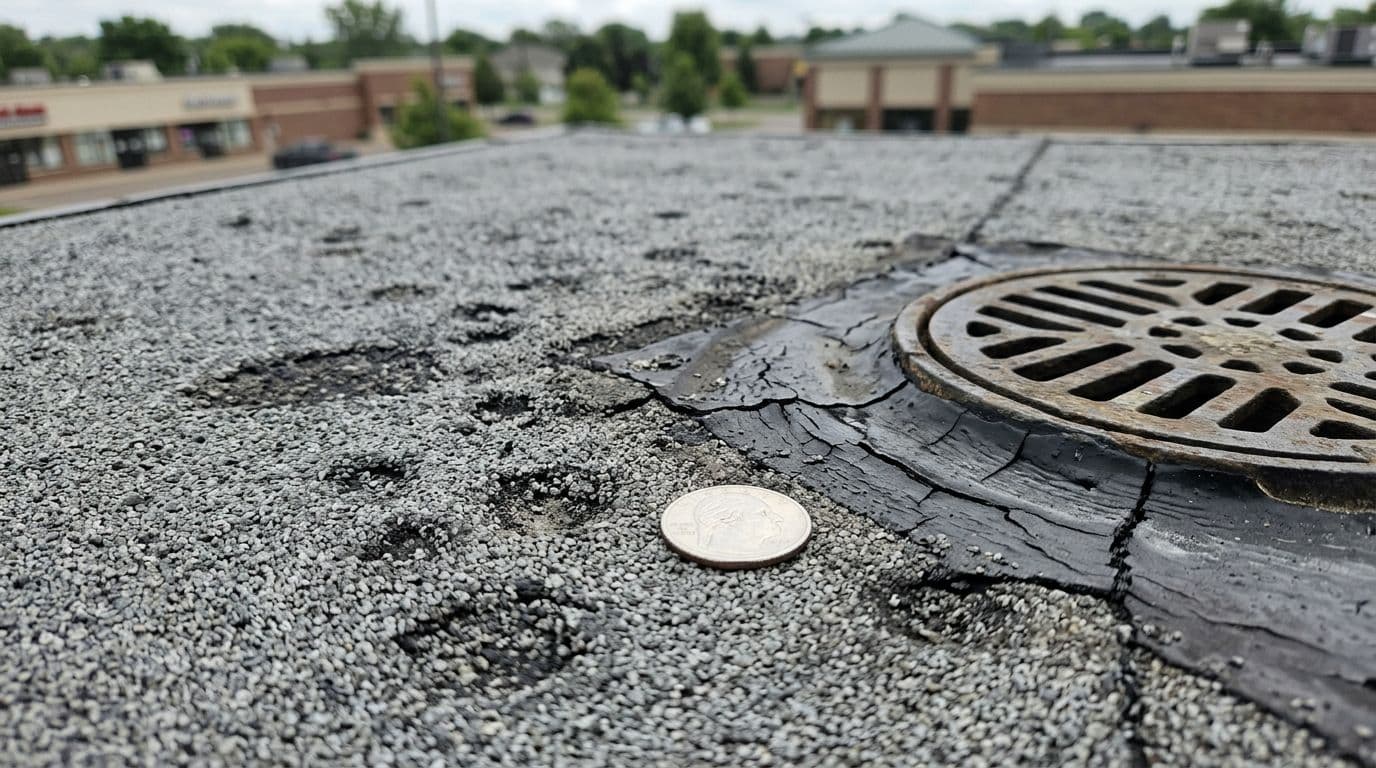
- Examine drains, scuppers, and sumps, because ponding zones keep minor damage wet longer.
- Look for cracked coating or exposed reinforcement at flashing transitions, especially near curbs and pitch pans.
- Note any punctures or open laps near penetrations, since these often lead to urgent commercial flat roof repair.
- If you see interior staining or active drips, don’t guess at the source, because water can travel far on low-slope systems. Schedule commercial roof leak detection in Saint Paul to map moisture before repairs.
- Move from observation to action: isolated, confirmed damage may be repairable, while widespread bruising, seam failures, or saturated insulation can push the project toward restoration or replacement planning.
FAQ: What Business Owners Ask After a Hailstorm
Can hail damage be “cosmetic” on modified bitumen?
Yes, some dents don’t immediately reduce waterproofing. Still, granule loss speeds UV aging, and bruising can weaken the sheet under the surface. If impacts are clustered or widespread, treat it as more than appearance and document it well.
What if my roof has a coating or is covered with ballast?
Coatings can hide impact marks
A coating may mask granule loss and small punctures, so you’ll rely more on soft-spot checks, seam inspection, and moisture testing. Ballast can shift during storms and hide damage at transitions and edges. In those cases, a professional inspection is often faster and safer.
How soon should I inspect after hail in Minnesota?
Inspect as soon as the roof is dry and safe to access, ideally within days. Early photos help with comparisons and paperwork. Also, quick action limits water entry before the next freeze and thaw cycle.
Will a quick patch affect warranties or future repairs?
It can, especially if patches use incompatible materials or poor prep. Keep records of who did the work, what products were used, and where repairs went. When in doubt, ask for manufacturer-approved repair details before authorizing permanent work.
What if leaks show up weeks later, not right after the storm?
That’s common on low-slope systems. Hail can bruise a seam or flashing, then temperature swings open it further. If you’re thinking “my commercial roof needs repair, but I can’t find the hole,” moisture mapping and targeted testing usually beat random patching. For more flat-roof context, compare notes with these flat roof hail inspection tips.
Conclusion
Spotting modified bitumen hail damage comes down to patterns: granule loss clusters, bruised soft areas, stressed seams, and punctures at details. Minnesota weather can turn small hits into bigger problems, so good photos and early inspection matter. If you suspect your commercial roof needs repair, confirm the scope before you commit to repairs or a full replacement plan.
Need a roof inspection in Saint Paul or the Twin Cities? Call Sellers Roofing Company at +1-651-703-2336 or schedule a free estimate. We are a black-owned, NMSDC-certified MBE roofing contractor with 9+ years experience.