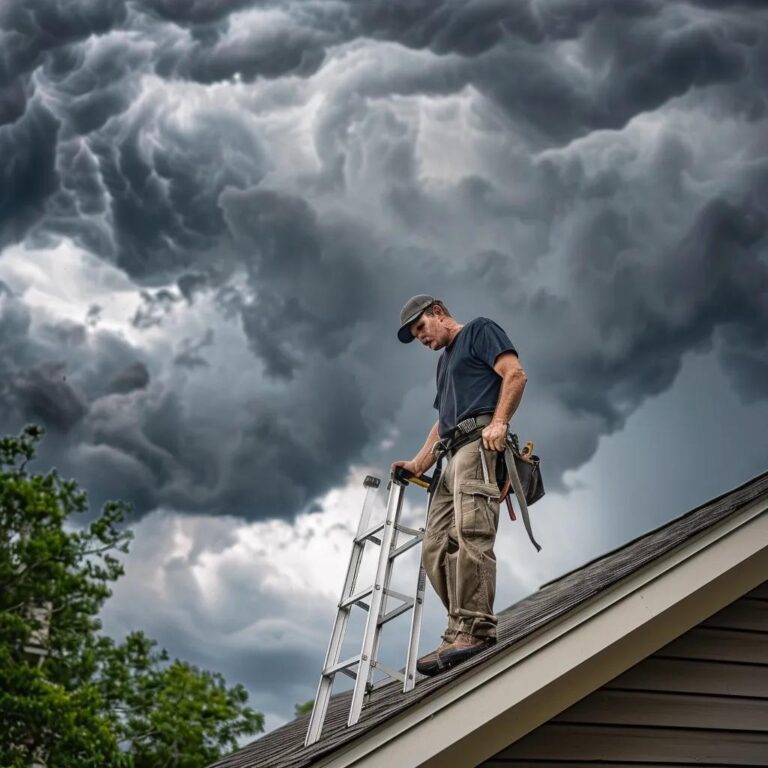
Last updated: 2026-08-01 by Ted Sellers, Owner
Recoverable depreciation is the part of a roof insurance claim payout your carrier holds back at first. In Minnesota, on a recoverable depreciation roof claim, you usually get that money only after you complete the covered roof work and send proof. It applies most often to replacement cost value (RCV) policies, not actual cash value (ACV) policies, which highlights the acv vs rcv difference, and your deductible still comes out of the replacement cost claim.
Key Takeaways
- Recoverable depreciation is the held-back portion of a roof insurance claim on replacement cost value (RCV) policies in Minnesota, paid only after completing approved repairs and submitting proof—unlike actual cash value (ACV) policies.
- Applies mainly to commercial properties like offices, warehouses, and retail with storm-damaged roofs (hail, wind, ice); the initial check covers depreciated value, with the balance released later.
- To recover it: Review the estimate for depreciation holdback, match and complete the scope of work, document everything (invoices, photos, permits), and submit an organized completion package to the insurer.
- Deductible applies first to the total claim; pitfalls include missing policy deadlines, incomplete work, or failing to supplement for discovered damage, which can forfeit the second payment.
- Bottom line for Minnesota business owners: Read your policy, finish the work, provide clean paperwork—organized claims get the full recoverable depreciation payout smoothly.
When This Applies
Who this fits, and why commercial owners care
This applies to Minnesota property owners whose policy pays on a replacement cost basis. For commercial business owners, that often means offices, retail buildings, warehouses, churches, and mixed-use properties with storm-damaged roofing.
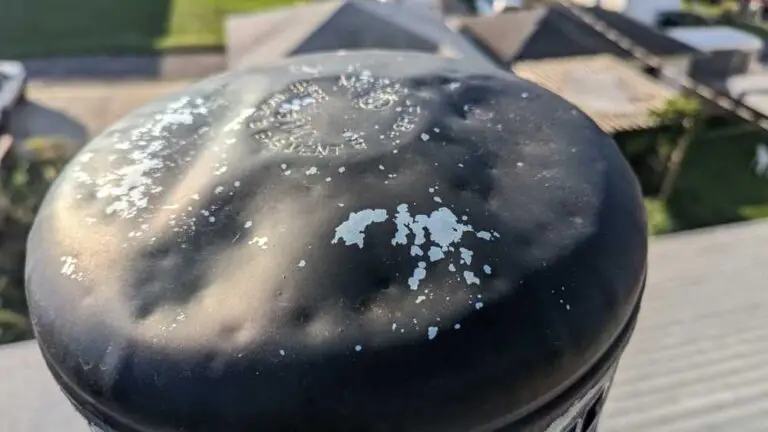
If your commercial roof needs repair after hail, wind, or ice, the first check can feel oddly small. That happens because the insurance company often pays the depreciated value first with the initial payment, then releases the balance later. On a recoverable depreciation roof claim, that gap is the held-back amount in your roof damage claim.
The two-check process follows the standard replacement-cost approach described by Insurance Repair Authority, contrasting the replacement cost value with the depreciated initial check. As of April 2026, there has not been a broad Minnesota rule change that rewrites this process. Your policy wording still controls.
Common commercial scenarios
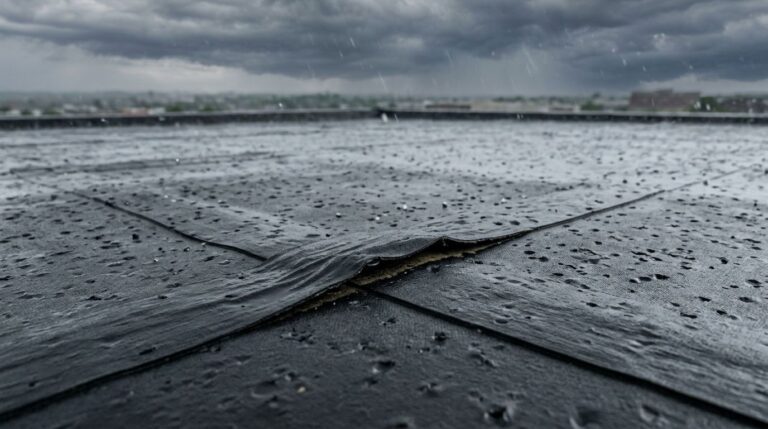
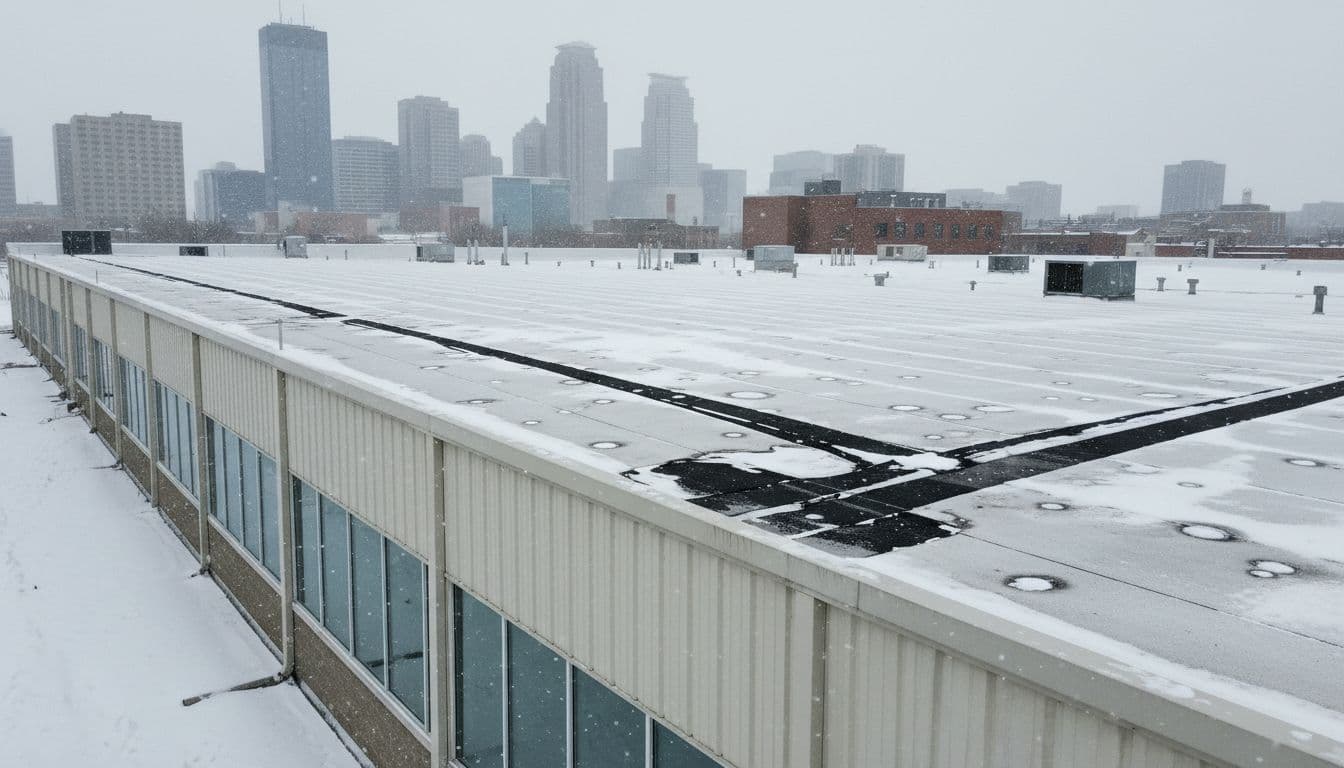
Many business owners see this after hail causing property loss on low-slope systems, metal panels, or aging membrane roofs. If the insurance company approves commercial flat roof repair for one section, or a full commercial roof replacement for widespread damage that requires roof replacement, recoverable depreciation may still apply as long as the covered work gets finished and documented.
When it does not apply
It usually does not apply when your roof is insured for actual cash value only. In that setup, depreciation is not held back for later release because the insurance company only owes the depreciated amount from the start.
It also may not apply if you never complete the approved work, miss a policy deadline, or spend less than the insurer’s replacement-cost estimate. Some policies cap recovery time, so waiting too long can cost you the second payment.
For active leak issues, good documentation matters early. A report from commercial roof leak detection in Saint Paul can help show where water entered and whether the damage ties back to the claimed event.
Edge cases that slow payment
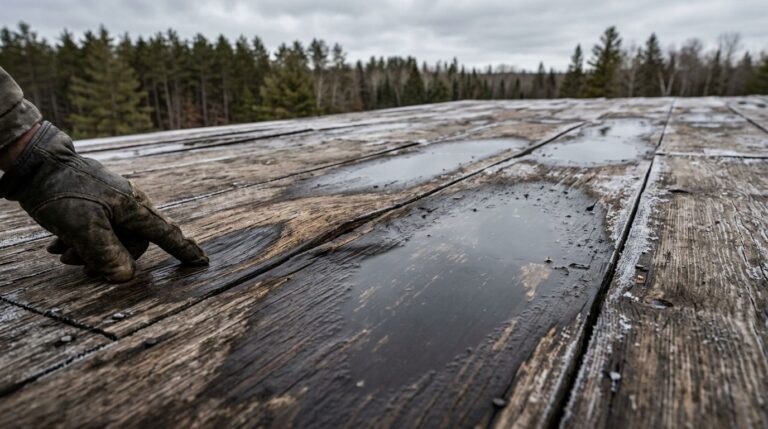
Trouble often starts when the insurance adjuster scopes one area, but the contractor finds more wet insulation, deck damage, or failed seams. In that case, the claim may need a supplement before the withheld amount can be recalculated.
Step-by-Step
How do you get recoverable depreciation paid on a Minnesota roof claim?
Use this process if the carrier already issued an estimate and an initial payment.
- Check whether the policy provides replacement cost value or actual cash value. If the declarations, endorsement, or estimate shows actual cash value only, there may be no later depreciation payment to recover.
- Read the adjuster’s estimate line by line. Look for “depreciation,” “withheld depreciation,” or similar language. A plain-English roof depreciation explainer can help if the paperwork feels muddy.
- Match the work to the approved scope of work. If the carrier approved section repair, complete that repair unless new evidence supports a supplement. If the claim supports a larger fix, your roofing contractor should document why.
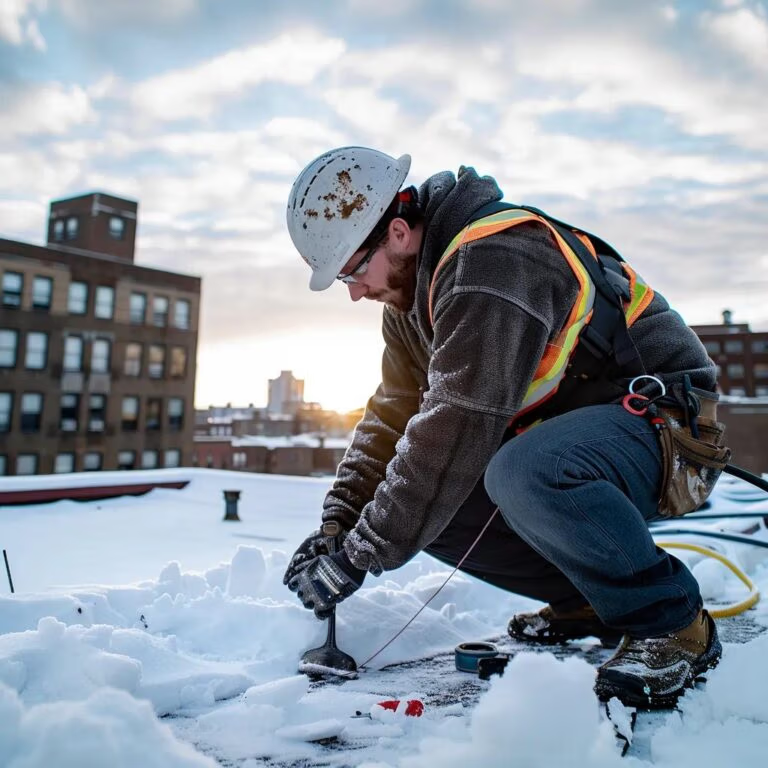
- Keep every invoice, photo, and permit record. Before-and-after photos matter. So do proof of payment, material invoices, and change orders that show what was actually installed on the building. Maintain accurate invoices and documentation to avoid any risk of insurance fraud.
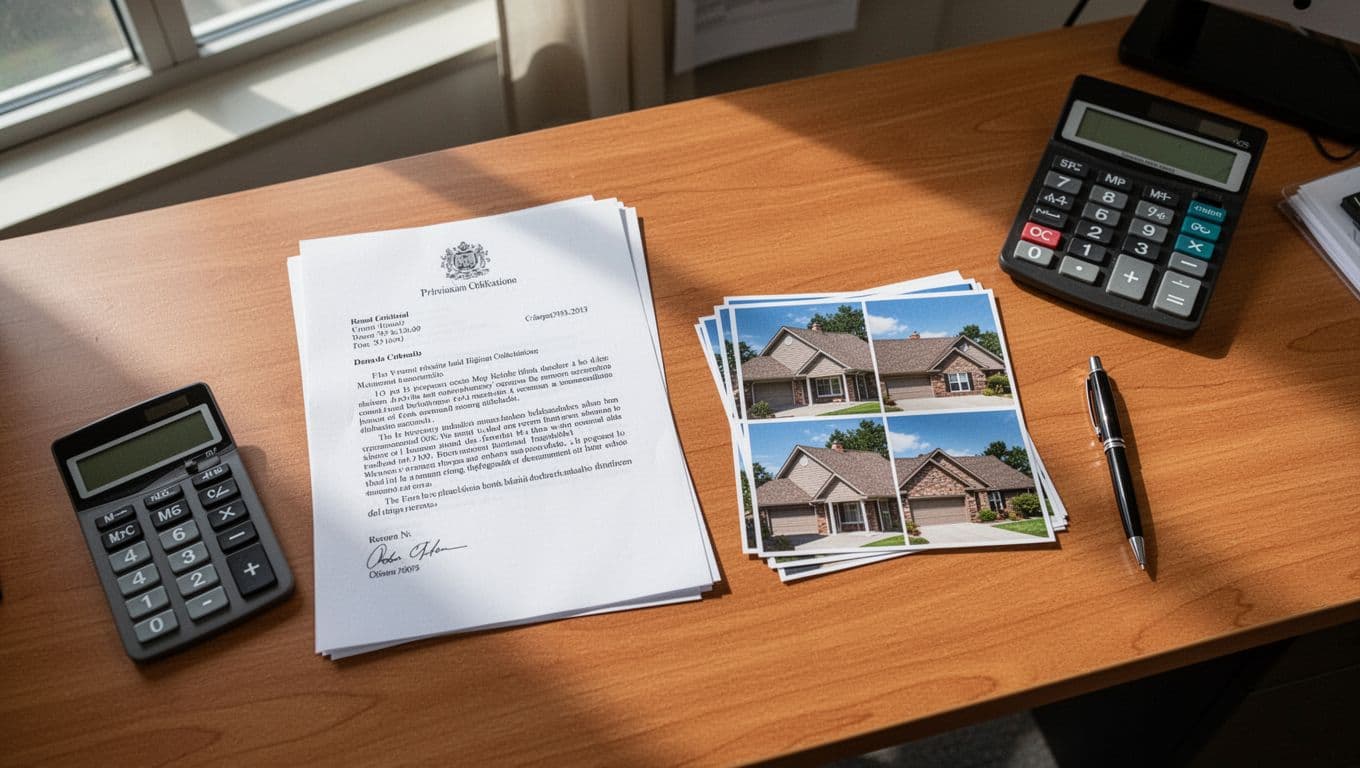
- Submit the completion package to the insurer. Most carriers want the final contractor invoice, proof of repairs, and any supplement documents. Your roofing contractor’s documentation strengthens the package, so send everything in one organized batch if possible.
- Review the release payment against the estimate. If the carrier owes more because approved supplements raised the total, ask for a revised summary or file a supplemental claim. If it pays less, request a written explanation right away to secure your final check.
If repair turns into replacement
Sometimes a building starts with patching, then hidden moisture or deck damage pushes the job into a larger project. If that happens, ask for a supplement before the final invoice goes in. For major scopes, working with a Saint Paul commercial roofing team helps keep the repair plan and claim paperwork aligned.
If you finish the roof but never send the final invoice, the depreciation holdback may stay unpaid.
FAQ About Recoverable Depreciation on Minnesota Roof Claims
Does the deductible come out before recoverable depreciation is paid?
Yes. The deductible is still your out-of-pocket share of the loss. The insurance company usually applies the deductible to the total claim, then pays ACV first (reflecting the item’s market value minus roof depreciation), and later releases eligible depreciation after the covered work is complete.
What happens if the final roof cost is lower than the insurer’s estimate?
The insurance company may reduce the depreciation release. Replacement-cost coverage generally reimburses what you actually spend on approved work, up to policy limits, not more than the replacement cost value or the completed cost.
Can I recover depreciation if I only do temporary repairs?
Usually no. Temporary tarping or emergency sealing can protect the building, but insurance companies often want proof of completed permanent repairs before releasing the holdback.
If emergency action was necessary
Take photos before and after the temporary fix. That protects the claim and helps show you mitigated damage.
Does roof age matter on a Minnesota commercial claim?
Yes. Older roofs often get heavier roof depreciation. For example, an asphalt shingle roof nearing the end of its useful life faces more depreciation due to wear and tear. Age alone does not cancel coverage, but it can shrink the first check and increase disputes over whether damage came from a storm or wear and tear. Note that rules may differ under a homeowners insurance policy for residential properties.
How long do I have to claim the held-back depreciation?
That depends on the policy. Some insurance companies set deadlines tied to the date of loss or the first payment. Read the policy conditions and ask for the deadline in writing if it is not clear.
The Bottom Line
Why the second check depends on proof
Recoverable depreciation is not free extra money. It is part of the covered claim, the recoverable amount, that the insurer holds back until the roof work is done and documentation is provided.
For Minnesota business owners, the practical lesson from the insurance claim process is simple. Read the estimate, finish the approved work, and submit clean paperwork. When the file is organized, the path to releasing recoverable depreciation is usually much smoother.
Need a roof inspection in Saint Paul or the Twin Cities? Call Sellers Roofing Company at +1-651-703-2336 or schedule a free estimate. We are a black-owned, NMSDC-certified MBE roofing contractor with 9+ years experience.