Last updated: 2026-08-01 by Ted Sellers, Owner
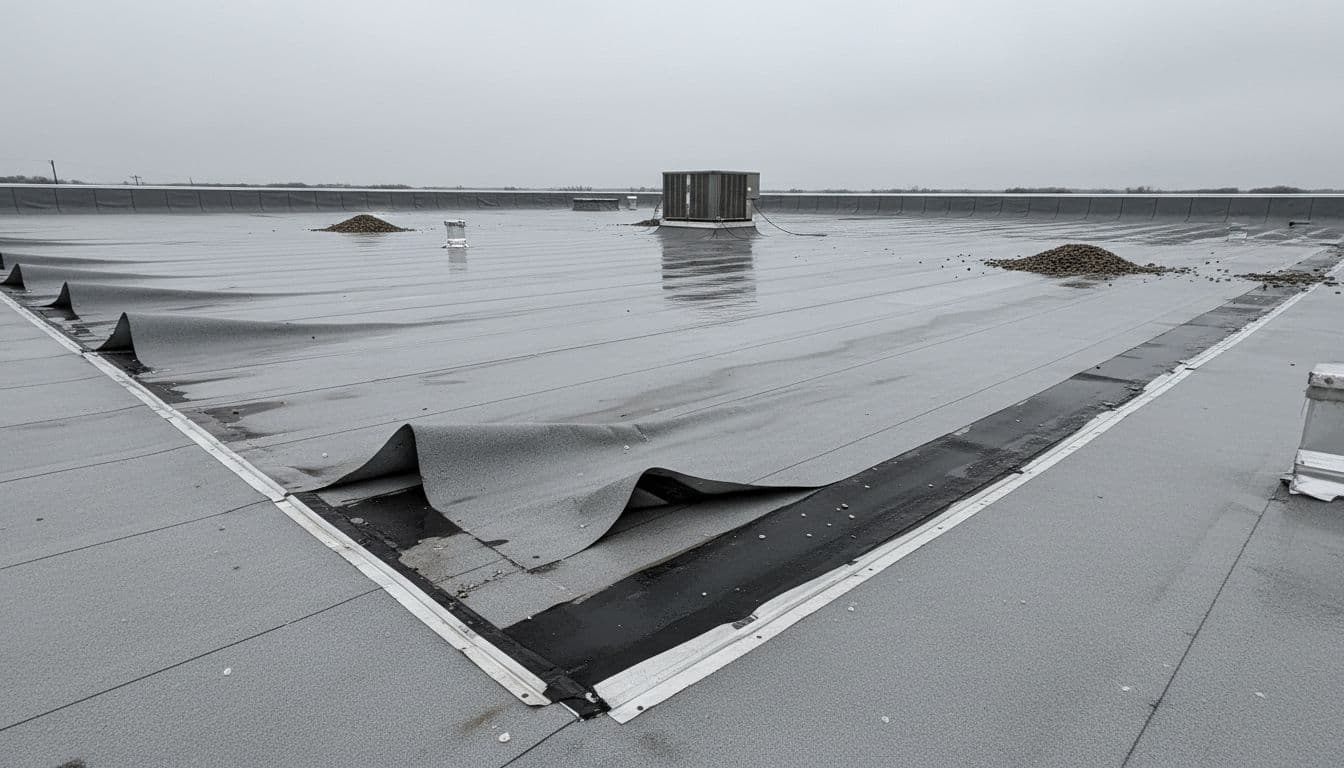
Short answer: pvc roof wind damage, a common type of flat roof pvc damage, usually shows up as lifted seams, loose edges, wrinkles, pvc roofing membrane billowing, pulled flashing, and leaks that appear after rain. In Minnesota, damage often starts at corners, roof edges like parapets, drains, and rooftop units because cold weather stiffens the membrane and high winds exploit weak attachment points below the wind uplift rating.
Key Takeaways
- PVC roof wind damage in Minnesota commonly shows as lifted seams, loose edges, wrinkles, billowing pvc roofing membrane, pulled flashing, and leaks after rain, starting at corners, parapets, drains, and rooftop units due to cold-stiffened membranes and high uplift pressures.
- Inspect systematically: ground-level review first, then prioritize perimeters/corners, seams/flashings/penetrations, hidden moisture via scans, and decide on repair, section replacement, or full commercial roof replacement based on damage extent.
- Differentiate from hail (scattered impacts), aging wrinkles, or foot traffic; same-day action on open seams or active leaks prevents wet insulation, mold, and escalation to broader commercial flat roof failure.
- Early professional intervention, documentation, and preventive maintenance strengthen insurance claims and protect Minnesota businesses from repeated storm cycles.
When This Applies
Who should use this
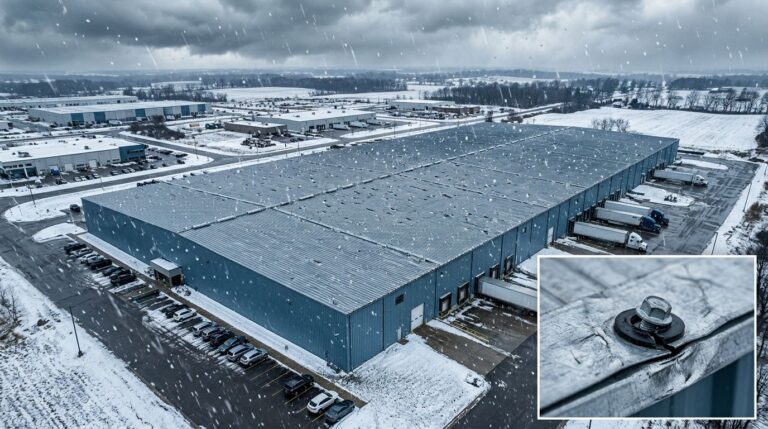
This applies to owners and managers of low-slope commercial buildings with pvc roofing membrane, especially after strong wind, thunderstorms, or a winter storm with rapid pressure changes. Warehouses, retail buildings, schools, and office properties with commercial roofing systems are common examples.
PVC roofs on broad, open buildings are more exposed because wind can run across the surface and grab the perimeter. Minnesota weather adds another layer of stress. Thermal cycling and freeze-thaw cycles can turn a marginal seam or corner detail into the first place uplift starts.
It still matters when the roof looks mostly intact from the ground. Wind often begins by peeling at one edge, like a label lifting at the corner. Once that happens, water can slip under the sheet and travel far from the original break. A general PVC roof damage repair guide can help compare wind issues with membrane shrinkage or punctures.
When wind is not the main issue
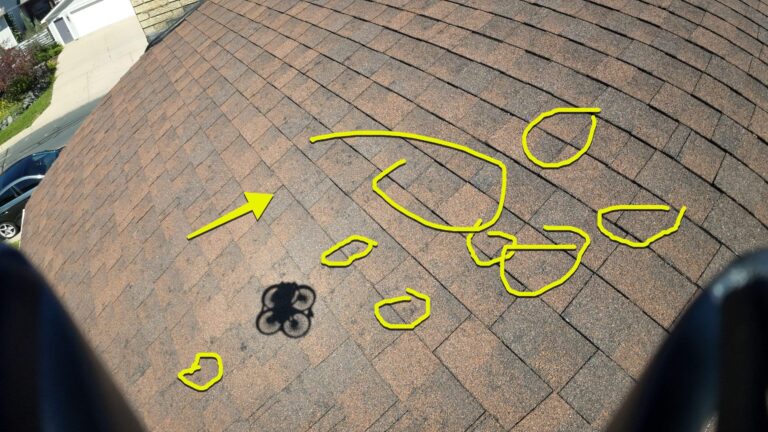
This does not fit every stain, ripple, or leak. Some PVC roofs show age, foot-traffic wear, grease damage near exhaust fans, or hail damage that leaves a different pattern. Hail tends to leave scattered impacts, while wind damage clusters at perimeters, corners, and seams.
Edge cases after recent work or aging
If a storm hit right after rooftop equipment work, the problem may be disturbed flashing, not uplift alone. On older roofs, wind can expose weak spots that were already close to failure. In that case, storm damage was the trigger, but not the only cause.
Step-by-Step
1. Start with a safe, ground-level review
Look for signs of storm damage like loose edge metal, bent coping, displaced rooftop debris, clogged drainage systems, and new water stains inside. Also review the storm date, wind direction, and where leaks first appeared. Those clues often point to the failure zone before anyone steps onto the roof.
Inside the building, note ceiling tile stains near exterior walls, damp smells, or drips after a pressure-driven rain. Those signs often line up with perimeter uplift, even when the roof field still looks flat.
2. Inspect corners, perimeters, and parapet edges first
Most pvc roof wind damage starts where uplift pressure is highest. Check whether the pvc roofing membrane edge has lifted, fasteners have backed out, or the sheet looks wavy near the roof edges. If the edge feels loose, water may already be moving under the membrane. Proper attachment ensures wind resistance in these high-pressure zones.
Pay close attention to corners facing open lots, alleys, or taller nearby structures. Wind pressure changes around those areas can make one section fail before the rest of the roof.
3. Examine seams, flashings, and rooftop penetrations
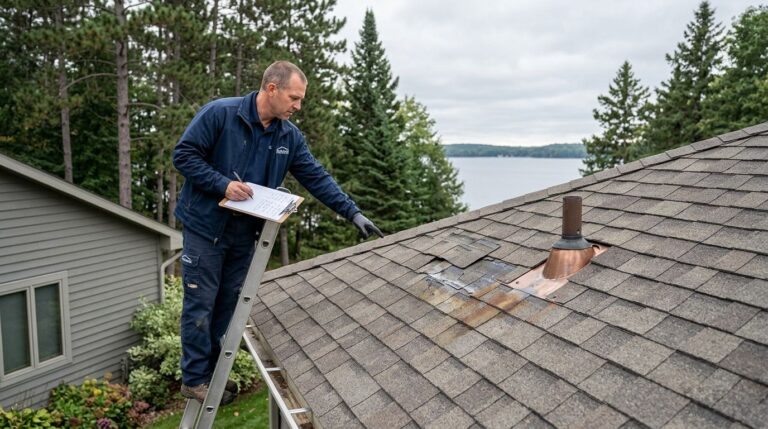
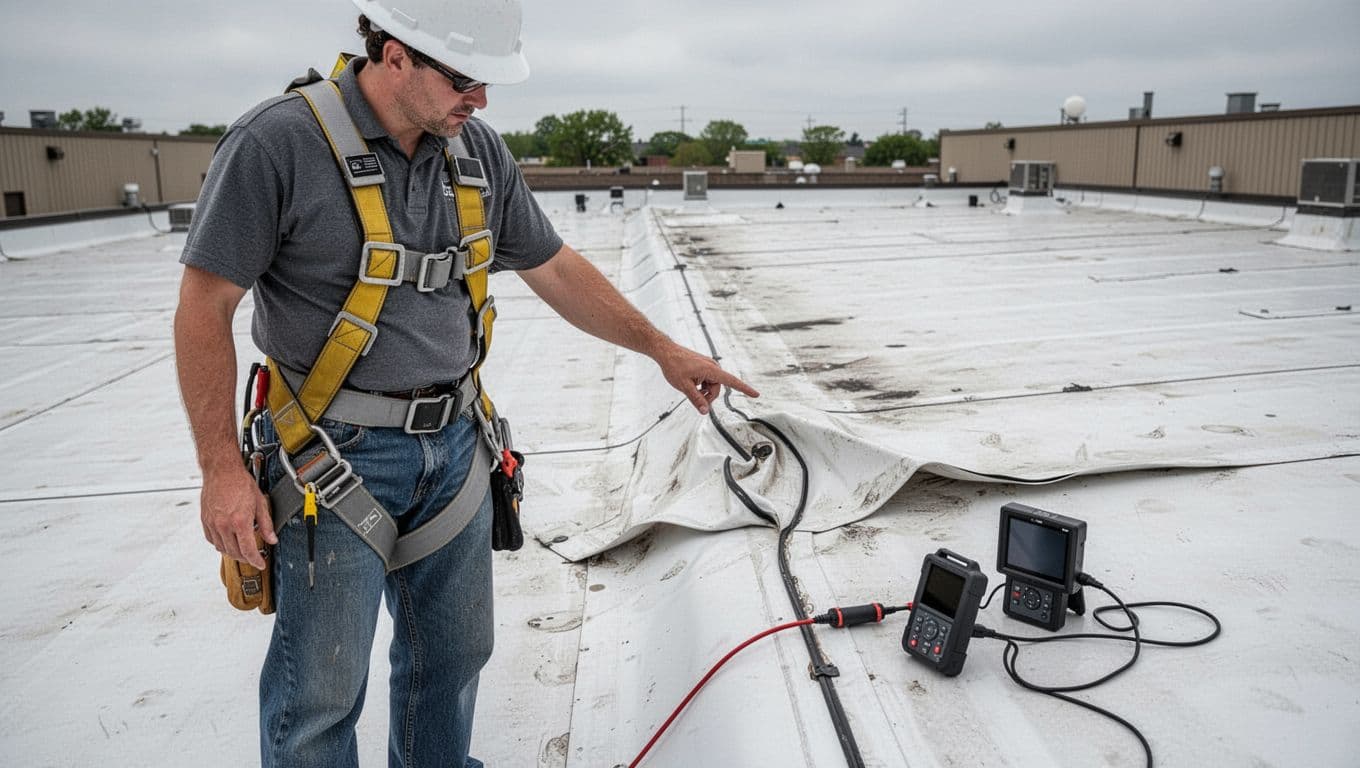
Next, inspect heat-welded seams created by hot air welding for separation, fishmouths, or tiny openings that break the watertight bond. Then check roof penetrations like pipe boots, curb flashings, and HVAC corners for splits or pulled sealant. These details matter because a roof can leak through a one-inch opening and soak a much larger area below. Watch for seam failure, which often signals broader issues.
Signs that mean same-day action
Open seams, lifted corners, active leaks, or fluttering membrane all mean your commercial roof needs repair now. Delay often turns a localized fix into wet insulation, mold risk, and deck damage.
4. Check for hidden moisture, not just surface damage
Wind damage is often larger than it looks. If insulation is wet, the roof may feel soft underfoot or show subtle staining at seams. Because water travels sideways on low-slope systems, commercial roof leak detection in Saint Paul can help pinpoint the entry path before crews open the wrong area, supporting effective roof leak repair within the building envelope.
Professional testing matters when a leak shows up far from the visible break. Moisture mapping, infrared scans, and membrane testing can confirm whether water is trapped below the pvc roofing membrane.
5. Decide between repair, section replacement, and full replacement
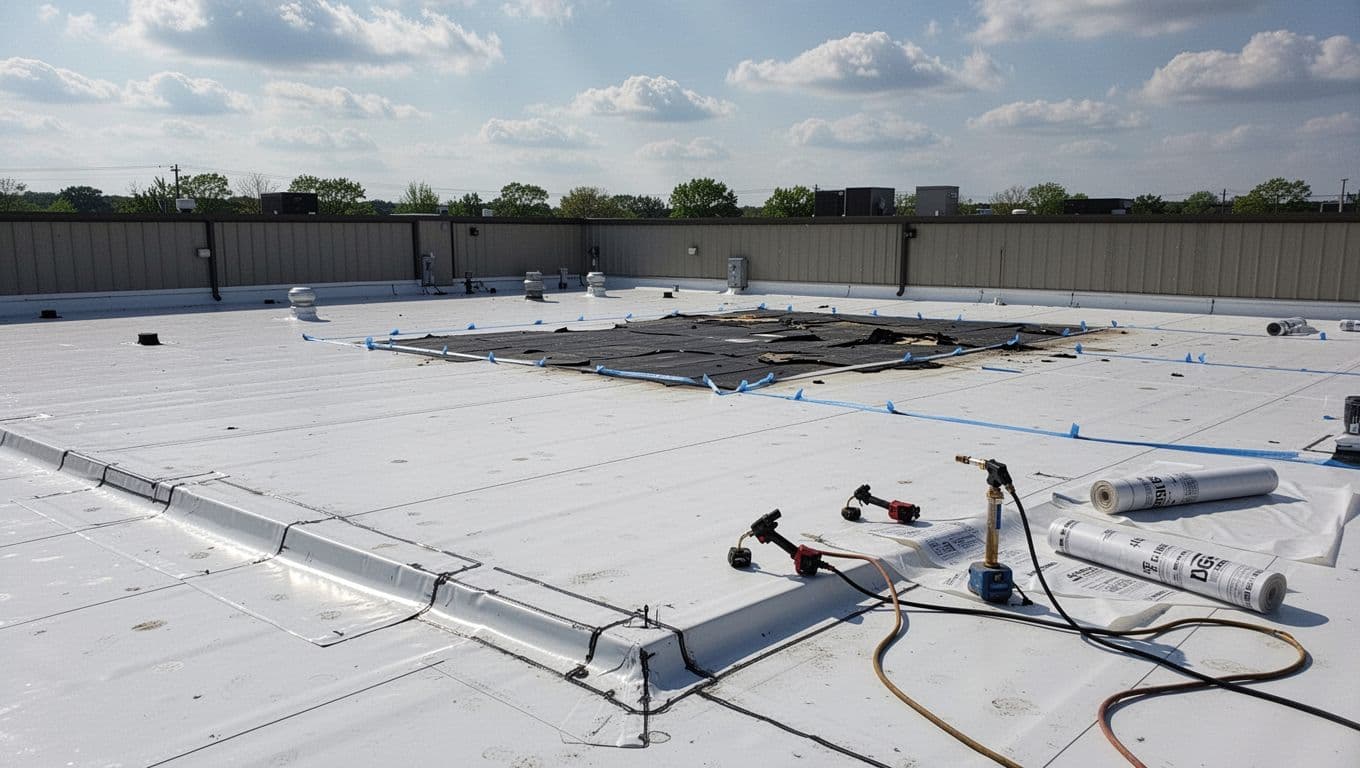
If flat roof pvc damage is limited to a few seams, flashings, or edge details, commercial flat roof repair is often enough. When wind has peeled back broad sections, saturated insulation, or loosened attachment across multiple zones in commercial roofing systems, the math changes fast. At that point, Saint Paul commercial roofing experts, as a professional roofing contractor, may recommend section work or full commercial roof replacement instead of repeated patching. Preventive maintenance helps avoid issues like ponding water, especially given PVC’s puncture resistant nature.
The real issue is whether a patch will hold through the next Minnesota storm cycle. If the membrane is still sound and dry around the damaged area, repair usually makes sense. If the roof has repeated seam failure, trapped moisture, and storm damage in several fields, replacement is often the safer business decision.
FAQ
Can a PVC roof leak days after the windstorm?
Yes. Wind may open a seam without causing an immediate drip from storm damage. The leak often appears after the next rain, or after thawing snow reaches the opening. Pressure-driven rain can also enter a small gap that looked harmless right after the storm.
Do wrinkles always mean wind damage?
No. Wrinkles can come from poor installation, movement in the deck, aging, or UV exposure. Still, new wrinkles that line up with lifted seams or loose edges deserve quick inspection because they often show where uplift pulled the membrane.
What if only one roof edge looks loose?
That still matters. Wind often starts at one perimeter and spreads inward. A single loose edge can lead to under-membrane moisture, so treat it as an early failure, not a cosmetic issue.
How can I tell wind damage from hail damage?
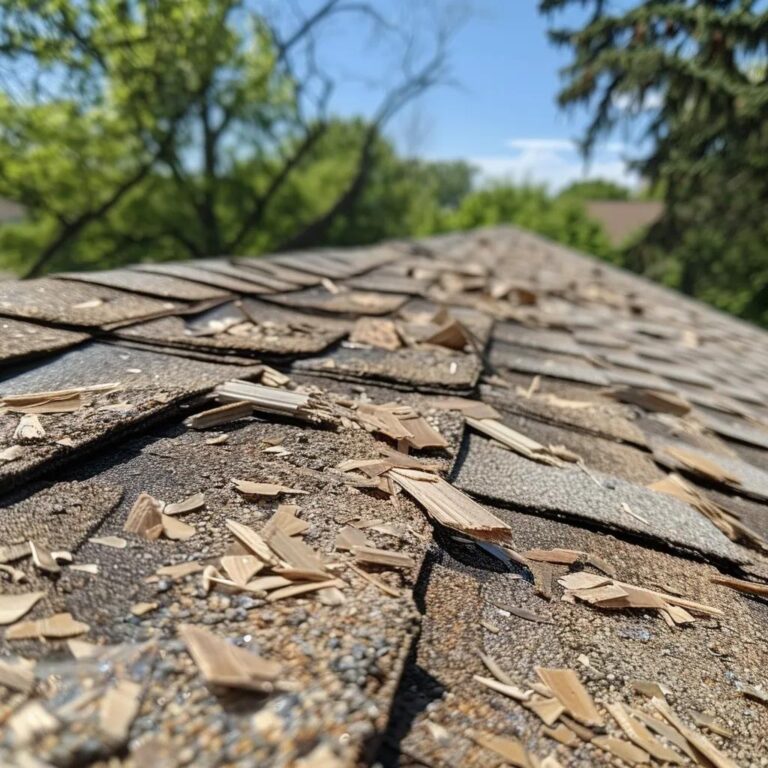
The pattern is different. Wind pulls, lifts, separates, and can hurl wind-borne debris; hail strikes and bruises. These PVC hail damage examples show the round impact marks typical of hail damage that wind usually does not create.
When both happen in the same storm
Minnesota storms can combine hail damage and strong wind. In that case, crews need to document each damage type because repair scope and insurance review may differ.
Will insurance pay for commercial roof replacement?
Sometimes, but it depends on the cause, age, and policy terms. If wind created sudden, documentable damage, coverage is more likely for your insurance claim. If the carrier sees long-term wear, they may approve repair instead of full replacement. Good photos, weather dates, and moisture testing strengthen the insurance claim. Factors like FM Approvals and energy efficiency can also impact the replacement value.
A PVC roof rarely tears wide open all at once. More often, wind starts with a loose edge, a failed seam, or a pulled flashing detail, then water turns that small break into a much larger repair on the PVC roofing membrane.
For Minnesota businesses, speed matters. When signs of pvc roof wind damage show up, early action and preventive maintenance protect inventory, tenants, and the budget far better than waiting for the next storm.
Need a roof inspection in Saint Paul or the Twin Cities? Call Sellers Roofing Company at +1-651-703-2336 or schedule a free estimate. We are a black-owned, NMSDC-certified MBE roofing contractor with 9+ years experience.