Last updated: 2026-09-23 by Ted Sellers, Owner
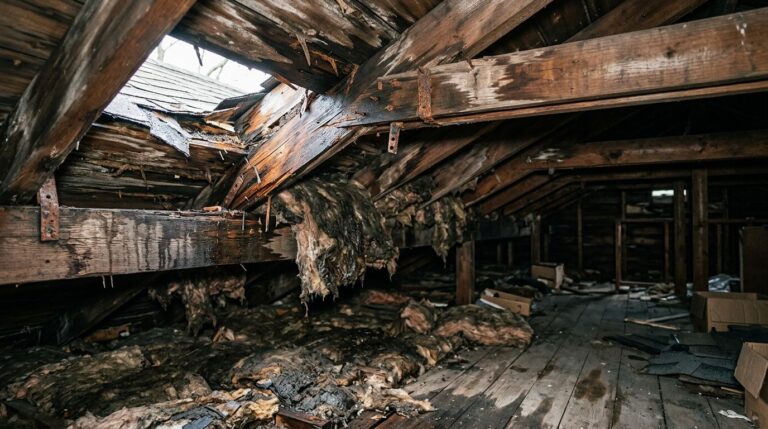
After July hail storms in Minnesota, asphalt shingles can look normal from the driveway while hiding bruised surfaces, broken seals, bent flashing, or punctures around vents. Commercial membrane roofs may have damaged seams, edge metal, drains, and flashing details without an immediate leak. The first job is separating new storm damage from old wear, poor maintenance, or an installation problem.
Short answer: Roof warranty hail damage usually isn’t covered. A manufacturer warranty addresses defective roofing materials, while a workmanship warranty addresses installation mistakes. Hail is generally an act of nature, so covered storm damage is normally handled through a homeowners insurance claim, subject to your deductible, exclusions, depreciation, and policy language. Exact warranty coverage varies by the written document, and a storm may expose a separate material or installation defect.
Table of Contents
- When Hail Damage May Fall Under a Roof Warranty
- Manufacturer and Workmanship Coverage
- Homeowners Insurance Following Hail
- Documenting a Minnesota Hail Loss
- Residential and Commercial Roof Inspections
- Protecting Warranty Rights Before Contracting
- Frequently Asked Questions
- The Practical Answer After Hail
When Minnesota Property Owners Should Review a Roof Warranty After Hail
Recent, documented hail damage on Minnesota properties
This guidance applies to Minnesota homeowners, landlords, property managers, and business owners after a known hail event with documented storm damage. It fits houses in Saint Paul, Minneapolis, Roseville, Maplewood, Shoreview, New Brighton, and the wider Twin Cities roofing market.
It also applies to most roof types, including asphalt shingles, architectural shingles, metal roofing, TPO roofing, EPDM, modified bitumen, and BUR systems. No roofing material automatically qualifies for coverage.
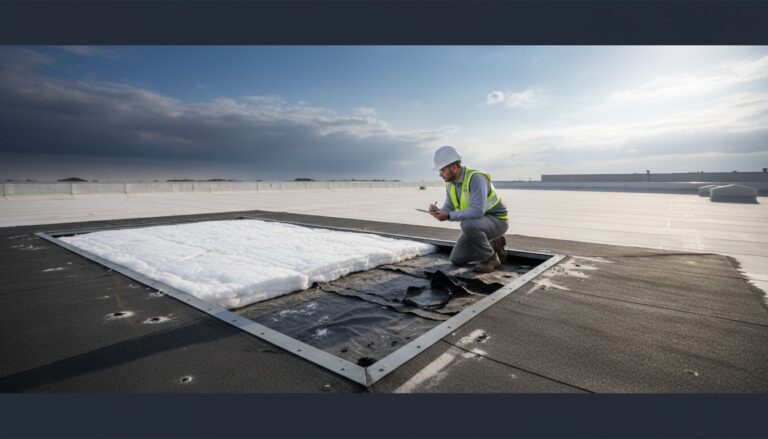
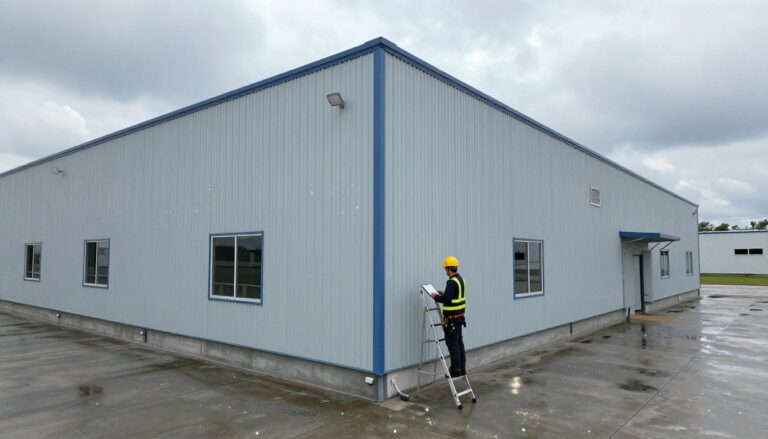
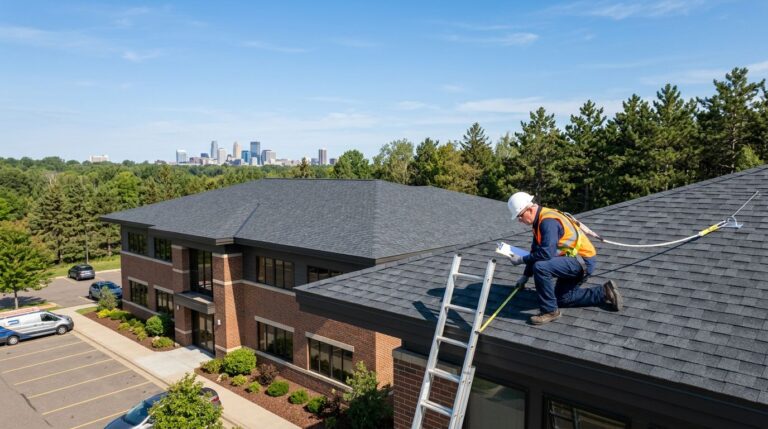
A professional roofing contractor should separate new hail loss from age, poor routine maintenance, drainage problems, and pre-existing roof leaks. The inspection should document the storm date, damage pattern, affected slopes or roof areas, metal impacts, interior signs, and the roof’s prior condition.
Situations that need a different answer
A workmanship warranty isn’t an insurance policy. It doesn’t replace coverage for a tree impact, wind loss, ice dams, or gradual aging.
Material defects, manufacturer defects, and installation errors may require different contacts and evidence. Documented roof repairs and a full roof replacement are different outcomes, based on the cause and extent of loss.
Acts of nature, ice dams, and gradual deterioration often fall under coverage limitations or policy exclusions. Property owners should review the actual insurance policy and warranty documents before deciding how to proceed.
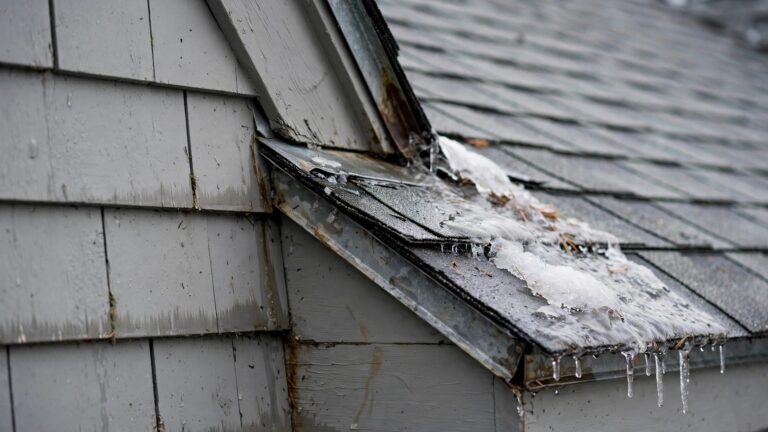
Minnesota winters add another complication. Ice dam removal may be needed to stop active water entry, but ice-related loss and hail loss should be documented as separate events.
Does Roof Warranty Hail Damage Coverage Apply?
Manufacturer warranties cover material defects
A roofing shingle warranty may cover defective products, including architectural shingles that fail because of a production problem. A manufacturer warranty addresses material defects, while manufacturer defects describe the production issue behind that failure.
It usually does not cover hail, wind, fallen branches, foot traffic, poor drainage, or damage from another trade. These are outside causes, not product defects.
Warranty periods vary by product and registration level. A roofing shingle warranty may last 25 years to lifetime, often with a shorter non-prorated warranty before coverage declines. Extended warranties may require a certified contractor, but certification doesn’t guarantee eligibility for every warranty tier. Review the terms for the installed product, not a brochure for a higher level of warranty coverage.
Workmanship warranties cover installation errors
A workmanship warranty comes from the roofing contractor. It addresses installation errors such as improperly installed flashing, incorrect fastening, failed seams, or details that don’t meet system requirements.
Typical terms range from a few years to 10 years, though some contractors offer longer written coverage. Enhanced manufacturer-backed systems may require specific contractor certification.
A workmanship warranty isn’t automatically void after hail. An inspection must establish whether the opening came from the impact or from an installation failure.
For roof warranty hail damage questions, responsibility usually breaks down this way:
- Manufacturer: Product defects covered under the roofing shingle warranty.
- Contractor: Installation problems covered under the workmanship warranty.
- Insurance: Covered storm damage, subject to the policy, deductible, exclusions, and claim requirements.
A workmanship warranty can still matter after a storm, but the evidence must show a defect or installation failure separate from the hail impact.
How a homeowners insurance claim differs from warranty recovery
Your policy pays for covered sudden damage
A homeowners insurance claim is usually the path for covered sudden hail damage. The insurer, not the manufacturer or roofing contractor, evaluates the loss under the insurance policy.
The valuation may depend on several policy terms:
- Replacement cost value, which may cover the cost to replace damaged materials.
- Actual cash value, which subtracts depreciation from the covered amount.
- Depreciation, which may apply until repairs are completed or under certain policy terms.
- The insurance deductible, which you pay before covered benefits apply.
- Wind-and-hail endorsements, which may set separate deductibles or limits.
- Exclusions, which can remove certain causes or types of damage from coverage.
- Cosmetic-damage limitations, which may restrict payment for appearance-only marks.
Minnesota property owners should review the declarations page before filing. The Minnesota Department of Commerce warns that some policies carry higher deductibles or tighter limits for wind and hail. Its guidance on preparing for a natural disaster is a useful starting point.
Minor cosmetic marks alone may not justify a claim. A claim makes more sense when the damage affects weather protection, shortens roof life, causes leaks, or produces a repair scope that clearly exceeds the deductible.
A claim does not erase warranty rights
A roofing shingle warranty and a manufacturer warranty generally don’t pay for hail itself. A workmanship warranty can remain relevant when an inspection finds an unrelated installation failure.
A non-prorated warranty and extended warranties are separate from the insurer’s valuation method. Insurance pays for covered storm damage, but it doesn’t correct unrelated maintenance failures or cover elective upgrades.
Minnesota homeowners can review the state’s residential claim filing guidance before reporting a loss. Give the insurance adjuster dated photographs, measurements, interior moisture evidence, and the contractor’s scope. If a roof replacement is approved but the estimate omits code-required work or related damage, request a line-item review or supplement.
Step-by-Step After a Minnesota Hailstorm
Steps 1 through 3: Protect the property and preserve proof
- Stay off a wet, steep, brittle, or visibly damaged roof. Take ground-level photos, check the attic for leaks, and note ceiling stains, gutters, vents, and dented soft metal. Use buckets or temporary coverings to control water when safe. Follow a safe roof hail damage inspection approach instead of walking across damaged shingles.
- Record the storm date, available hail reports, photographs, leak locations, and temporary repairs. Save receipts for tarping, water removal, or other emergency work. Note the property’s pre-storm condition, including known wear or prior repairs.
- Schedule an inspection before permanent roof repairs conceal the evidence. Request separate written scopes for storm damage, old wear, and a possible roof replacement. A clear scope helps distinguish fresh impacts from existing conditions.
Steps 4 through 6: Compare the scope before work starts
- Confirm your policy’s insurance deductible, valuation method, reporting deadline, and exclusions. Check whether wind and hail coverage applies. Don’t assume last year’s terms match your current policy.
- Compare the insurance adjuster’s estimate with the contractor’s written scope. Review quantities, flashing, underlayment, ventilation, architectural shingles, code items, and interior damage line by line.
- Before authorizing a roofing contractor, verify licensing and insurance. Review payment terms, listed materials, and workmanship warranty language in the contract. Storm chasers may approach homeowners after a hailstorm, so take time to check credentials and compare proposals. If water is entering now, Call 651-703-2336 for 24/7 Emergency Roofing to limit additional damage while records are preserved.
What Hail Damage Looks Like on Residential and Commercial Roofs
Asphalt shingles and metal need different inspections
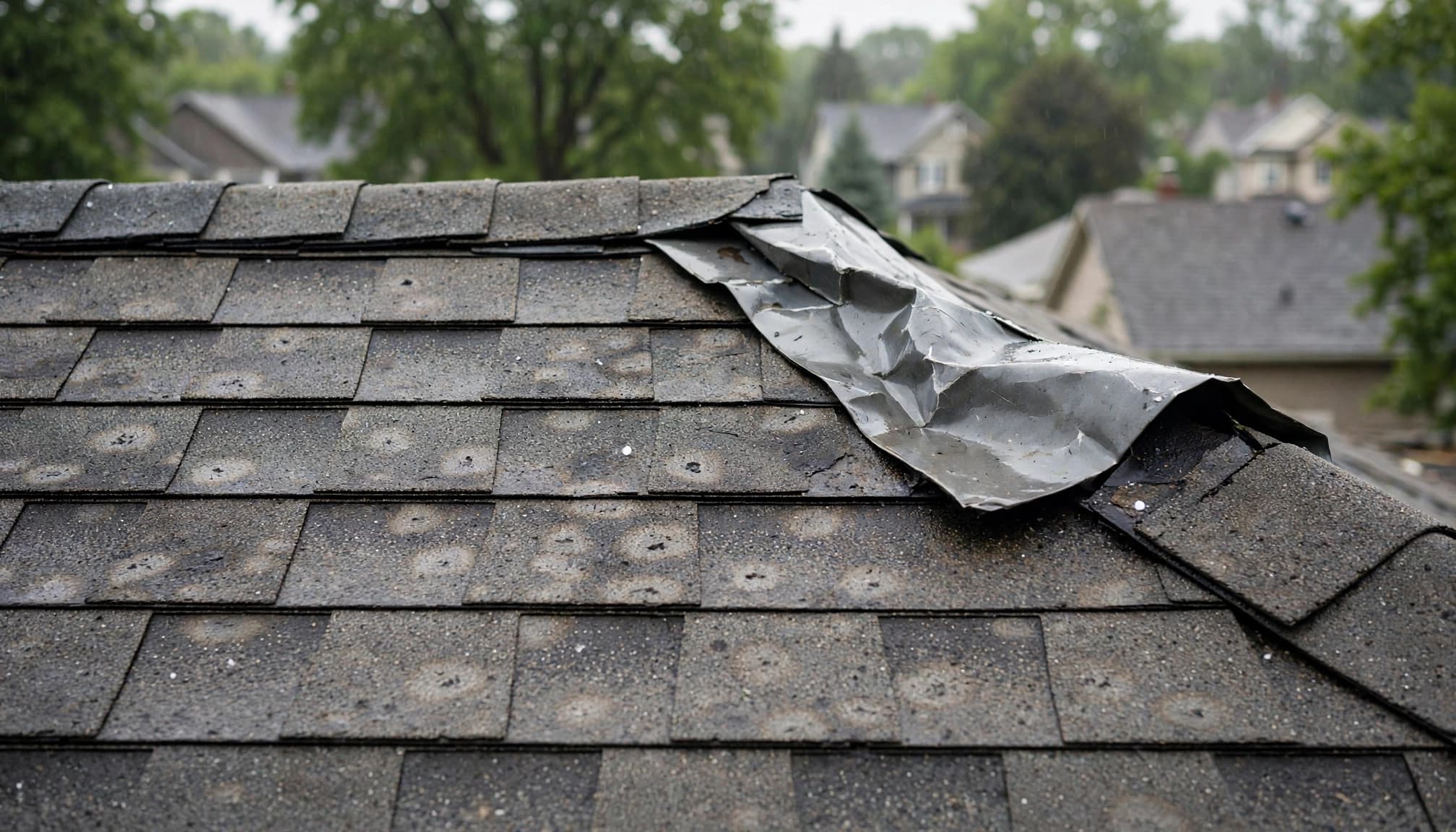
On asphalt shingles, inspectors look for circular bruising, fractured mats, displaced granules, broken seals, creases, ridge-cap impacts, and dents in associated soft metals. Architectural shingles may look intact from the driveway, so they still need an inspection for functional damage.
Metal roofing may show dents, damaged fasteners, distorted flashing, or compromised panel laps. Cosmetic coverage limitations can affect payment when the roof still sheds water. The insurance policy determines whether those findings qualify as storm damage.
Commercial flat roofs need a system-level review
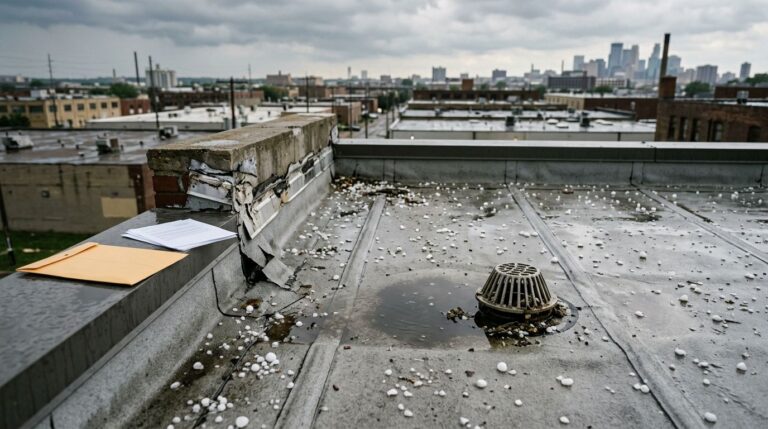
A commercial flat roof needs more than a surface glance. TPO and EPDM systems may develop membrane punctures, stressed seams, crushed insulation, or damaged perimeter details. Modified bitumen and BUR systems can hide fractures below the surface.
A roofing contractor should inspect drains, parapet walls, rooftop equipment, flashings, seams, insulation, and interior moisture signs, including roof leaks. The inspection should document whether each finding reflects storm damage, a roof leak, a material problem, or an existing maintenance issue. If water traveled below the membrane, commercial roof leak detection in Saint Paul can locate the source before the claim scope closes.
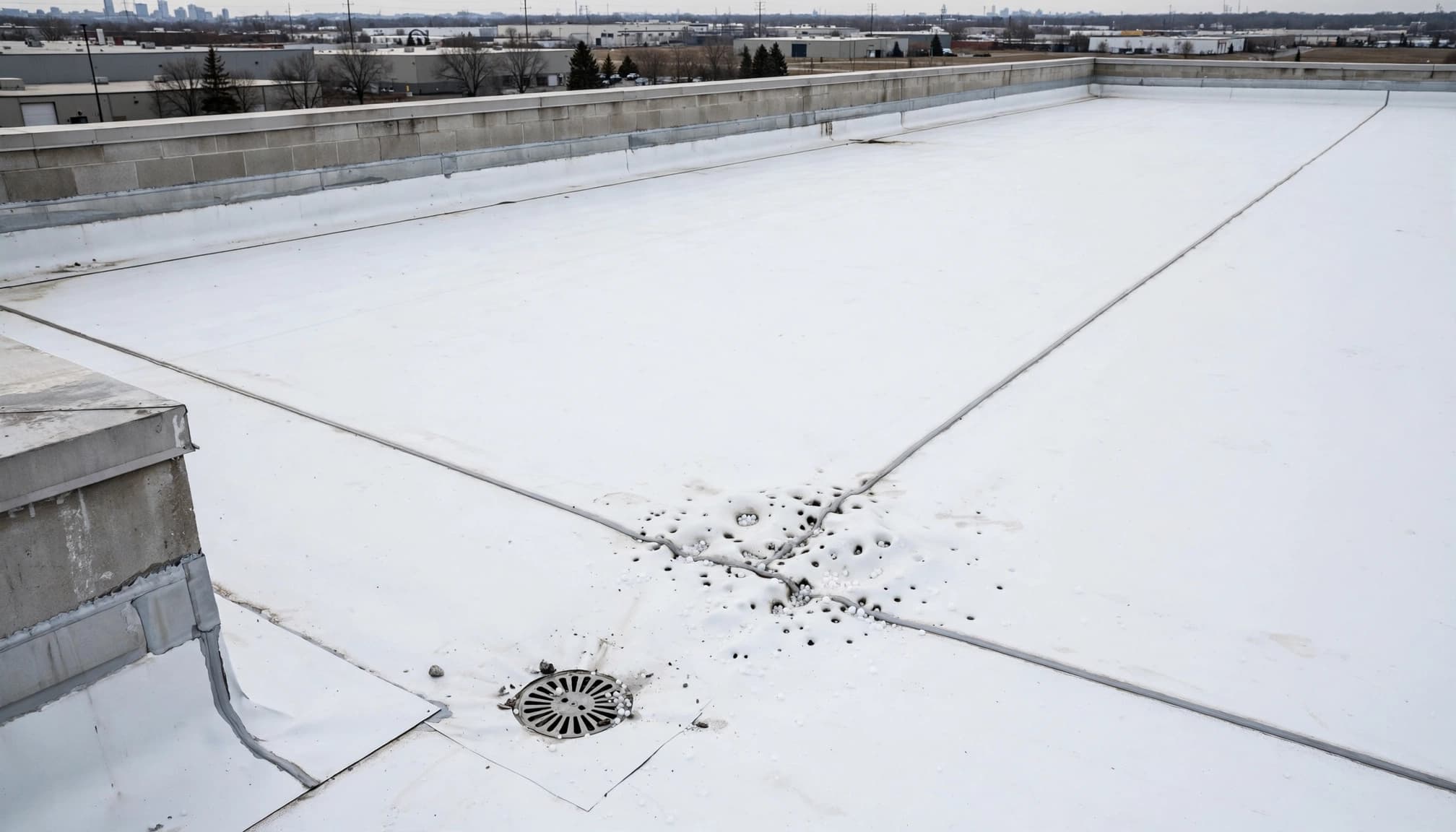
Isolated, dry, repairable damage may support roof repairs rather than roof replacement. Widespread membrane damage, wet insulation, recurring leaks, or failed seams may support roof replacement. A workmanship warranty addresses installation quality, while the insurance policy controls hail payment and other coverage limitations. Commercial restoration or coatings make sense only when testing shows the existing system remains a sound substrate.
Protect Warranty Coverage Before Signing a Contract
Avoid storm chasers and rushed deposits
Out-of-town storm chasers often appear quickly after severe hail storms. Some offer a fast price, promise to “cover” your deductible, or demand a large payment before materials arrive. Those shortcuts can create poor installation records and leave nobody local to honor a workmanship warranty.
Before signing, verify the roofing contractor’s Minnesota license, insurance, written scope, payment schedule, materials, cleanup, ventilation, flashing, and warranty responsibilities. The contract should clearly state whether the work involves repair or roof replacement. Sellers Roofing Company holds MN License 803862 and uses union-built roofing crews that include IUPAT Local 96 roofers.
A certified contractor may offer qualifying GAF system options, but a contractor merely claiming manufacturer affiliation may not meet program requirements. Certification doesn’t guarantee eligibility for every roofing shingle warranty, extended warranties, or warranty tier. Products such as architectural shingles must match the approved system, rather than being treated as an automatic upgrade.
Keep maintenance and repair records
Warranty terms often require reasonable care and routine maintenance. Keep invoices for prior repairs, inspections, ice dam work, drainage corrections, and emergency service. Avoid unauthorized alterations, such as membrane patches, mismatched shingles, or changed flashings, without checking warranty requirements first.
A workmanship warranty should identify the contractor’s obligations, while warranty coverage may depend on installation quality, records, and approved components. For commercial owners, a commercial hail damage roof assessment provides a dated condition record that supports repair planning and future warranty discussions. For homeowners, Get a Free Residential Roof Estimate when the inspection points to a documented repair or replacement need.
Frequently Asked Questions
Does a roofing shingle warranty cover hail?
Usually not. Hail damage is generally handled through your insurance policy and may be subject to exclusions and your deductible. A separate workmanship warranty may still apply if an installation failure caused another problem.
Should I contact my insurer or a contractor first?
Contact your insurer promptly if you plan to file a claim. Then arrange a careful inspection with a qualified contractor who can document damage, measurements, and needed repairs.
How does a workmanship warranty interact with a roof replacement?
It generally covers installation failures under the contractor’s written terms, not hail itself. If a roof replacement becomes necessary, review the contract, materials, payment schedule, and warranty before signing.
What does a non-prorated warranty mean, and how do extended warranties differ from insurance?
A non-prorated warranty usually provides the stated material benefit without reducing it based on the roof’s age. Extended warranties may add coverage or inspections, while insurance typically addresses sudden damage subject to policy terms and a deductible.
Can hail damage be hidden until winter or spring?
Yes. Freeze-thaw cycles, snow load, and ice can expose weak shingles or damaged seams, and roof leaks may appear later. A dated inspection after the storm provides stronger evidence than trying to reconstruct the cause months afterward.
The Practical Answer After Hail
Insurance evaluates covered hail loss. A manufacturer warranty addresses product defects, while a workmanship warranty addresses qualifying installation failures.
Hail damage doesn’t automatically require roof replacement. The decision depends on documented inspection findings, policy terms, and warranty language.
Take practical steps promptly. Document the condition, prevent additional water entry, contact the appropriate insurer, manufacturer, or roofing contractor, and compare the written scope before authorizing work.
Need a roof inspection in Saint Paul or the Twin Cities? Call Sellers Roofing Company at +1-651-703-2336 or schedule a free estimate. We are a black-owned, NMSDC-certified MBE roofing contractor with 9+ years experience.