Last updated: 2026-08-01 by Ted Sellers, Owner
Standing seam roof leak detection works by following the leak path, not just the water stain. A technician inspects seams, clips, penetrations, end laps, and roof transitions, then confirms hidden moisture with thermal scans, moisture meters, and selective test openings. Because water can move under metal panels, the drip inside rarely marks the true source.
When This Applies
Who should use this process
This applies to business owners with a standing seam metal roof, active drips, ceiling stains, wet insulation, or repeat leaks after wind-driven rain or snow melt. It’s also the right approach when a leak shows up far from roof edges, because metal panels can carry water before it drops inside.
If your building has tenants, stock, or equipment below the roof, fast diagnosis matters. A small leak can soak insulation, stain interiors, and push energy costs up. That’s why many owners start with commercial roof leak detection Saint Paul before they approve major work.
On standing seam roofs, the drip is a clue, not a map pin.
When this process does not fit
It does not fit every metal leak. Through-fastened panels leak in different ways, usually around exposed fasteners and washers. Condensation can also mimic a roof leak, especially in cold weather. In that case, the problem may be airflow, insulation, or indoor humidity.
Mixed roof systems change the search
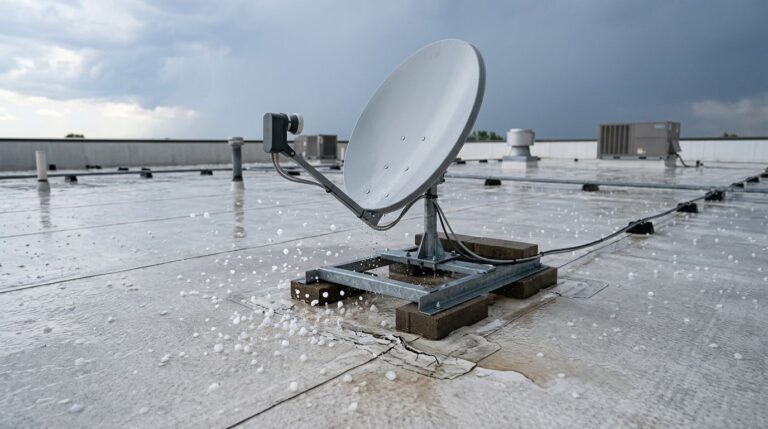
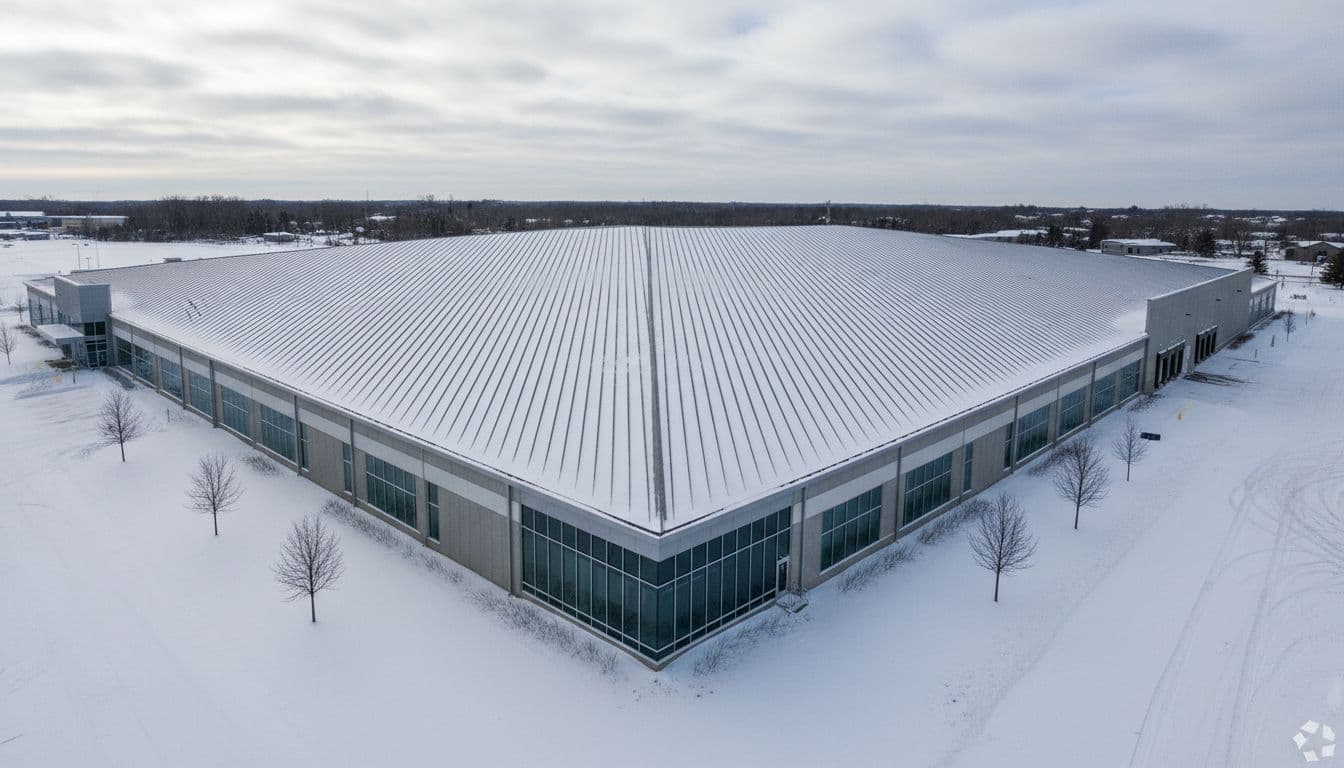
Many commercial buildings combine standing seam sections with canopies, parapet walls, gutters, and low-slope areas. A leak blamed on metal may start where systems meet. Sometimes the answer is local metal repair. Other times, the issue sits next to the metal roof and calls for commercial flat roof repair.
Step-by-Step
Field inspection and moisture tracing
- Start inside the building. The tech marks where water shows, when it appears, and what weather triggered it. That first map helps narrow the roof section above.
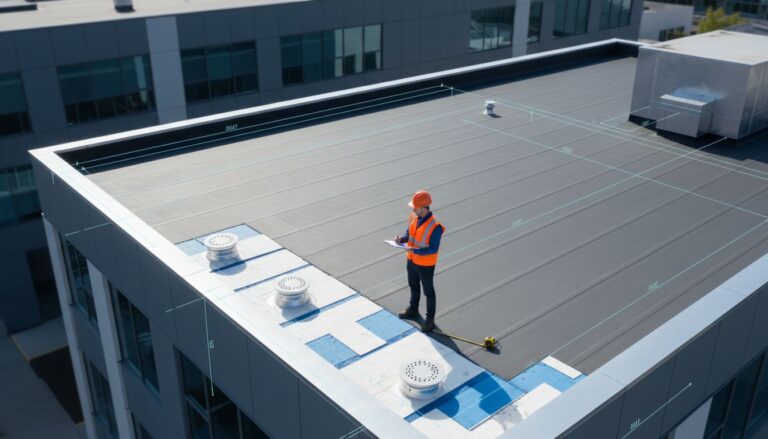
- Match the interior signs to the roof layout. Panel direction, slope, curbs, skylights, gutters, and wall lines all matter. On standing seam roofs, water often runs along clips or under underlayment before it turns downward.
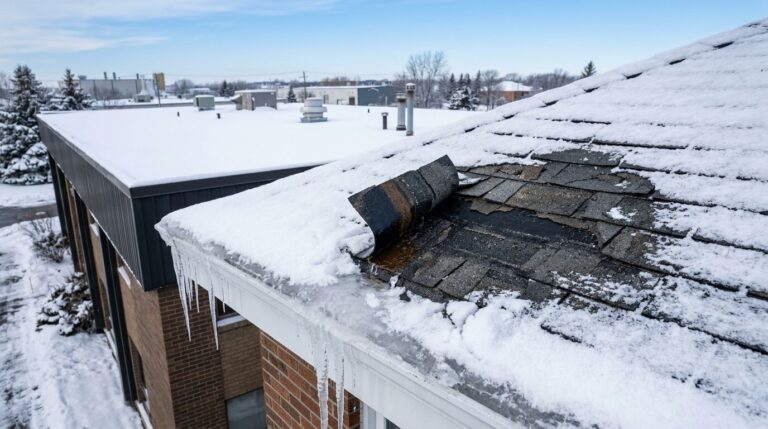
- Inspect the common failure points up close. Crews check seams, end laps, pipe boots, ridge caps, closures, transition flashing, and sealant joints. They also look for panel damage from foot traffic, snow loads, or past service work.
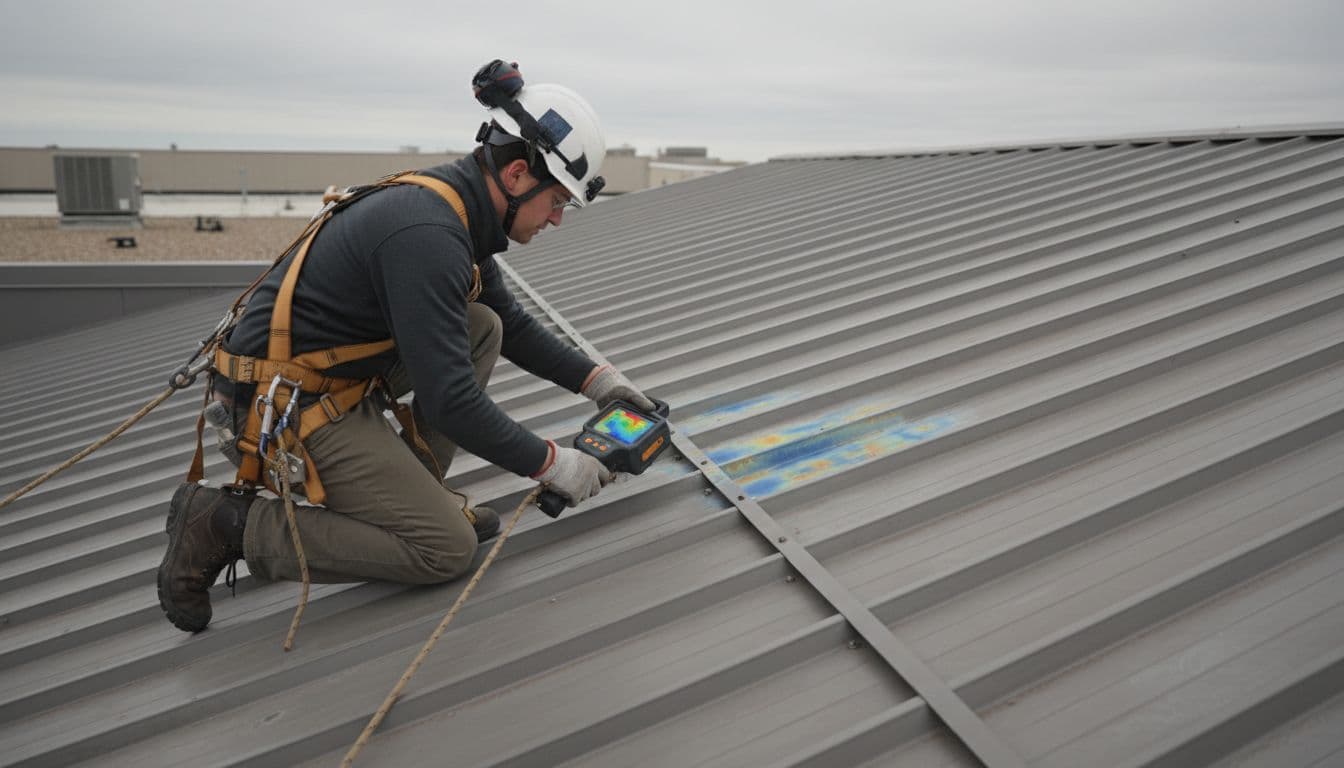
- Use moisture tools when conditions allow. Infrared scans can show cool or warm areas tied to wet insulation. Moisture meters and selective probe points help confirm what the camera suggests.
- Run controlled testing if the source still hides. Water testing is done in small sections, not across the whole roof. That step helps rule out false clues and keeps the search focused.
- Open only what needs to be opened. A targeted test cut can show wet insulation, rust, failed underlayment, or movement at clips. Think of it like lifting one floorboard instead of tearing up the whole room.
Confirming the repair path
- Separate isolated defects from broad failure. One failed boot or lap may need a simple repair. Repeated leaks across several details, soaked insulation, or corrosion under many panels may point to commercial roof replacement.
- Compare roof findings with business risk. If the leak threatens stock, wiring, tenant areas, or operations, patching may cost more than a full fix. This is the point where an owner learns whether the commercial roof needs repair now, restoration later, or replacement soon. If findings show damage beyond one leak, a team that handles commercial standing seam roofing services in Saint Paul can compare repair, coating, and replacement options.
- Repair the verified source, then re-check it. Good standing seam roof leak detection doesn’t stop at a guess. After repairs, crews confirm the area is dry and the leak path is closed.
FAQ
Why are standing seam leaks so hard to pinpoint?
The panels lock together and hide the fasteners below. Water can enter at one detail, travel under the metal, then show up many feet away. That’s why a ceiling stain often points to the symptom, not the source.
Can an infrared camera find every leak?
No. Thermal scans help, but they don’t work the same in every weather pattern.
Best time for a scan
Early morning, evening, or stable post-rain conditions usually give clearer readings. Crews still need visual inspection and field checks to confirm the result.
What areas fail most often on commercial standing seam roofs?
Penetrations lead the list, especially around pipes, curbs, and rooftop units. After that, crews often find trouble at end laps, ridge details, sidewalls, eaves, sealant joints, and spots where different roof systems meet. Foot traffic damage is another common cause.
When is repair enough, and when is replacement smarter?
Repair makes sense when the leak is isolated and the surrounding roof is dry and sound. Replacement makes more sense when leaks repeat, insulation stays wet, corrosion spreads, or past patches keep failing. A good diagnosis separates a fixable defect from a tired roof system.
What happens if a small leak waits until next season?
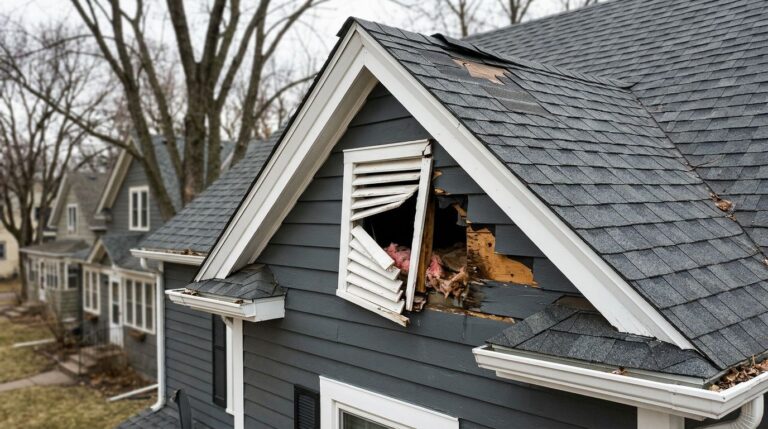
The cost rarely stays small. Wet insulation loses performance, metal can corrode below the surface, and freeze-thaw cycles widen weak points. By spring, what looked minor may involve deck damage, interior repairs, and business interruption.
Bottom Line
What to do next
Standing seam roofs don’t leak in obvious ways. Water follows hidden paths, so accurate detection depends on tracing the roof assembly, not chasing stains. The earlier you act, the more likely the fix stays small. Fast, verified leak detection protects your building, your tenants, and your budget.
Need a roof inspection in Saint Paul or the Twin Cities? Call Sellers Roofing Company at +1-651-703-2336 or schedule a free estimate. We are a black-owned, NMSDC-certified MBE roofing contractor with 9+ years experience.