Last updated: 2026-08-18 by Ted Sellers, Owner
Usually, yes. Most Minnesota commercial property policies cover roof hail damage and storm damage restoration when hailstones cause direct physical loss to commercial roofing during the policy period. Coverage can shrink or disappear if the carrier finds wear, prior leaks, poor maintenance, cosmetic-only metal damage, or a large wind damage/hail deductible. Your payout also depends on whether the policy pays replacement cost or actual cash value.
Key Takeaways
- Most Minnesota commercial property policies cover roof hail damage as direct physical loss during the policy period, but coverage shrinks for wear, poor maintenance, cosmetic metal damage, or high wind/hail deductibles.
- Applies to offices, warehouses, retail, and mixed-use buildings with TPO, EPDM, metal, and other roofs in the Twin Cities—not flood, neglect, or pre-existing leaks.
- Strengthen claims with prompt filing, thorough same-day documentation (photos, storm details), local contractor inspection, and walking the roof with the adjuster.
- Payout favors replacement over repairs when hail punctures membranes or soaks insulation; functional issues beat cosmetic dents, especially on older roofs with solid records.
- Review declarations page first, protect without erasing evidence, and scrutinize estimates line-by-line—the strongest file with clear proof wins payment.
When This Applies
Covered hail claims usually have clear, recent physical damage
This applies to business owners, investors, and facility managers with offices, warehouses, retail centers, and mixed-use commercial buildings in Minnesota, especially in the Twin Cities including Minneapolis and St. Paul. It fits low-slope and steep-slope systems, including TPO and EPDM, PVC, metal, modified bitumen, and built-up roofs.
It does not apply when the loss came from flood, snow load, faulty installation, long-term neglect, or an old leak that a storm merely exposed. If you’re searching “commercial hail damage minnesota” after a storm, the real issue is simple: can you show fresh damage from hail, on a covered roof, during an active insurance policy period?
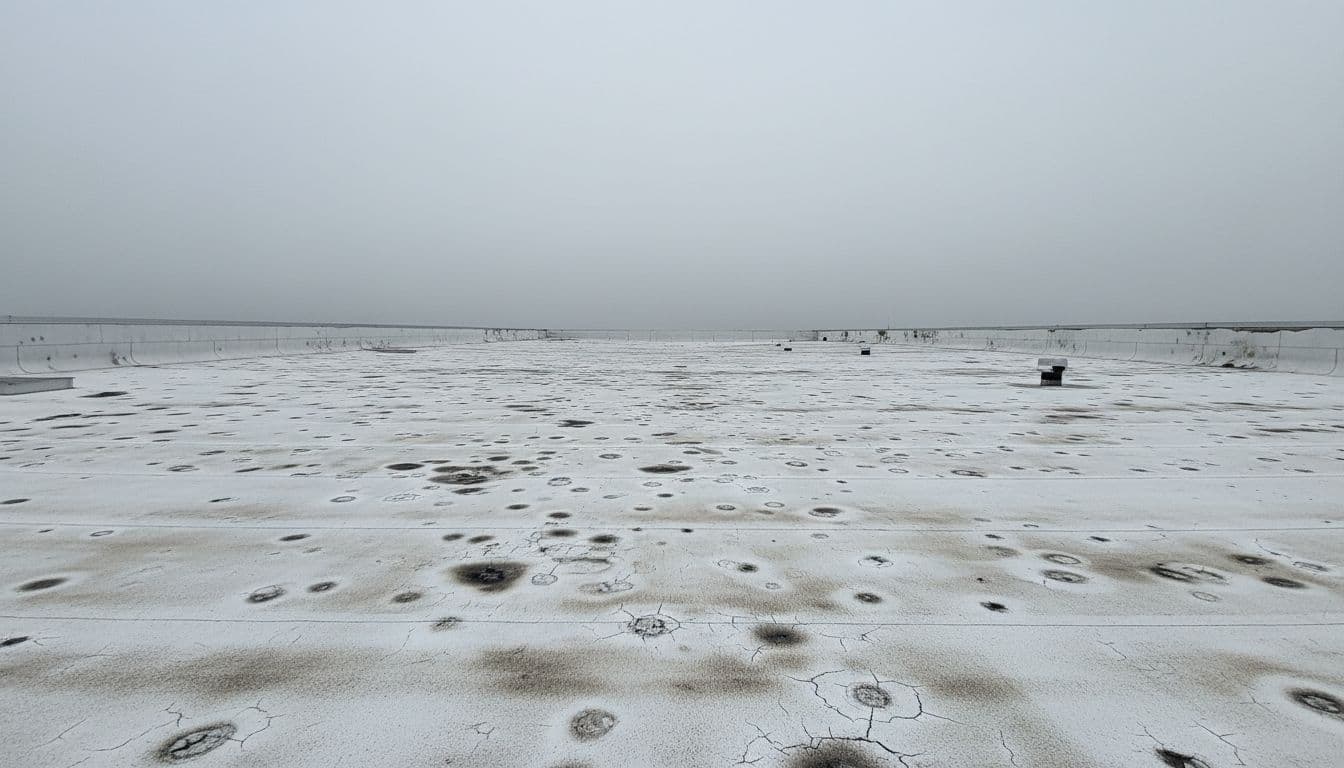
When water shows up inside, the leak source may be far from the stain. Because of that, early commercial roof leak detection St. Paul and damage assessment can matter before the carrier argues the moisture came from a pre-existing condition.
Hail coverage follows the storm damage. It doesn’t fix roof problems that were already there.
When insurers usually pay
Carriers usually pay when the damage is sudden, documented, and new. A broad commercial insurance coverage guide explains the same rule many owners run into: direct physical hail damage is commonly covered unless the policy removes it. If patching won’t restore performance, the scope may move from targeted repairs to storm damage restoration or a full commercial roof replacement.
When coverage often gets cut back
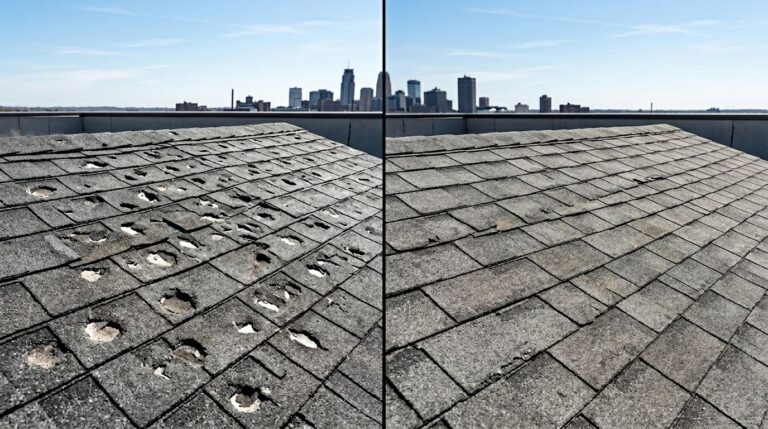
Trouble starts when the roof was already near failure, had open seams, long-term ponding, rust, or past leak history. Minnesota owners also need to check for separate wind and hail deductibles, often set as a percentage of commercial building value, plus cosmetic-damage language on metal roofs. The Minnesota insurance task force report points to both issues. Weak photos and late notice also give the insurer room to say your commercial property needs roof repair because of age, not hail.
Step-by-Step
How to move the claim forward without weakening it
- Read the declarations page before you call the loss minor. Confirm the cause-of-loss form, the roof valuation method, and the wind or hail deductible, as these directly impact your insurance settlement. A 1 percent deductible on a large building can change the whole decision. Also check whether the roof is paid on replacement cost or depreciated actual cash value.
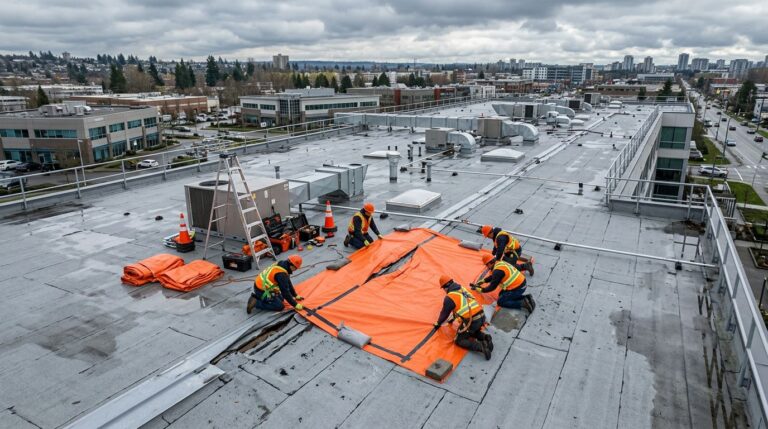
- Protect the building, but don’t erase evidence. Tarp active openings, move stock, and log every emergency expense. At the same time, don’t wash the roof, apply coatings, or remove damaged components before photos and inspection.
- Conduct thorough documentation of the roof and interior on the same day. Take wide shots, close-ups, rooftop unit photos, flashing details, drain areas, ceiling stains, and wet insulation. Add the storm date, time discovered, and any weather alerts tied to your address.
- Bring in a local contractor who knows Minnesota commercial roofing for a free inspection to evaluate the roofing system. A contractor offering commercial roof repair in Saint Paul can separate hail impact from old seam failure, foot traffic, or membrane shrinkage. That distinction matters because adjusters often pay for storm damage, not deferred maintenance.
- Walk the roof with the adjuster for damage assessment if possible. Bring your photos, maintenance records, roof age, and inspection notes. If damage is isolated, roof repair may be the right scope. If hail punctured the membrane, bruised large sections, or soaked insulation, the claim may support commercial flat roof repair in some areas and commercial roof replacement in others. For complex insurance claims, consider public adjuster services.
- Review the estimate line by line before you sign off. Look for missing insulation, flashings, drain work, edge metal, rooftop unit details, interior moisture damage, exterior restoration, and commercial siding. Minnesota owners should also ask about code items. Recent Minnesota coverage denial case summaries show why code-upgrade disputes can matter when the roof system can’t be restored with a basic patch.
FAQ
Will insurance pay for roof replacement or only repairs?
If hail damage is limited and the roof can still perform, carriers often pay for repair. When hail has punctured the membrane, damaged connected sections, or soaked insulation, repair may not restore the roof, and replacement becomes the stronger scope.
What if the adjuster says the metal roof damage is only cosmetic?
Some policies exclude cosmetic metal damage, so the wording matters. If dents changed seams, fasteners, protective coatings, or water shedding, the issue is no longer appearance alone. It becomes a functional roof problem with a shorter service life.
Does interior water damage count if hail hit the roof first?
Often, yes. Coverage is stronger when hail created the opening that let water in. If the carrier finds long-term leakage, failed maintenance, or water from another source, it may deny part of the interior claim.
Can an old roof still have a valid hail claim?
Yes, age alone doesn’t cancel coverage. Still, older roofs get more scrutiny. The insurer will look harder at prior repairs, brittle materials, shingle granule loss, and wear, so dated photos and maintenance records carry more weight.
How fast should I file a commercial hail claim in Minnesota?
File as soon as you discover the damage. Most policies require prompt notice, and delay can weaken a good claim. Quick reporting also helps preserve the evidence before storm restoration services begin, traffic, repairs, and weather blur the hail pattern.
Hail claims look simple until the deductible, exclusions, and roof condition get in the way. For most Minnesota business owners and property managers of multi-family properties, the short answer is still yes, but only when fresh damage ties back to a real storm and a covered policy.
The strongest file usually wins. Clear photos, solid documentation, a free inspection by a local contractor, and a scope that matches the damage give coverage a much better chance of turning into payment.
{“@context”:”https://schema.org”,”@type”:”BlogPosting”,”@id”:”https://roofingexpertsstpaul.com/commercial-hail-damage-minnesota/#article”,”mainEntityOfPage”:{“@type”:”WebPage”,”@id”:”https://roofingexpertsstpaul.com/commercial-hail-damage-minnesota/”},”headline”:”Does Commercial Property Insurance Cover Roof Hail Damage in Minnesota?”,”description”:”Usually, yes. Most Minnesota commercial property policies cover roof hail damage and storm damage restoration when hailstones cause direct physical loss to commercial roofing during the policy period. Coverage can shrink or disappear if the carrier finds wear, prior leaks, poor maintenance, cosmetic”,”datePublished”:”2026-04-16T03:29:38″,”dateModified”:”2026-04-16T03:29:40″,”author”:{“@type”:”Organization”,”name”:”Sellers Roofing Company”,”url”:”https://roofingexpertsstpaul.com”},”publisher”:{“@type”:”Organization”,”name”:”Sellers Roofing Company”,”url”:”https://roofingexpertsstpaul.com”,”logo”:{“@type”:”ImageObject”,”url”:”https://roofingexpertsstpaul.com/wp-content/uploads/2025/05/sellers-roofing-logo.png”}},”url”:”https://roofingexpertsstpaul.com/commercial-hail-damage-minnesota/”,”inLanguage”:”en-US”,”about”:{“@type”:”Thing”,”name”:”Roofing, Hail Damage, Storm Repair, Insurance Claims”},”isPartOf”:{“@type”:”Blog”,”@id”:”https://roofingexpertsstpaul.com/blog/”}} {“@context”:”https://schema.org”,”@type”:”WebPage”,”url”:”https://roofingexpertsstpaul.com/commercial-hail-damage-minnesota/”,”speakable”:{“@type”:”SpeakableSpecification”,”cssSelector”:[“h1″,”h2″,”.speakable”]}} {“@context”:”https://schema.org”,”@type”:”FAQPage”,”mainEntity”:[{“@type”:”Question”,”name”:”Will insurance pay for roof replacement or only repairs?”,”acceptedAnswer”:{“@type”:”Answer”,”text”:”If hail damage is limited and the roof can still perform, carriers often pay for repair. When hail has punctured the membrane, damaged connected sections, or soaked insulation, repair may not restore the roof, and replacement becomes the stronger scope.”}},{“@type”:”Question”,”name”:”What if the adjuster says the metal roof damage is only cosmetic?”,”acceptedAnswer”:{“@type”:”Answer”,”text”:”Some policies exclude cosmetic metal damage, so the wording matters. If dents changed seams, fasteners, protective coatings, or water shedding, the issue is no longer appearance alone. It becomes a functional roof problem with a shorter service life.”}},{“@type”:”Question”,”name”:”Does interior water damage count if hail hit the roof first?”,”acceptedAnswer”:{“@type”:”Answer”,”text”:”Often, yes. Coverage is stronger when hail created the opening that let water in. If the carrier finds long-term leakage, failed maintenance, or water from another source, it may deny part of the interior claim.”}},{“@type”:”Question”,”name”:”Can an old roof still have a valid hail claim?”,”acceptedAnswer”:{“@type”:”Answer”,”text”:”Yes, age alone doesn’t cancel coverage. Still, older roofs get more scrutiny. The insurer will look harder at prior repairs, brittle materials, shingle granule loss, and wear, so dated photos and maintenance records carry more weight.”}},{“@type”:”Question”,”name”:”How fast should I file a commercial hail claim in Minnesota?”,”acceptedAnswer”:{“@type”:”Answer”,”text”:”File as soon as you discover the damage. Most policies require prompt notice, and delay can weaken a good claim. Quick reporting also helps preserve the evidence before storm restoration services begin, traffic, repairs, and weather blur the hail pattern. Hail claims look simple until the deductible, exclusions, and roof condition get in the way. For most Minnesota business owners and property managers of multi-family properties, the short answer is still yes, but only when fresh damage ties back to a real storm and a covered policy. The strongest file usually wins. Clear photos, solid documentation, a free inspection by a local contractor, and a scope that matches the damage give coverage a much better chance of turning into payment.”}}]}Need a roof inspection in Saint Paul or the Twin Cities? Call Sellers Roofing Company at +1-651-703-2336 or schedule a free estimate. We are a black-owned, NMSDC-certified MBE roofing contractor with 9+ years experience.