Last updated: 2026-08-01 by Ted Sellers, Owner
Yes. In Minnesota, commercial property insurance usually covers temporary roof tarping after hail when the storm caused sudden roof damage and the tarp helps stop more loss. As of March 2026, carriers still treat tarping as a reasonable mitigation expense, but they may deny it if the true cause was age, neglect, or a pre-existing leak.
If water is reaching offices, stock, or equipment, speed matters. A tarp buys time, but clean photos and receipts protect the claim.
When This Applies
When commercial businesses can expect coverage
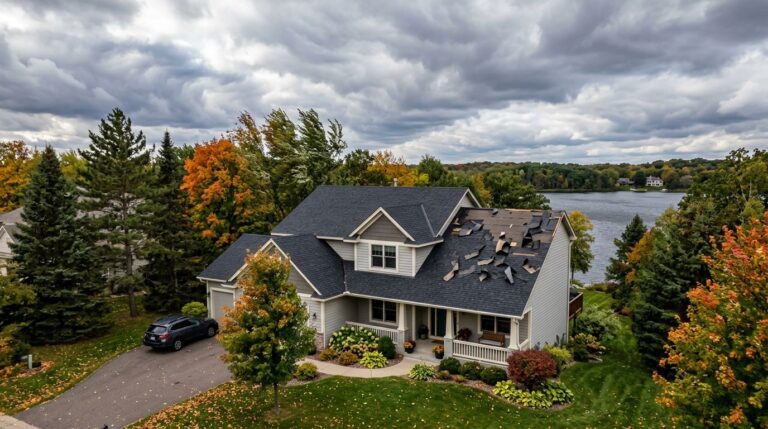
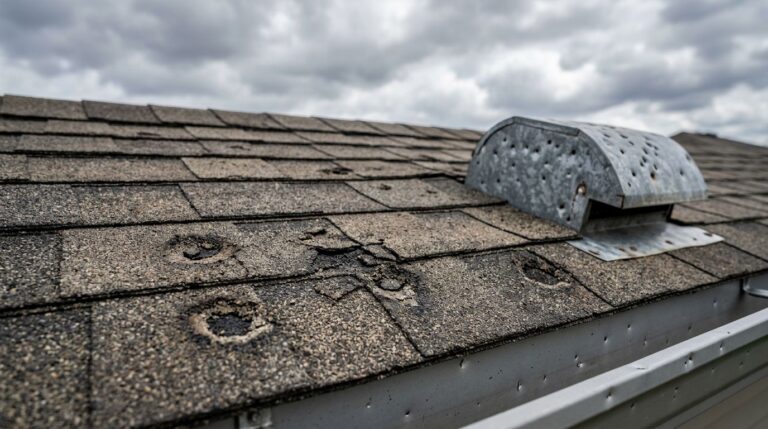
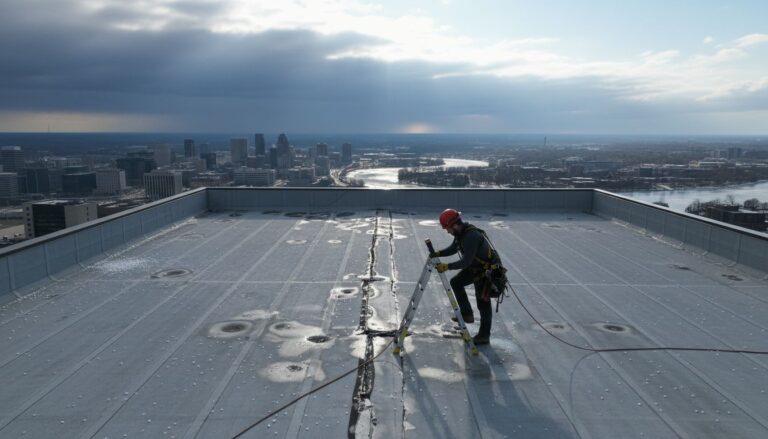
This applies to owners, facility managers, and tenants who must protect a commercial building after covered hail damage. It fits warehouses, retail centers, offices, churches, and other low-slope properties, especially when hail opens seams, dents metal panels, cracks skylights, or lets water in through flashing.
Minnesota policies do not create a separate bucket called temporary roof tarping insurance. Instead, tarping is usually paid under the main property claim because your policy expects you to limit added damage. If the leak source is hard to trace on a large roof, commercial roof leak detection can help document where the storm opened the system and how water traveled.
When coverage usually does not apply
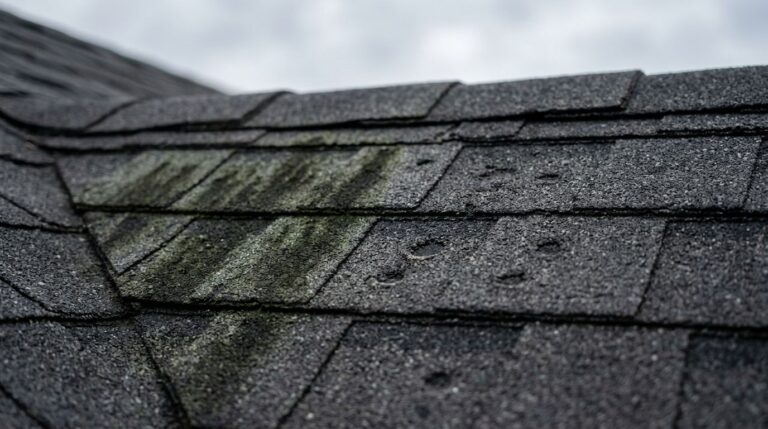
Coverage gets shaky when hail was not the real reason for the leak. If an old membrane, chronic ponding, bad seams, or skipped maintenance caused the failure, the insurer may classify the loss as wear and tear. In that case, the tarp, the repair, and related interior damage may fall back on the owner.
You may also run into trouble if there was no active opening to protect. A tarp placed on an intact roof “just in case” is harder to justify. The same goes for cosmetic hail dents on metal surfaces that did not affect performance.
Minnesota exceptions that can change the claim
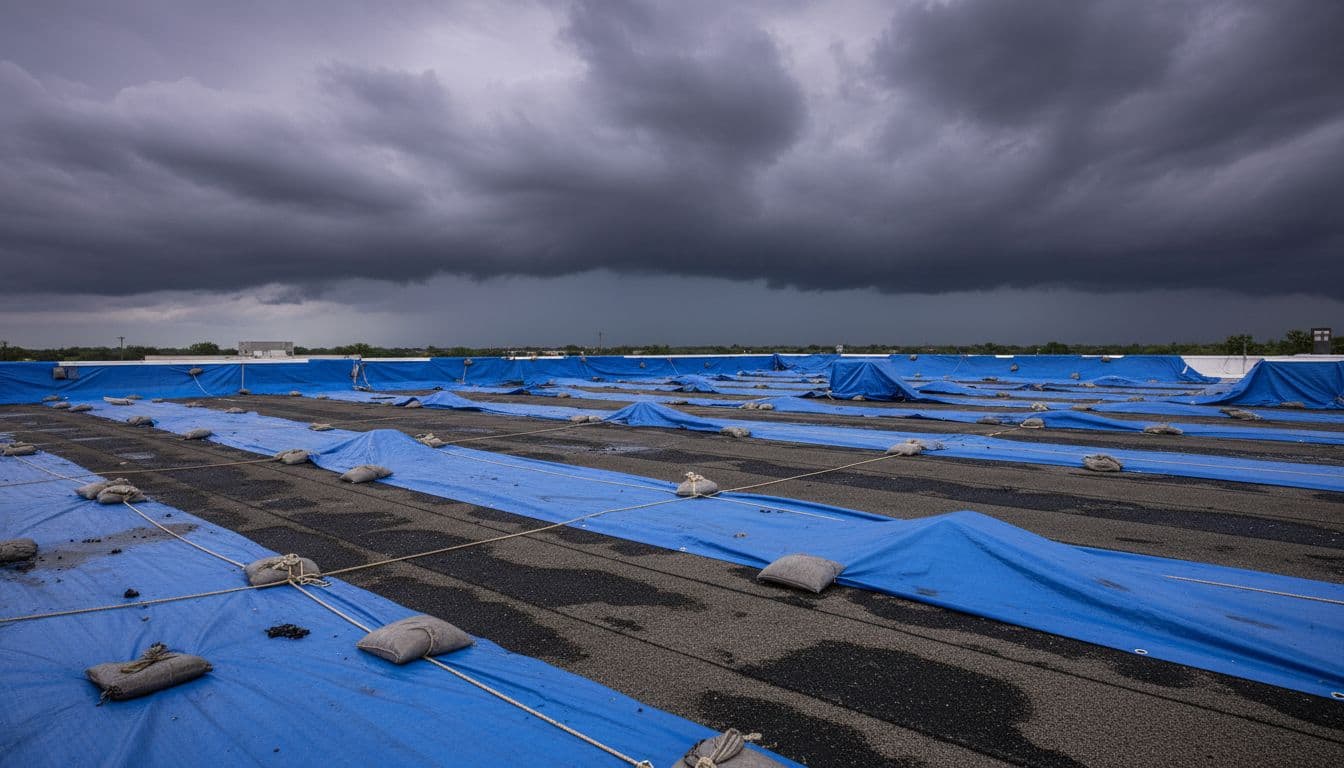
Commercial policies often treat emergency tarping the same way they treat boarding broken windows after a storm. The cost is usually reasonable and temporary, not open-ended. Most tarps are meant to last weeks, not months, and they are not a substitute for repair. Some carriers reimburse the tarp quickly, then fold that amount into the final claim payment.
If hail caused the opening, insurers usually pay for a reasonable tarp. If age caused it, they usually won’t.
Problems also show up when DIY tarping causes more damage, when a building was vacant longer than the policy allows, or when earlier leaks were never fixed. That is why many Minnesota claim guides, including this storm claim overview, stress fast documentation and quick mitigation.
Step-by-Step
What should you do after hail damages a commercial roof?
- Make the building safe first. Keep staff off the roof. Move inventory, cover equipment, and shut off power near active leaks if water is getting near electrical areas. A roof claim is never worth an injury.
- Document before the roof changes. Take wide and close photos of the roof, metal edges, ceiling stains, wet insulation, and any hail still on site. Then save timestamps, storm notes, and every receipt because insurers often reimburse tarping only when the paper trail is clear.
- Call a qualified roofer for emergency tarping. A pro can secure the tarp without turning a small puncture into a large tear. If you need fast help and a repair plan, start with Saint Paul commercial roofing services and ask for photos before and after the tarp goes down.
- Open the claim the same day. Use plain language: hail damaged the roof, water was entering, and a temporary tarp was installed to stop more loss. Many local emergency tarping guides, such as this Twin Cities tarping guide, make the same point, act fast and document everything. Also ask whether the carrier wants the tarp invoice and temporary repair photos uploaded right away.
- Get a written scope, not a guess. A tarp only buys time. After inspection, you may learn that a small puncture calls for commercial flat roof repair, or that saturated insulation and broad membrane damage point toward commercial roof replacement. In other words, a tarp doesn’t tell you whether your commercial roof needs repair in one area or a larger claim across the system.
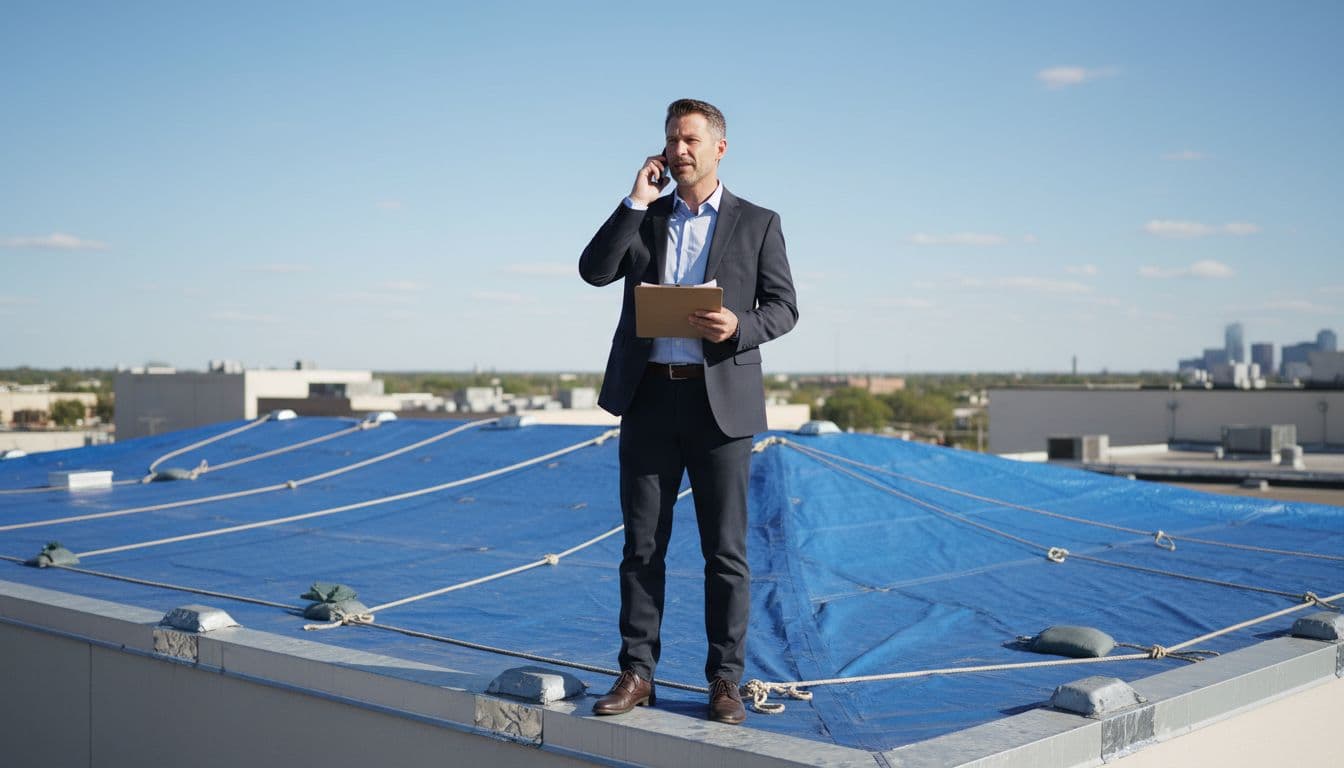
- Meet the adjuster with proof in hand. Bring photos, invoices, maintenance records, and the roofer’s findings. Keep the tarp in place until the adjuster or roofer says it can come off, unless it has failed and needs replacement. Also keep damaged ceiling tiles, wet materials, and removed roof pieces until they are photographed.
FAQ About Temporary Roof Tarping Insurance
Will insurance pay if my maintenance team installs the tarp?
Sometimes, yes, but it can create disputes. Carriers are more likely to reimburse reasonable material costs than labor that was undocumented or done unsafely. A professional invoice is usually cleaner proof, especially on tall or slippery commercial roofs.
What if the roof has hail dents but no active leak?
A tarp may not be covered if there is no opening to protect. Still, hail can bruise a membrane or loosen seams, so get an inspection before you assume there is no claim. Flat roofs often hide damage better than steep roofs.
Can I take the tarp off before the adjuster arrives?
Usually, no. Removing it too soon can make it harder to show why the tarp was needed in the first place. Keep it up until the adjuster documents the loss or your roofer moves to approved temporary repairs.
Does the deductible apply to the tarping cost?
Often, yes, because tarping is folded into the larger property claim. Some carriers reimburse emergency mitigation early and apply the deductible when they settle the full roof loss, so ask how your policy handles that timing.
What if the adjuster says the damage was old?
Ask for the reason in writing. Then compare that conclusion with photos, maintenance logs, storm dates, and a roofer’s report. If the insurer missed fresh hail hits, seam damage, or wet insulation, that record can help you challenge the decision.
For most Minnesota commercial buildings, the short answer is still yes. Insurance usually covers a reasonable tarp after hail because the policy expects you to stop added damage.
Act fast, document the roof before and after tarping, and get a real scope. A quick tarp can save the building, but solid records save the claim.
Need a roof inspection in Saint Paul or the Twin Cities? Call Sellers Roofing Company at +1-651-703-2336 or schedule a free estimate. We are a black-owned, NMSDC-certified MBE roofing contractor with 9+ years experience.