Last updated: 2026-05-26 by Ted Sellers, Owner
In most cases, asphalt shingles start to suffer real damage at about 1 inch, or quarter-size hail. Still, 3/4-inch hail can damage older or brittle roofs, especially in high wind. Once hail reaches 1 1/4 to 2 inches, bruising, cracks, and granule loss become much more likely.
That answer sounds simple, but roofs don’t fail by tape measure alone. Age, wind speed, shingle type, temperature, and roof slope all change the result.
For a business owner, that difference affects claims, repair scope, and downtime. A missed bruise today can become a tenant complaint next season.
When This Applies
The 1-inch rule fits most asphalt shingle roofs
This rule applies to shingled offices, small retail buildings, churches, apartments, and mixed-use properties. If the roof has standard 3-tab or architectural shingles, quarter-size hail is the practical starting point for likely damage.
Newer shingles can take more abuse. Older shingles often can’t, especially if sun and heat already dried them out. Research from IBHS small-hail testing shows repeated smaller impacts can matter too, especially as roofing ages.
Size ranges that matter
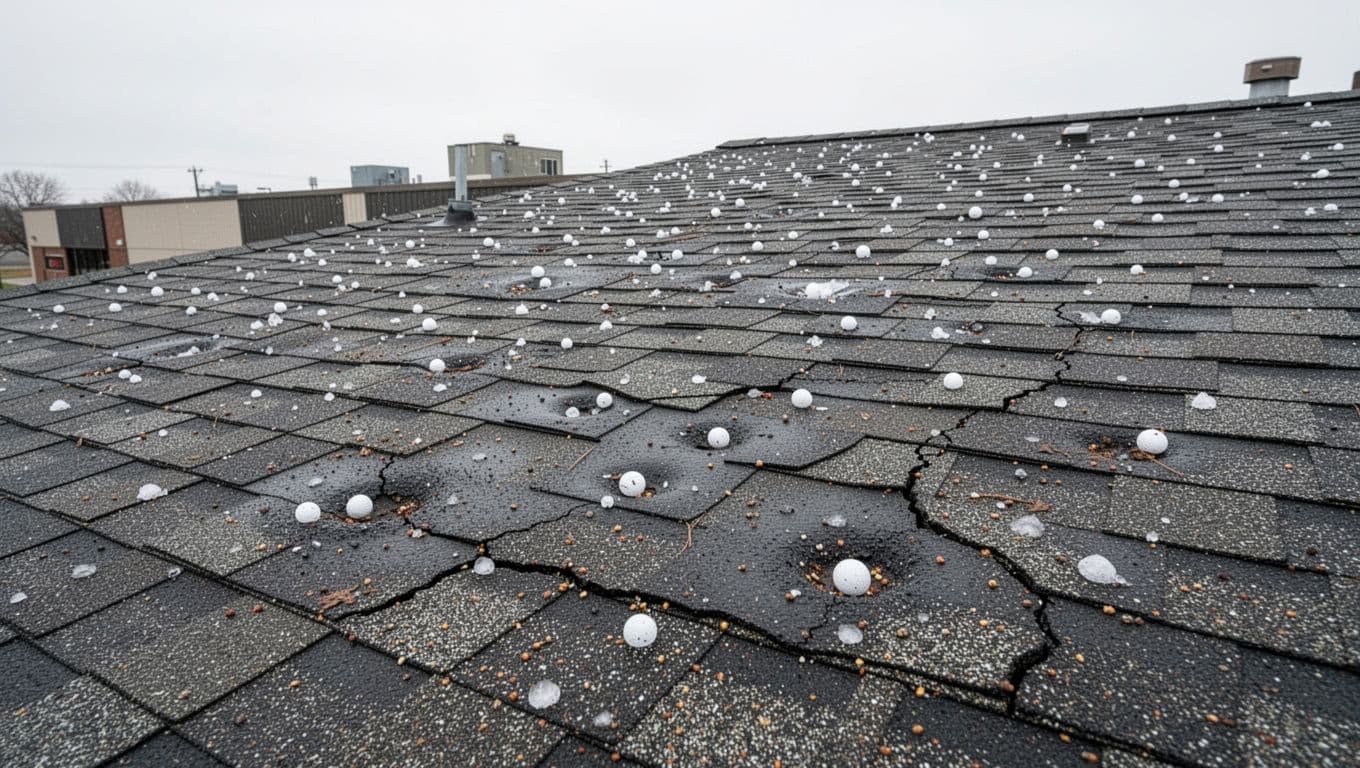
Below 3/4 inch, functional damage is less common on sound shingles. Between 3/4 inch and 1 inch, damage becomes possible when wind drives the hail, the roof is cold, or the shingle surface has already weakened. At 1 inch, damage becomes common. At 1 1/4 inches and above, bruising, cracks, and exposed asphalt show up far more often.
When the size rule does not fit
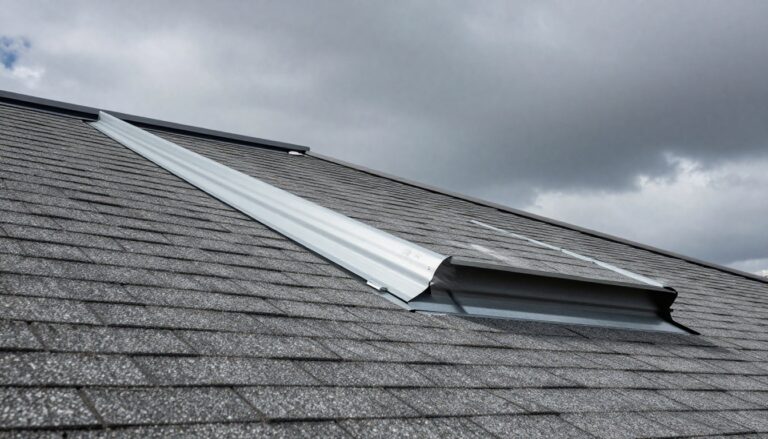
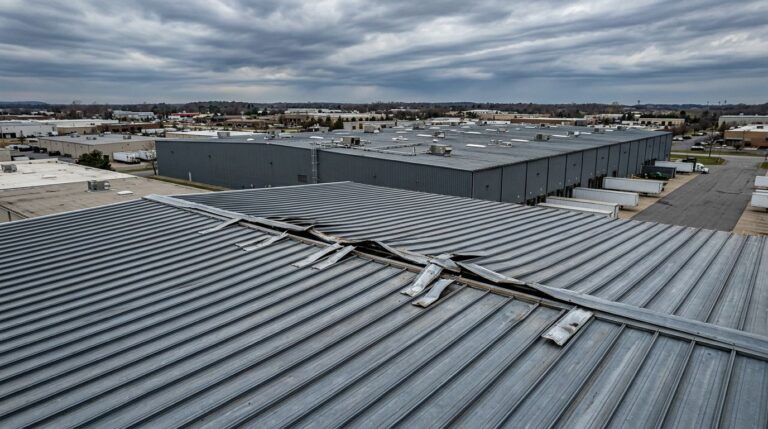
This rule does not transfer to TPO, EPDM, metal, or built-up roofing. Those systems fail in different ways, and the repair path may look more like commercial flat roof repair than shingle work.
The rule also breaks down when hail hits at high speed. Wind can make smaller stones act larger. On the other hand, a newer impact-rated roof may show only cosmetic marks after quarter-size hail. Older threshold testing on roofing materials reached the same basic conclusion, size matters, but so do material and impact conditions.
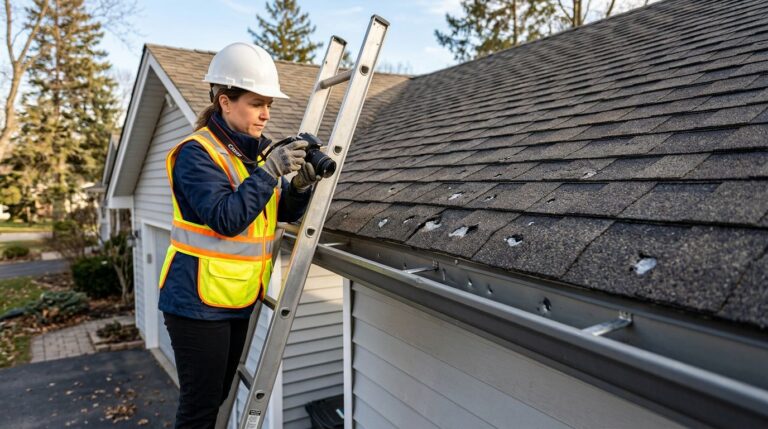
Soft metal dents can help confirm a hailstorm, but they don’t prove shingle damage. For owners comparing photos after a storm, hail damage asphalt shingles may show as dark bruises, sharp-edged cracks, and missing granules in random spots, not neat lines.
Step-by-Step
What to do after a hailstorm
- Verify what fell. Save photos of hailstones next to a coin, if it’s safe. Also note storm time, wind direction, and which roof slopes took the hardest hit. If you need a quick reference, a hail size chart can help match storm reports to common objects.
- Check ground-level clues first. Look at downspouts, metal caps, gutters, and condenser fins. Fresh dents on soft metals don’t prove roof damage, but they raise the odds.
- Look for real shingle impact marks. Random granule loss, dark bruises, and broken mat fibers matter more than light scuffs. A bruise often feels soft when pressed by a trained inspector.
- Separate cosmetic issues from functional damage. A few surface marks may not shorten roof life. A fractured shingle or widespread bruising usually means the commercial roof needs repair.
- Document before you decide. Good photos, marked test areas, and a written inspection make claim conversations easier. They also help you judge whether spot repair is enough or if commercial roof replacement makes better financial sense.
- Move fast, even if there is no leak yet. Hail damage often shows up later, after heat and rain work on weak spots. Early action costs less than waiting for stained ceilings or wet insulation.
What damage looks like before leaks start
Signs that usually point to hail damage
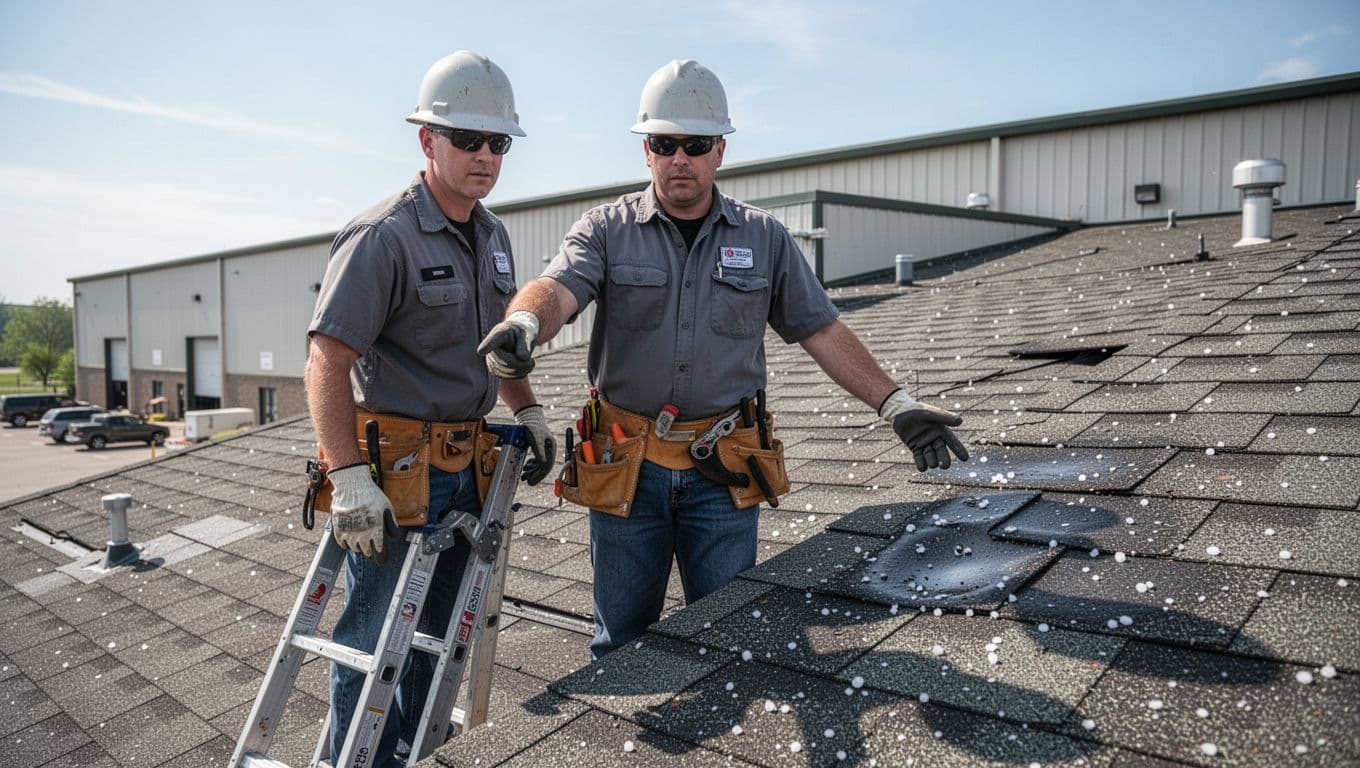
A real hail hit is usually random and fresh. You may see dark spots where granules are gone, small circular bruises, or cracks that expose the mat. On laminated shingles, impacts often land on raised tabs first. If granules collect in gutters after the storm, that can support the finding, though age alone can also shed granules.
Marks that are easy to confuse with hail
Blistering from age, foot traffic scuffs, old mechanical damage, and factory flaws can fool owners. Hail hits don’t line up in walking paths or straight rows. When the pattern looks too uniform, the cause is usually something else.
FAQ for commercial property owners
Can pea-size or dime-size hail damage asphalt shingles?
Usually, no. Still, small hail can wear out older shingles when the storm is dense, wind-driven, and long-lasting. That matters most on roofs already near the end of service life.
What if the gutters are dented but the shingles look fine?
Why soft metals can mislead
Gutters, vents, and flashing dent more easily than shingles. Their damage confirms the storm happened, but it doesn’t prove the shingles lost function. The roof still needs a hands-on inspection.
Will hail damage cause leaks right away?
Not always. Many roofs leak months later, after sun, rain, and freeze-thaw cycles open bruised spots. A quiet ceiling doesn’t always mean a healthy roof.
Should I repair a few shingles or replace the full roof?
That depends on spread and age. If damage is limited and matching shingles are available, repair may work. If hits are widespread or the roof is already worn, replacement often avoids repeat service calls.
What if my property has both shingles and a flat roof?
Treat each section as its own system. The sloped area may need shingle repair, while the low-slope section may need membrane patches or commercial flat roof repair. One storm can create two different scopes of work.
For most business owners, 1-inch hail is the line where asphalt shingle damage becomes likely. Still, old shingles, strong wind, and repeated impacts can lower that threshold.
If a recent storm crossed your property, don’t wait for leaks to settle the question. Get the roof documented while the evidence is fresh and the repair options are still smaller.
Need a roof inspection in Saint Paul or the Twin Cities? Call Sellers Roofing Company at +1-651-703-2336 or schedule a free estimate. We are a black-owned, NMSDC-certified MBE roofing contractor with 9+ years experience.