Last updated: 2026-08-01 by Ted Sellers, Owner
Yes. An insurer can deny a roof claim if it shows that earlier repairs were faulty, the damage existed before coverage began, or excluded wear and tear caused the leak. Prior repairs alone do not void coverage. For a valid denial, the carrier still has to connect the loss to policy terms and inspection evidence.
When This Applies
When previous repairs become part of the denial
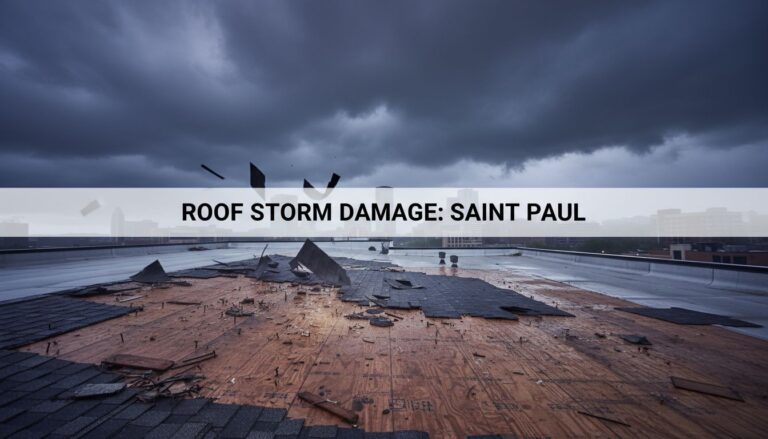
This issue matters most to owners of offices, warehouses, retail centers, and multi-tenant buildings with patched low-slope roofs. It comes up after storms, recurring leaks, and inspection disputes. In many cases, the carrier says old work failed first, then let water in.
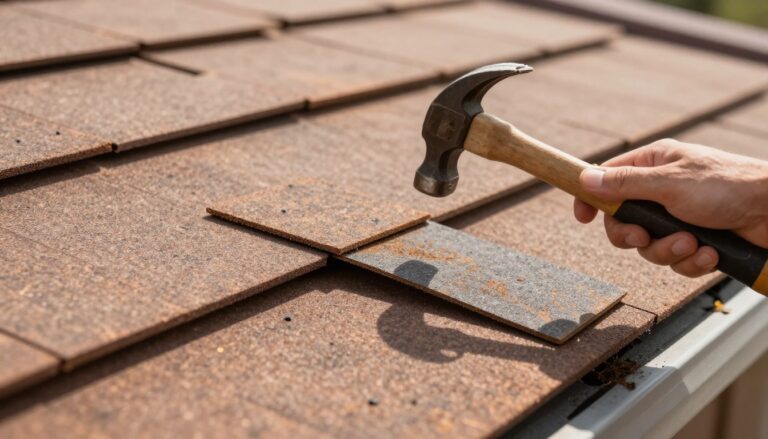
That argument is common on TPO, EPDM, modified bitumen, and metal systems with many seams or rooftop units. It also appears when a commercial roof needs repair and the adjuster labels the problem as maintenance, not sudden damage. If earlier patches used mixed materials or trapped moisture, the carrier may call the loss preventable.
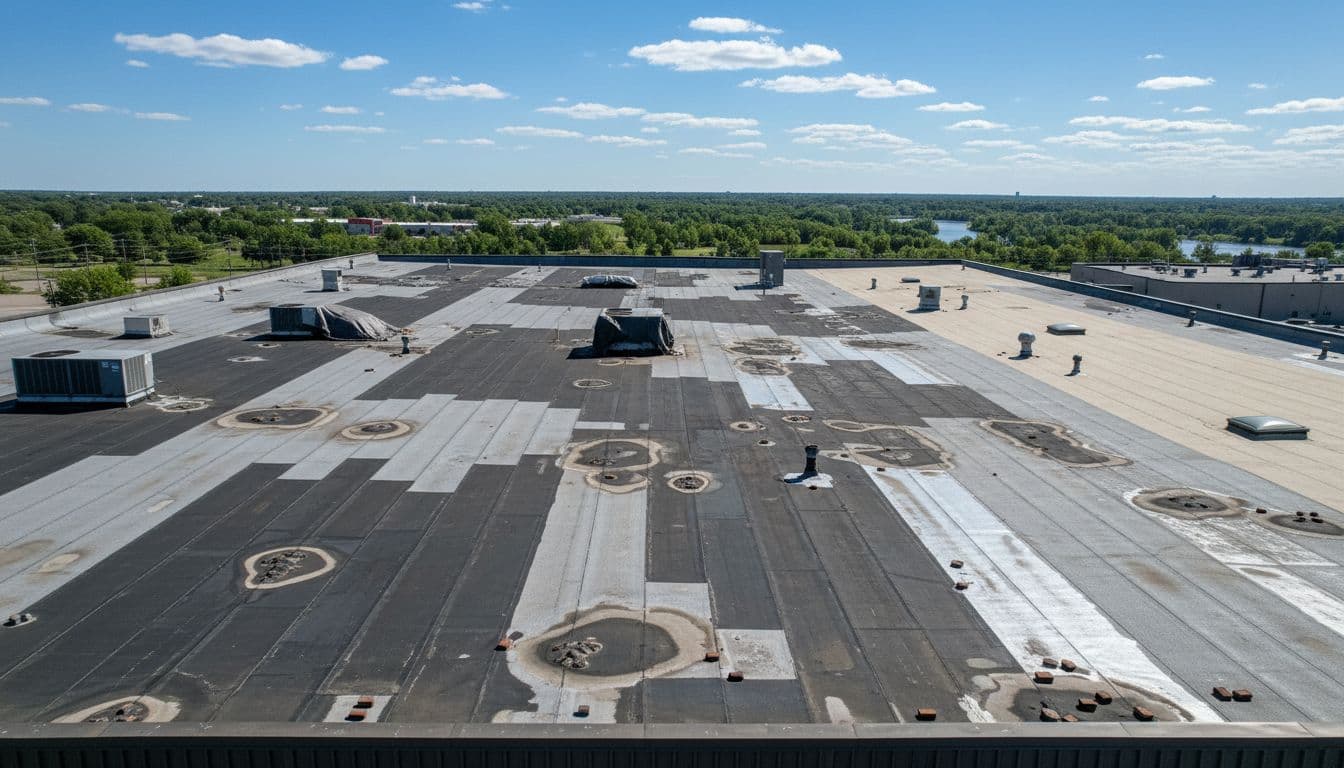
Previous repairs matter only when the insurer can show they caused the loss or made it worse.
When it does not apply, and the exceptions
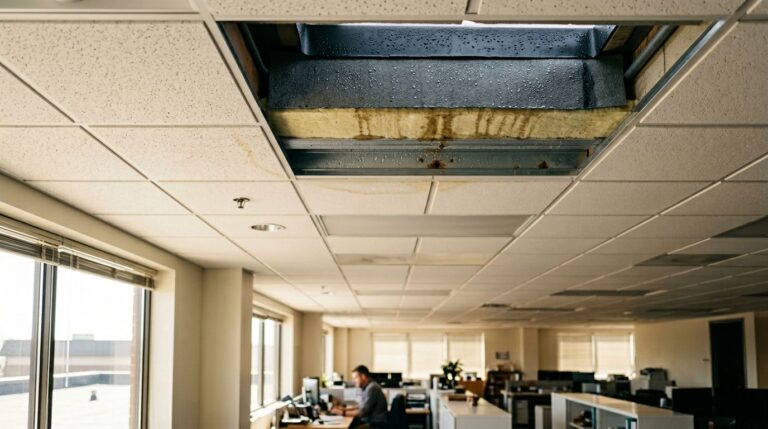
A past patch does not erase coverage for a new hail strike, wind tear, or puncture in a different area. The same is true when prior work held up for years and no leak appeared until a covered event. If water is still entering, leak documentation for insurance claims can help show where it started and how far it spread.
Covered damage can survive an old repair
Some claims should be paid in part, even if the roof has older weak spots. For example, a carrier might exclude one failed seam yet still owe for fresh storm openings, wet insulation, or interior damage tied to the new event. The real question is causation, not whether the roof was ever repaired. That is also why a targeted commercial flat roof repair may be enough in one case, while another loss points to full commercial roof replacement.
Step-by-Step
Read the denial before you answer
- Read the denial letter line by line. Highlight the exclusion, the date of loss, and the stated cause. If the carrier says prior repairs, find out whether it means faulty workmanship, old damage, wear and tear, or all three.
- Ask for the full claim file in writing. You want the adjuster report, photos, roof diagram, and any engineer findings. A short denial letter often leaves out the details you need to challenge it.
- Match the insurer’s timeline against your records. Pull service invoices, leak logs, maintenance reports, tenant complaints, and storm dates. If the roof was dry before the event, that fact matters.
Build proof before the file goes cold
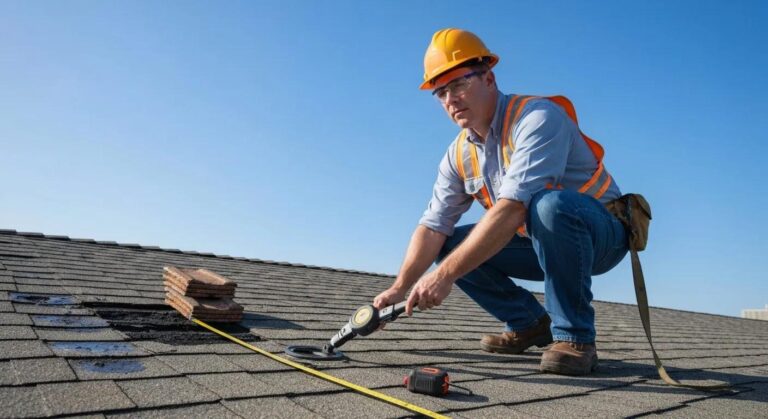
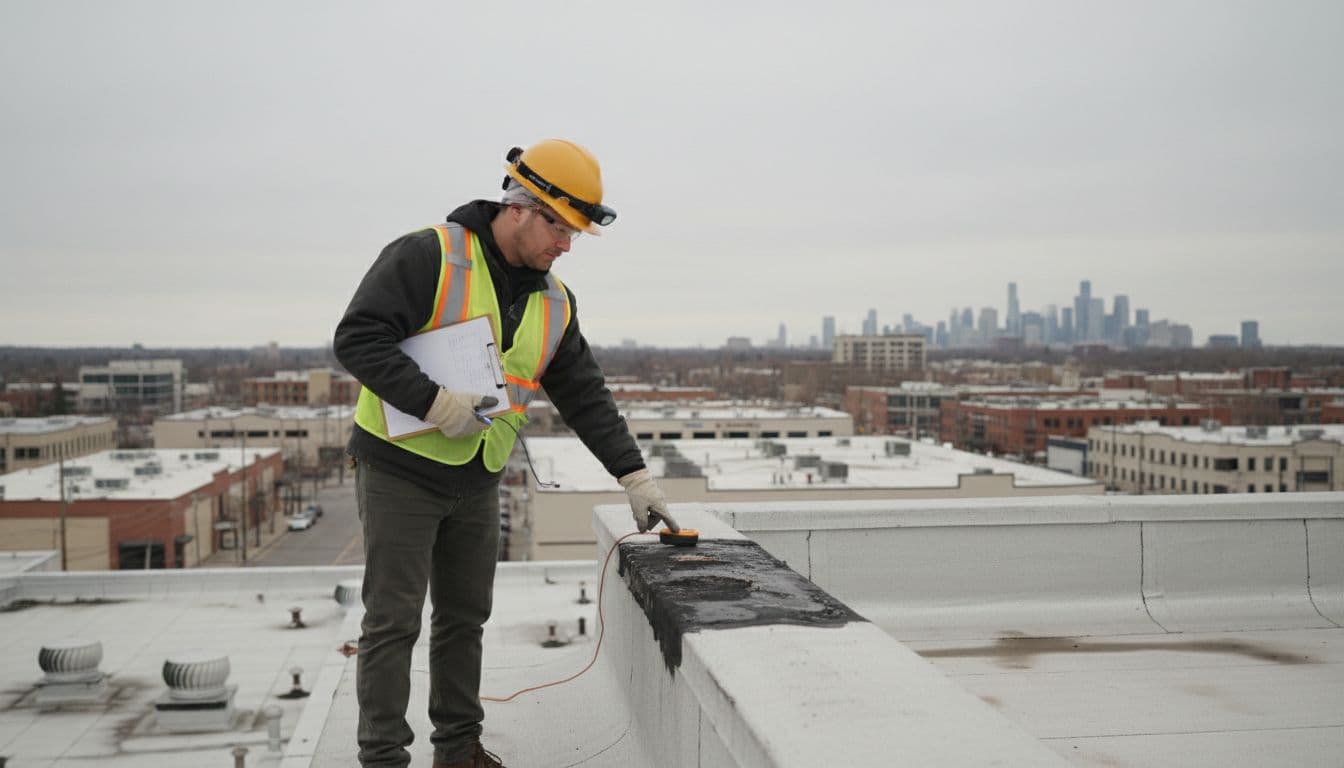
- Get an independent inspection from Saint Paul commercial roofing experts. Ask for moisture readings, close photos, and a clear opinion on cause. The report should separate old wear from fresh damage.
- Ask the inspector to define the proper scope. A small failure may call for a commercial flat roof repair. Widespread wet insulation, membrane shrinkage, or failed seams across the field may support commercial roof replacement instead.
- Mitigate more damage right away. Temporary dry-in work, interior protection, and leak tracing do not weaken your claim. They show you acted reasonably and kept the loss from growing.
Push for a revised decision
- Send a concise rebuttal with your evidence. Point to photos, dates, and policy language. If only part of the damage links to old repairs, ask for partial approval instead of accepting a full denial.
- Escalate if the dollars are high. Request a reinspection, use the appraisal process if the policy allows it, and consider coverage counsel for major losses. A roof claim denied at first review is sometimes reversed when the cause is documented better.
Conclusion
Previous repairs can give an insurer an argument, but not a free pass. The carrier still has to prove that old work, age, or excluded conditions caused the loss.
For commercial owners, the strongest response is a clean paper trail, a fast independent inspection, and evidence that separates old defects from new damage. When a roof claim is denied, the fight is usually about cause of loss, not whether your building ever had a patch.
Common questions after a denial

Can an insurer deny only part of a commercial roof claim?
Yes. A carrier may exclude one section tied to old repairs but still pay for separate storm damage, interior damage, or emergency dry-in work. Partial denials are common on large roofs because one cause rarely explains every affected area.
What if the roof was repaired by a prior owner?
That does not end the claim. Coverage turns on what caused the current damage and what the policy says, not on who hired the earlier roofer.
When the records are missing
Missing records make the dispute harder, but not impossible. Photos, moisture maps, tenant reports, and weather data can still build a timeline.
Will temporary repairs make the insurer say I admitted fault?
Usually no. Most policies expect you to protect the property after a loss. Keep invoices, photos, and notes so the carrier sees the repair as mitigation, not a hidden permanent fix.
What if the adjuster says the roof is too old?
Age alone does not decide coverage unless the policy has limits, exclusions, or actual cash value terms that apply. Older roofs can still suffer covered storm damage. The issue is whether the loss came from age, poor upkeep, or a covered event.
Should I repair the roof or replace it after a denial?
That depends on scope, moisture spread, and remaining service life. If the damage is isolated, repair may make business sense. If trapped water is widespread or the system has repeated failures, replacement may cost less over time.
Need a roof inspection in Saint Paul or the Twin Cities? Call Sellers Roofing Company at +1-651-703-2336 or schedule a free estimate. We are a black-owned, NMSDC-certified MBE roofing contractor with 9+ years experience.