Last updated: 2026-10-23 by Ted Sellers, Owner
Yes, sometimes, but only on a roof that meets Minnesota code and has the right structure beneath it. A roof overlay in Minnesota can work on some single-layer asphalt roofs, but not on roofs with two layers, soft decking, trapped moisture, or mixed materials. For commercial owners, that matters most on sloped entries, additions, and small office roofs.
When This Applies
A roof overlay in Minnesota is only worth considering when the roof has one existing layer, the deck is sound, and local approval is allowed. That sounds simple, but the details matter. If the roof hides rot, leaks, or sagging sheathing, another layer only seals in the problem.
When a roof overlay is allowed
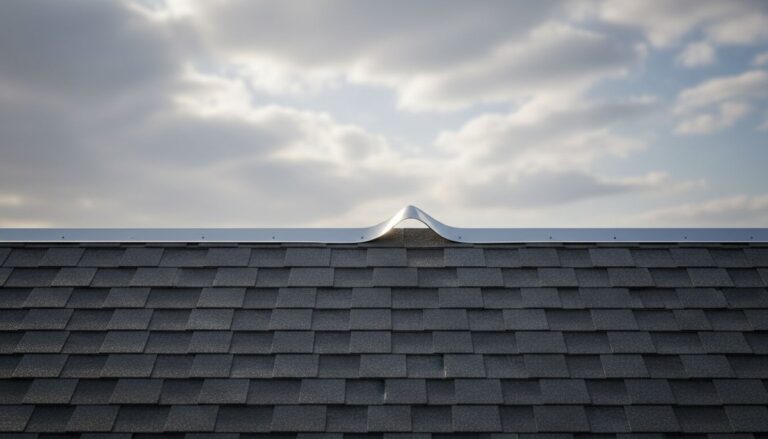
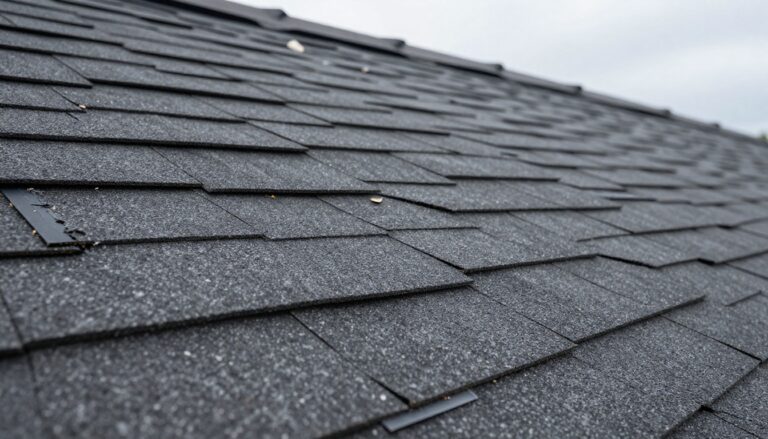
On an asphalt-shingle roof with one layer and solid backing, an overlay can be a code-compliant option in some Minnesota towns. The White Bear Lake roofing guidelines are a plain-language example of the basic rule, two or more asphalt layers are not allowed.
A clean single-layer roof may accept another layer when the shingles still lie flat, the structure is sound, and the local inspector approves the work. That can save tear-off labor on a small building, but it only works when the roof below is dry and stable.
When it is not allowed
Once a roof already has two asphalt layers, the answer is no. The same goes for roofs with soft decking, active leaks, sagging spots, or visible decay under the shingles. In those cases, new shingles only hide damage that still needs to be fixed.
If the roof already has two asphalt layers, the answer is no, even if the top layer looks fine from the ground.
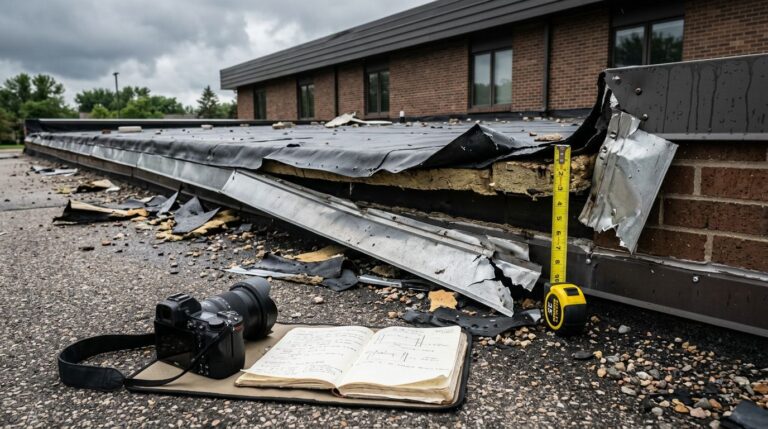
For a business property, that rule can change the whole scope. A shingle section that looks tired may need full tear-off, while a membrane roof section may need commercial flat roof repair or a larger replacement plan instead.
Why commercial roofs need a different lens
Many commercial buildings do not have shingles across the whole roof. They may have shingles on a small slope, then membrane or metal on the main roof field. That mix changes the decision. If your commercial roof needs repair on a shingled entry or dormer, an overlay may be possible. If the flat section is failing, shingles are not the answer.
Hidden moisture matters too. Water can move under the surface long before stains show inside. When that happens, professional commercial roof leak detection can show whether the roof has a clean base for another layer or needs a deeper fix.

Step-by-Step
If you want the right answer, start with the roof itself, not the sales pitch. Layer count, moisture, structure, and local code all matter. The price only makes sense after those four checks.
-
Confirm how many layers are already there
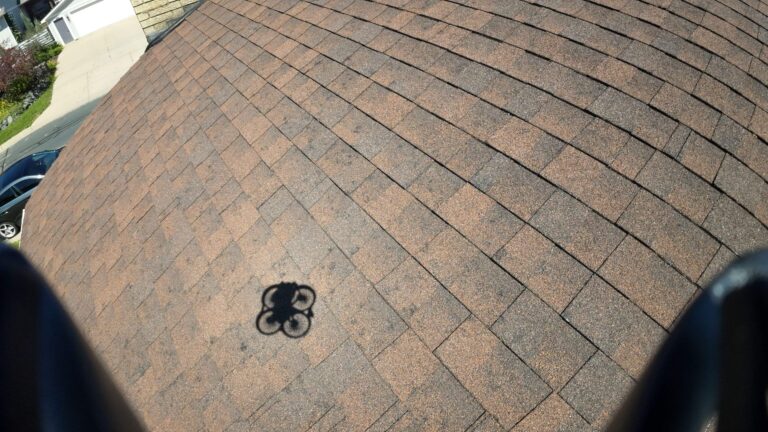
Look at the eaves, rake edges, and any exposed tear points first. A single layer is the only setup that can sometimes accept another one. Two layers end the discussion.
If you cannot tell by sight, bring in a roofer who knows the local code and the building type. A commercial roofing services in St. Paul inspection can confirm the layer count, flashing condition, and deck strength before you spend money on materials. 2. ### Inspect the deck, ventilation, and moisture
A roof can look fine from the street and still be bad news underneath. Soft sheathing, loose nails, mold smell, or ceiling stains all point to trouble below the shingles. An overlay covers that damage, but it does not solve it.
When moisture is hidden
If the roof feels sound in one area but leaks show up in another, moisture may have traveled along the deck or insulation. That is a sign to pause. Once water is trapped, another layer can make later repairs harder and more costly. 3. ### Compare overlay, repair, and tear-off costs
A cheap overlay is not always the best value. If the damage is small, a targeted repair can be enough. If the sloped section has wide wear but the deck is still solid, an overlay may help. If the roof is near the end of its life, tear-off may win.
| Option | Best fit | Main concern |
|---|---|---|
| Roof overlay | One asphalt layer, sound deck, local approval | Can hide defects and add weight |
| Commercial flat roof repair | Limited damage on membrane or low-slope sections | Doesn’t solve broader roof aging |
| Commercial roof replacement | Two layers, soft decking, repeated leaks | Higher upfront cost |
The lowest bid is not always the lowest long-term cost. Repeated fixes can cost more than one clean replacement. 4. ### Check the local code before anyone signs
Minnesota roofing rules are not loose suggestions. They control what can stay and what must come off. Some cities require prior inspector approval before an overlay goes on. Others are stricter once a roof reaches its layer limit.
If you are comparing bids, ask each contractor how they plan to handle code compliance, permits, and inspection timing. A clear answer matters more than a fast promise. It also keeps a future dispute from turning into a delay. 5. ### Protect the claim file if insurance is involved
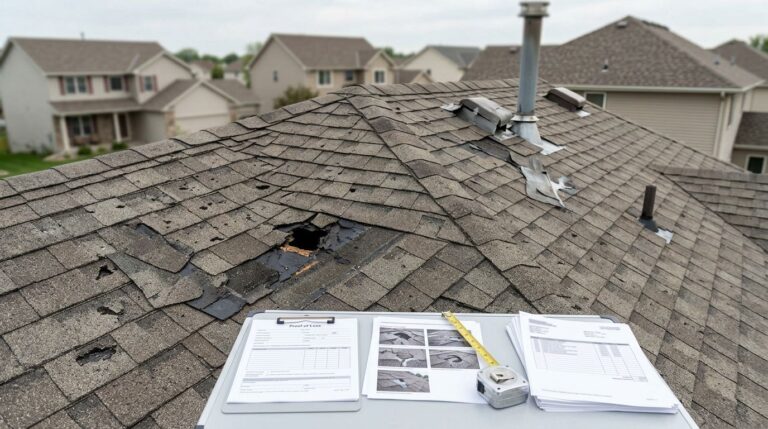
If the roof was damaged by wind, hail, or a leak event, document it before permanent work starts. Take photos, keep receipts for temporary dry-in work, and save moisture readings or notes. Temporary protection does not hurt the claim. It shows you acted fast.
If the insurer approves a small fix but the roof team later finds broader damage, the scope may need revision. That is common when a roof starts as a repair job and turns into a bigger rebuild. A roof overlay only makes sense when the evidence still supports it.
Common Questions About Roofing Overlays in Minnesota
Is a roof overlay cheaper than tear-off?
Usually, yes, at the start. You save on labor, disposal, and cleanup. That lower price can be misleading if the roof hides rot, trapped moisture, or bad flashing. A tear-off costs more up front, but it gives you a clear view of the deck and a cleaner base for the next roof.
Can I overlay shingles on a commercial building?
Sometimes, but only on sloped sections that use asphalt shingles. Most commercial roofs are low-slope and use membrane or metal systems, so shingles do not apply there. If the main roof is flat, the fix is usually commercial flat roof repair or a full replacement, not another shingle layer.
What if the roof has a small leak?
A leak changes the picture fast. Even a small one can mean wet insulation, bad flashing, or hidden deck damage. If the stain keeps coming back, get the source traced before you cover the roof. An overlay over an active leak often turns a small problem into a larger one.
Does a prior repair stop me from overlaying?
No, but it may affect the decision. A good past repair does not matter much if the roof is now dry, sound, and within code limits. A bad patch, trapped moisture, or recurring seam failure points the other way. In that case, a new layer may hide old work that should come off.
Will an overlay cause problems later?
It can if the roof was not ready for it. Extra weight, hidden defects, and missed moisture can shorten roof life and raise future repair costs. That matters for resale too, because buyers often ask how many layers are on the roof and whether the deck was ever exposed during replacement.
Conclusion
A roof overlay in Minnesota is only a good idea when the roof has one asphalt layer, the structure is sound, and local approval is allowed. Once you have two layers, soft decking, or hidden moisture, the safer answer is tear-off.
For commercial owners, the right call often depends on the whole building, not one shingle section. A small sloped area may be a fit for overlay, while the rest of the roof needs commercial roof replacement or a different repair path.
If the roof already looks patched together, the real question is simple: does it still have a clean, code-compliant base for another layer, or is it time to start over? Review our residential roof replacement service to compare the full project scope.
Need a roof inspection in Saint Paul or the Twin Cities? Call Sellers Roofing Company at +1-651-703-2336 or schedule a free estimate. We are a black-owned, NMSDC-certified MBE roofing contractor with 9+ years experience.