Last updated: 2026-08-01 by Ted Sellers, Owner
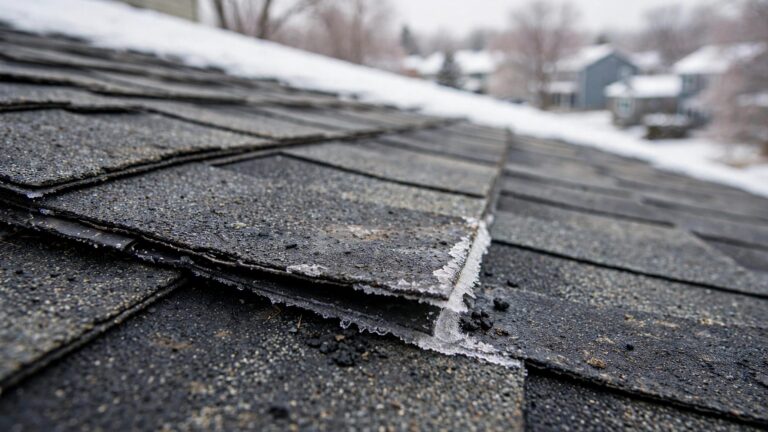
Bathroom fan roof vent leaks usually show up as ceiling stains, drips at the fan grille, wet insulation, or rust around the roof cap. In Minnesota, snow, ice, and freeze-thaw cycles often crack flashing or sealant around the vent, so a small drip can point to a bigger roof issue fast.
When This Applies
This fits most low-slope commercial buildings with restroom exhaust vents
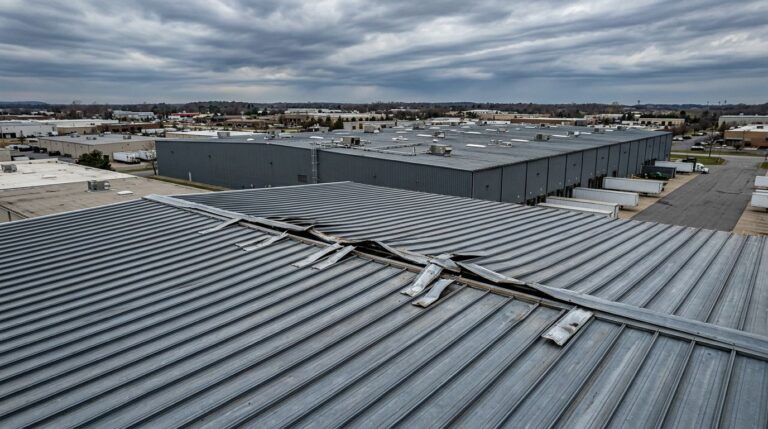
This applies to offices, retail buildings, schools, churches, warehouses, and mixed-use properties with bathroom exhaust fans that vent through the roof. It matters most on low-slope roofs, because water can travel before it shows inside.
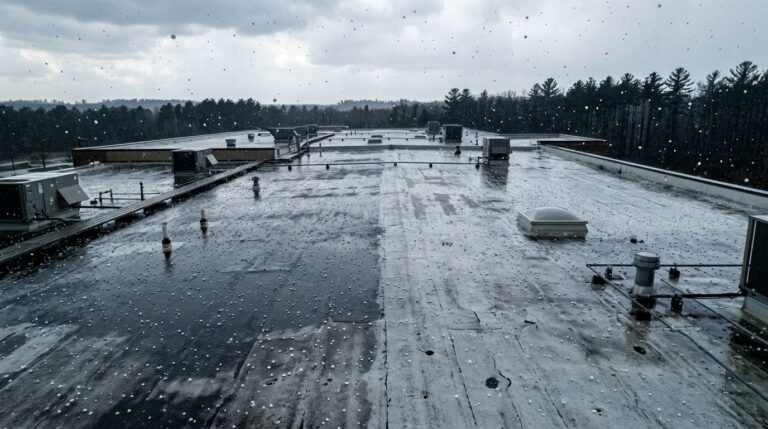
For building owners, that travel matters. One bad vent detail can soak insulation, stain ceiling tiles, and disrupt occupied space before anyone knows where the water started. It also applies to TPO, EPDM, modified bitumen, and metal roof areas around the vent.
Signs the vent is likely the source
If the stain sits near a restroom fan, the roof vent is a strong suspect. That goes double after wind-driven rain, rapid snowmelt, or ice buildup around the cap. Common clues include peeling paint, a rusty grille, drops during storms, cracked sealant, loose flashing, or dark moisture marks near the roof penetration.
A strong field clue is timing. When the leak shows up only during rain, treat the vent and flashing as likely suspects, much like the cases described in vent leaks during rain.
When this does not apply
Some leaks near a fan aren’t roof leaks at all. A cold, uninsulated duct can collect condensation and drip after heavy bathroom use. A nearby HVAC curb, plumbing vent, or roof drain can also send water toward the same ceiling area. In short, the fan may be the messenger, not the cause.
Step-by-Step
How to check it without guessing
Start inside, then confirm the roof detail. If your building has tenants or staff on site, document what you see before anyone opens ceilings or adds caulk.
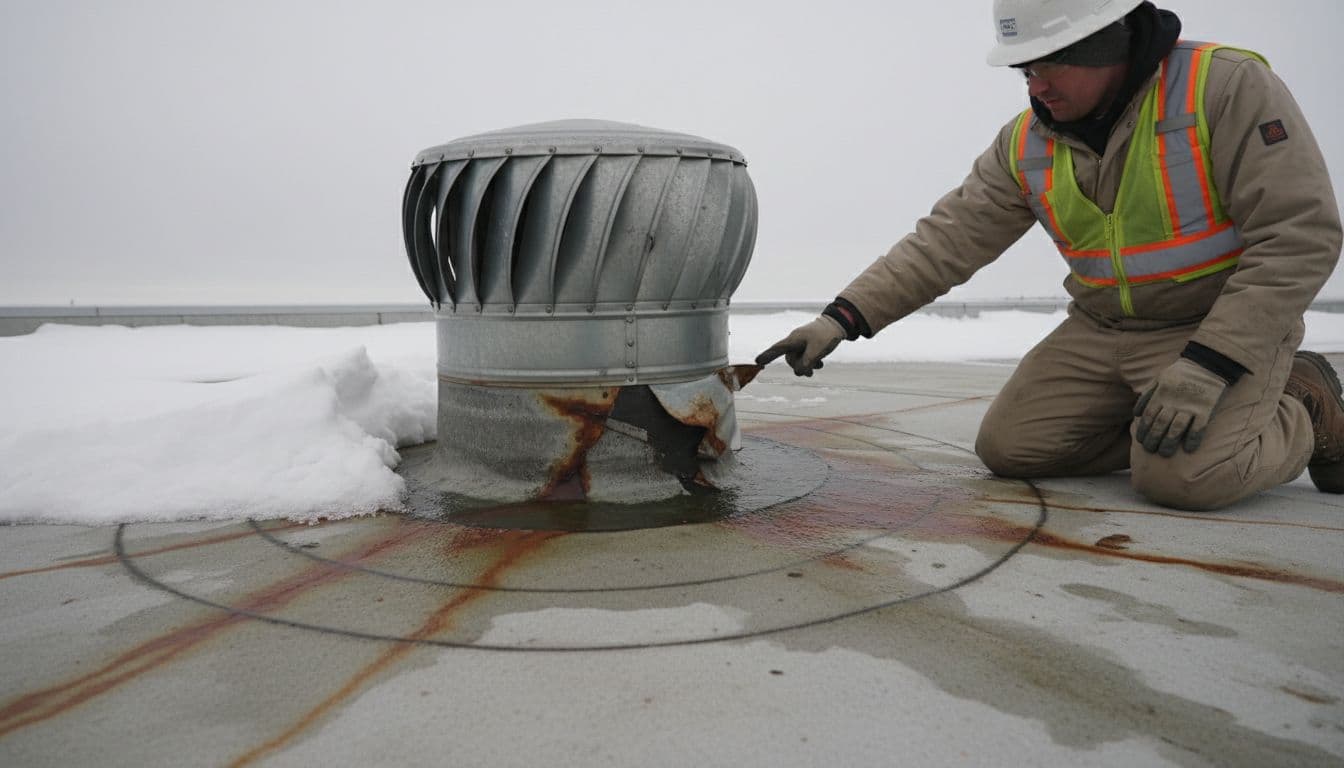
On a flat roof, the drip point and the entry point often don’t match.
- Track the timing. If water shows up only during rain or thaw, the roof penetration or flashing is the first place to inspect. If it drips after long hot showers on cold days, condensation moves higher on the list.
- Check the room below. Look for brown rings, sagging ceiling tiles, peeling paint, musty odor, or rust on the fan cover. Also ask staff when the leak started, whether wind direction matters, and if it stops once the storm passes.
- Inspect the duct path above the ceiling. If you can safely access the plenum, look for wet insulation, loose duct joints, or an unwrapped metal duct. For a simple explanation of condensation problems, see why a bathroom fan drips water.
- Inspect the roof vent and surrounding membrane. On a dry day, check the cap, curb, flashing, storm collar, and sealant. Snow packed against the vent, corrosion, split membrane, or ponding water nearby can all point to failure.
- Verify the real entry point. Low-slope systems let water move sideways, sometimes several feet. That’s why commercial roof leak detection Saint Paul makes sense when the nearby seam, drain, or curb might be involved too.
- Choose repair or replacement based on scope. A failed vent boot or flashing detail may call for targeted commercial flat roof repair. Repeated wet insulation, multiple nearby leaks, or an aging membrane usually mean the commercial roof needs repair beyond the vent itself. When damage spreads, a broader review of Saint Paul commercial roofing services can help compare patching costs with a planned commercial roof replacement.
FAQ
Can a bathroom fan roof vent leak show up away from the fan?
Yes. Water can travel across deck flutes, insulation, or the roof membrane before it drops into the ceiling. That’s common on flat and low-slope buildings, so the stain doesn’t always mark the real hole.
Should I wait if the stain dries out after the storm?
No. Intermittent leaks still wet insulation and decking. Then the surface dries while damage keeps building below. Waiting often turns a small flashing repair into interior ceiling work, mold cleanup, or broader roof repair.
Can snow and ice cause a vent leak even if the cap looks intact?
Yes. Minnesota winter can push water under flashing, freeze old sealant, and hold moisture against the curb.
What winter changes usually cause it?
Ice, drifting snow, and repeated freeze-thaw cycles open tiny gaps. Those gaps may stay hidden until the next melt or wind-driven rain.
Is adding caulk around the vent a good fix?
Only as a very short-term stopgap. If flashing is loose, the curb is poorly tied into the membrane, or the metal has rusted through, more caulk won’t solve the problem. It may also hide the leak path and delay the right repair.
When is replacement smarter than another repair?
If the roof is older, the insulation is saturated, or nearby penetrations are failing too, replacement often makes better financial sense. At that point, the vent leak is just the symptom. The bigger issue is a roof system that keeps needing service.
A bathroom fan drip might look minor, but Minnesota weather can turn a small vent failure into a bigger loss fast. Track when it happens, inspect both the duct and the roof, and confirm the source before anyone patches it. Early action usually means a smaller bill, less downtime, and fewer surprises.
Need a roof inspection in Saint Paul or the Twin Cities? Call Sellers Roofing Company at +1-651-703-2336 or schedule a free estimate. We are a black-owned, NMSDC-certified MBE roofing contractor with 9+ years experience.