Last updated: 2026-08-01 by Ted Sellers, Owner
Brittle shingles insurance claims in Minnesota usually fail when asphalt shingles are breaking down from age, sun, or poor upkeep. Insurance can pay when a covered storm, like hail or wind, caused the breakage and the shingles can no longer be repaired. A commercial roof needs repair for many reasons, but only some of them belong in a policy claim.
The real question is simple: did a covered event damage a roof that still had usable life left, or did normal wear do the damage? That answer decides whether the roof insurance claim gets paid, reduced, or denied.
Key Takeaways
- Insurance pays for brittle shingles only when a covered storm like hail or wind caused the breakage on a roof with usable life left; age, sun, or poor upkeep alone leads to denial.
- Prove the claim with storm dates, photos, weather records, and damage patterns like hail bruises or torn tabs; a brittle test on a cold day is weak evidence by itself.
- Separate shingle sections from flat roofs, match scope to damage for repair vs. commercial roof replacement, and submit a clean package with policy-based proof.
- Older roofs often settle on actual cash value with depreciation; if denied, request written reasons and consider a second inspection.
When This Applies
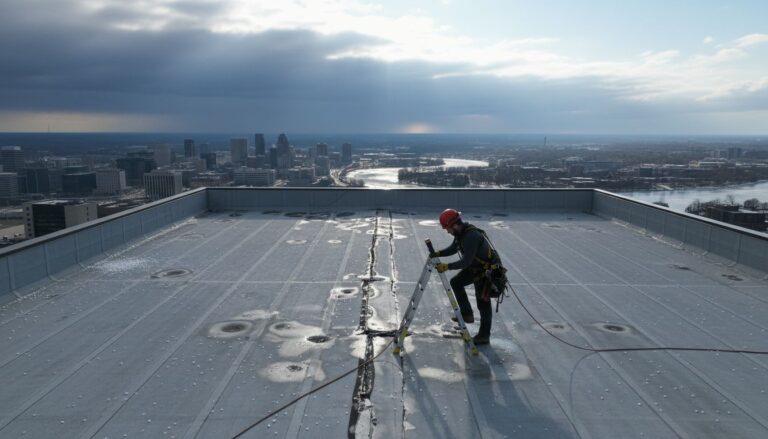
This question applies when a shingle roof on a home, office, retail building, church, or mixed-use property failed after recent storm damage or wind damage. The issue affects both three-tab shingles and architectural shingles. It also applies when the roof looked fine from the ground, but shingles broke during an inspection or repair. If your building has both pitched shingles and a low-slope section, the claim should split those systems apart. A commercial roofing contractors in Saint Paul review can keep the shingle side separate from the membrane side.
When brittle shingles can still be covered
Insurance may pay when hail damage, wind, falling debris, or another covered event caused the shingles to crack, tear, or lift. In that case, the age of the roof does not erase coverage by itself. The carrier still wants proof that the storm, not slow decay, created the loss.
That is why a brittle shingles insurance claim has to show timing, damage pattern, and cause. If the damage showed up right after a storm and the roof was still serviceable before that event, the claim has a real chance.
When it usually does not apply
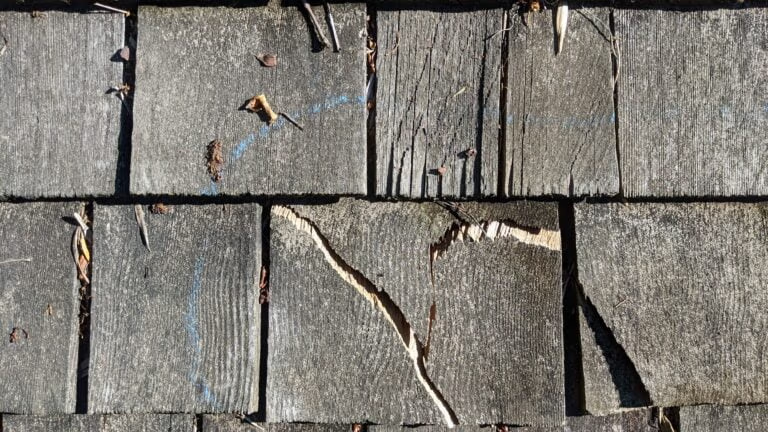
Coverage usually does not apply when shingles are brittle because they are old, sun-baked, poorly ventilated, or patched too many times. A shingle that cracks on a cold morning is weak evidence by itself, because temperature changes how it flexes. For a closer look at that problem, Insurance Journal’s caution on the brittleness test for shingles, including the brittle test, is worth reading.
A shingle that snaps on a cold day is not proof of a covered loss.
If there is no storm date, no impact mark, and no fresh leak path, the carrier will often treat the roof as a maintenance issue.
What Insurers Look For
Signs of a covered event
The insurance adjuster looks for hail bruises, torn tabs, lifted edges, and damage that lines up with the storm-facing slope. They also want weather records, photos taken soon after the storm, and a professional roof inspection that connects the damage to one event. If you want a quick refresher on deductible math and claim setup, the Minnesota hail claim guide is useful.
They also look at whether the roof still had estimated useful life left before the storm. If it did, and the storm clearly changed the roof, coverage becomes more likely.
Signs of age or maintenance
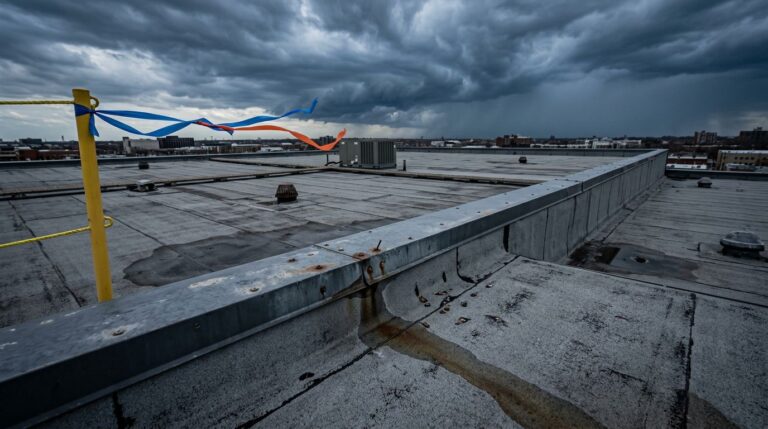
Carriers also look for signs of wear and tear or lack of maintenance, such as curling, heavy granule loss across the whole roof, old sealant, soft spots from long-term leaks, and patchwork that shows repeated maintenance problems. When those signs dominate, the roof may still need work, but the bill usually stays with the owner.
Carriers pay for the cause of loss, not for roof age alone.
When the evidence points to decline instead of sudden damage, the claim may shift away from repair money and toward commercial roof replacement as an out-of-pocket project if the structural integrity is compromised.
Step-by-Step
1. Read the policy language and the payment basis
Start with the insurance policy, not the roofer’s guess. Check the deductible amount, coverage exclusions for wear and tear, and whether the roof pays on replacement cost or actual cash value. That detail matters because an older roof often gets an ACV payment first, which reflects age and wear.
If depreciation is recoverable, more money may come after the work is done and documented. A first check that looks small is not always the end of the claim.
2. Prove the shingles were damaged by a covered event
Gather photos, the storm date, weather reports, and a contractor inspection. Look for broken tabs, creased shingles from wind effects, fresh impact marks, or a damage pattern that matches the storm path. If the only proof is a shingle that broke when lifted on a cold day, the carrier may say the roof was already brittle.
Cold weather changes the reading
Minnesota temperatures matter. Shingles stiffen in the cold, so a roof can seem more fragile than it is. That is why the timing of the inspection matters as much as the test itself.
A brittle result without storm evidence does not prove coverage. The carrier wants the cause, not just the crack.
3. Match the scope to the roof system
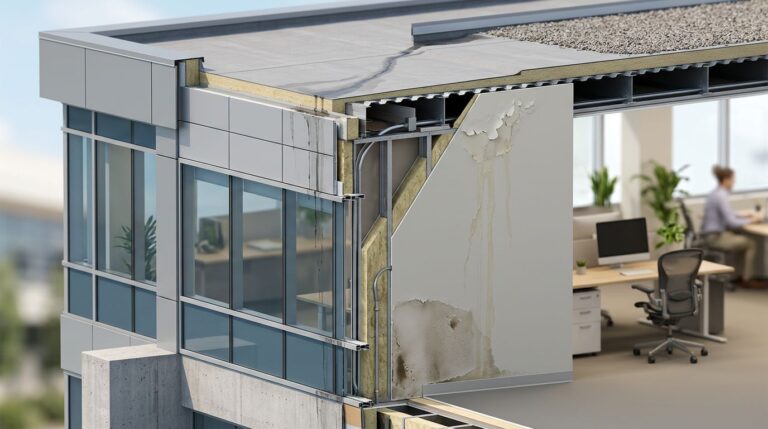
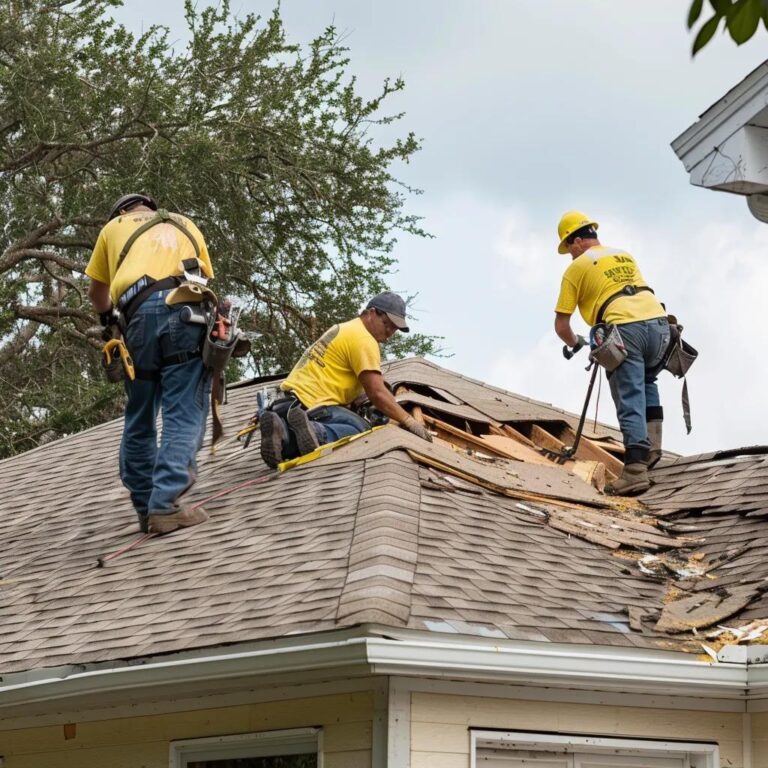
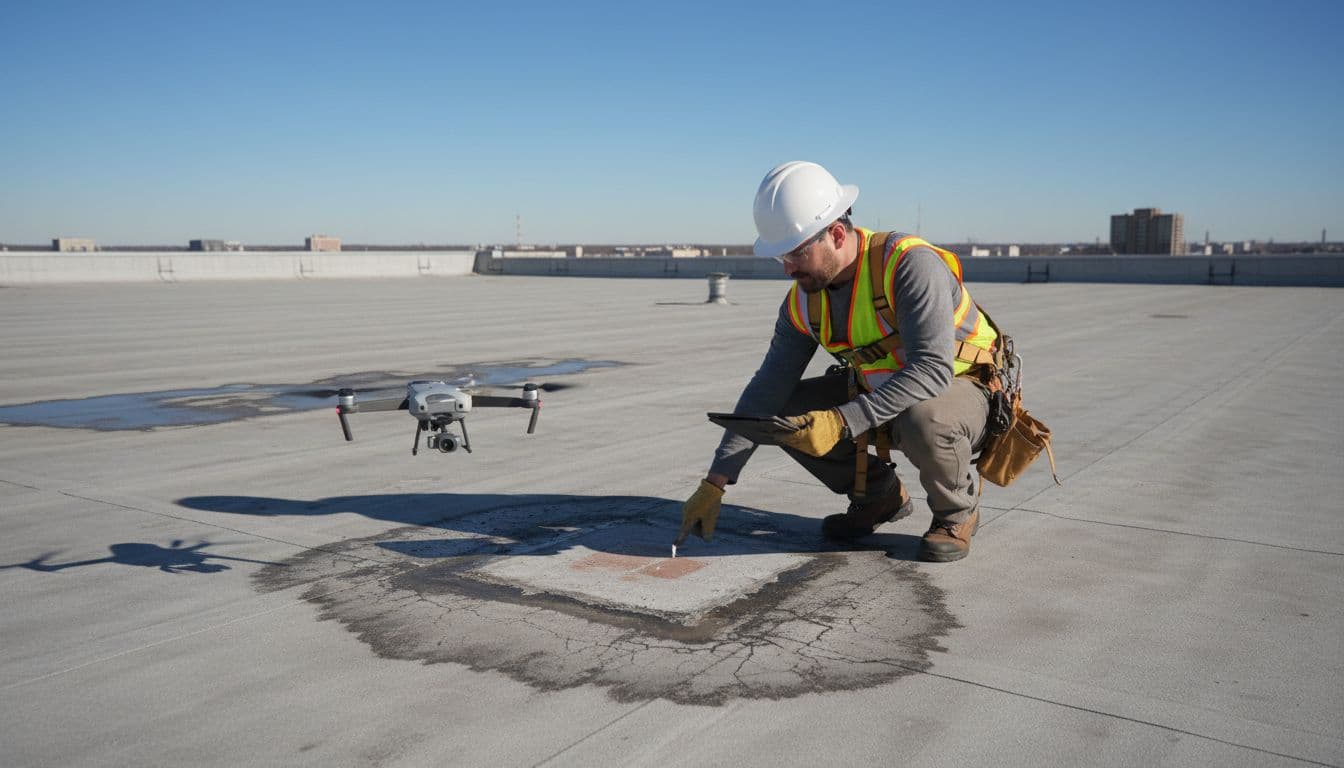
Consider repair vs replacement when matching the scope to the damage. If the damage is limited to a few shingles and the deck is dry, repair may be enough. If the damage covers several slopes, the roof is soft, water has reached the deck, or you spot loss of adhesion, full roof replacement may make more sense. A separate membrane section is a different problem and may need professional commercial roof leak detection before anyone calls it a shingle claim.
On mixed buildings, commercial flat roof repair and shingle work should be priced separately. The commercial roof needs repair, but each system should be judged on its own damage.
4. Submit a clean claim package and ask for a written answer
Send one claim documentation package with photos, dates, weather records, repair history, and the roofer’s estimate. Ask the carrier to show what it accepted, what it cut, and why. If the file supports replacement, say why a patch will not hold. If the carrier underpays, ask for the missing items in writing.
That approach keeps the claim focused on proof. It also gives you a better shot at a reinspection if the first scope was too small.
Conclusion
Minnesota insurance does not pay because shingles are brittle. It pays when a covered event broke a roof that still had usable life left. When age, sun, or old repairs caused the failure, the claim usually lands on the owner. When a storm caused the loss, coverage may apply, sometimes with depreciation held back at first.
The cleanest claims use dates, photos, weather records, and a scope that matches the roof system, often with help from a roofing contractor to document the loss. That is the difference between a claim denied for brittle shingles without storm proof and a paid loss. A commercial roof needs repair or roof replacement for plenty of reasons, but only storm damage belongs in an insurance file.
FAQ
Can hail damage brittle shingles and still be covered?
Yes, if hail damage caused the breakage and the roof was not already failing from age. The carrier will look for impact marks, broken tabs, and a storm date that matches the damage. If the roof was already brittle and the storm did not change the condition, coverage is much less likely.
Will insurance pay for replacement or only repair?
That depends on the scope and the policy. Small, isolated damage may get a repair payment. If the asphalt shingles are too fragile to patch from hail or wind damage, the deck is wet, or the damage spreads across the roof, the claim may move toward commercial roof replacement.
Does a brittle test prove my claim?
No. A roof that cracks during a cold-day lift may still be old rather than storm-damaged. Insurers want more than a lift test. They want evidence of the event, the damage pattern, and the roof’s condition before the storm.
What if my roof is older than 20 years?
Older roofs are harder to claim because carriers often see age, not sudden loss. Many older roofs are paid on actual cash value first, which means depreciation comes out of the settlement. That does not make every claim impossible, but it does raise the proof bar.
What if my building has shingles and flat roof sections?
Treat them separately. Shingle damage follows one line of proof, while membrane leaks may call for commercial flat roof repair and leak tracing. On a mixed building, insurers may hire forensic engineers for complex cases, so a separate inspection keeps the claim cleaner.
What should I do if the insurer denies the claim?
Ask for the denial reason in writing and compare it with the roofer’s photos and estimate. If the carrier says the roof failed from wear or improper installation, look for storm evidence, timing, and any missed damage. A second inspection can help when the first scope missed the real problem. For a large claim that seems unfairly denied, consult an insurance claims attorney.
Need a roof inspection in Saint Paul or the Twin Cities? Call Sellers Roofing Company at +1-651-703-2336 or schedule a free estimate. We are a black-owned, NMSDC-certified MBE roofing contractor with 9+ years experience.