Last updated: 2026-08-01 by Ted Sellers, Owner
Usually, no, when it comes to hail damage insurance denial in Minnesota. An insurance company cannot simply relabel property damage from hail on a commercial roof as “mechanical damage” to avoid a covered claim. The insurance company can still deny or reduce payment if the loss is really wear and tear, cosmetic damage, poor maintenance, or an insurance policy exclusion, so the wording and the proof decide the outcome.
Key Takeaways
- Insurance companies cannot simply relabel hail damage as “mechanical damage” to deny claims; sudden impact patterns, photos, moisture readings, and core cuts prove storm loss over wear or maintenance.
- Read the denial letter closely, gather date-stamped proof like storm dates and maintenance logs, and get a second inspection from a commercial roofer to separate fresh hail from old issues.
- File a supplemental claim to correct missed covered work like wet insulation or damaged flashing—tie each item to the storm with evidence, without padding for upgrades.
- Choose repair for isolated damage on sound roofs or replacement for widespread hail impact; the roof’s condition and documentation decide fair payment under the policy.
When This Applies
When insurers try to relabel hail damage
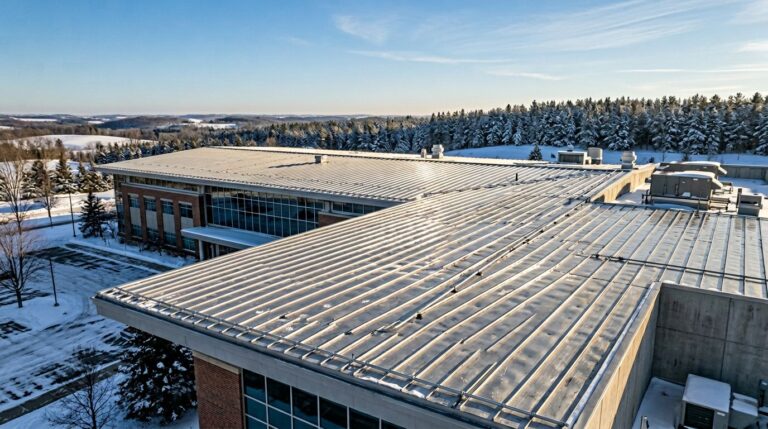
This issue comes up most often after a storm hits a flat or low-slope roof and the roof damage is not obvious from the ground. An insurance adjuster may point to dents, seam movement, bruised membrane, or worn-looking flashing and say the roof failed from age or some kind of mechanical issue.
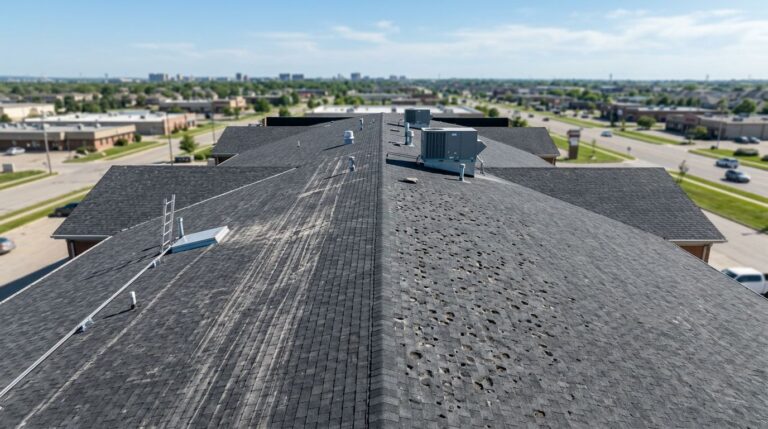
That argument gets weaker when the roof shows a sudden impact pattern. Hail damage is a storm loss, not normal use. When filing an insurance claim, if hail opened seams, punctured a membrane, or crushed edge metal, the roof is telling a different story than the denial letter.
For Minnesota owners, the practical question is simple. Did the roof lose its weather barrier because of hail-induced roof damage, or did it fail for some other reason? That distinction matters more than the label the insurance adjuster chooses. A helpful starting point is a focused review of commercial hail damage coverage in Minnesota.
When “mechanical damage” may be the right label
There are times when a mechanical label is fair. If a rooftop unit, maintenance crew, forklift lift, or other equipment caused the harm, the loss may not be hail at all. The same goes for damage tied to old workmanship problems or long-term neglect.
A metal roof can create another wrinkle. Some insurance policies deny payment for dents that are purely cosmetic damage, especially when the panel still sheds water and the roof system still works. (This differs from standard homeowners insurance, which may handle such issues differently.) For a closer look at that issue, see this discussion of cosmetic damage exclusions.
Cosmetic dents on metal roofs
A dent alone does not always mean a covered repair. If the insurance policy excludes cosmetic damage or appearance-only issues, the carrier may deny that part of the insurance claim. But if hail caused structural damage like cracking the coating, loosening fasteners, or damaging seams, the claim is no longer about looks alone.
Prior leaks and old repairs
Old leaks do not erase a new hail loss. They do give the insurer a reason to ask harder questions, though. If prior patches failed, the carrier may try to frame the current problem as maintenance when reviewing your insurance claim.
That is where a commercial roof leak detection inspection helps. It can show where water entered, how far it traveled, and whether the damage fits a storm event or a slow aging problem.
Step-by-Step
1. Read the denial letter line by line
Start with the exact wording in the denial letter. Look for phrases like mechanical damage, wear and tear, cosmetic damage, prior repair, or maintenance issue. Those words tell you what the insurance company is relying on in your insurance claim.
Next, ask the insurance company for the full claim file and a written explanation in writing. You want the adjuster notes, photos, roof diagram, and any engineer report. A short denial letter often leaves out the real reason behind the insurance claim denial.
If the insurance company says the roof was only dented, check whether the denial ignores punctures, seam lift, wet insulation, or damaged flashing. On a commercial roof, those details matter more than a broad label from the insurance policy.
2. Build proof that the roof was hit
Good proof beats a vague denial. Collect date-stamped photos tied to the date of loss, storm dates, close-up images of impact marks, and any maintenance records that show the roof was dry before the event. Add moisture readings, field measurements, and core cuts if the roof is already open.
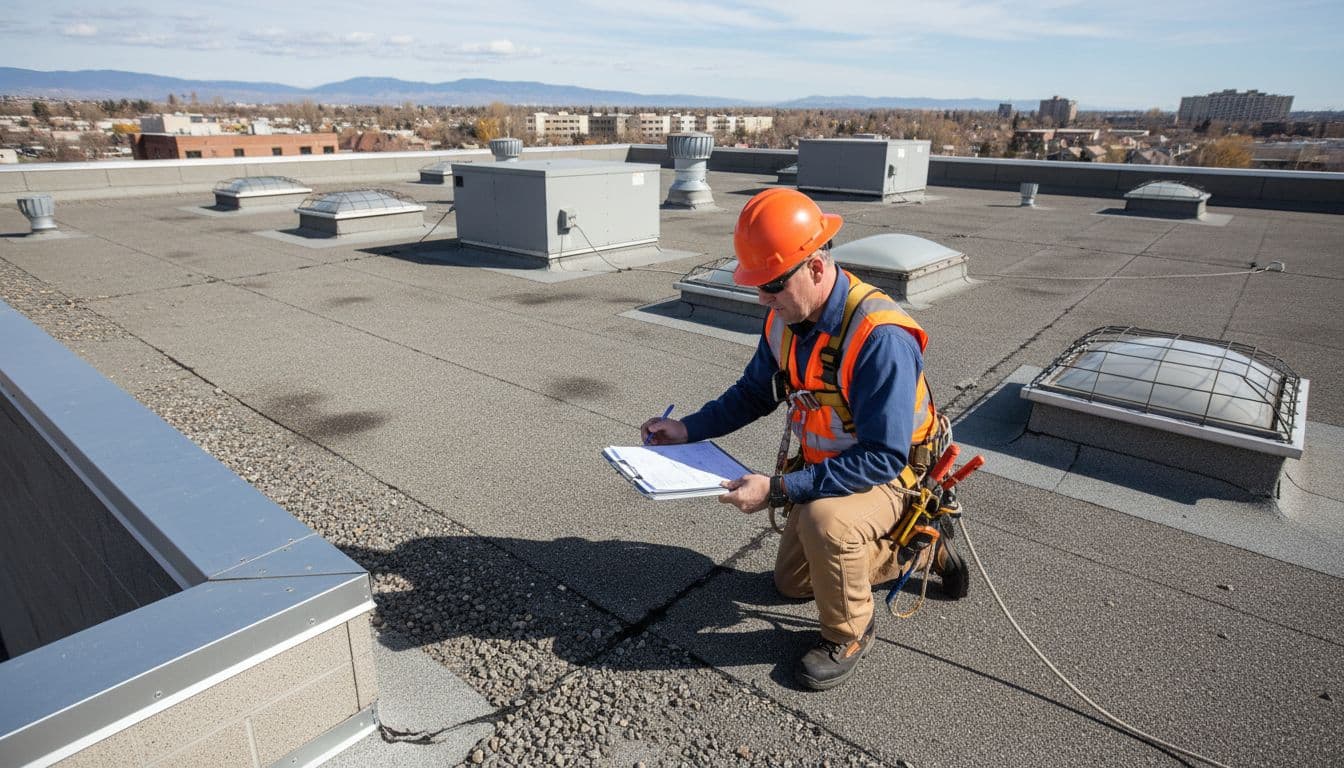
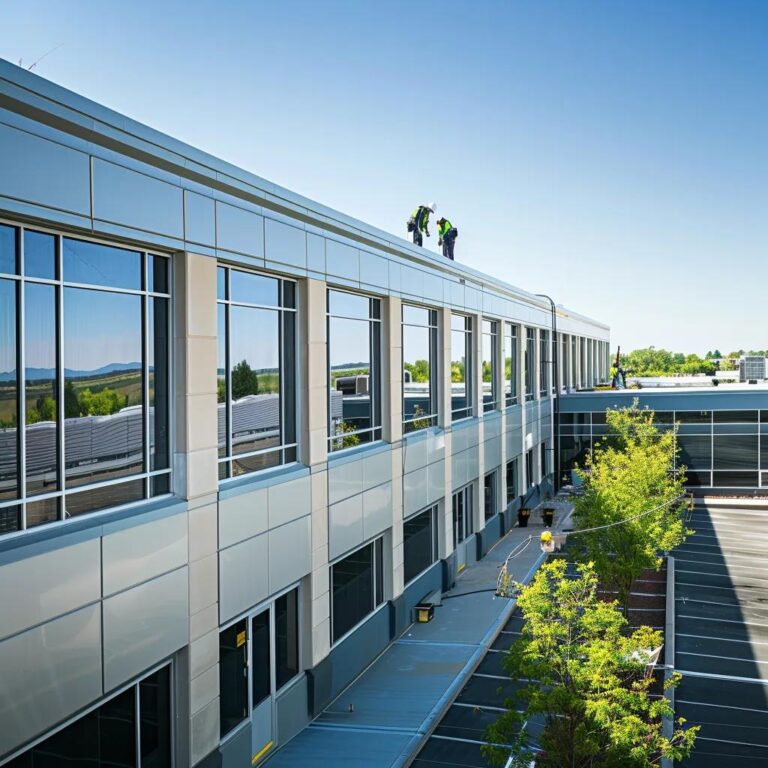
A good inspection starts with the roof itself.
Hidden damage often shows up later
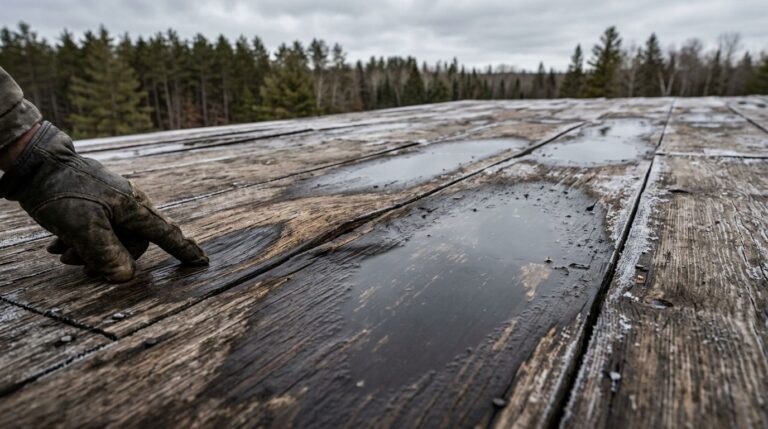
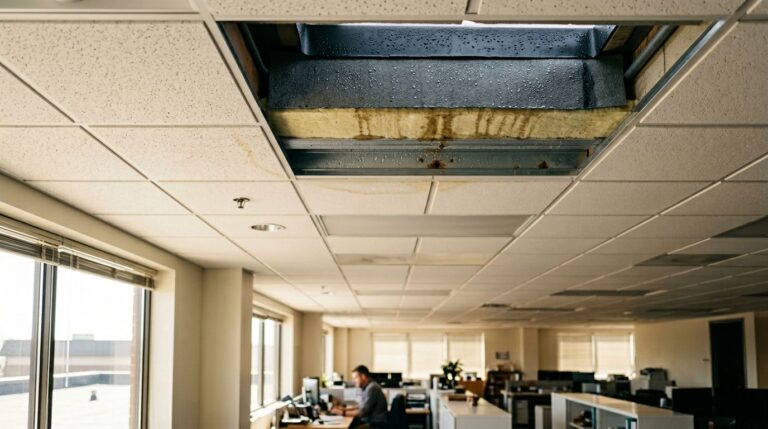
The first walk-through rarely shows everything. After tear-off, roof teams often find wet insulation, damaged flashing, crushed edge metal, or membrane punctures outside the original marked area. That gap is where a supplemental claim belongs.
A supplemental claim is not a trick. It is a correction. When the insurance company missed covered work under the insurance policy, the extra documentation shows why the first scope no longer fits the job.
3. Get a second inspection from a commercial roofer
A second opinion can change the whole insurance claim. Hire a professional roofing contractor or public adjuster for a thorough reinspection. A local roofing contractor can separate old wear from fresh hail damage, explain whether the roof still has service life, and show whether the damage is small enough for commercial flat roof repair or wide enough to justify more work.
That step matters most on TPO, EPDM, and metal roofs. Water can travel under the surface before it shows inside the building. By the time stains appear, the real damage may be much larger than the first estimate suggested.
4. Push for a supplemental claim or appeal with clear evidence
A supplemental claim should correct missing covered work. It should not pad the claim or add unrelated upgrades.
Send a concise rebuttal that ties each new item to the storm loss. Point to photos, measurements, moisture data, and insurance policy language. If the adjuster cut tear-off, edge metal, insulation thickness, crane time, permits, or disposal from the repair estimate, ask for a written reason for each cut.
This is also the place to separate repair from replacement as part of the appeal process. If the insurer allowed a patch but tear-off showed widespread wet insulation or failed seams, the file may now support a bigger scope. That does not rewrite the insurance policy. It simply matches payment to the actual damage.
5. Match the fix to the roof, not the guess
Sometimes the right answer is targeted repair. Sometimes it is a larger rebuild. A commercial roof needs repair when the damage is isolated and the rest of the system is sound. If hail spread across the roof, loosened many details, or soaked the insulation, a full commercial roof replacement may cost less than repeated patches and lead to the proper claim payment.
Keep the closeout file. Save final photos, invoices, approval emails, and any change orders. If the insurance company questions the claim payment later, those records show the work matched the approved scope.
Conclusion
A Minnesota insurance company can deny a hail claim for real reasons, but calling hail “mechanical damage” does not make the storm disappear. The stronger the evidence, the weaker that label becomes. Photos, moisture readings, core cuts, and a clean roof scope do more than support the insurance claim; they show what actually happened.
When the facts show a commercial roof needs repair, or even commercial roof replacement, the denial letter is only part of the story. The roof itself, and the documentation behind it, usually decides the final result. If the insurance company acts in bad faith during the process, policyholders may need legal representation to pursue a fair settlement, where attorney fees and actual damages become key factors.
Common questions about hail denials in Minnesota
Can an insurer call hail mechanical damage to deny a claim?
Not in any honest, automatic way. Hail is a storm event, so the insurance company still has to explain why the loss is not covered under the insurance policy. If the roof shows sudden impact damage, a mechanical label alone is not enough.
Does a cosmetic damage exclusion matter on metal roofs?
Yes, it can. Some insurance policies exclude dents that only affect appearance and do not hurt performance. That said, if hail damaged coating, seams, fasteners, or water-shedding ability, the claim is about function, not just appearance.
What proof helps most after a hail denial?
The best proof is simple and specific. Use storm dates, close-up photos, moisture readings, core cuts, field measurements, maintenance logs, and a contractor estimate that separates old wear from new impact on your insurance claim. The more direct the evidence, the harder it is to dismiss the loss.
Can a supplement help after an underpaid claim?
Yes. A supplement is the right tool when the first scope missed covered items on your insurance claim. It can correct missing tear-off, wet insulation, edge metal, flashing, or code-required details. It should never be used to ask for unrelated upgrades or old wear.
When does repair become replacement?
Repair works when the damage is limited and the roof still has useful life left. Replacement becomes the better answer when hail damage is widespread, moisture has spread under the membrane, or repeated patching would cost more over time.
What should you do after an insurance claim denial?
Start with mediation as a path forward in your dispute with the insurance company. If that fails, seek a free consultation from an attorney experienced in these cases. Many attorneys work on a contingency fee structure, and in extreme cases of bad faith, you may pursue treble damages under Minnesota law.
Need a roof inspection in Saint Paul or the Twin Cities? Call Sellers Roofing Company at +1-651-703-2336 or schedule a free estimate. We are a black-owned, NMSDC-certified MBE roofing contractor with 9+ years experience.