Last updated: 2026-08-01 by Ted Sellers, Owner
Sometimes, yes. A commercial roof moisture scan after hail is often covered when it helps prove a covered loss, map hidden moisture, or define the right repair scope. It usually is not covered when the scan is treated as routine maintenance, a pre-existing condition check, or a way to investigate old leaks unrelated to the storm.
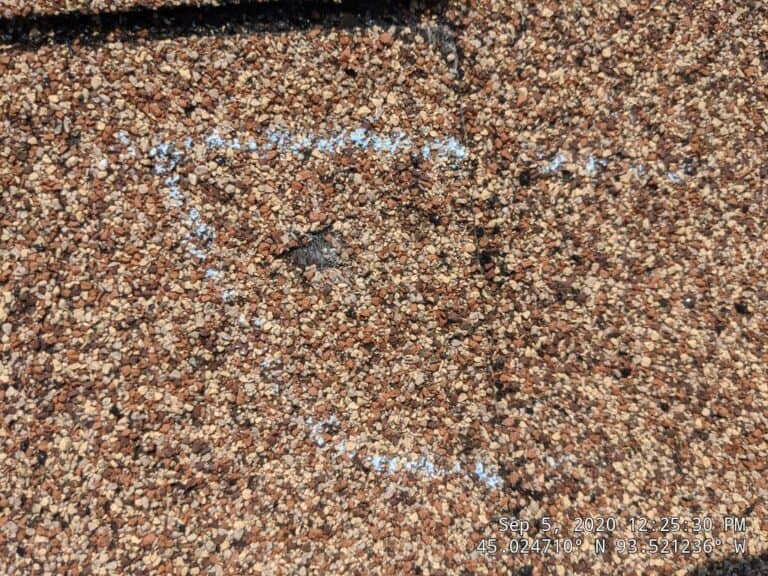
Hail damage rarely stops at what you can see from the roof edge. A membrane may look intact while insulation below is already wet, and that hidden spread can change the claim.
For most owners, commercial roof moisture scan insurance coverage turns on three facts: the hail event, the reason for the scan, and how well the findings tie back to that storm. That is where the details matter.
When This Applies
When a hail claim usually supports a scan
This applies to commercial business owners, facility managers, and property teams handling a recent hail loss on TPO, EPDM, PVC, modified bitumen, or metal roofing. It also fits mixed buildings where water may travel far from the point of entry.
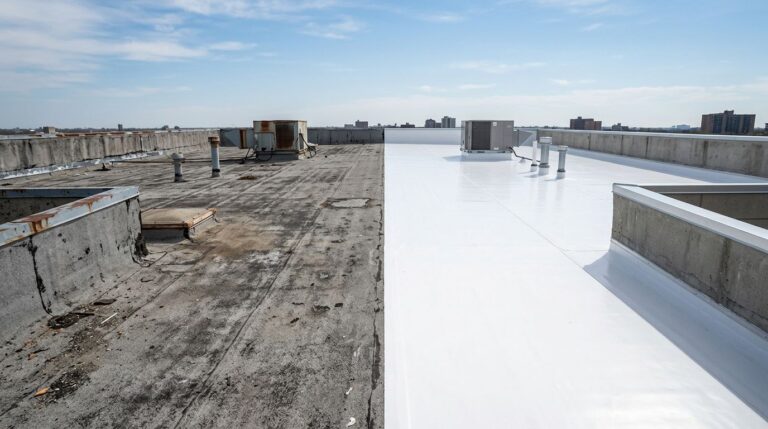
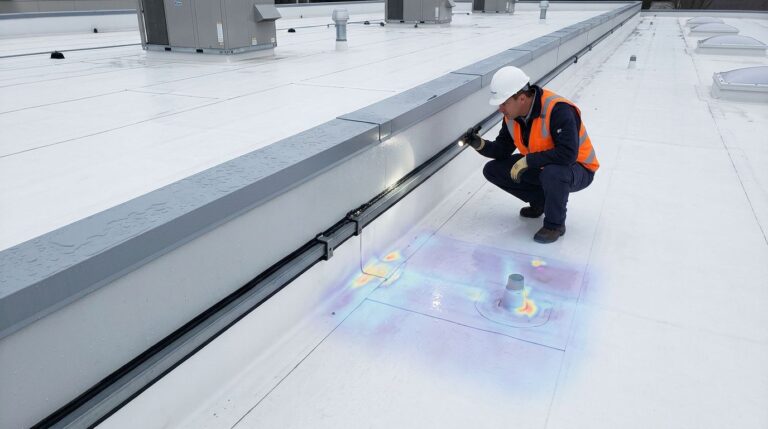
A moisture scan is most useful when the adjuster cannot tell, from a visual walk alone, how far the damage spread. That is common on low-slope roofs, because wet insulation can move laterally before a stain shows inside. If you need commercial roof moisture scan for insurance claims, the report should map wet areas, support test cuts, and separate likely storm damage from older wear.
This quick comparison helps frame the issue:
| Situation | Likely insurance view |
|---|---|
| Recent hail event, active leak, scan ordered to confirm hidden moisture | Often covered or reimbursable |
| Recent hail event, no visible breach, scan needed to define repair scope | Often considered reasonable |
| Old recurring leak with no storm link | Usually denied as maintenance |
| Annual scan done as preventive asset management | Usually not covered |
A moisture scan carries the most weight when it answers a claim question the surface inspection could not answer.
When the scan usually is not covered
Insurance usually pushes back when the roof problem looks like age, poor upkeep, ponding, or long-term seepage. If the carrier sees the scan as a maintenance expense, it may deny the testing even if the roof later needs work.
That same issue comes up when owners confuse insurance with warranty coverage. A hail loss and a membrane defect are not the same thing, and this plain-language guide to roof warranty versus insurance coverage helps show why the source of damage matters.
Edge cases that can change the answer
A denied scan is not always the last word. If the roof had prior patches, the carrier still has to tie the current moisture to those old repairs. It cannot simply point at age and stop there.
Also, a scan may help win partial approval. One area may reflect old wear, while another shows fresh hail-related openings and wet insulation from the same storm.
Step-by-Step
1. Report the hail loss before conditions change
Open the claim as soon as you suspect storm damage. Give the carrier the loss date, basic roof type, and any signs of active leakage. Then ask whether it will approve, inspect, or reimburse moisture testing if hidden damage is likely.
Move quickly because roofs change fast after hail. Foot traffic, sun, and the next rain can blur the evidence. If your commercial roof needs repair, early photos, weather dates, and leak logs help build a cleaner timeline.
If water is entering the building, do temporary dry-in work right away. Tarping, interior protection, drain clearing, and a small stop-gap patch usually show reasonable mitigation, not claim abuse.
2. Ask for the carrier’s position on the moisture scan in writing
Don’t guess what the adjuster will accept. Ask a simple question in email: “Will you authorize or consider reimbursement for a moisture scan needed to verify hidden hail-related moisture?” A written answer gives you a clear starting point.
Some carriers order the scan themselves. Others want the owner to hire it first and then seek reimbursement. Either way, written approval is better than a phone promise.
If the adjuster will not pre-approve testing
You may still choose to order the scan, especially if the roof has active leaks or the visible damage does not match the interior spread. In that case, document why the test was necessary. Keep the proposal, the report, moisture map, and invoice.

3. Use the scan to prove scope, not to chase guesses
A strong moisture scan does more than say “wet.” It should show where moisture sits, how wide it spreads, and whether the findings line up with hail-related damage. Infrared, capacitance testing, and verification cuts can all help when used correctly.
That matters because one ceiling drip can hide a much larger wet area. On large roofs, the entry point and the interior symptom often sit far apart. When owners need will insurance pay for wet roof insulation, the answer often turns on this exact proof.
Ask the roofer to separate old deterioration from fresh storm damage. A useful report should identify open seams, punctures, displaced flashing, saturated insulation, and any areas where moisture appears older than the hail date. That separation protects the claim.
4. Match the scan results to the right roof scope
Once the scan is done, compare its findings to the insurer’s estimate line by line. If the carrier allowed a surface patch but the scan shows wet insulation beyond that area, the scope needs to change.
When repair still makes sense
If the wet area is small and the surrounding system still has service life, a targeted commercial flat roof repair may be the right answer. That can include replacing wet insulation in a limited zone, repairing membrane damage, and restoring flashing.
When replacement starts to make sense
If moisture is widespread, seams are failing across the field, or insulation is saturated in multiple zones, the job may move past repair. At that point, commercial roof replacement can be the lower long-term cost, even if the roof still looks decent from below.
This is also where many owners file a supplement. The original estimate may miss tear-off, insulation, edge metal, or code-related items that only became clear after testing. A good commercial storm damage repair guide shows how fast hidden damage can expand the real job cost.
5. If the carrier resists, answer with evidence, not frustration
Push back with a short, factual package. Include the moisture map, marked photos, test cuts, date of loss, weather data, and a revised scope from your roofer. Point to the line items that changed and why.
If the insurer claims the roof problem is maintenance, ask it to explain how it separated old wear from fresh hail damage. That is where proving storm damage vs roof maintenance issues becomes important, especially on older low-slope systems with patch history.
Don’t rush into permanent restoration before this review if the claim is still open. Temporary mitigation is fine. Large tear-off work or full restoration can destroy the very proof you need.
Conclusion
A commercial roof moisture scan after hail is often covered when it helps prove a sudden storm loss and define the real scope of damage. Coverage weakens when the scan looks like maintenance, a pre-loss condition check, or an attempt to fold old problems into a new claim.
The strongest file is simple: report the hail event fast, get the scan tied to the storm, and use the findings to show whether a localized repair will hold or the roof needs a larger fix. In most disputes, proof decides more than opinion.
FAQ
Can I order a moisture scan before the adjuster visits?
Yes, if the roof is actively leaking or hidden moisture is likely to spread. Still, tell the carrier first and ask for written approval or reimbursement guidance. Keep all records, because the scan is easier to defend when you show why waiting would risk more damage.
What happens if the scan finds moisture outside the visible hail area?
That often supports a supplement. Water can travel under membranes and through insulation before it appears inside. If the new wet areas tie back to the same hail event, the claim scope may grow from a small patch to broader section work.
Will insurance pay for the scan if the claim is denied at first?
Sometimes. A first denial is often about cause, not cost. If the scan helps separate fresh storm damage from older wear, it may support a reinspection or partial reversal.
When a denial has a maintenance label
A carrier may still owe for fresh damage in one area even if another section shows old defects.
Does a moisture scan matter on metal roofs after hail?
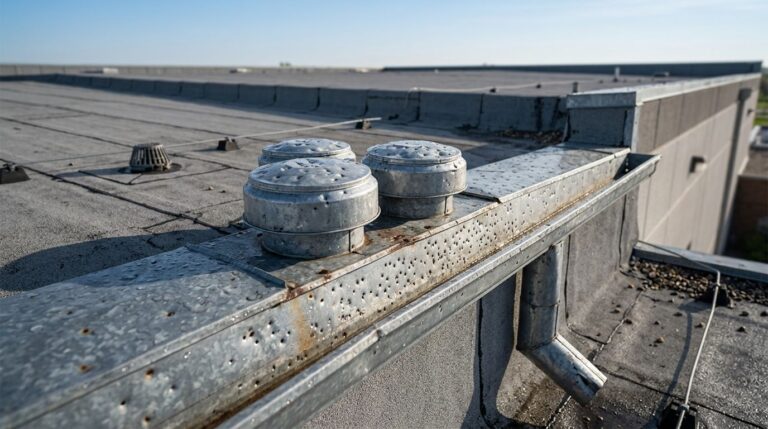
It can. Hail on metal does not always puncture panels, but it can affect seams, fasteners, flashings, and penetrations. If water is getting below the assembly, a scan helps show whether the issue is cosmetic denting or a functional leak path.
If the scan shows only a small wet area, should I still file for more?
Only if the insurer missed covered work. A small wet zone may still justify added insulation replacement, tear-off, flashing repair, or interior protection. However, if the scan confirms limited damage, a focused repair may be the right call and the cleanest claim outcome.
Need a roof inspection in Saint Paul or the Twin Cities? Call Sellers Roofing Company at +1-651-703-2336 or schedule a free estimate. We are a black-owned, NMSDC-certified MBE roofing contractor with 9+ years experience.