Last updated: 2026-05-26 by Ted Sellers, Owner
A well-installed TPO roof lifespan in Minnesota typically spans 20 to 25 years, though many roofs endure longer with consistent professional maintenance. TPO, which stands for thermoplastic polyolefin, is a popular single-ply roofing membrane chosen for its energy efficiency and durability. While the material is known for its impressive weather resistance, the harsh Minnesota climate presents unique challenges. Extreme freeze-thaw cycles, persistent ponding water, and delayed leak repairs can shorten that timeline significantly. As long as the seams remain tightly sealed and the drainage systems stay clear of debris, TPO can provide reliable protection for your building for decades.
Key Takeaways
- Expected Longevity: A well-installed TPO roof in Minnesota typically lasts between 20 and 25 years, though high-quality installation and consistent professional maintenance can extend this lifespan.
- Climate Challenges: Minnesota’s extreme freeze-thaw cycles and intense UV exposure place significant stress on seams, flashings, and penetrations, which are the most common points of failure.
- Maintenance Importance: Addressing ponding water, clearing drainage systems, and performing semi-annual inspections are essential to prevent minor issues from becoming costly, large-scale repairs.
- Repair vs. Replacement: While localized damage like small punctures or seam splits can often be repaired, widespread moisture saturation in the insulation or recurring leaks across the roof surface usually indicate the need for a full replacement.
When This Applies
Commercial roofs in Minnesota
This answer applies to low-slope roofs on warehouses, retail centers, office buildings, schools, and light industrial properties. It is specifically designed for any commercial roofing system that must withstand heavy snow, ice, intense summer sun, and the extreme temperature swings common to the region.
For building owners looking for a local service benchmark, commercial roofing services in Saint Paul are built around managing these specific roof systems and the challenging weather they face.
TPO works best when the roof drains properly and the details were installed with precision. This includes flashings, curbs, edge metal, and penetrations. When the heat-welded seams are executed correctly, the membrane typically ages in a predictable way. While TPO is a popular choice, building owners may also compare it to the performance characteristics of a PVC roofing membrane or the flexibility of an EPDM roof depending on their specific facility needs.
When the same answer does not fit
The timeline changes significantly when the roof already suffers from widespread wet insulation, recurring leaks, or a history of failed patches. It also changes if the roof has chronic ponding issues or sustained major wind damage.
In those cases, the better question is whether the building requires professional commercial flat roof repair or a full-scale commercial roof replacement. Ultimately, age alone does not decide the answer; the actual condition of the flat roof is the most important factor in determining the next steps.
What Minnesota Weather Does to TPO
Freeze-thaw cycles stress the seams
Minnesota weather subjects a TPO system to constant physical movement. The combination of warm days, cold nights, snowmelt, and frequent refreeze cycles creates extreme temperatures that force the membrane to expand and contract repeatedly.
This cycle of expansion and contraction stresses the weakest points of the roof system first. Seams, corners, terminations, and penetrations experience significantly more movement than the open field of the roof. Consequently, a roof might appear perfectly intact from the ground while simultaneously losing structural integrity at these critical transition details.
Cold-weather stress points on TPO roofs are discussed in this cold-climate TPO guide. The basic idea is simple: small installation flaws get punished much faster in a northern climate.
Sun, snow, and standing water all matter
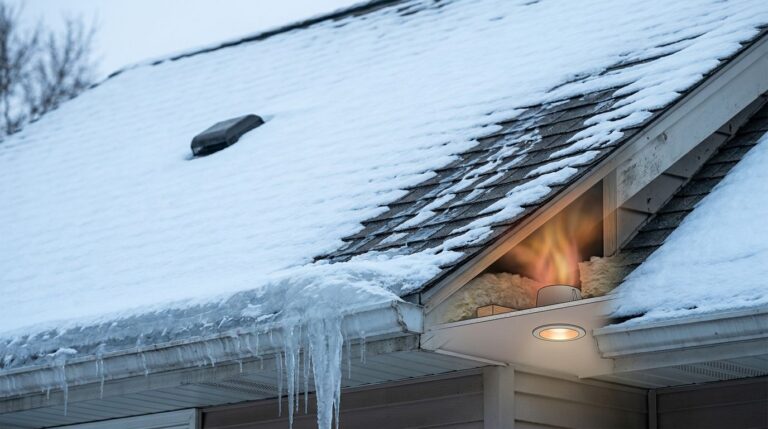
While Minnesota winters are notoriously harsh, the summer months also play a major role in roof degradation. Exposure to intense UV radiation accelerates heat aging, which dries out the membrane over time. Furthermore, heavy snow cover can mask underlying issues, often delaying necessary repairs until the damage has worsened.
Ponding water is another significant concern that causes long-term damage. When water pools in low spots, it keeps seams and flashing submerged for extended periods. This moisture retention, combined with the specific membrane thickness of your roofing material, speeds up the aging process and increases the likelihood that your commercial roof will require professional repair much sooner than expected.
The real lifespan range
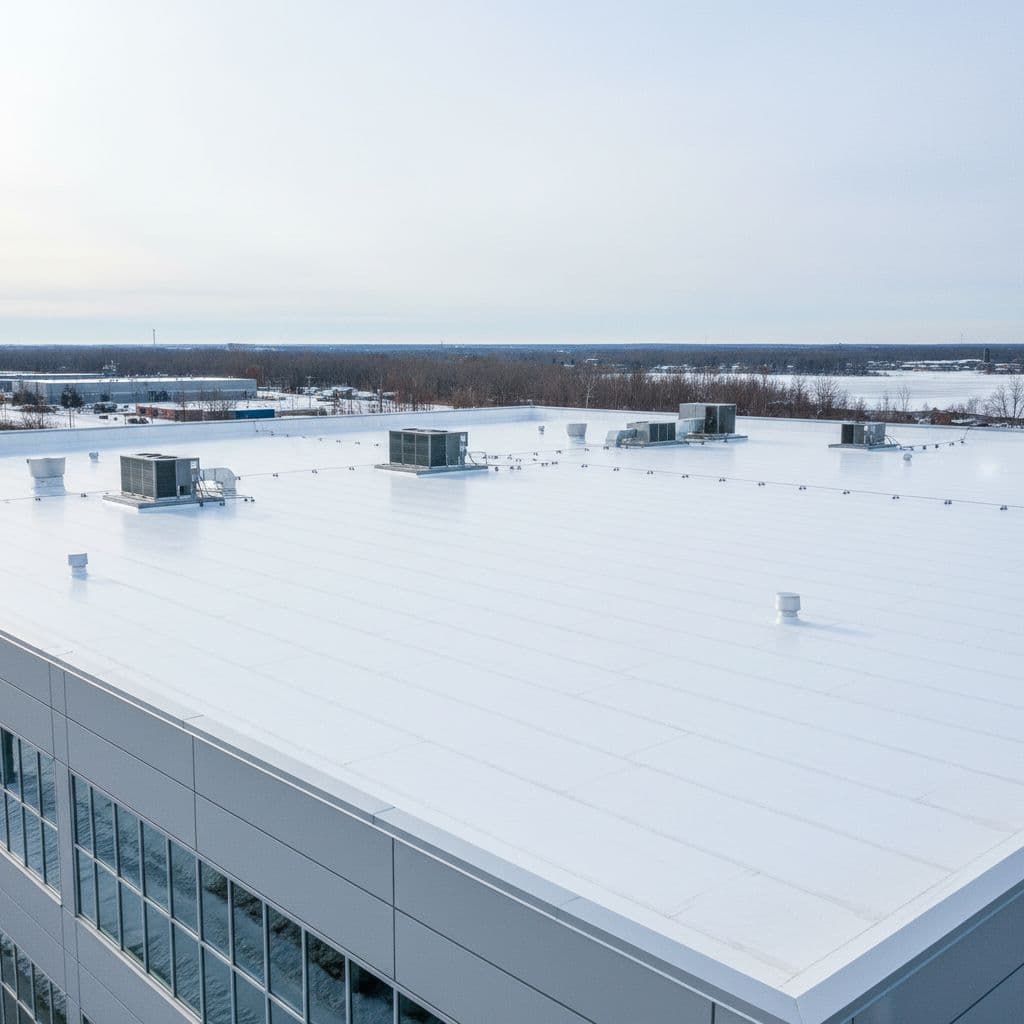
A TPO roof in Minnesota can last anywhere from the mid-teens to around 30 years, depending heavily on the membrane thickness, installation quality, and ongoing maintenance. A roof characterized by solid, well-welded seams, effective drainage, and regular service intervals can stay near the higher end of that range. Conversely, a neglected roof often fails much sooner.
Broad lifespan ranges in northern climates are also covered in this TPO roof lifespan guide. The message remains consistent: high-quality installation and attention to detail buy your roof more time, while poor workmanship and maintenance take it away.
Step-by-Step
Use this inspection order
- Confirm what was installed. Check the membrane thickness, insulation type, and warranty paperwork if you have it. High-quality roofing systems often follow ASTM D6878 standards, and it is important to remember that a 60 mil or 80 mil roof will offer significantly different longevity compared to a standard 45 mil installation.
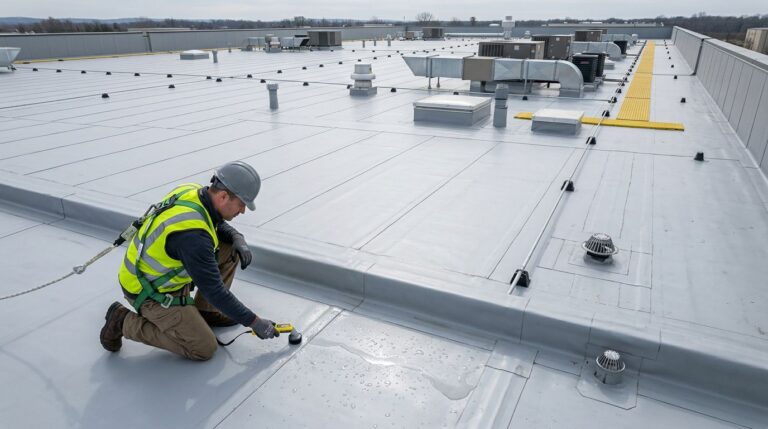
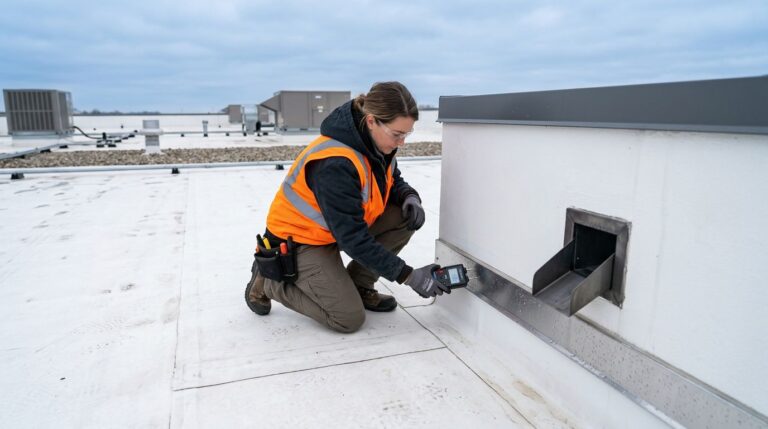
- Inspect the high-stress points. Look at seams, drains, corners, curbs, pipe boots, flashing, and rooftop equipment. These areas usually fail before the rest of the roof.
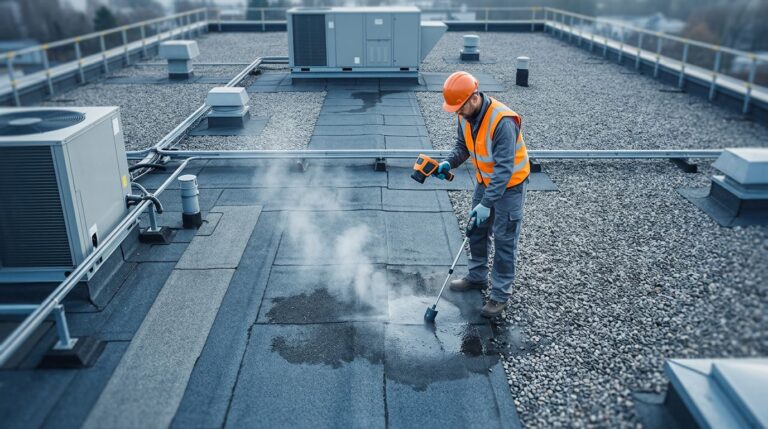
- Trace any leak right away. If your commercial roof needs repair, contact a qualified roofing contractor for professional inspection services before you start patching. Water often travels far from the initial stain, and a professional assessment ensures you identify the true source of the intrusion.
- Match the fix to the damage. If the failure is small and the insulation remains dry, a targeted commercial flat roof repair usually makes sense. If the wet area is spreading, patching may only buy time until a more permanent solution is required.
- Compare repair cost to replacement cost. If leaks keep coming back, moisture shows up in the insulation, or code requirements drive the need for extra tear-off, a broader review can point toward commercial roof replacement instead of another patch.
Repair, Recoat, or Replace?
When commercial flat roof repair makes sense
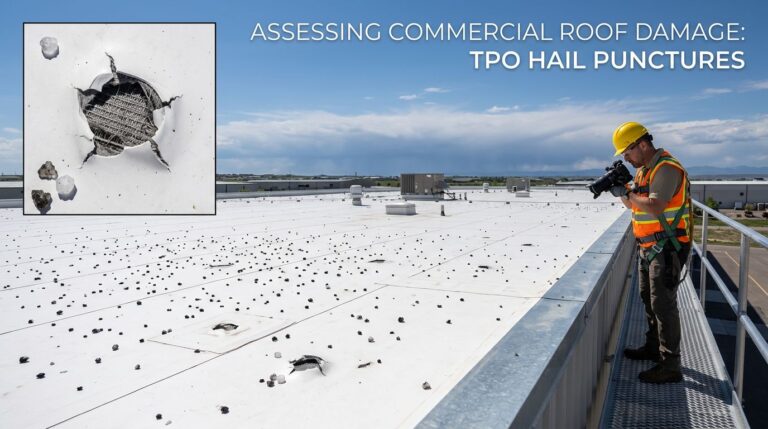
A TPO flat roof is often repairable when the problem is local. One split seam, a failed flashing detail, or a small puncture near equipment usually points to a focused repair. Before starting, you must ensure the surrounding area is dry and stable, and you should check that water drainage remains efficient to prevent pooling that could damage the membrane.
In those situations, a repair protects the roof without wasting money. It also keeps downtime low for the building, which is essential when tenants, inventory, or operations sit directly under the roof.
When commercial roof replacement is the smarter move
A total roof replacement starts to make more sense when the structure experiences repeated leaks, widespread seam failure, or wet insulation across larger sections. It also becomes the logical path forward when ongoing patching costs keep stacking up.
One wet seam is a repair problem. Wet insulation across the field is a replacement problem.
That line is blunt, but it fits most struggling roofs. If the membrane still has life in it, a quick repair is fine. However, if the entire commercial roofing system is tired across multiple areas, choosing a full roof replacement is usually the cleaner business decision to ensure long-term protection for your property.
Signs the Roof Is Aging Out
Clues you can see from the roof
TPO does not usually fail in one dramatic moment. It ages in pieces. You may see shrinkage at the perimeter, lifted flashing, failed sealant at penetrations, or seams that open again after a repair. Another common indicator is surface cracking, which often appears as the membrane loses its plasticizers and becomes brittle under the harsh Minnesota sun.
Additionally, consider the impact of foot traffic on your roof. Frequent movement near HVAC units or solar panels can accelerate wear and tear, eventually compromising the membrane. If you notice signs of degradation in these areas, installing walk pads is a smart way to protect the material and extend the lifespan of your system. A roof with these signs is telling you something. It may still shed water today, but it is losing its margin for error. One more wind event or one more thaw cycle can push it into a leak.
Clues you can see inside the building
Interior warning signs matter just as much. Ceiling stains, damp insulation, musty odors, and repeat complaints from the same area all point to an active problem.
When the leak pattern repeats, the issue is often bigger than the visible damage. That is when better documentation helps. Photos, moisture readings, and a second inspection can show whether you still have a repairable roof or a system that has reached the end of its run.
Conclusion
Minnesota weather does not automatically shorten every TPO roof. High quality installation, clean drainage, and proactive repairs make a significant difference in performance.
For most commercial buildings, the practical answer is a 20 to 25 year service life, provided that you implement a consistent maintenance program to address small issues before they escalate. Beyond longevity, TPO remains a popular choice because its reflective surface helps lower cooling costs during the summer. By leveraging this energy efficiency, building owners can maximize their return on investment. Ultimately, the difference in lifespan usually comes down to how well the seams are maintained, how effectively the roof sheds water, and how quickly owners respond when the system starts showing signs of wear.
FAQ
How long does a TPO roof usually last in Minnesota?
The average TPO roof lifespan in Minnesota typically ranges from 20 to 25 years. While high-quality materials and consistent maintenance can help your commercial roofing system exceed this range, poor drainage or delayed repairs can significantly reduce the performance of a flat roof.
Does TPO handle freeze-thaw cycles well?
TPO handles these cycles reasonably well when installed correctly. The primary challenge is not the membrane itself, but rather the seams, corners, and edge details. These areas experience the most stress during the repeated expansion and contraction caused by Minnesota weather.
What fails first on a TPO roof?
Seams, flashing, penetrations, and perimeter details are usually the first components to fail. These areas face more movement and weather stress than the main field of the membrane, especially when combined with the long-term impact of UV radiation.
Can a damaged TPO roof be repaired instead of replaced?
Yes, you can often choose repair over a full roof replacement if the damage is localized and the insulation remains dry. Minor issues like small seam splits, punctures, or flashing problems are usually manageable with targeted repairs, but widespread moisture saturation often necessitates a more comprehensive solution.
How often should a Minnesota TPO roof be inspected?
A professional inspection twice a year is a solid baseline, ideally once in the spring and once in the fall. You should also schedule an additional check after significant hail, strong winds, or if you notice any signs of a leak. Identifying issues early is far more cost-effective than waiting for an emergency repair.
Need a roof inspection in Saint Paul or the Twin Cities? Call Sellers Roofing Company at +1-651-703-2336 or schedule a free estimate. We are a black-owned, NMSDC-certified MBE roofing contractor with 9+ years experience.