Last updated: 2026-08-01 by Ted Sellers, Owner
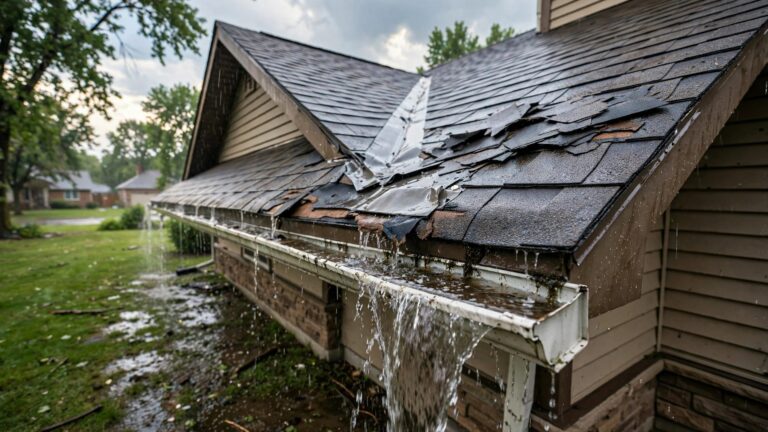
Check the timing, pattern, and location of the damage during a roof inspection. Building owners can use a roof storm damage checklist to assess these factors effectively. Roof storm damage usually shows up right after a weather event and leaves scattered impact marks, lifted edges, dents, or punctures in exposed areas. Poor installation creates repeat defects, such as open seams, bad flashing, ponding, or loose terminations; those issues often appear without a clear storm trigger.
Key Takeaways
- Check the timing, pattern, and location of damage: roof storm damage appears right after a weather event with scattered dents, tears, or punctures; poor installation shows repeated defects like open seams, bad flashing, or loose terminations without a clear storm trigger.
- Follow a step-by-step roof inspection: match leaks to weather records, inspect seams/flashing/edges for random vs. repetitive issues, compare details across the roof, review install records, and use testing like moisture scans to confirm cause and scope.
- Storms can expose weak workmanship—a gray area where both causes overlap—but repetition of the same flaw points to installation defects, guiding warranty claims, insurance, or the right commercial roof repair or replacement.
- Document everything with photos, weather data, and expert input to protect your budget, prove fault, and avoid the wrong fix on low-slope roofs where leaks travel far.
When This Applies
When timing and blame are in question
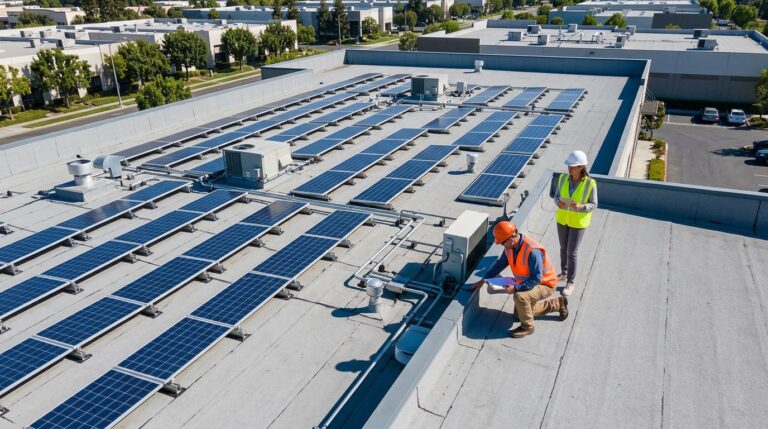
This applies to commercial building owners, property managers, and tenants who handle maintenance after water leaks, blow-off, or hail events. It also applies when a roof starts failing soon after installation, while still under warranty, or when an insurer and professional roofing contractor disagree about the cause during an insurance claim.
The goal is to learn why your commercial roof needs repair before you approve the wrong fix or accept the wrong explanation. That matters even more on low-slope roofs, where moisture intrusion can travel far from the entry point. In those cases, expert leak detection for flat roofs helps confirm where the failure began.
When this is not the main issue
If the roof is near the end of its service life and failing in many areas, the line between storm damage and old age may not change the repair plan much. You still want the cause documented, but the bigger question may be scope, not fault.
The gray area business owners run into most
A storm can expose weak workmanship that was already there. For example, wind may lift flashing that was never secured well, or hail may split a seam that was under-welded from day one. In other words, both causes can be true. The key is figuring out which one started the failure and which one made it worse.
Step-by-Step
1. Match the first leak or roof movement to the weather timeline
Start with dates for your storm damage assessment. Pull local weather records, service tickets, tenant complaints, and security footage if you have it. If leaks appeared the day after a hail or wind event, that supports roof storm damage. If the roof leaked before the storm, or soon after a new install with no major weather event, poor installation moves higher on the list.
Timing alone is not enough
A storm date helps, but it does not prove cause by itself. You still need visual proof on the roof.
2. Look for a random damage pattern or a repeated workmanship pattern
Storm damage, including hail damage and wind damage, usually looks scattered. It may hit the windward edge, dent metal caps, bruise membrane surfaces, or leave punctures near rooftop units. Poor installation leaves fingerprints. You often see the same seam issue, flashing mistake, or fastening error repeated in several places.
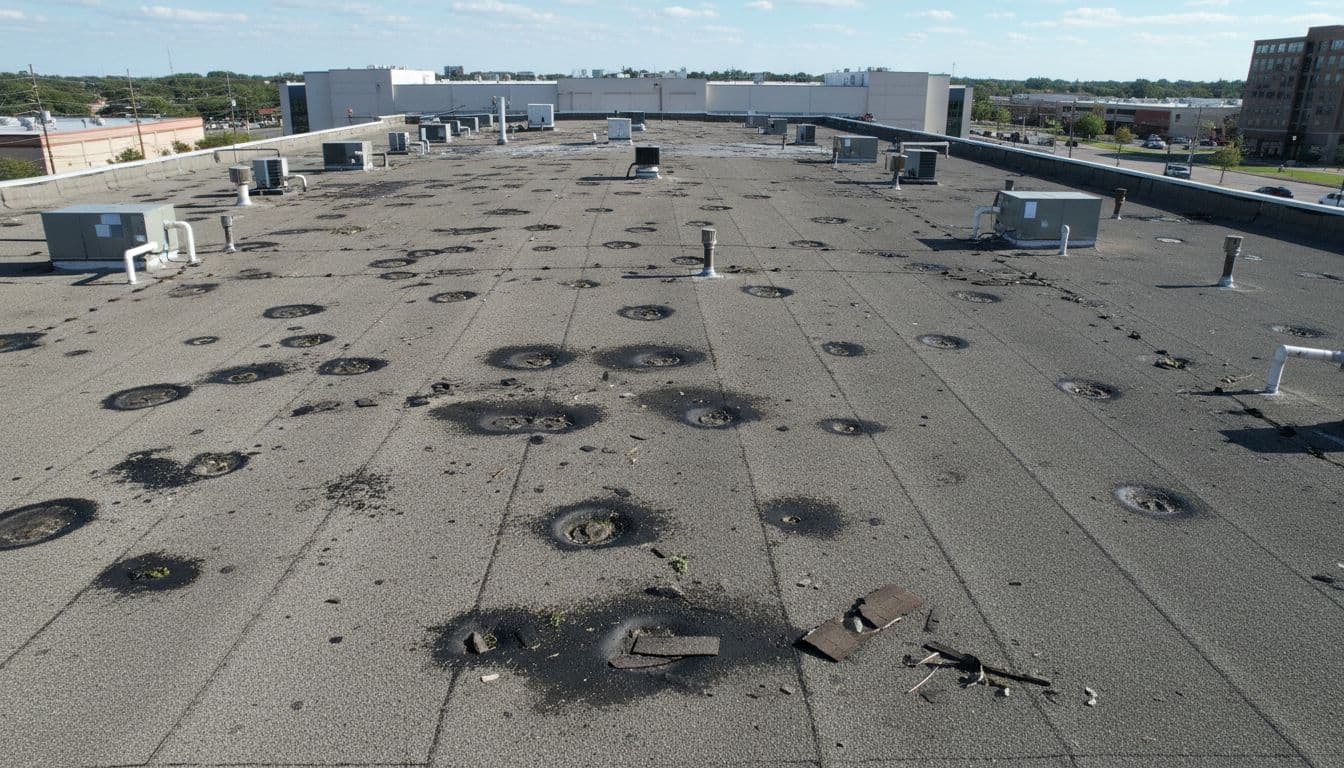
This quick comparison helps sort the pattern:
| Sign | More likely storm damage | More likely poor installation |
|---|---|---|
| Timing | Right after a weather event | Soon after install, or ongoing |
| Pattern | Scattered, directional, uneven | Repeated at similar details |
| Location | Exposed field, edges, metal trim | Seams, flashing, penetrations |
| Damage type | Dents, tears, punctures, lifted parts | Fishmouths, wrinkles, open laps |
Storm damage is usually sudden and scattered. Installation defects are usually repetitive and detail-specific.
3. Inspect seams, flashing, and roof edges first
These areas tell the story fast. Wind can peel back edge metal, strip membrane corners, or break flashing loose. Hail may dent metal roofing copings, crack covers, or bruise some membranes. Poor installation, by contrast, often shows short laps, cold welds, skipped fasteners, weak adhesion, or flashing that was never set right. While focusing on flat roofs, signs like missing shingles on neighboring sloped sections can be clues.
Pay close attention to penetrations. If every pipe boot or HVAC curb has the same sloppy seal, that points to workmanship. If one side of the roof took the hit and nearby metal is dented, the storm becomes the stronger cause.
4. Compare the same roof detail in several locations
One bad seam can happen. Ten bad seams along the same run usually don’t happen by chance. Compare identical details across the roof, including parapet flashing, drain areas, curbs, and membrane laps. Repetition is the strongest clue that the install was flawed.
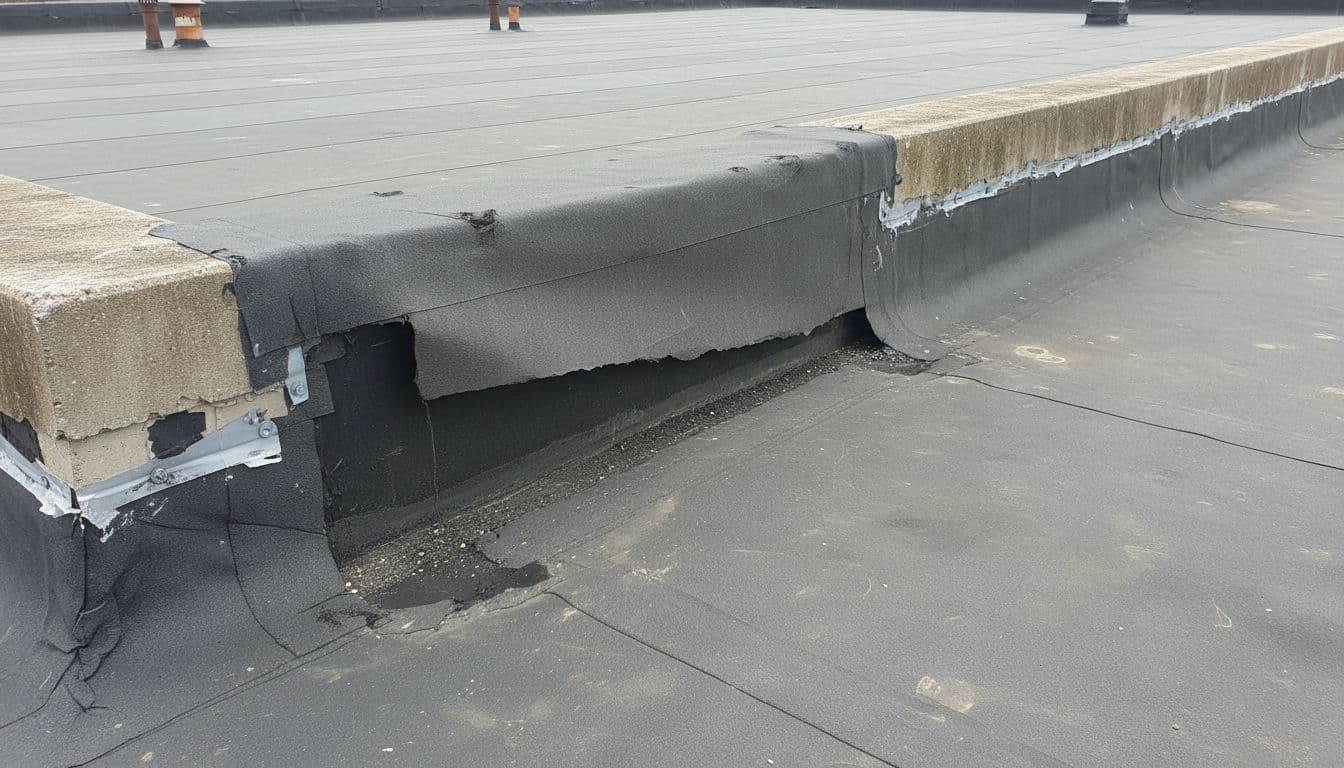
Why repetition matters
Storms don’t usually create the exact same defect at every curb or seam. Crews do.
5. Check the install date, crew records, and warranty terms
A roof that fails within months of installation deserves a close look at workmanship. Review closeout photos, inspection notes, repair history, and warranty exclusions. Many disputes turn on these records. If the detail failed where the installer had already patched it, that history matters.
This is also where repair scope becomes clearer. A localized puncture from flying debris may call for emergency repairs like roof repair for commercial flat roof repair. If the same bad seam or flashing detail repeats across the system, patching one spot may only delay the next leak.
6. Use testing before choosing repair or replacement
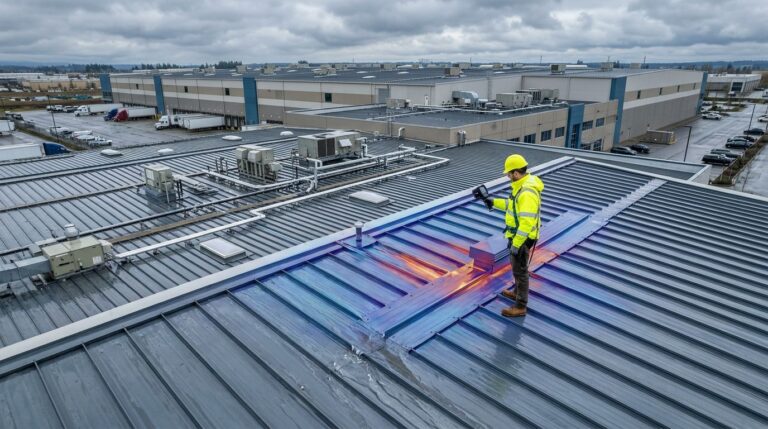
Don’t rely on surface photos alone. Moisture scans, seam testing, and core cuts from a roof inspection can show whether the issue is isolated or widespread, including any structural damage to the roofing material. That evidence helps decide whether you need targeted repair, warranty action, or a broader plan like roof replacement.
If the membrane is still sound and damage is limited, repair often makes sense. If moisture is widespread, seams are failing in multiple areas, or the roof was built wrong from the start, a commercial roof replacement may be the smarter spend. When the record shows broad failure, bring in Saint Paul commercial roofing experts who can document cause, scope, and next steps.
FAQ
Can hail expose a bad install that was already there?
Yes. Hail can weaken an already poor seam or flashing detail. On residential roofs covered in asphalt shingles, hail might create cracked shingles that reveal issues like curled shingles from faulty installation. In that case, the storm may trigger the leak, but workmanship may still be the root issue.
Will insurance cover it if the storm made it leak?
Insurance may cover sudden storm-related damage. It often does not cover faulty workmanship. Contact your home insurance provider and insurance company right away to start an insurance claim. Clear photos, weather records, and testing make that distinction easier to prove, strengthening your insurance claim with the insurance company.
What if only one area is leaking?
One leak can still come from bad installation, especially on flat roofs used in mixed-use properties. The source may be far from the stain or water spots on ceilings caused by attic leaks, so inspect the full section including the roof deck before approving a patch. Poor gutter maintenance or ice dams can mimic storm damage on sloped residential roofs.
How soon do installation defects show up?
Some appear within weeks. Others take a season of heat, wind, and rain to show themselves. Early failure is a strong clue that the original work was weak.
Should you repair now or wait for more proof?
Stop active water entry right away. Then document the roof before permanent work starts. Schedule a free inspection or full roof inspection as the best first step; it clarifies damage type and supports your roof inspection findings. Fast action protects the building, while good records protect your claim and warranty rights.
Storm damage and poor installation leave different clues. One is usually sudden and scattered, while the other repeats at the same roof details.
That distinction protects your budget. It also helps you choose the right fix, whether that is a targeted repair, a warranty claim, or a larger replacement plan.
Need a roof inspection in Saint Paul or the Twin Cities? Call Sellers Roofing Company at +1-651-703-2336 or schedule a free estimate. We are a black-owned, NMSDC-certified MBE roofing contractor with 9+ years experience.