Last updated: 2026-08-01 by Ted Sellers, Owner
Yes. In Minnesota, you can file a roof claim without interior leaks if the roof shows functional storm damage. For commercial buildings, carriers often focus on documented hail, wind, punctures, seam failure, or membrane damage, not ceiling stains. The claim depends on proof, policy terms, and timing, not on waiting for water to show up indoors.
When This Applies
Who can file before water gets inside
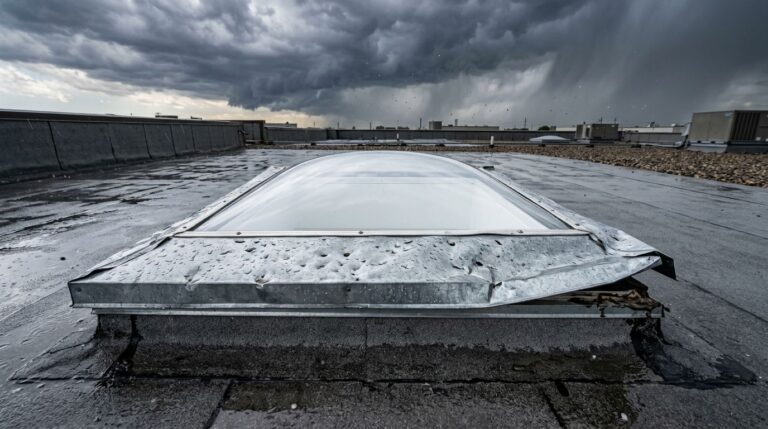
This fits commercial owners with flat, low-slope, or metal roofs after a known storm. If photos, weather dates, and an inspection show the commercial roof needs repair because hail split seams, bruised membrane, dented metal, or damaged flashing, a claim can still be valid.
It also fits buildings where water has not reached the interior yet, or where the roof assembly trapped moisture above the deck. On low-slope systems, water can move sideways for feet before it stains a ceiling, which is why leak detection for commercial roofs matters even before you see drips.
What counts as damage instead of wear
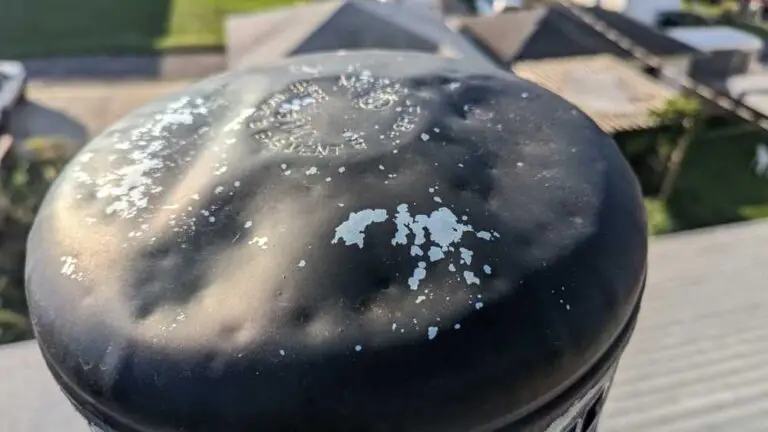
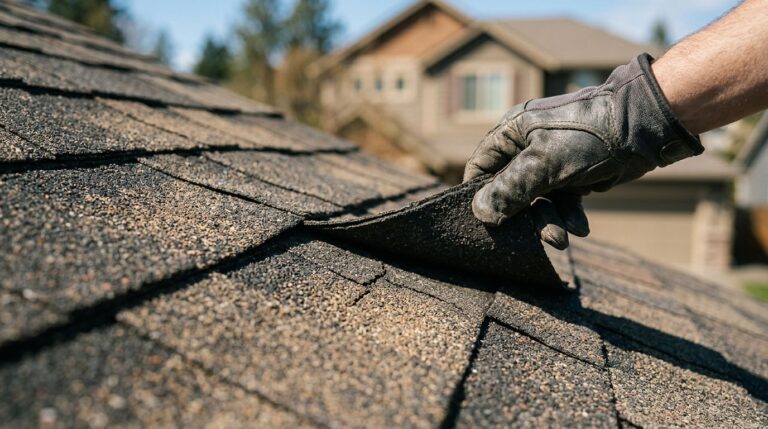
Minnesota carriers usually want evidence of functional loss, not a rough-looking roof. That can mean hail fractures, punctures, open laps, lifted flashing, broken sealant, or impact marks that shorten service life. A recent hail damage roof assessment guide shows how insurers separate visible storm hits from age and maintenance issues.
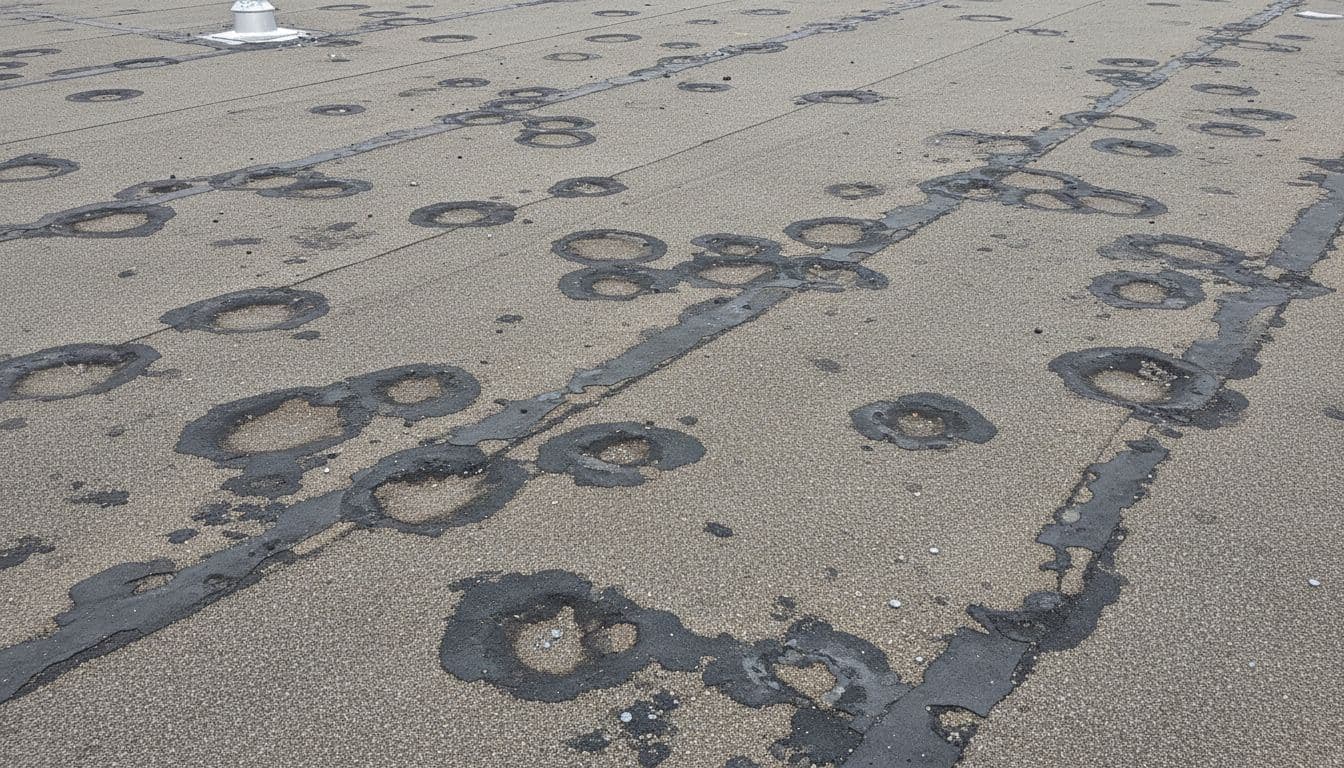
A dry ceiling does not mean a sound roof. It may only mean the damage has not reached the interior yet.
When the claim is weaker or denied
The claim gets weaker when the roof had no clear storm date, no measurable impact damage, and only old blistering, ponding, shrinkage, or foot-traffic wear. Carriers usually treat those conditions as maintenance issues, not a covered loss.
Common edge cases for commercial owners
If the damage is isolated and repairable, the carrier may approve commercial flat roof repair instead of a full scope. If the storm affected a large area, or code issues widen the job, the same loss can point toward commercial roof replacement. Mixed-cause roofs are common on warehouses and retail centers, so line-item photos and moisture readings often matter more than broad claims that the whole system is bad.
Step-by-Step
Before you open the claim
- Confirm the storm date, then save weather alerts, camera footage, and staff reports from that day. Early notes help tie the loss to one event, which matters when the roof already shows age in other areas.
- Photograph everything you can see safely from the ground, access points, and interior ceiling areas, even if they look dry. Take wide shots, close-ups, rooftop unit areas, drains, and dented metal so the carrier sees a pattern, not one random mark.
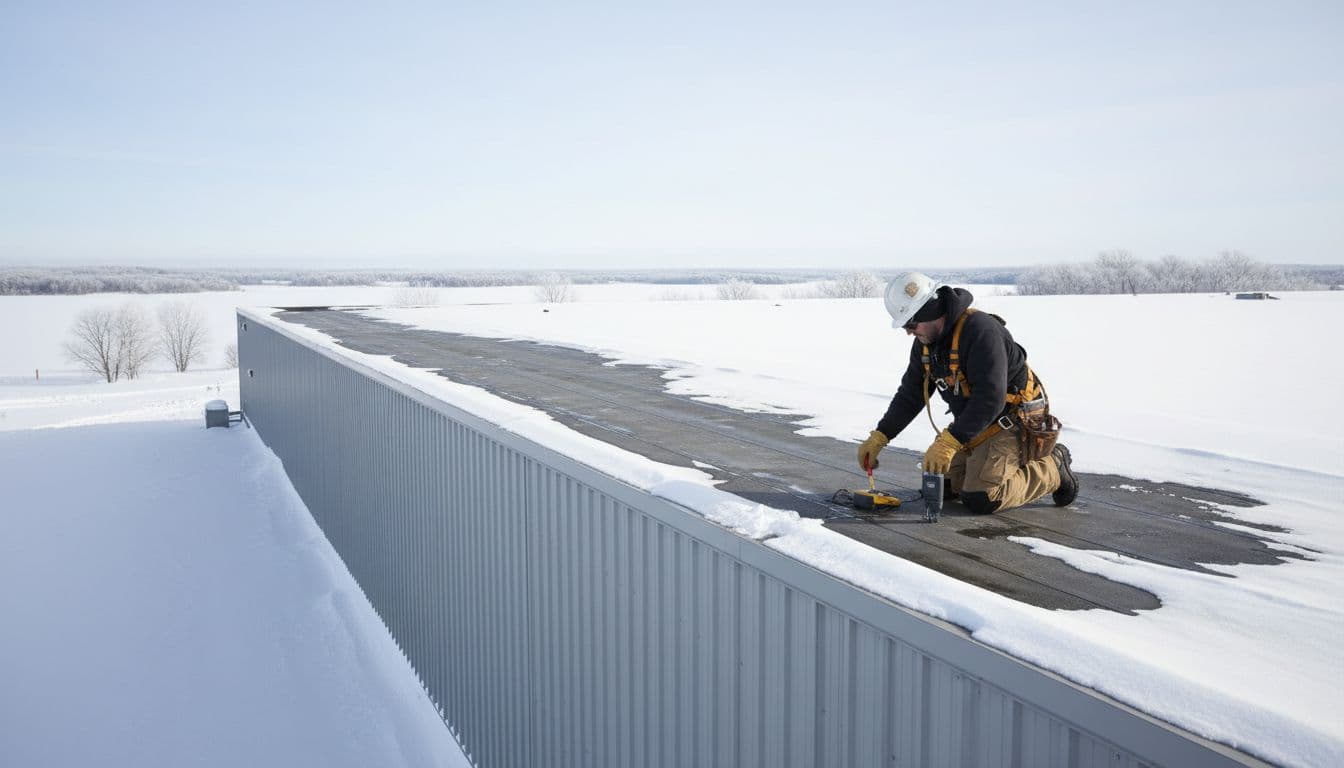
- Bring in a licensed commercial roofer before cleanup changes the evidence. A contractor with Saint Paul commercial roof services can map membrane damage, test seams, document flashing failures, and note whether wet insulation is already present.
When the adjuster gets involved
- File the claim promptly and keep the report simple. State the storm date, the roof type, and the visible damage. This Minnesota hail claim guide makes the same point, because late reporting gives the carrier room to argue old damage or neglect.
- Meet the adjuster on site with your roofer. Walk the same roof sections together. When both parties inspect the same seams, flashings, drains, and test areas, fewer details get missed and fewer items get left off the scope.
- Compare the carrier’s scope with the roofer’s findings. If one report says patch and the other says replacement, ask for the reason in writing. If the roof still has service life, repair may be enough. If damage runs across many sections, replacement may be the cleaner answer.
After the decision
- Review how the policy pays. On older commercial roofs, actual cash value is common, so depreciation can leave a gap. Also check for cosmetic damage exclusions on metal components and limits on matching undamaged sections.
- Approve only the work needed to protect the building while the claim is open. Temporary drying, sealing, and emergency patches are smart. Full restoration before the insurer inspects can blur the record and make later disputes harder.
- Keep every invoice, photo, moisture reading, and change order. If the first settlement misses code-driven work, hidden saturation, or additional membrane damage, that file gives you a clear basis for a supplement.
Common follow-up questions from Minnesota building owners
Will insurance pay if hail only dented the metal roof?
When dents are only cosmetic
Sometimes the answer is no. Many commercial policies exclude cosmetic hail dents on metal panels, gutters, or caps. Payment is more likely when the dents opened seams, damaged protective coatings, changed drainage, or caused another measurable loss.
What if the adjuster says the roof was already old?
Age alone does not end the claim
Age hurts the claim, but it does not erase storm damage. If fresh impacts, torn seams, or lifted flashing line up with the storm date, the carrier still may owe for the damaged area, even on an older roof with some prior wear.
Can I repair the roof before the claim is approved?
Temporary work is different from full restoration
Yes, you should protect the building from more damage. Tarping, sealing, and emergency patches are normal. Save photos before and after, keep receipts, and avoid full replacement until the carrier has had a fair chance to inspect.
What happens if only one section of the roof was hit?
Matching limits are common on commercial policies
The insurer may pay for the damaged section only. In Minnesota, commercial policies often do not replace undamaged areas just to create a visual match. Still, code triggers or system compatibility can expand the final scope beyond that first section.
Can filing a claim affect future coverage?
Older roofs face more scrutiny after losses
It can. A claim may raise premiums, change deductibles, or lead to tighter underwriting at renewal, especially when the roof is older or close to the end of its life. That is one reason strong documentation matters from day one.
Waiting for interior leaks can weaken your position and raise the final bill. For any roof insurance claim Minnesota owners file, early proof of functional damage is stronger than a stained ceiling tile.
Commercial owners usually get better results when they inspect fast, document hard, and separate storm damage from ordinary wear before the roof problem spreads.
Need a roof inspection in Saint Paul or the Twin Cities? Call Sellers Roofing Company at +1-651-703-2336 or schedule a free estimate. We are a black-owned, NMSDC-certified MBE roofing contractor with 9+ years experience.