Last updated: 2026-08-01 by Ted Sellers, Owner
Successful budgeting for a commercial roof starts with three numbers: your roof area (square feet), your likely system type, and a realistic contingency for hidden damage. Build a rough range first, then tighten it with scope decisions (tear-off, insulation, code), the best weather window, and a funding plan that matches your capital cycle, so the project doesn’t turn into an emergency.
When This Applies
This applies to commercial owners and property managers who need predictable costs for low-slope buildings, warehouses, retail, offices, and multi-tenant properties. It’s most useful when you’re trying to stop emergency repairs from hijacking budgets, or when you suspect your commercial roof needs repair but aren’t sure if repair money is still buying time.
If you’re already spending on recurring patches, interior leak cleanup, or tenant complaints, your roof is no longer just a building part. It’s a risk item, like an old boiler that might fail on a cold day.
Common triggers that push you from repair to replacement
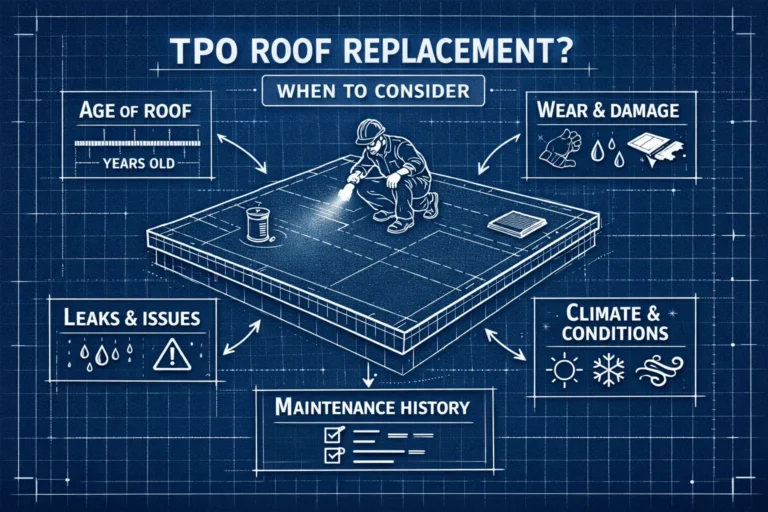
Repeated seam failures, wet insulation, widespread membrane cracking, chronic ponding, and repairs that keep moving to “new” areas are strong signs that often indicate the end of the lifespan of a commercial roof; your next dollar should go toward a plan, not another patch.
When it doesn’t apply, or when the math changes
If you have an isolated issue caused by a single puncture, flashing failure, or a problem with the roof drainage system, commercial flat roof repair might be the smart move. The same goes for a newer roof that failed due to a workmanship issue that can be corrected.
Edge case: storm damage and insurance timing
If hail or wind damage is the driver, budgeting becomes a mix of deductible planning, documentation, and cash-flow timing. Your “cost” for commercial roof replacement may be the deductible plus upgrades that insurance won’t cover, like added insulation or better drainage.
Step-by-Step
1. Decide what you’re really buying: repairs, restoration, or full replacement
Start with a roof inspection that answers one question: are you trying to stop a leak, or reset the roof’s service life?
A single leak doesn’t always mean replacement. But if leaks are recurring and spreading, you may be paying for short-term relief while the roof keeps aging underneath. Document where leaks occur, how often repairs happen, and whether moisture has reached insulation or decking, because wet materials can quietly inflate the final scope. Consider moisture testing and infrared moisture scans to uncover hidden damage.
If you’re unsure, use a simple rule
If you can’t go 12 months without another leak call, treat replacement planning as urgent, even if you still do targeted repairs to buy time.
2. Build a first-pass commercial roof replacement cost range (then tighten it)
For 2026 budgeting, many US and Minnesota projects land around $7 to $15+ cost per square foot installed, depending on system choice and scope. That means a 5,000 square foot roof often pencils out around $35,000 to $75,000+, before you add major upgrades or unexpected roof deck work.
Use this first-pass range to set a reserve target, then refine with actual roof measurements and system decisions. If you want a practical checklist of budgeting inputs to compare, see budgeting tips for a commercial roof replacement.
Quick comparison of common systems (installed ranges vary by project)
| Roof system (typical commercial use) | Common installed cost per square foot range | Notes that affect budgeting |
|---|---|---|
| TPO single-ply membrane | $5–$11 | Reflective, heat-welded seams, insulation choices matter |
| EPDM rubber single-ply membrane | $4–$9 | Often cost-friendly, details at penetrations still matter |
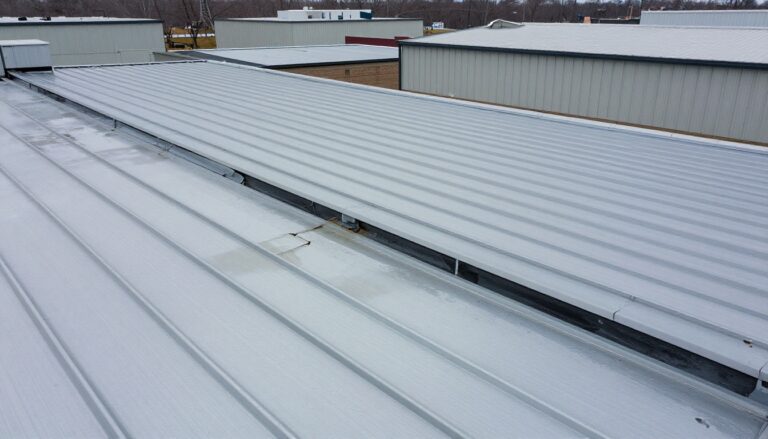
| Metal roofing | $8–$15+ | Higher upfront, longer service life, more detail work |
| Tear-off and disposal add-on | $0.50–$2 | Depends on layers, access, and disposal rules |
3. List scope drivers that swing your budget up or down
This is where budgets usually break. Not because the contractor was “wrong,” but because the scope was vague.
At minimum, clarify:
- Tear-off vs overlay (and how many existing layers are present)
- Insulation and R-value targets (high-quality insulation improves energy efficiency, and whether tapered insulation is needed for drainage)
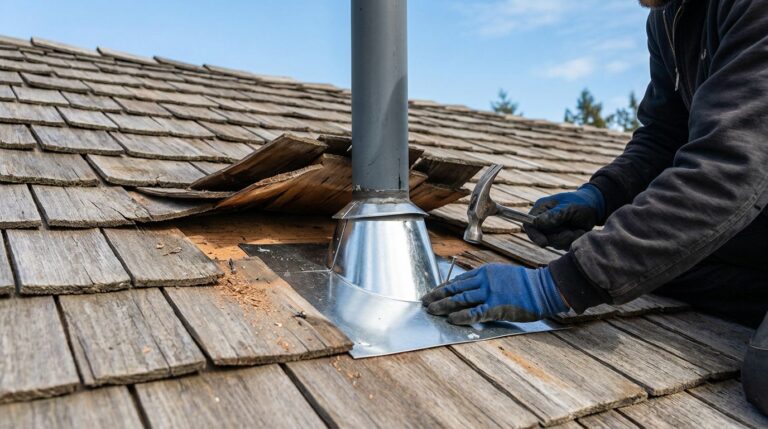
- Edge metal, flashings, and penetrations (skylights, HVAC curbs, vent pipes)
- Drainage fixes (scuppers, internal drains, crickets)
- Code compliance, building codes, and permits (fire ratings, insulation minimums, fastening patterns)
Add a 10 to 20 percent contingency in your capital request for hidden wet insulation or roof deck repairs. Think of it like opening a wall during a remodel. You won’t know what’s inside until work starts.
Timing note for tenants and operations
If your building can’t tolerate daytime noise or fumes, after-hours scheduling and safety controls can add cost. It’s worth budgeting upfront rather than fighting schedule changes mid-project.
4. Pick timing that protects the schedule, not just the price
In Minnesota, late spring through early fall often gives the most reliable replacement timeline. Fewer weather delays usually means fewer labor resets, fewer temporary dry-ins, and cleaner quality control.
If you can’t schedule that window, plan a two-part approach: temporary leak control now, replacement later. That might include targeted repairs, temporary membranes, or coatings in limited areas to reduce risk until the full project starts.
Don’t confuse “off-season availability” with “off-season savings”
A cheaper slot can disappear fast if weather causes stoppages. The schedule risk is a real cost when tenants are involved.
5. Turn a roofing project into a capital plan you can defend
A roof replacement request lands better when it reads like an asset decision, not a panic expense, especially for this major capital expenditure. Build your capital plan around:
- A 3 to 5-year forecast with capital planning tips (best case, expected case, worst case)
- Cash-flow timing (deposit, progress draws, final payment)
- Risk costs (interior damage, tenant disruption, equipment exposure)
- Energy and operating impacts (insulation upgrades can change heating and cooling spend)
If you’re tracking regional price movement for planning, including inflation, this Minnesota cost overview can help frame expectations (even though it’s residential-focused): Minnesota roof cost expectations. For taxes, depreciation, and how you classify costs, your CPA should weigh in based on your ownership structure.
Funding options that owners actually use
Many owners blend reserves with financing, or phase the work to fit annual capital caps. The “right” answer is the one that keeps the roof watertight without starving other building needs.
6. Lock the budget with comparable bids and clear deliverables
Get multiple bids from roofing contractors and compare them line by line. Your goal is not the lowest number, it’s the clearest scope with the least room for change orders.
Ask each roofing contractor to spell out the commercial roofing system choice, fastening method, insulation thickness, warranties, and what happens if wet materials are found. If you operate in the Twin Cities, it also helps to review a contractor’s commercial capabilities and response options through a local service page like Commercial Roofing Saint Paul, then confirm details in writing for your exact building.
A small detail that saves big money
Require photo documentation before, during, and after. It supports warranty claims, future maintenance, and any insurance file you may need later.
FAQ
Can I restore my roof instead of replacing it?
Sometimes. Roof restoration works best when the membrane is mostly sound and problems are limited to seams, fasteners, or minor weathering. Options like roof coatings can extend service life in these cases. If the insulation is wet across large areas or leaks keep reappearing in new spots, roof restoration can turn into a short delay with a long invoice.
What if I only replace part of the roof to cut costs?
Partial commercial roof replacement can work if roof sections are truly separate (different install dates, clear transitions, and controlled drainage). If water can migrate under the system, a “half replacement” can create leak paths at the tie-in lines that cost more to chase later.
When partial replacement makes sense
It’s most defensible when you can isolate the section structurally and hydraulically (decks, drains, and slopes don’t intermingle).
How disruptive is a commercial roof replacement for tenants?
It depends on access, hours, and safety controls. Expect noise, staging areas, and temporary limits near entrances or loading zones. You can reduce disruption with phased work, off-hours scheduling, and clear tenant notices that set expectations before the first crew arrives.
What proposal documents should I request before approving a budget?
Request a written scope, system manufacturer details, roofing materials, insulation plan, tear-off plan, warranty terms, and a change-order process. Also ask for a schedule with weather allowances and a safety plan for pedestrians and vehicles, especially if your building has public access.
What happens if I wait one more winter?
Before deciding to wait, preventative maintenance and a professional roof inspection can help determine if the building can last another winter. Small leaks often grow during freeze-thaw cycles, and interior damage can rise fast once insulation gets saturated. Waiting can also compress your spring schedule, leaving fewer qualified crews available when you need them most. If you must wait, budget for temporary repairs and monitoring.
Bring your roof into the budget before it brings itself
A roof is your building’s umbrella, and holes don’t stay small for long. Start with a realistic commercial roof replacement cost range, identify scope drivers, then match timing, funding, and financing options to your capital cycle. When you plan early, you buy choices, better scheduling, and fewer emergency calls. After replacement, protect your investment in the new commercial roofing system with a solid roof maintenance plan.
Need a roof inspection in Saint Paul or the Twin Cities? Call Sellers Roofing Company at +1-651-703-2336 or schedule a free estimate. We are a black-owned, NMSDC-certified MBE roofing contractor with 9+ years experience.